How to whiten Acrylic fiber
Published 26 Apr 2024 by the technical desk at Shandong Grand Chemical Co., Ltd..
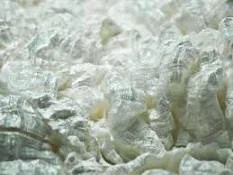
What is Acrylic Fiber
As we know, Acrylic fiber is the trade name of polyacrylonitrile fiber. It is a copolymer composed of acrylonitrile (the first monomer) and other comonomers. The content of the first monomer acrylonitrile accounts for about 85%, and the rest is the second and third monomers that are added to improve the dyeing property and textile processability. Acrylic fibers can be dyed either by pigmentation of the dope or with jel dyeing systems. It can be used 100% alone, or in blends with other natural and synthetic fibers, such as acrylic wool blends, acrylic polyester blends, and acrylic cellulose fiber blends. While the whiteness of the raw acrylic fibers is usually unsatisfactory, whiten acrylic fibers becomes important to enhance the appearance of the product.
How to whiten Acrylic fiber
According to the whiteness requirement of pure acrylic yarn and fabric and the whiteness level of the fiber itself, we can choose bleaching and fluorescent whitening process. Sometimes, the fiber itself already has a certain whiteness, so it can be optical brightening directly without bleaching. In addition, Acrylic yarns or fabrics used for fluorescent whitening must be clean and white products without stains and batch color addition, otherwise, we can not achieve the expected whitening effect The most commonly used cationic whitening agent is Uvitex BAC, which is a benzimidazole derivative first developed by Ciba. Due to the long-term market verification and the maturity of the technology, Now it has become the mainstream whitening agent for acrylic whitening.
Here below is the TDS of BAC-L
Name : Optical Brightener BAC-L
Appearance: Dark brown liquid
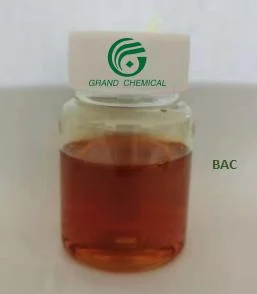
Ionicity : Cationic
Main ingredient : Benzimidazole derivative
Shade: Neutral to light bluish
pH : 3-4
Counter quality : Uvitex BAC-L, Leucophor ACK
Feature:
- Specialized to whiten acrylic fiber and its blend fibers, and diacetate fabrics. such as acrylic wool blends, acrylic polyester blends, and acrylic cellulose fiber blends.
- Suitable for exhaust dyeing and pad dyeing methods. Suitable for dope dyeing and gel dyeing.
- Not stable to Alkalis, stable to Acids / Hard water/ Chlorite / Hypochlorite / Hydrosulphite。
- Low toxicity, can be in direct contact with human skin, and no harm to the human body.
- Excellent light fastness and wet fastness properties.
- with low dosage can achieve high whiteness and bright color.
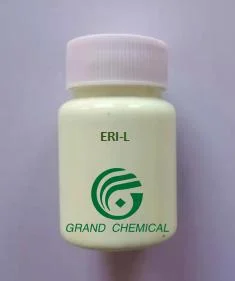
Optical brightener BAC-L for acrylic fiber
Talk it through with someone who ships the drums
Grand Chemical manufactures and exports the grades discussed above. Send the substrate, the process temperature and the whiteness target and we will name a grade and a dosage window.
Where this fits
Keep reading
Optical brightener for acrylic fiber
The best choice of optical brightener for acrylic fiber is BAC-L. It is a cationic dye with a transparent brown
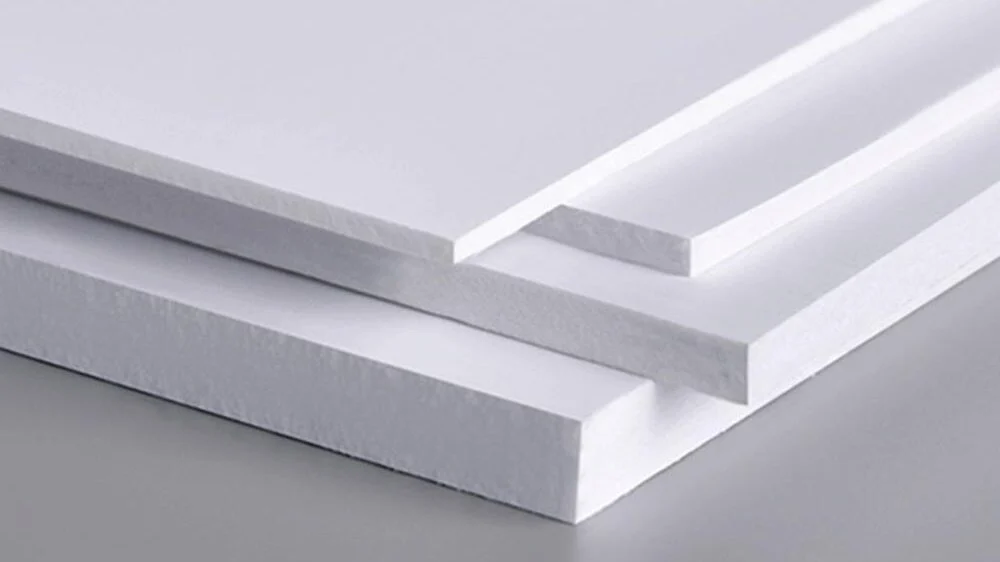
FP-127 for PVC Foam Board: High-Efficiency Optical Brightening Solution
oba for pvc foam board
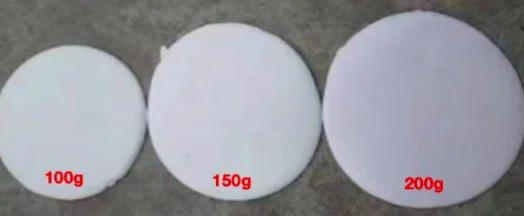
OB for Ink: Enhancing Whiteness, Brightness, and Color Performance
Ink appearance plays a decisive role in product perception and end-use quality. To meet increasingly high visual standards, ink manufacturers
Optical Brighteners for Polyester Fiber: High-Performance Whitening Solutions
Optical brighteners for polyester fiber play a critical role in improving fabric whiteness, brightness, and visual appeal. Due to the
Optical Brighteners for Paints: Improving Whiteness, Brightness, and Visual Appeal
Optical brighteners for paints play a vital role in enhancing the visual quality of modern coatings. Also known as fluorescent