Additives for PVC compounding: how to choose
PVC is the one polymer where a brightener rarely travels alone. The same compound needs a heat stabiliser to survive the processing window and an impact modifier to survive service, and buying all three from one supplier removes a round of compatibility guesswork.
Stabiliser first
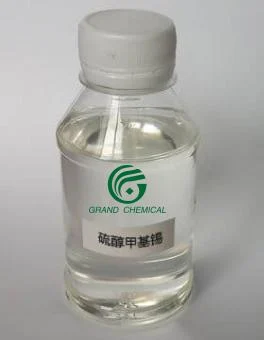
Methyl tin mercaptide is a bright clear liquid that stabilises both rigid and flexible PVC while leaving the compound transparent - the property that lead and some calcium-zinc systems cannot deliver. If the part has to be clear, the stabiliser choice is made before anything else.
Then the impact modifier
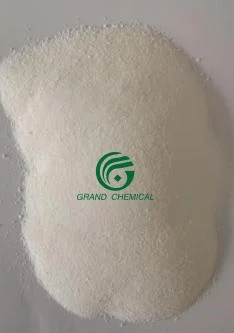
CPE-135A at 35±2% chlorine forms a three-dimensional network through rigid PVC, lifting impact strength and low-temperature flexibility while preserving flame resistance and weatherability. It also toughens ABS, CPVC, PP and PS.
Brightener last, and matched to the compound
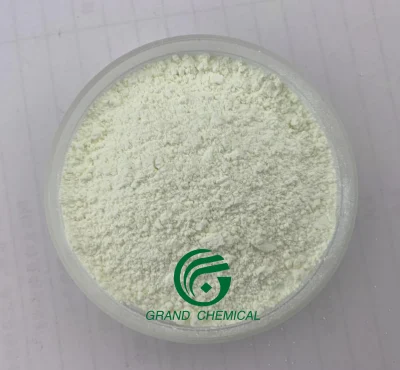
Rigid PVC takes OB or OB-1. Flexible PVC, plastisol and foam take FP-127, which has markedly better affinity for the soft compound. Published dosages: white 0.01-0.05%, transparent 0.0001-0.001%.
Recommended
Grades we put forward for pvc compounding
Methyl Tin Mercaptide
A bright, clear liquid tin stabiliser for PVC processing, effective in both rigid and flexible compounds and notable for the transparency it leaves behind.
Impact Modifier CPE 135A
Chlorinated polyethylene at 35±2% chlorine, the standard toughening resin for rigid PVC.
Optical brightener FP-127
A methoxy-substituted distyryl biphenyl built for soft PVC.
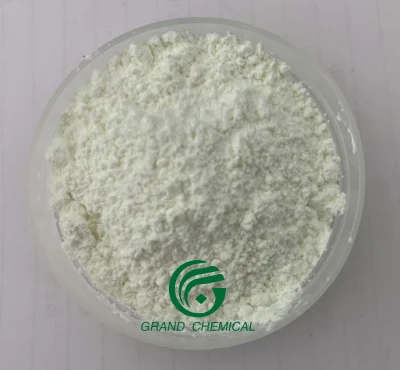
Optical brightener OB
The workhorse of the benzoxazole family and the grade most plastics buyers are matching when their specification says Uvitex OB or Tinopal OB.
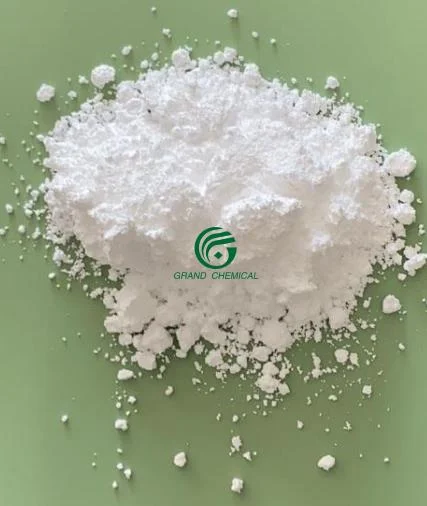
Nucleating agent GC-03
A sorbitol-based clarifying and nucleating agent, the working equivalent of Millad 3988.
Categories behind this market
Application briefs in this market
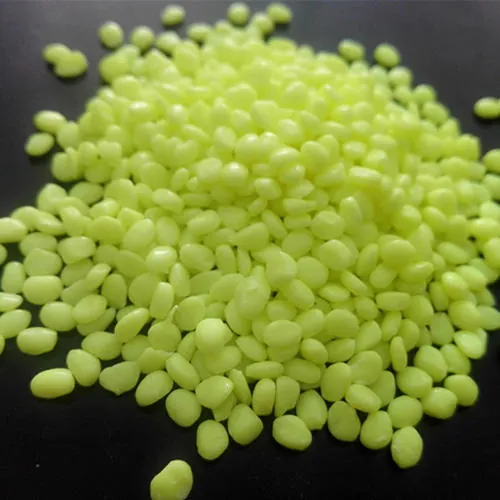
White masterbatch
A masterbatch concentrates the brightener twenty to a hundred times over the let-down dosage, so every weakness in the grade…
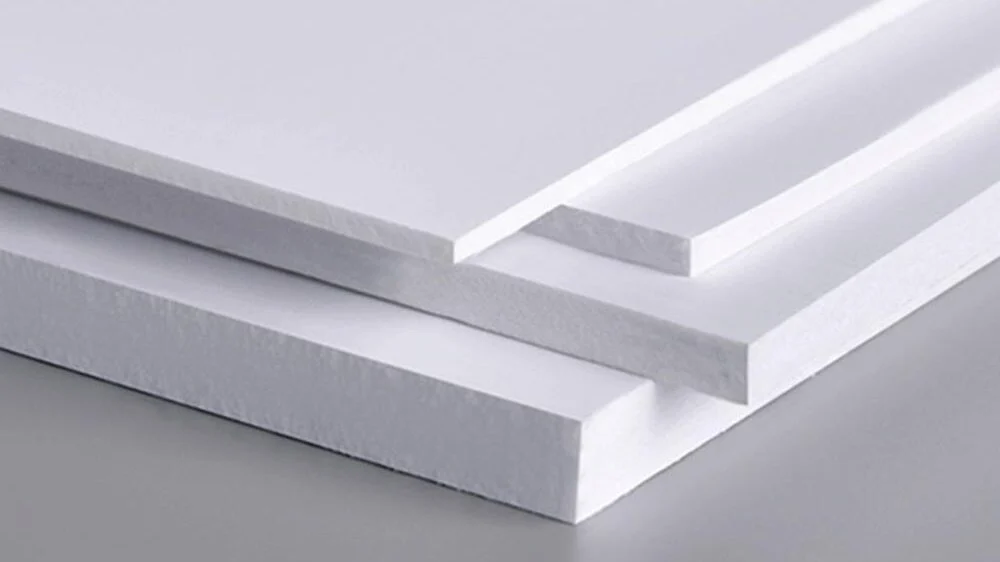
PVC foam board
Foam board yellows for two reasons at once - thermal stress during expansion and the intrinsic cast of the recycled fraction…
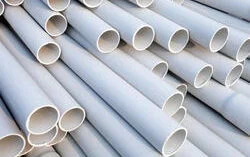
PVC pipe & profile
Pipe and profile are extruded hot, run long, and are judged on appearance for decades in sunlight. That makes the stabiliser, the…
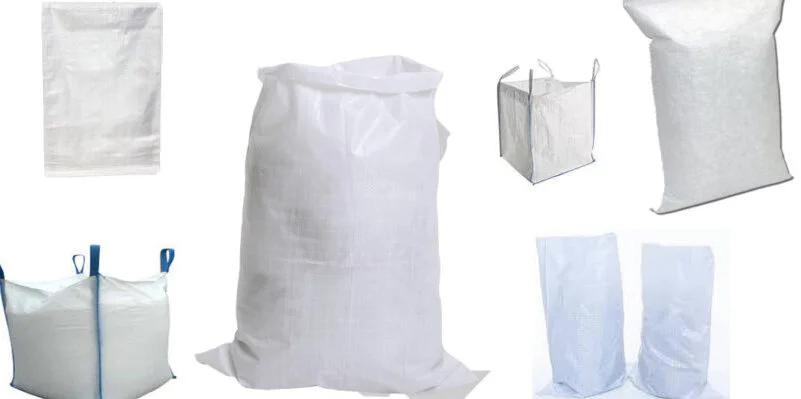
PP woven bags
Woven sack tape is drawn hot and thin, often from a resin blend that includes recycled material. Whiteness sells the bag, and the…
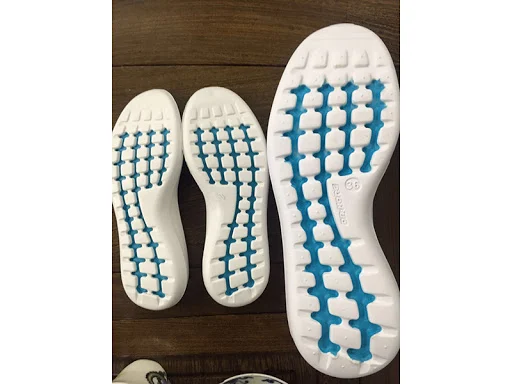
EVA shoe soles
Footwear foam is the application KCB was developed for. The expansion step destroys a poorly chosen brightener, and a midsole…

Blown film
In film the brightener has to raise apparent whiteness without touching clarity, and it has to do it at a dosage measured in…
Technical reading
Articles from our own library that go deeper into the chemistry behind this market.
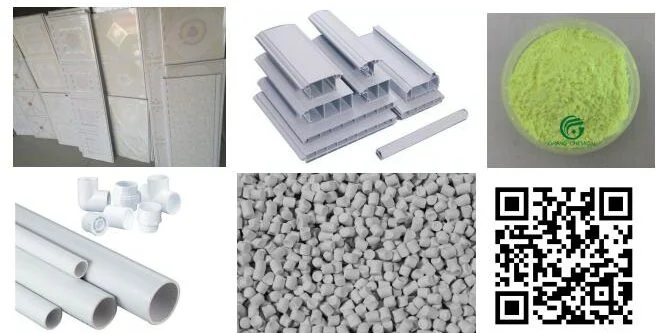
A Technical Guide to Choosing the Best Optical Brightener for PVC Products
In PVC manufacturing, appearance quality is a critical factor that directly influences market competitiveness. Whether for rigid PVC pipes, sheets,
Reasons for yellowing of PVC panel board and the solution!
What is a PVC panel board? PVC panel board is a common decoration material, often used in kitchens and bathrooms,
optical brightener for PVC pipes
Optical brighteners, also known as fluorescent brightening agent (FBA), Optical brightening agent (OBA), fluorescent whitening agent (FWA) are used in
Working on a pvc compounding formulation?
Send the substrate, the process temperature and the whiteness target. A grade recommendation and a dosage window come back the same working day.