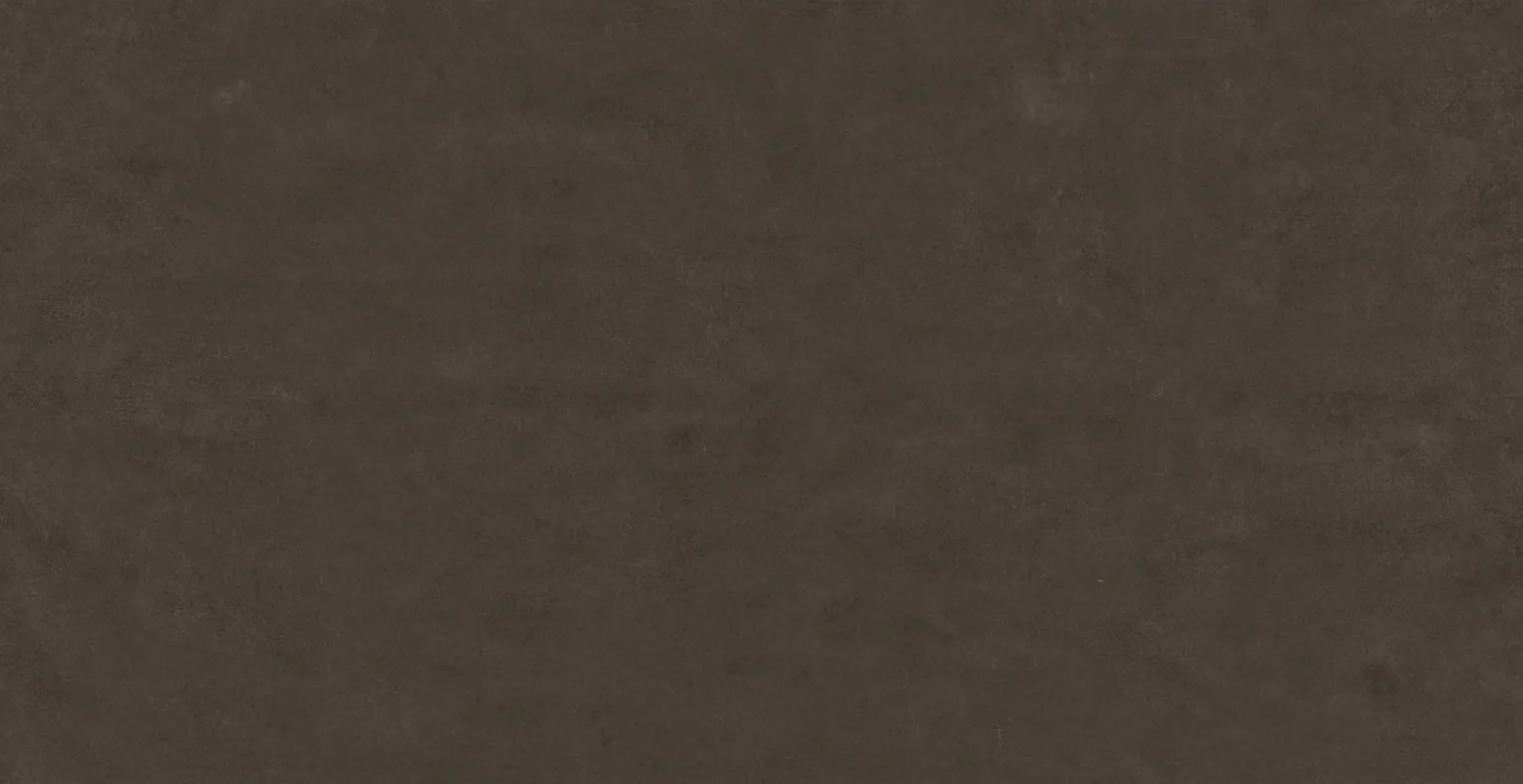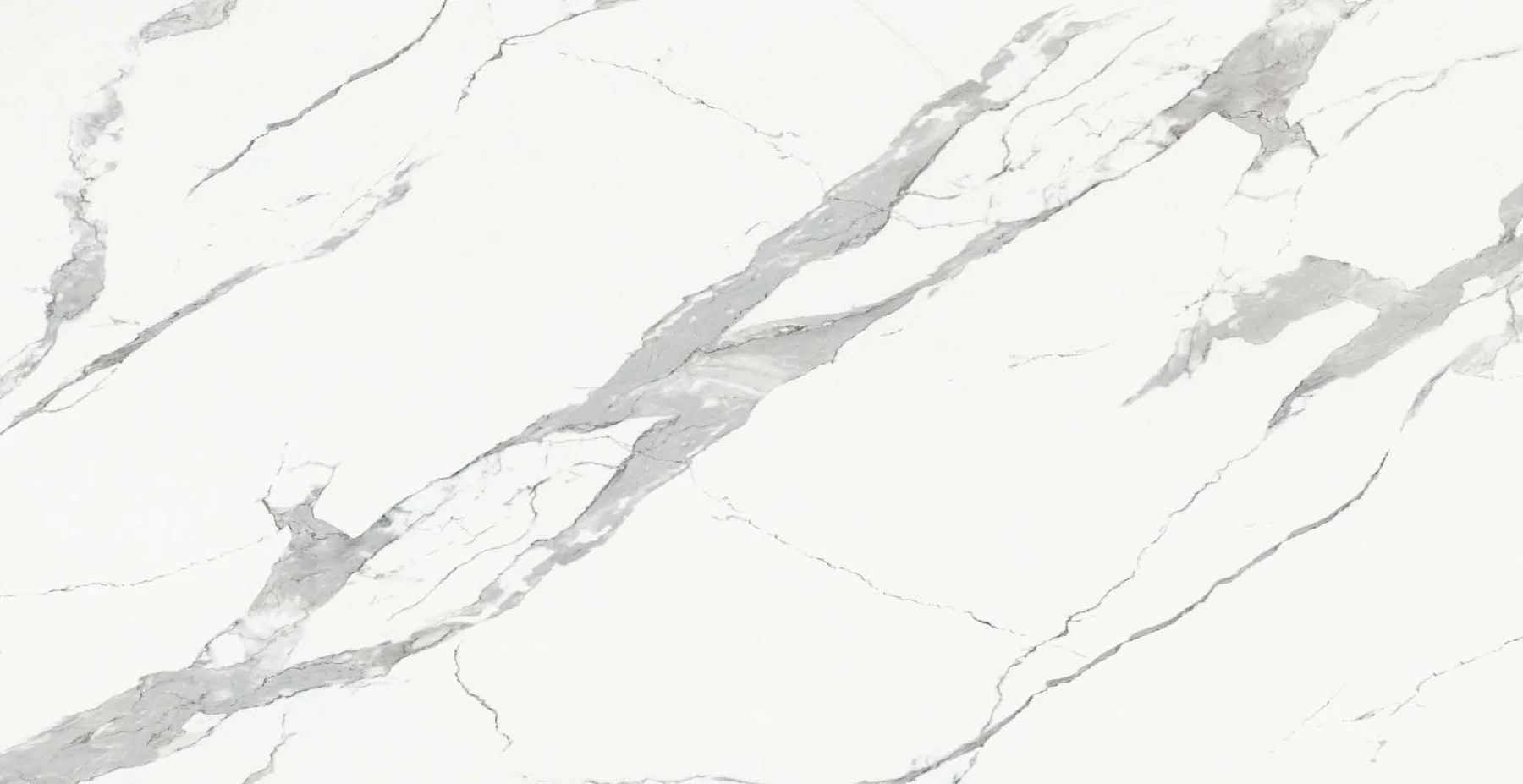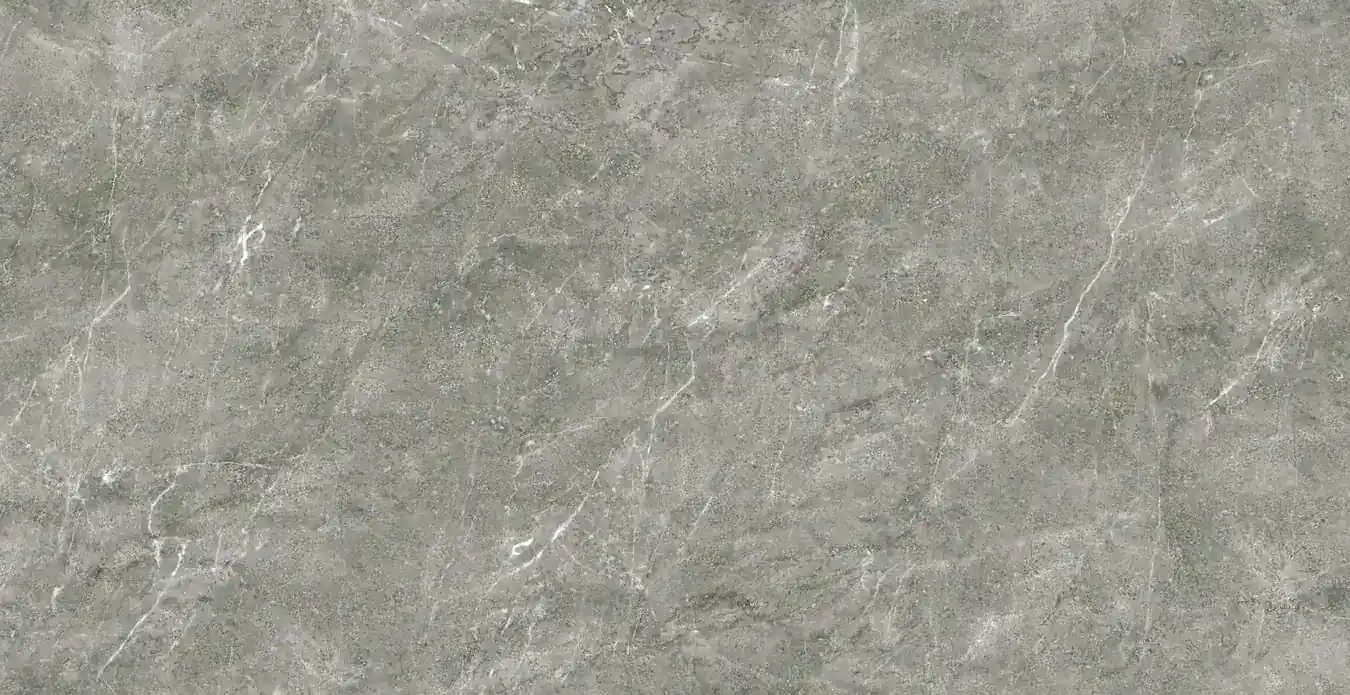
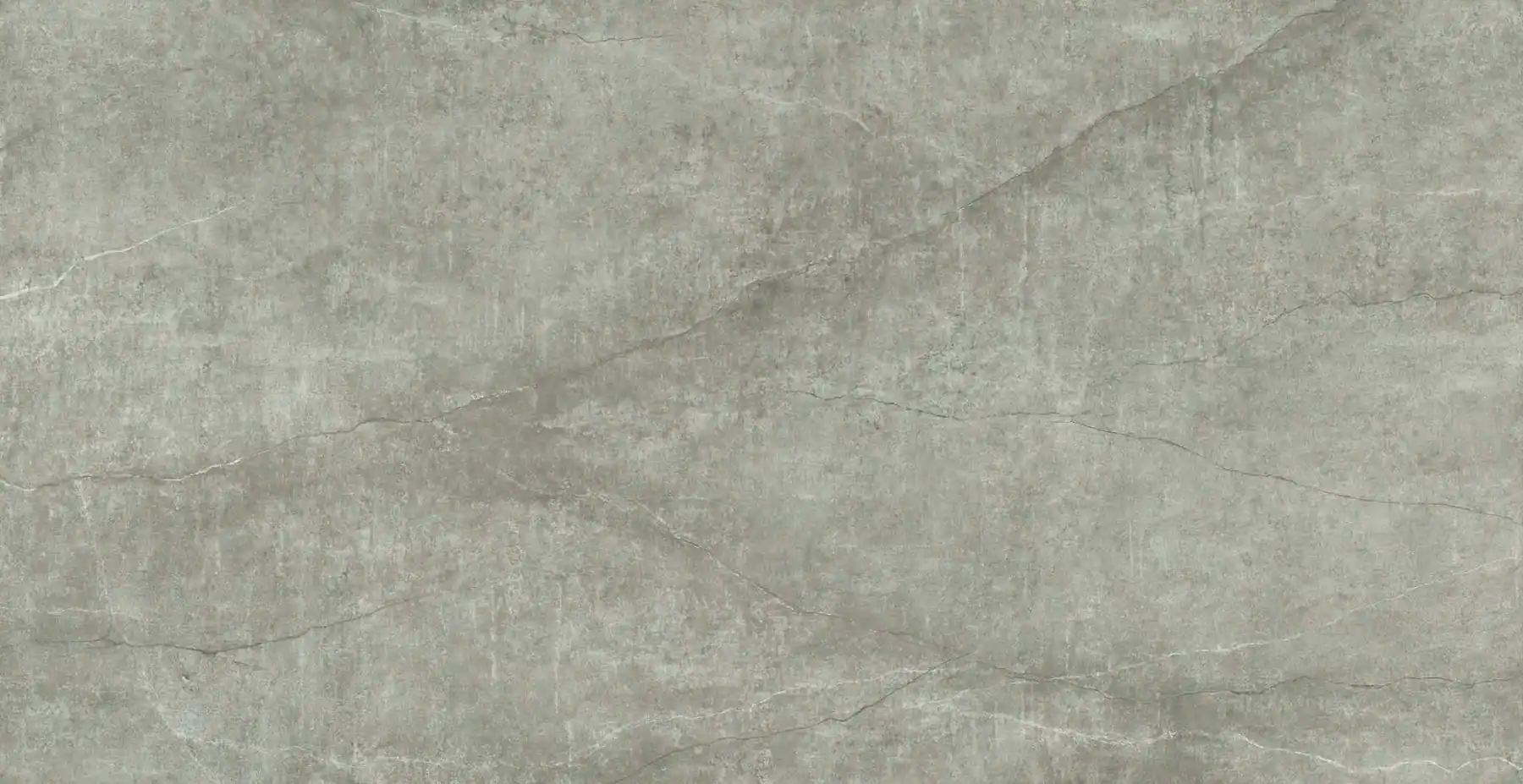
The slab is a near-white neutral surface with subtle mid-green and warm beige tones. The pattern is uniform with no visible veining or chips.
Swatches sampled from the slab photograph. Screen colour is not slab colour, so approve a physical sample before ordering.
ASST010 is a sintered mineral stone slab produced in a factory established in 2011. It is used by slab importers, countertop fabricators, and builders for interior surfaces. The slab features a consistent, neutral tone suitable for modern design projects.
Slab importers and countertop fabricators seeking a neutral, consistent surface
Sourcing a stable, uniform slab with minimal variation for large-scale fabrication projects
High quartz content ensures durability and resistance to wear
Consistent colour and pattern reduce material waste during fabrication
Available in multiple thicknesses and surface finishes for design flexibility
Compared with engineered quartz this slab has no resin binder, so heat marking is not the failure mode it is on quartz. It is denser and needs careful handling in large formats.
Values marked TBC are confirmed per order rather than guessed at here.
| Colour code | ASST010 |
|---|---|
| Collection | Sintered Stone |
| Material | Sintered mineral stone |
| Thickness | 2 cm and 3 cm standard, custom on request |
| Surface finish | Polished, honed or leathered |
| Edge profiles | Six profiles including bullnose, ogee bullnose step, radius and mitre |
| Slab size | TBC - confirmed per order |
| Minimum order quantity | TBC - confirmed per order |
| Production standard | ISO 9001 production control |
| Manufactured in | Nanyang, Henan, China |
Quartz aggregate, resin and pigment are weighed to the recipe recorded against the colour code.
The mix is laid up so the pattern falls the way the design specifies rather than at random.
The slab is compacted under vacuum and vibration to drive out air voids.
The pressed slab is cured so the binder reaches full strength before any machining.
Slabs are calibrated to thickness and finished polished, honed or leathered.
Slabs are checked against the colour code, then bundled on A-frames for sea freight.
Store slabs vertically on an A-frame. Flat stacking large formats invites cracks that only show when the slab is lifted.
Confirm vein direction before cutting on patterned codes, and dry-lay bookmatched pairs before committing the cut.
Warm water, a soft cloth and a mild detergent. Avoid oven cleaner, drain products and abrasive pads on a polished finish.
Kitchen work is where most of our slab volume ends up, and it is the least forgiving application in the catalogue.
Cladding is a yield exercise.
Furniture makers buy stone by the piece, not the container, and they need the same top made a hundred times.
The slab is available in polished, honed, and leathered finishes to suit different design needs.
Yes, standard thicknesses are 2 cm and 3 cm, but custom thicknesses are available on request.
The colour is uniform across slabs, with dominant tones of mid-green and warm beige.
Yes. Email [email protected] with the code ASST010, the thickness and the finish you want, plus a shipping address. Samples are free to distributors, builders and countertop factories.
2 cm and 3 cm are standard across the range. Custom thicknesses are developed on request.
Order against the same code, thickness and finish. Codes are produced to a recorded recipe, which is what makes a repeat order match.
How the three engineered surfaces differ in body, heat behaviour and where each one belongs in a project.
What to tell an end client after installation, and what to keep away from the surface.
Codes exist so the same slab can be produced twice. Here is how to use them properly.
Tell us the thickness, finish and quantity you need and we will come back with availability.