







The Hazards Gloves Are Built For
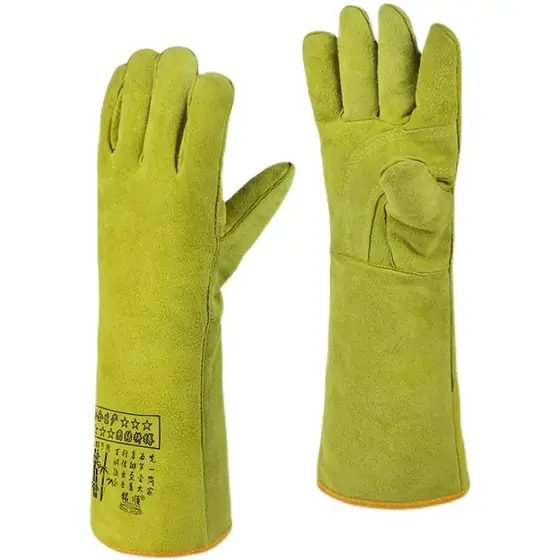
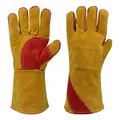
Welders face intense heat, sparks, molten metal and abrasive materials in the same task. Leather is used for gloves because it insulates, resists abrasion and keeps working after repeated exposure, which synthetic materials in the same price range do not.
Protection Against Heat
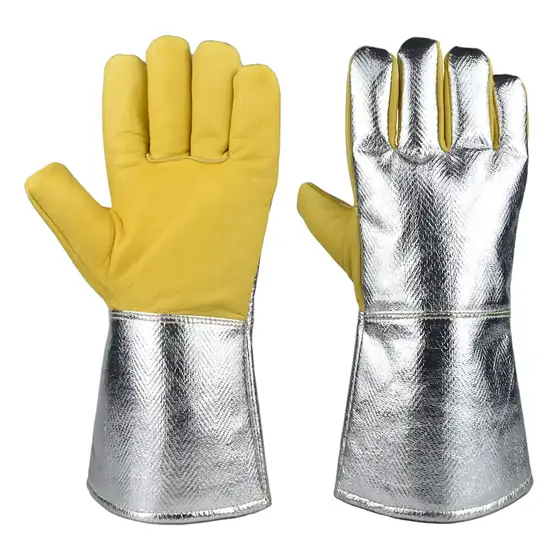
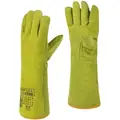
Welding processes produce temperatures that can easily exceed 1000 degrees F, or 538 degrees C. Leather acts as an insulating barrier during welding, grinding and hot material handling. Where the exposure is radiant rather than contact, aluminized gloves reflect heat rather than absorbing it.
See the MS-761 High-Heat Welding Gloves with Aluminized Back
Resistance To Sparks And Debris
Sparks and flying debris are constant in welding, and molten metal splatter can reach unprotected skin from a surprising distance. Leather resists both, and Kevlar stitching keeps the seams intact where the spatter concentrates.
Durability And Grip
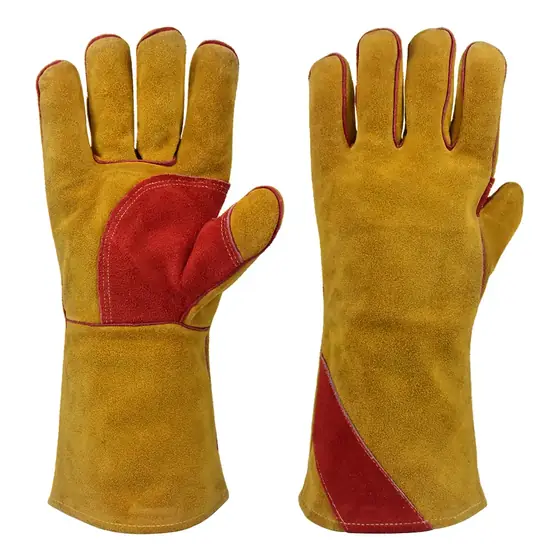
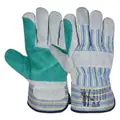
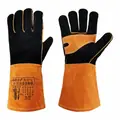
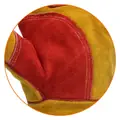
Welding involves handling rough materials, heavy tools and hot workpieces. Leather withstands that wear while keeping the grip needed to control the torch. Reinforced palms and double stitching extend service life at the points that fail first.
See the MS-808 Leather Gloves Safety Protection Welding Gloves
Comfort And Dexterity
Protection is useless if the glove is removed for detailed work. Gloves should allow enough movement to operate the equipment without restricting hand motion, which is why lining and cuff length are chosen against the process rather than as a generic upgrade.
Selecting The Right Glove
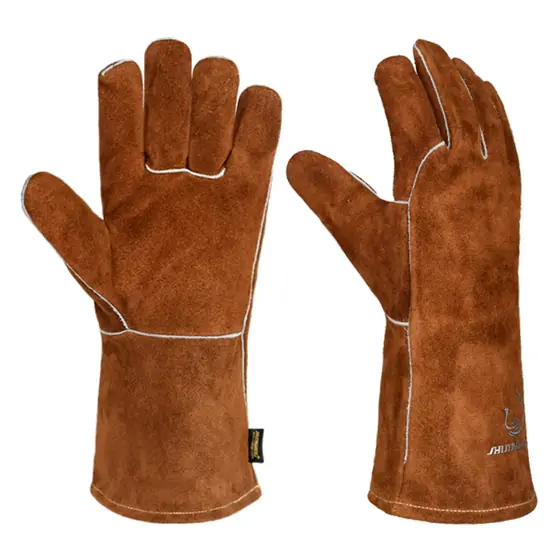
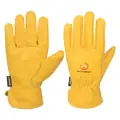
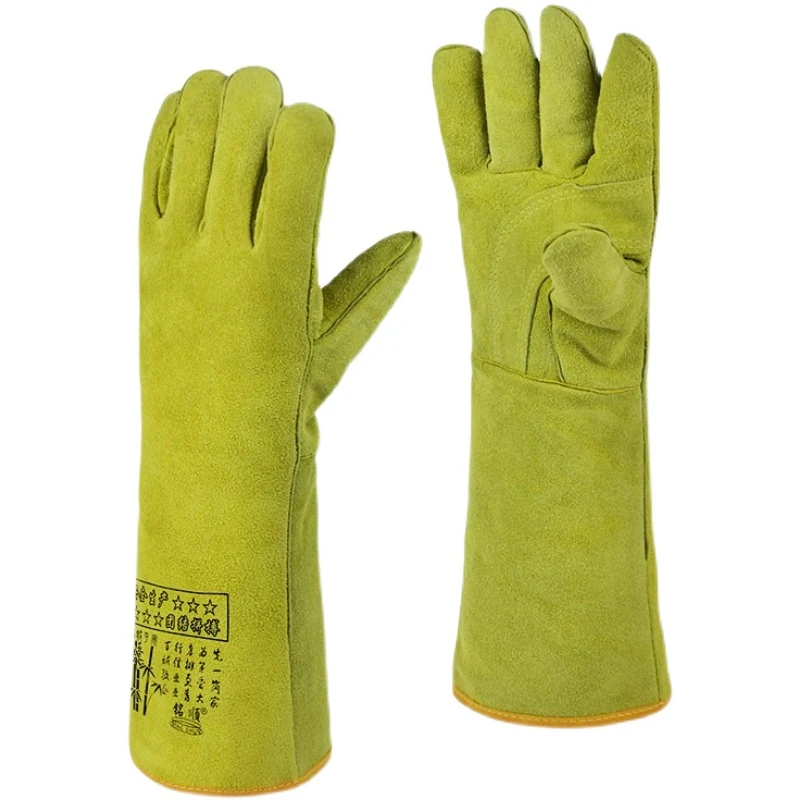
Consider the leather type, the lining, the fit and the reinforcement. Cowhide offers abrasion resistance, goatskin balances flexibility and toughness, and a cotton or fleece lining adds comfort as well as insulation. A snug fit at the fingers, palm and wrist gives protection and control at the same time.
See the MS-723 Leather Gloves Safety Protection Welding Gloves
Maintenance
Inspect gloves regularly for holes, cracks and thinning. Clean them with mild soap and warm water rather than harsh chemicals, which weaken the leather, and replace them as soon as they are damaged. A glove with a hole in the palm has stopped being PPE.