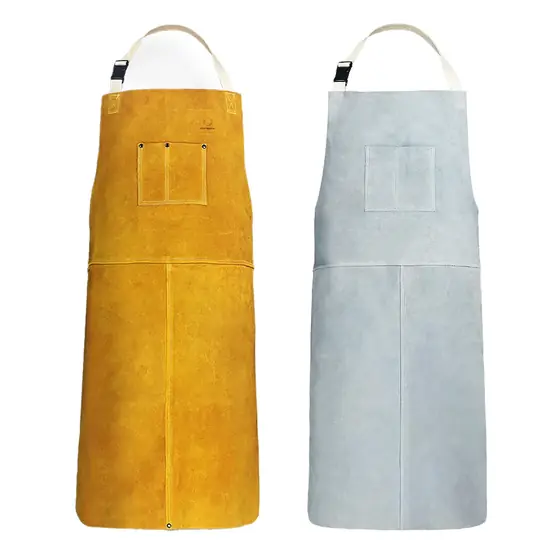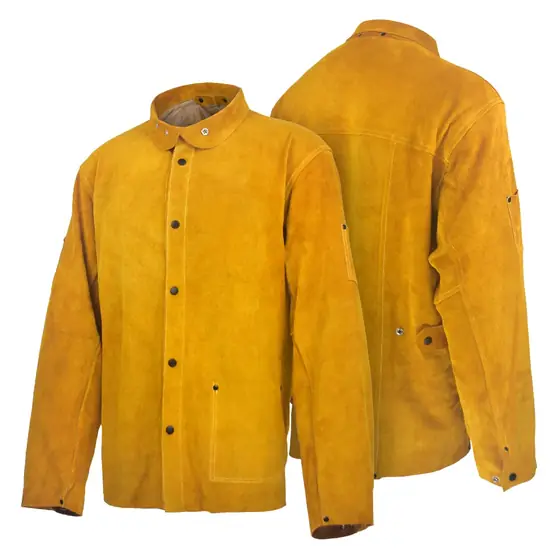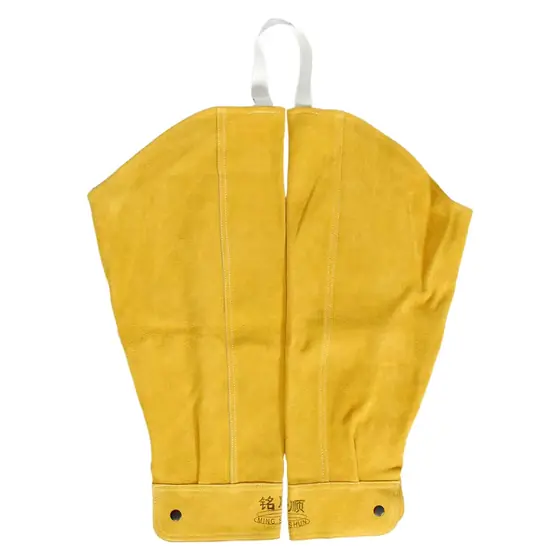










Why Mould Matters On Safety Products
Mould is not only a cosmetic issue on leather PPE. Growth degrades the leather fibres, which weakens the protective barrier the product exists to provide. Stained leather is also uncomfortable and unsuitable for use in safety-critical environments, so affected goods are discarded, returned or reworked.
Where It Starts
Moisture retention in the leather, poor drying and storage during production, and a lack of quality control are the three common causes. Leather that is too porous absorbs more water and becomes mould-prone before it ever leaves the plant.
Material Selection
Selecting leather that is durable and flexible but also resistant to moisture is the first line of defence. Tanning matters here too: chromium tanning contributes to durability, and manufacturers should avoid chromium 6, which is toxic.
Treatments
Water-resistant treatments, including on nubuck leather, reduce absorption and are a practical mould prevention measure on products that will be shipped long distances or stored in humid warehouses.
Controlled Drying And Packing
At our plant, specialised ovens are used for controlled drying, temperature and humidity are regulated during production, and moisture-absorbing packing materials such as silica gel are used to prevent mould developing during shipping.
What To Ask Before You Buy
Ask the manufacturer which leather types they use, what quality control measures are applied, what tanning process is used, which safety standards the product complies with, and whether water-resistant treatments are applied. The answers separate a factory from a trading company quickly.