
Comparison
Valve Seat Cutting Compared With Valve Seat Grinding
Carbide seat cutting and stone grinding both produce a sealing seat. They differ in concentricity, repeatability and how much operator skill sits between you and a leak.
What the Seat Has to Do
The seat carries the valve's heat into the head and seals combustion pressure. Concentricity with the guide, seat width and seat angle decide whether it does both for a hundred thousand kilometres or for a season.
Any method that produces a seat concentric with the guide can work. The question is how consistently, and how much of that consistency depends on the person holding the tool.
Stone Grinding
Grinding with dressed stones on a pilot in the guide is the traditional method and it is inexpensive to set up. It depends on the stone being dressed true, on the pilot fitting the guide closely and on the operator's feel.
It remains a sound method for occasional work, but stone wear changes the result through a batch and dressing takes time that a busy shop resents.
Carbide Seat Cutting
Carbide cutters cut all seat angles in one pass from a single pilot, so the throat, seat and top cut share one axis by construction rather than by operator care. Seat width is set by the cutter geometry and repeats from head to head.
Machines built for seat and guide work add a rigid air float spindle and a tilting fixture, which lets the head be aligned to the valve axis rather than to the bench. That is where the repeatability comes from.
Guides First Always
Neither method saves a worn guide. If the guide is out of tolerance the pilot tilts, and a perfect cutter produces an imperfect seat. Guides are pressed, reamed or replaced before any seat work starts.
This is why valve guide press equipment and seat cutting equipment usually arrive in the same order.
Checking the Seat
Blue the seat and check contact width and position on the valve face. A narrow band at the wrong position seals today and sinks tomorrow.
Vacuum testing the finished head is a fast way to prove the whole set before assembly, and it settles arguments with customers before they start.
Machines Referenced in This Guide
Related Machines
Models That Match This Guide
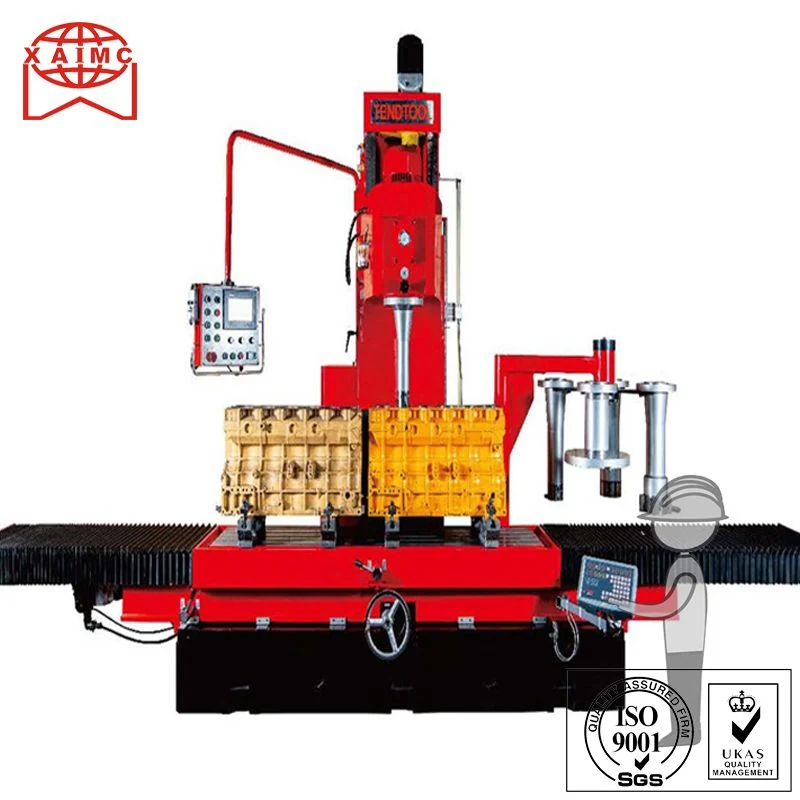
Engine Rebuilding Machine
Vertical fine boring & milling machine TX1500/TX2150/TX2500
View specifications →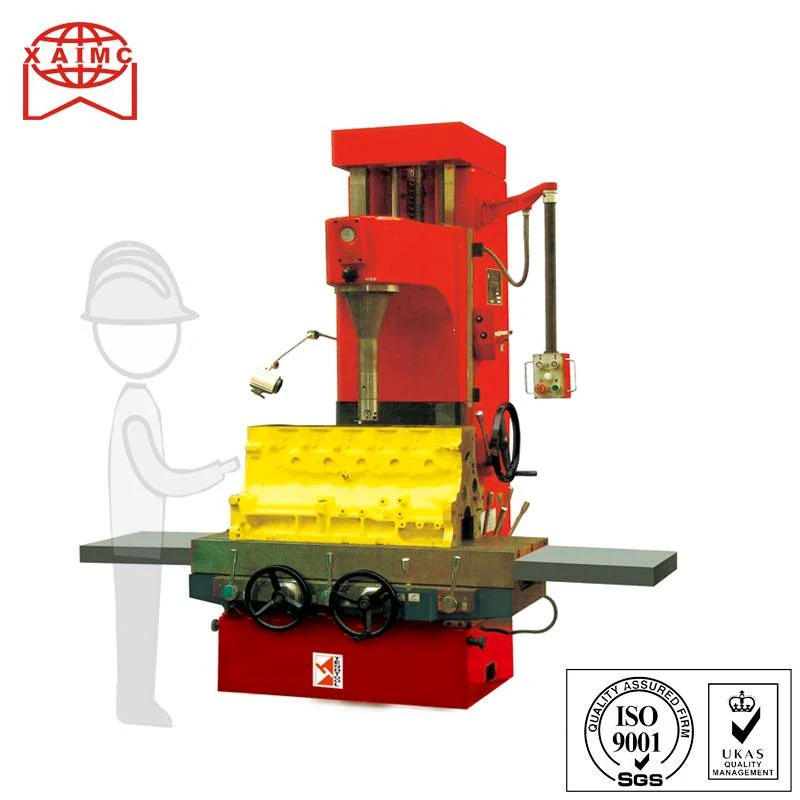
Answers
Questions About Valve Seat Cutting Compared With Valve Seat Grinding
Is carbide cutting always better than grinding?
It is more repeatable and faster in production. For a workshop doing occasional heads, grinding equipment already owned and used carefully still produces a good seat.
Do I need a CNC seat machine?
Only if volume or head variety justifies it. The gain is repeatability across many different heads without re setting by hand.
What causes a leaking seat after a rebuild?
Usually a worn guide, a pilot that did not fit, or a seat width and position that were not checked against the valve face.
Can I machine hardened seats?
Carbide cutters handle hardened inserts. Stones wear rapidly on them, which is one reason production shops moved to carbide.
How is the result verified?
Blue contact check, seat width measurement and a vacuum test on the assembled head before it leaves the bench.
Still Choosing Between Models
Send the part drawing and the output you need. We answer with a model and a reason, not a catalogue.