
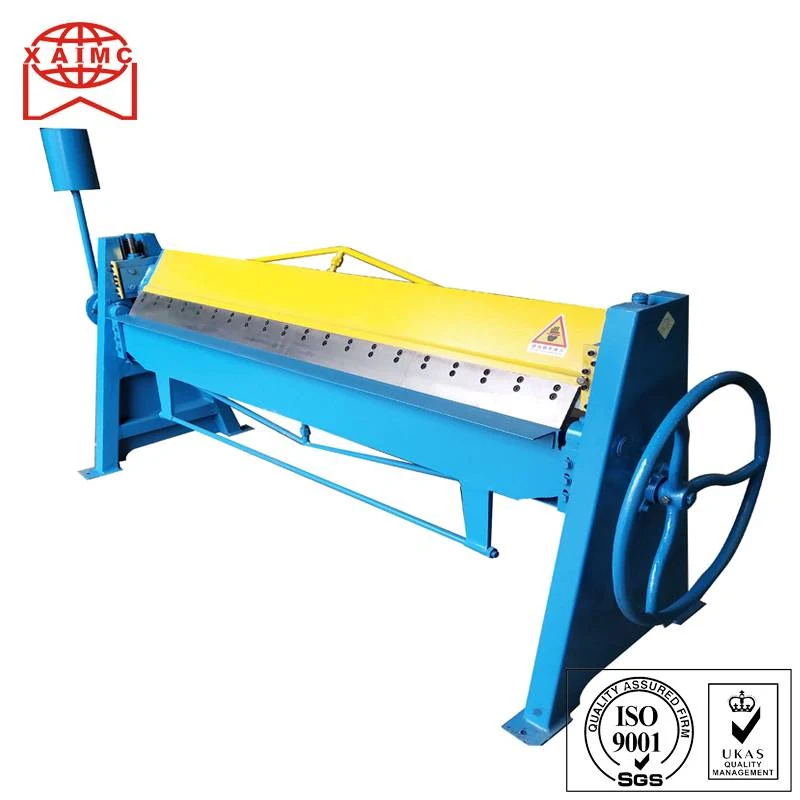
Process Guide
Press Brake Tonnage and Bend Allowance Basics
Two numbers decide whether a press brake can make your part: the tonnage the bend needs and the allowance the bend consumes. Both can be worked out before you buy.
How Much Tonnage a Bend Needs
Air bending force depends on material thickness, tensile strength, bend length and the die opening. Doubling the thickness roughly quadruples the force; doubling the die opening roughly halves it. Bottoming and coining need several times the force of air bending.
Work out the force for your thickest material at your longest bend, then leave margin. A machine bought exactly to the calculation will be working at its limit on your hardest job, which is the job that matters.
Die Opening and Inside Radius
In air bending the inside radius follows the die opening, not the punch tip. A wider die gives a larger radius and lower force; a narrower die gives a tighter radius and higher force, and risks cracking the outside of the bend.
A common starting point is a die opening of six to eight times material thickness. Material with a grain direction may need a larger radius across the grain to avoid cracking.
Bend Allowance and Flat Length
Material stretches on the outside of a bend and compresses on the inside, so the flat blank is shorter than the sum of the leg dimensions. Bend allowance, or the deduction you subtract from the sum of the legs, accounts for that.
The k factor describes where the neutral axis sits within the thickness. Rather than trusting a table, bend a sample in your own material and tooling, measure it, and back calculate. One test piece saves a scrapped batch.
Springback and Repeatability
Every material springs back. High strength steels spring back more, and the same nominal grade from two suppliers can differ. Air bending overbends to compensate, which is easy to adjust; bottoming reduces springback at the cost of force.
A CNC backgauge and a repeatable ram position are what make the second hundred parts match the first. This is where a manual machine starts to cost money in scrap.
Choosing the Machine Around the Work
Bed length should suit your longest bend plus tooling. Daylight and throat depth decide whether a deep box will clear the frame. A short machine with high tonnage suits thick narrow parts; a long low tonnage machine suits thin panels.
Order tooling with the machine. Punches and dies bought later rarely match the tooling style you already have and become a second stock to manage.
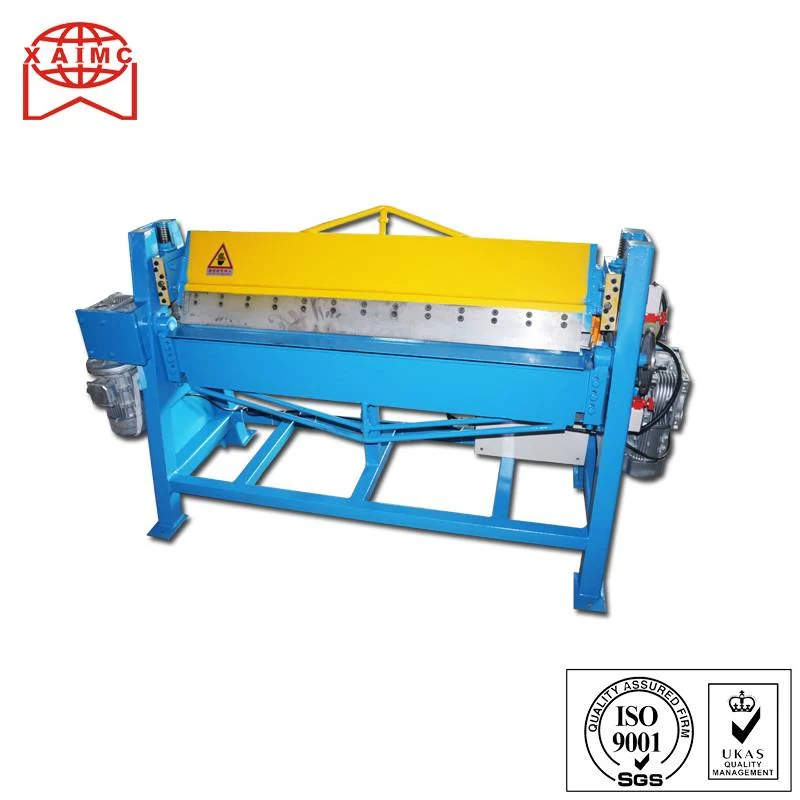
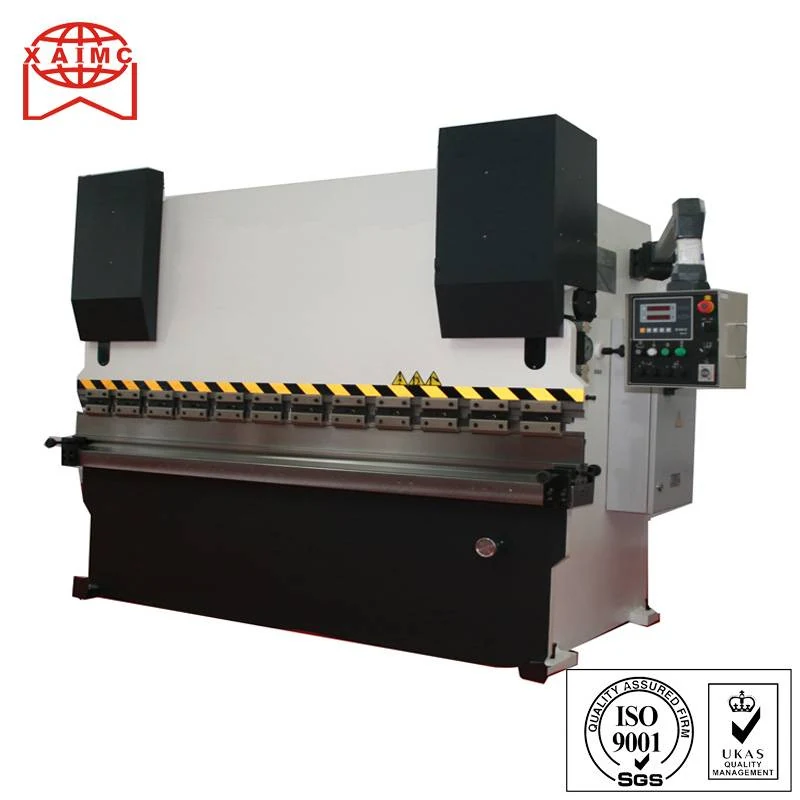
Machines Referenced in This Guide
Related Machines
Models That Match This Guide
Answers
Questions About Press Brake Tonnage and Bend Allowance Basics
How do I calculate press brake tonnage?
Use the force per metre figure for your thickness, material and die opening from a bending chart, multiply by bend length, then add margin for your hardest material.
Why is my part the wrong length after bending?
The flat blank was calculated without a bend deduction, or with one taken from a table that does not match your material and tooling. Test bend and measure.
What die opening should I use?
Around six to eight times material thickness is a common starting point for air bending mild steel.
Why do identical parts bend differently?
Material variation, tooling wear or ram repeatability. Check the material certificate first, then the tooling.
Is CNC control necessary?
For repeat production, yes. For occasional single bends a manual machine with a good backgauge is workable.
Still Choosing Between Models
Send the part drawing and the output you need. We answer with a model and a reason, not a catalogue.