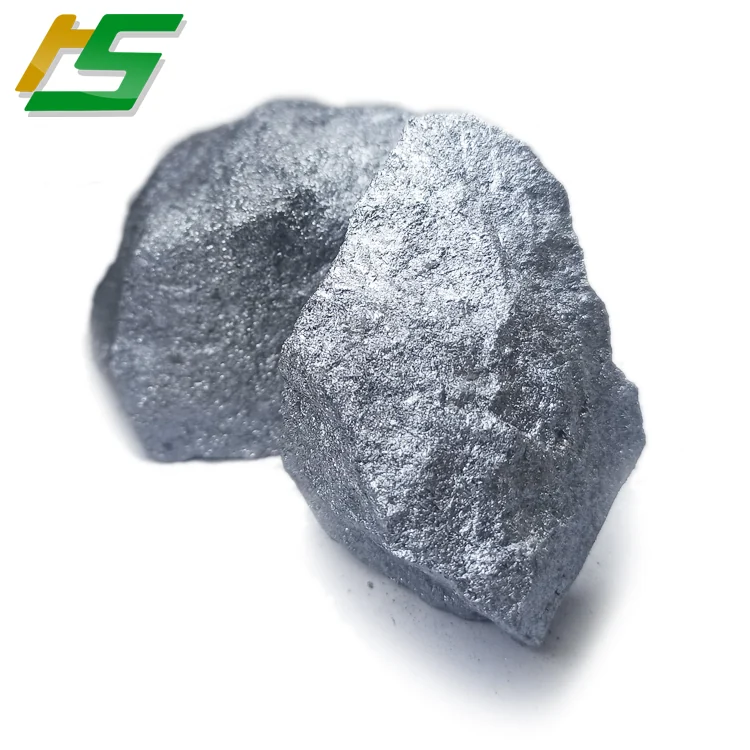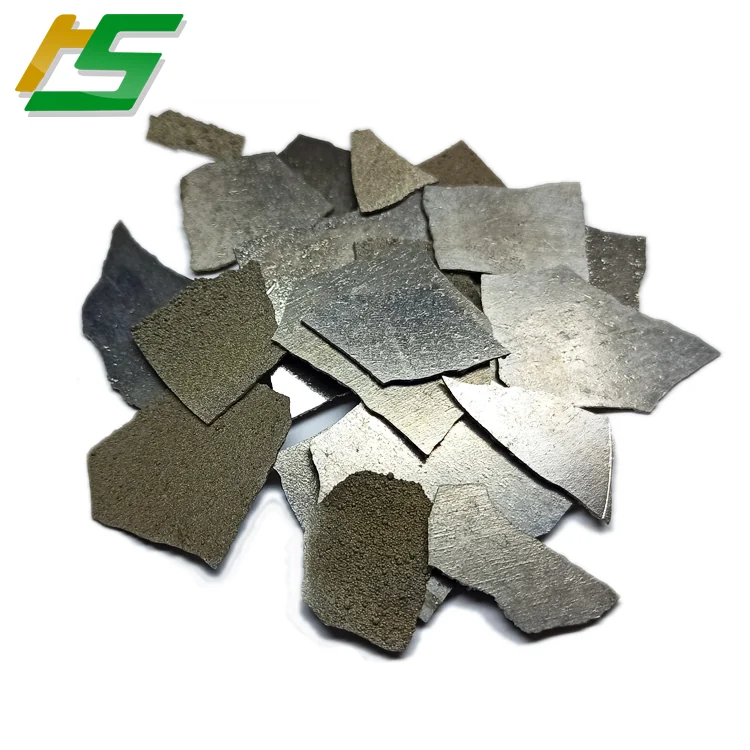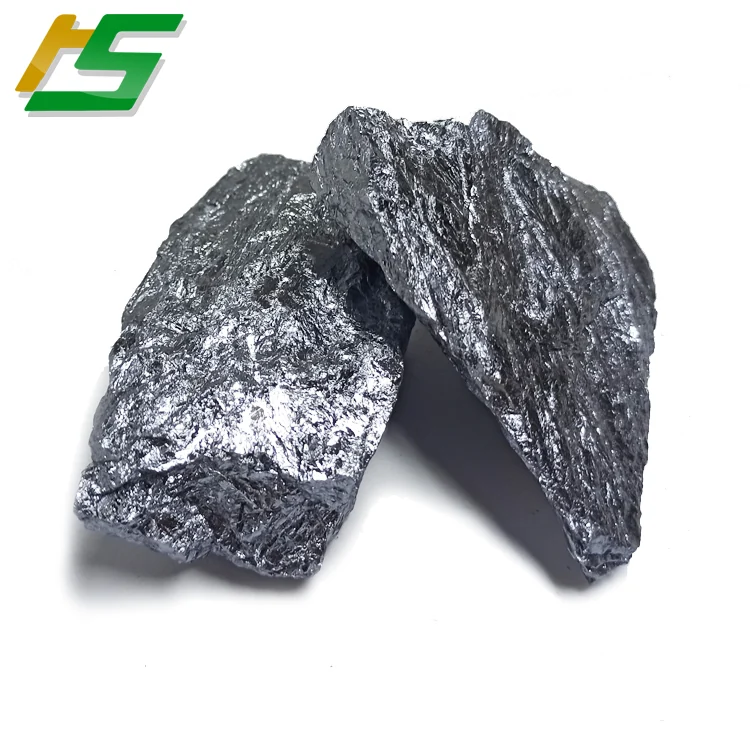
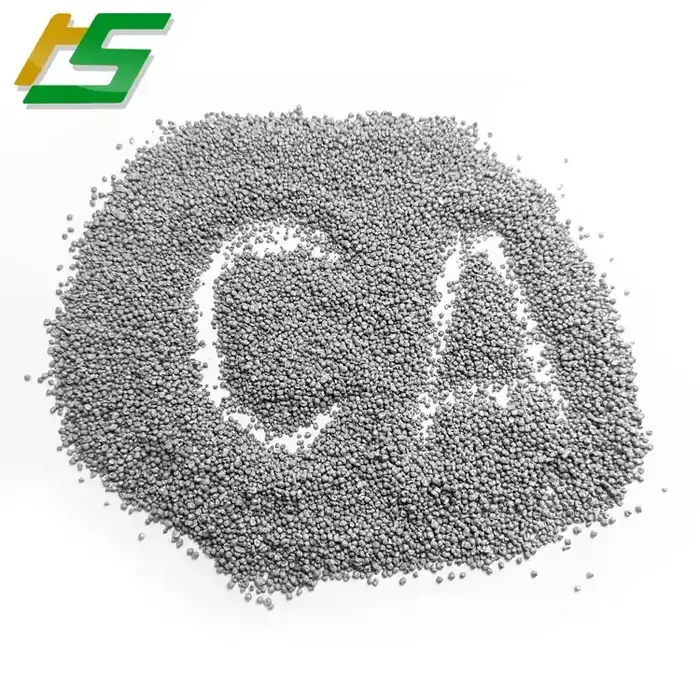
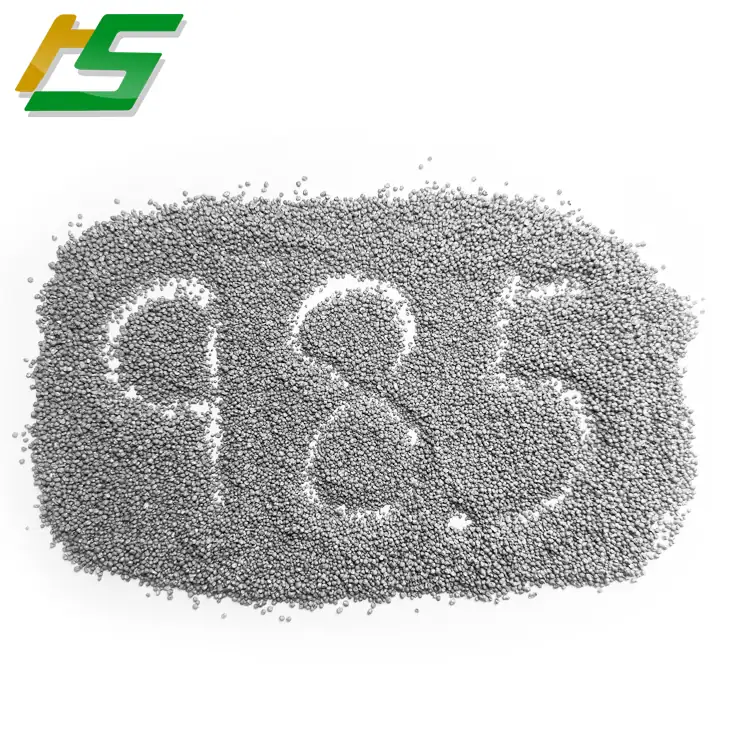
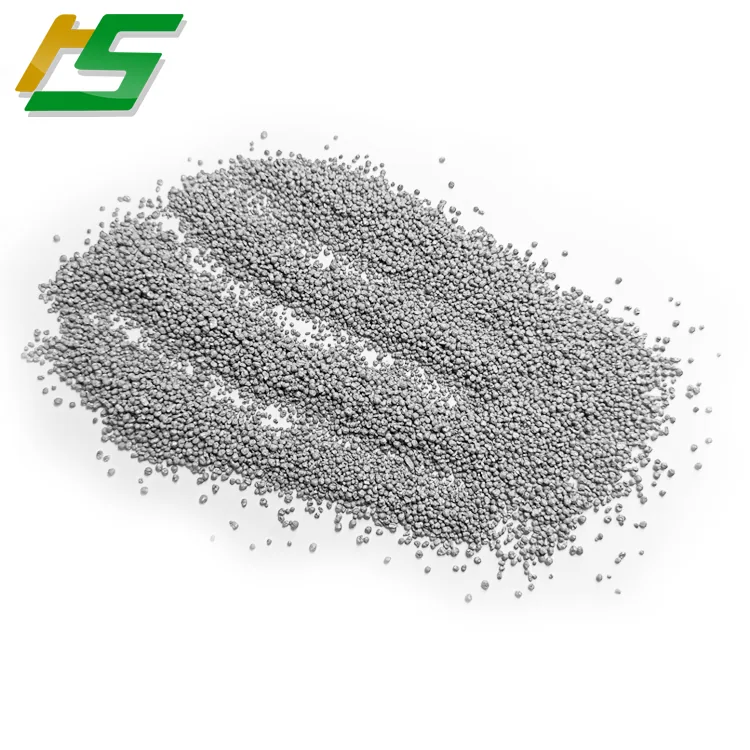
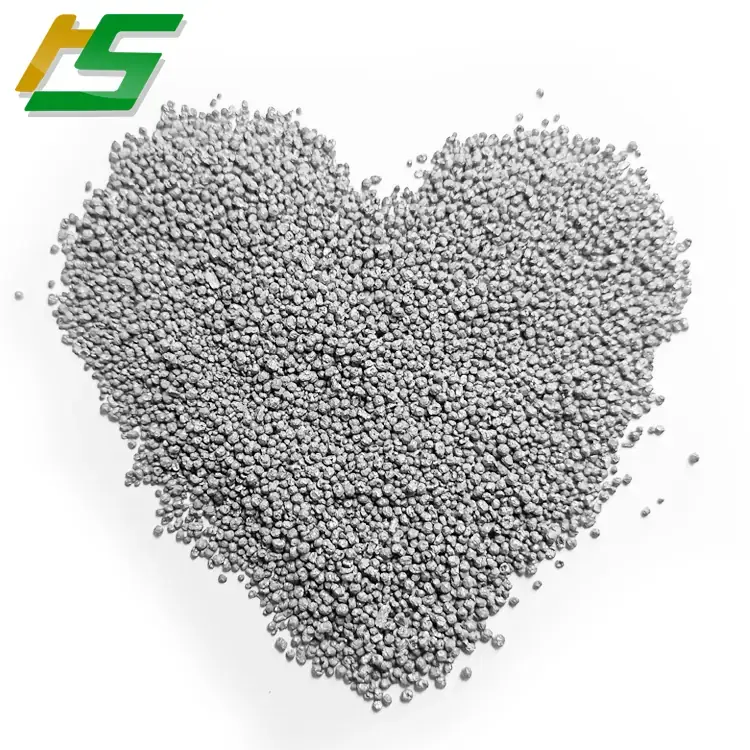
Calcium metal granules are cut from calcium metal into uniform particles, silver-grey with metallic luster. The published grade is Ca 98.5% min, packed under argon because calcium oxidizes and reacts with moisture.
Steel shops add calcium outside the furnace to modify inclusions, limit nozzle blockage, help desulfurization and improve castability. Battery plants use it in lead-calcium alloys for the negative plate of lead-acid cells. Non-ferrous and rare-earth smelters use calcium as a reductant. A small addition in cast iron is described on the source page as improving fluidity and strength.
Specification
| item | value |
|---|---|
| Ca | 98.5% min |
| CAS | 7440-70-2 |
| EINECS | 231-179-5 |
| Formula | Ca |
| Molecular weight | 40.08 |
| HS code | 2805.1200 |
| Appearance | Silver grey, metallic luster |
| Size | 1–5 mm and other sizes |
| Net weight | 175 kg per piece |
All figures from the source product page.
Where it is used
- Ladle refining of special steel plate — inclusion morphology, anti-clogging, desulfurization, castability
- Lead-calcium alloy for lead-acid battery negative plates
- Reductant for non-ferrous, rare-earth and refractory metals
- Deoxidation and dephosphorization aid in iron and steel
- Cast-iron fluidity and strength; oil dehydrating agent; cable-sheath and maintenance-free battery materials (as published)
Process notes
- Cut granules with even particle size and bright metallic color
- Must be kept dry and sealed — oxidizes and reacts with water
Questions buyers ask
Why argon packing?
Calcium metal oxidizes in air and reacts with moisture. The source packing is plastic membrane, argon fill and seal, 175 kg net per piece.
Main steel use?
Out-of-furnace refining additive for high-quality plate — nozzle anti-clogging, inclusion control and desulfurization.
Purity?
Ca 98.5% min as published.