
How to Choose a Hang Tag Material
Board weight, coating and finish decide how a hang tag prints, how it feels and whether it survives the trip to the shop floor.
Start With the Weight
Tag board is usually specified by weight. Light board takes less ink and bends in transit. Heavy board holds a clean edge and takes embossing, but costs more per piece and adds weight to a carton of several thousand tags. Pick the weight from how the tag will be handled, not from how it looks in a proof.
Coated or Uncoated
Coated board holds fine type and photographic images and gives a sharper foil result. Uncoated and recycled board absorbs ink, so colours read softer and fine reversed type can fill in. If your artwork has small reversed text, test it on the actual board before the run.
Finishes That Change the Feel
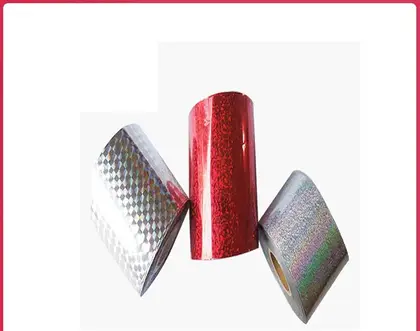
Matt lamination, spot gloss, embossing and hot stamping foil all change how the tag reads in the hand. Foil needs a substrate that it can key to, which is why foil for paper and foil for plastic are different products.
Plastic and Metal Alternatives
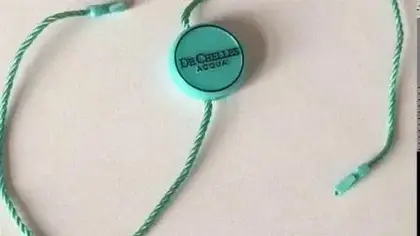
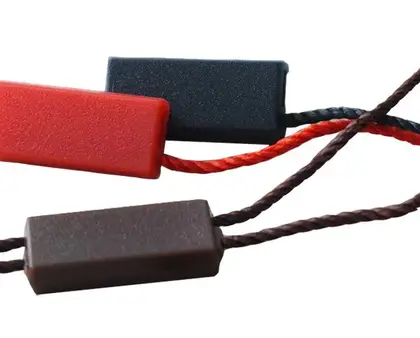
Moulded plastic and metal tags are used where the tag has to survive washing, outdoor storage or heavy handling. They carry embossed or printed logos and are usually attached with a seal or a pellet rather than a string.
Match the Attachment to the Fabric
A pellet leaves a small hole, so it suits woven and denim rather than fine knitwear. Strings and loops pass through an existing buttonhole or a tag hole and leave no mark.
Ranges Covered by This Guide
Open a range to see every item currently held.
Related Guides and Programmes
Where this topic connects to the rest of the trim order.
Questions on This Topic
Where can I see the hang tags and seal tags range?
Can you advise on a specification before I order?
Do you send samples so we can test?
Can the same artwork run across several trim types?
Apply This to Your Own Order
Send the item you are specifying with the quantity and packing you need, and the options are quoted against it.