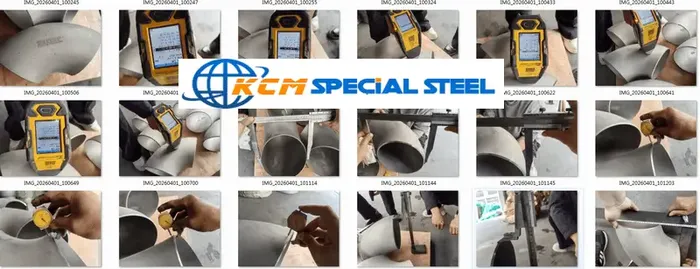
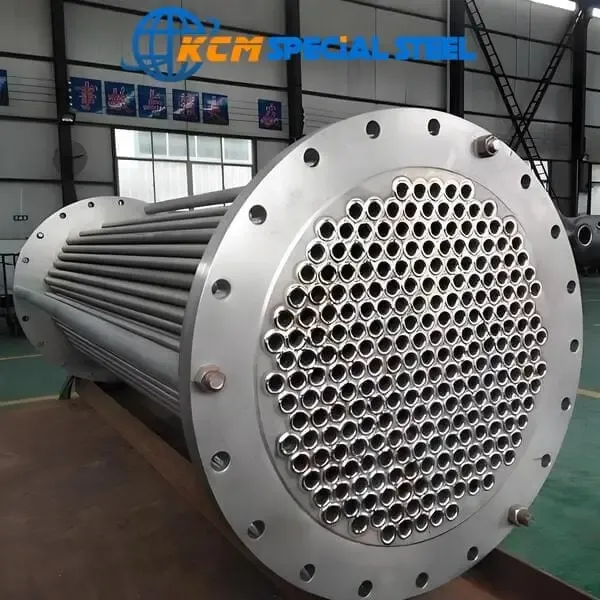
Explore Nickel Alloy 200 vs. Stainless Steel 200: Key Differences and Industrial Applications: Pipes, Fittings, Flanges, Plates,Sheets, Bars.
At first glance, Nickel Alloy 200 and Stainless Steel 200 appear similar due to their shared numerical designation. However, these materials differ drastically in composition, corrosion resistance, mechanical properties, and industrial uses. This article clarifies the confusion, providing a detailed comparison to aid engineers and procurement specialists in selecting the right material for their applications.
1.Nickel Alloy 200 vs. Stainless Steel 200 Material Composition and Chemical Properties
Nickel Alloy 200 (UNS N02200, ASTM B161)
- Primary Composition: ≥99% nickel, with trace amounts of iron (≤0.40%), copper (≤0.25%), and carbon (≤0.15%).
- Classification: A commercially pure nickel alloy, prized for its resistance to caustic alkalis and reducing acids.
Stainless Steel 200 (Misnomer – Corrected to Stainless Steel 201, UNS S20100, ASTM A240)
- Primary Composition:
- Chromium (Cr): 16–18%
- Nickel (Ni): 3.5–5.5%
- Manganese (Mn): 5.5–7.5% (replaces some nickel for cost reduction)
- Classification: A 200 Series austenitic stainless steel, designed as a cheaper alternative to 300 Series but with lower corrosion resistance.
Key Chemical Differences:
| Element | Nickel Alloy 200 | Stainless Steel 201 |
|---|---|---|
| Nickel (Ni) | ≥99% | 3.5–5.5% |
| Chromium (Cr) | <0.5% | 16–18% |
| Manganese (Mn) | <0.5% | 5.5–7.5% |
| Carbon (C) | ≤0.15% | ≤0.15% |
Key Insight: The 99% nickel content in Alloy 200 makes it vastly superior in alkaline environments, while Stainless Steel 201 relies on chromium and manganese for basic corrosion resistance.
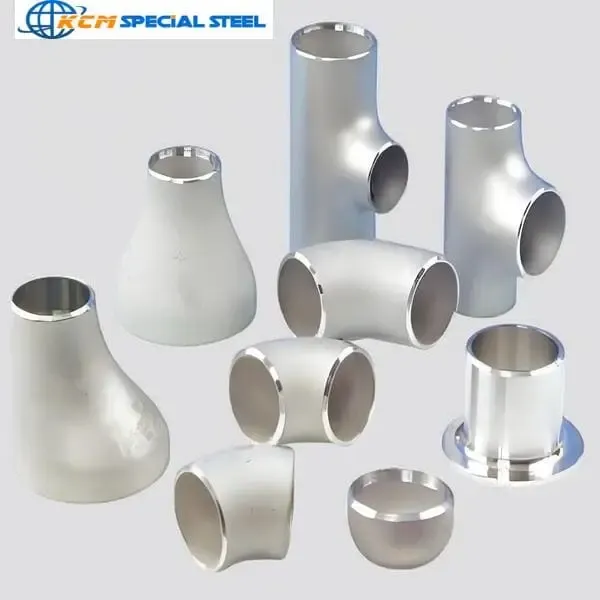 Nickel Alloy 200 vs. Stainless Steel 200: Pipe Fittings
2. Nickel Alloy 200 vs. Stainless Steel 200 Corrosion Resistance Comparison
Nickel Alloy 200 vs. Stainless Steel:
Nickel Alloy 200
Strengths:
Exceptional resistance to caustic alkalis (e.g., sodium hydroxide).
Performs well in reducing acids (e.g., sulfuric, hydrochloric acids).
Weaknesses:
Vulnerable to oxidizing acids (e.g., nitric acid).
Limited in high-temperature sulfur environments.
Stainless Steel 200
Strengths:
Resists mild acids and atmospheric corrosion.
Cost-effective alternative for non-critical applications.
Weaknesses:
Poor chloride resistance (prone to pitting and crevice corrosion).
Sensitization in welding, reducing corrosion resistance.
Real-World Example:
A Nickel 200 pipe in a sulfuric acid processing plant lasted 10+ years, while Stainless Steel 200 failed within 6 months due to chloride-induced pitting.
3.Nickel Alloy 200 vs. Stainless Steel 200 Mechanical and Physical Properties
Nickel Alloy 200 vs. Stainless Steel 200:
| Property | Nickel Alloy 200 | Stainless Steel 201 |
|---|---|---|
| Density (g/cm³) | 8.9 | 7.9 |
| Tensile Strength (MPa) | 270–480 | 515 |
| Yield Strength (MPa) | 60–170 | 275 |
| Elongation (%) | ≥30% | ≥40% |
| Thermal Conductivity (W/m·K) | 66.4 (high) | 16.3 (low) |
| Coefficient of Thermal Expansion (10⁻⁶/°C) | 13.4 | 17.5 |
Key Takeaway:
- Nickel 200 has higher thermal conductivity, making it ideal for heat exchangers.
- Stainless 201 has higher tensile strength but lower corrosion resistance.
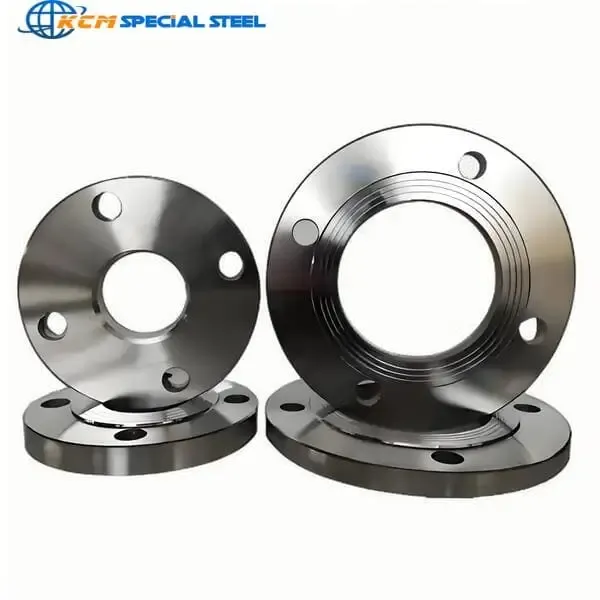 Nickel Alloy 200 vs. Stainless Steel 200: Flanges
4.Nickel Alloy 200 vs. Stainless Steel 200 Fabrication and Weldability
Nickel Alloy 200 vs. Stainless Steel 200 Pipe & Fittings:
Nickel Alloy 200 Piping & Fittings
- Welding: Requires low-hydrogen electrodes (e.g., ENiCu-7 filler metal).
- Machining: Difficult due to work-hardening; requires slow speeds and sharp tools.
- Common Products:
- Nickel 200 Pipe – Used in caustic fluid transport.
- Nickel 200 Flanges – High-pressure chemical applications.
- Nickel 200 Tube – Heat exchangers and reactors.
Stainless Steel 201 Piping & Fittings
- Welding: Prone to sensitization (carbide precipitation at grain boundaries).
- Machining: Easier than nickel alloys but still challenging due to work-hardening.
- Common Products:
- 200 Stainless Steel Pipe – Decorative, food processing (limited acid exposure).
- 200 Stainless Steel Flanges – Non-critical structural applications.
Industry Insight:
- Nickel 200 pipe fittings are 3–5x more expensive than Stainless 201, but their longer service life justifies the cost in corrosive environments.
5.Nickel Alloy 200 vs. Stainless Steel 200 Cost and Availability
Nickel Alloy 200 vs. Stainless Steel 200:
| Factor | Nickel Alloy 200 | Stainless Steel 201 |
|---|---|---|
| Material Cost | High (30–30–50/lb) | Low (2–2–5/lb) |
| Lead Time | Longer (specialty alloy) | Shorter (widely available) |
| Lifespan in Corrosive Environments | 10–20 years | 1–5 years |
Recommendation:
- Use Nickel 200 for high-corrosion applications.
- Use Stainless 201 for low-cost, non-critical uses.
6. Nickel Alloy 200 vs. Stainless Steel 200 Key Applications
Nickel Alloy 200 vs. Stainless Steel:
Nickel Alloy 200 Uses
- Chemical Processing: Reactors, pipelines for acids/alkalis.
- Food Industry: Sodium hydroxide handling.
- Electronics: High-purity nickel plating.
Stainless Steel 200 Uses
- Architectural: Decorative panels, handrails.
- Food Equipment: Exposed to mild acids (e.g., vinegar).
- Automotive: Exhaust components (non-critical).
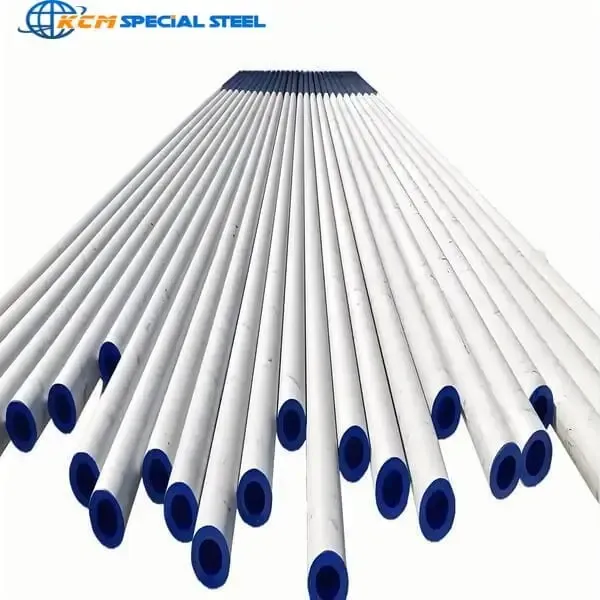 Pipe/Tube: Nickel Alloy 200 vs. Stainless Steel 200
7.Nickel Alloy 200 vs. Stainless Steel 200 Key Standards
Nickel Alloy 200 vs. Stainless Steel 200:
Executive Standards Comparison: Nickel Alloy 200 Pipe/Tube vs. Stainless Steel 200 Series Pipe/Tube
| Category | Nickel Alloy 20 0 (UNS N02200) | Stainless Steel 200 Series (e.g., 201/202) |
|---|---|---|
| Primary Standards | – ASTM B725-05: Welded pipe for corrosion service – ASME B163: Seamless/welded tubing – GB/T 2882-2023: Chinese standard for seamless pipes (6–110mm OD) | – ASTM A312/A213: General austenitic pipes (304-like, but no direct 200-series standard found) – GB/T 14976: Chinese welded pipes (no explicit 200-series match) |
| Chemical Composition | – Ni ≥ 99% – Fe ≤ 0.4%, C ≤ 0.15% – Mn ≤ 0.35%, Cu ≤ 0.25% | – Cr: 16–19% – Ni: 3.5–5.5% (low-Ni) – Mn: 5.5–10% (Ni substitute) – N ≤ 0.25%43 |
| Mechanical Properties | – Tensile: 450–550 MPa – Yield: 150–250 MPa – Elongation: 40–60% | – Tensile: ≥520 MPa (similar to 304) – Yield: ≥205 MPa – Elongation: ≥40% |
| Corrosion Resistance | Excellent in reducing media (alkalis, HCl). Poor in oxidizing acids (e.g., HNO₃) | Moderate in mild environments. Prone to pitting in chlorides (lower than 300-series) |
| Temperature Range | – Max service: ~600°C – Cryogenic: Down to -200°C | – Max service: ~300°C (lower than 304) – Cryogenic: Limited due to Mn content |
| Key Applications | – Chemical processing (NaOH, HF) – Food processing – Aerospace/vacuum systems | – Structural (non-critical) – Decorative – Low-corrosion environments |
| ISO Standards | – ISO 6207:1992 (historical, withdrawn) – DIN 17751 (German standard) | – ISO 2037: Hygienic tubing (indirect reference) – JIS G3459: Japanese standard (201/202) |
| Industry-Specific | – API 2B: Offshore piping (nickel alloys) | – GB/T 18704-2008: Structural composite pipes (China) |
| Testing Methods | – GB/T 228.1 (tensile) – GB/T 241 (hydraulic) – Eddy current testing (GB/T 2882-2023) | – ASTM E8 (tensile) – ASTM A262 (intergranular corrosion) – Hydrostatic testing |
Executive Standards Comparison: Nickel Alloy 200 vs. Stainless Steel 200 Pipe Fittings
| Category | Nickel Alloy 200 (UNS N02200) | Stainless Steel 200 Series (e.g., 201/202) |
|---|---|---|
| Primary Standards | – ASTM B366: Factory-made wrought nickel alloy fittings (butt-weld/socket weld) – ASTM B725-05: Welded pipe for corrosive service – ASME B163: Seamless/welded tubing – GB/T 2882-2023: Chinese seamless pipes (6–110mm OD) | – ASTM A403: Wrought austenitic stainless steel fittings (WP/CR grades) – ASTM A312/A213: General austenitic pipes (304-like proxies) – GB/T 14976: Chinese welded pipes (no explicit 200-series standard) |
| Chemical Composition | – Ni ≥ 99% – Fe ≤ 0.4%, C ≤ 0.15% – Mn ≤ 0.35%, Cu ≤ 0.25% | – Cr: 16–19% – Ni: 3.5–5.5% (low-Ni) – Mn: 5.5–10% (Ni substitute) – N ≤ 0.25% |
| Mechanical Properties | – Tensile: 450–550 MPa – Yield: 150–250 MPa – Elongation: 40–60% | – Tensile: ≥520 MPa (similar to 304) – Yield: ≥205 MPa – Elongation: ≥40% |
| Corrosion Resistance | Excellent in reducing media (alkalis, HCl). Poor in oxidizing acids (e.g., HNO₃) | Moderate in mild environments. Prone to pitting in chlorides (lower than 300-series) |
| Temperature Range | – Max service: ~600°C – Cryogenic: Down to -200°C | – Max service: ~300°C (lower than 304) – Cryogenic: Limited due to Mn content |
| Testing Methods | – Eddy current testing (ASTM B366) – Hydrostatic testing (GB/T 241) – Tensile (GB/T 228.1) | – Hydrostatic testing (ASTM A312) – Intergranular corrosion (ASTM A262) – Visual inspection10 |
| Key Applications | – Chemical processing (NaOH, HF) – High-vacuum systems – Aerospace components | – Low-pressure fluid transport – Decorative structures – Non-critical industrial uses |
| Special Requirements | – Low magnetic permeability (for electronics) – Mandatory heat treatment for stress relief | – Limited to low-corrosion environments – Not recommended for high-pressure/temperature applications |
| Regional Standards | – DIN 17751: German standard for nickel alloys36 – ISO 6207: Historical reference | – JIS G3459: Japanese standard (201/202) |
Executive Standards Comparison: Nickel Alloy 200 vs. Stainless Steel 200 Flanges
| Category | Nickel Alloy 200 (UNS N02200) | Stainless Steel 200 Series (e.g., 201/202) |
|---|---|---|
| Primary Standards | – ASTM B366: Factory-made wrought nickel alloy fittings (butt-weld/socket weld) – ASME B16.5: Flange dimensions and pressure ratings – DIN 17751: German standard for nickel alloy pipes | – ASTM A182: Standard Specification for Forged or Rolled Alloy and Stainless Steel Pipe Flanges, Forged Fittings, and Valves and Parts for High-Temperature Service – ASME B16.5: Flange dimensions and pressure ratings – ASTM B16.47: Standard Specification for Large Diameter Steel Flanges NPS 26 Through NPS 60 (Metric/Inch) |
| Chemical Composition | – Ni ≥ 99.6% – Fe ≤ 0.4%, C ≤ 0.15% – Mn ≤ 0.35%, Cu ≤ 0.25% | – Cr: 16–19% – Ni: 3.5–5.5% (low-Ni) – Mn: 5.5–10% (Ni substitute) – N ≤ 0.25% |
| Mechanical Properties | – Tensile: 450–550 MPa – Yield: 150–250 MPa – Elongation: 40–60%25 | – Tensile: ≥520 MPa (similar to 304) – Yield: ≥205 MPa – Elongation: ≥40% |
| Corrosion Resistance | Excellent in reducing media (alkalis, HCl). Poor in oxidizing acids (e.g., HNO₃) | Moderate in mild environments. Prone to pitting in chlorides (lower than 300-series) |
| Temperature Range | – Max service: ~600°C – Cryogenic: Down to -200°C | – Max service: ~300°C (lower than 304) – Cryogenic: Limited due to Mn content |
| Testing Methods | – Eddy current testing (ASTM B366) – Hydrostatic testing (GB/T 241) – Tensile (GB/T 228.1) | – Hydrostatic testing (ASTM A312) – Intergranular corrosion (ASTM A262) – Visual inspection |
| Key Applications | – Chemical processing (NaOH, HF) – High-vacuum systems – Aerospace components | – Low-pressure fluid transport – Decorative structures – Non-critical industrial uses |
| Special Requirements | – Low magnetic permeability (for electronics) – Mandatory heat treatment for stress relief | – Limited to low-corrosion environments – Not recommended for high-pressure/temperature applications |
| Regional Standards | – DIN 17751: German standard for nickel alloys – ISO 6207: Historical reference | – JIS G3459: Japanese standard (201/202) – EN 10253-4: European austenitic fittings |
Conclusion- Difference Between Nickel 200 and Stainless Steel 200: Pipes, Fittings, Flanges, Plates
Nickel Alloy 200 vs. Stainless Steel, Despite their similar numerical names, Nickel Alloy 200 and Stainless Steel 200 are fundamentally different materials. Alloy 200 is the superior choice for aggressive chemical environments, while Stainless 200 is a budget-friendly but less durable alternative. Engineers must evaluate corrosion resistance, mechanical strength, and lifecycle costs before selecting the appropriate material.
Final Advice:
- Always verify ASTM/ASME standards (e.g., ASTM B161 for Nickel 200, ASTM A240 for 200).
- Consult a material specialist before procurement to avoid costly mistakes.
References
- ASTM B161 – Standard Specification for Nickel and Nickel Alloy Seamless Pipe.
- ASTM A240 – Standard Specification for Chromium and Chromium-Nickel Stainless Steel Plate.
- ASTM A312/A213: Standard Specification for Seamless and Welded Austenitic Stainless Steel Pipes