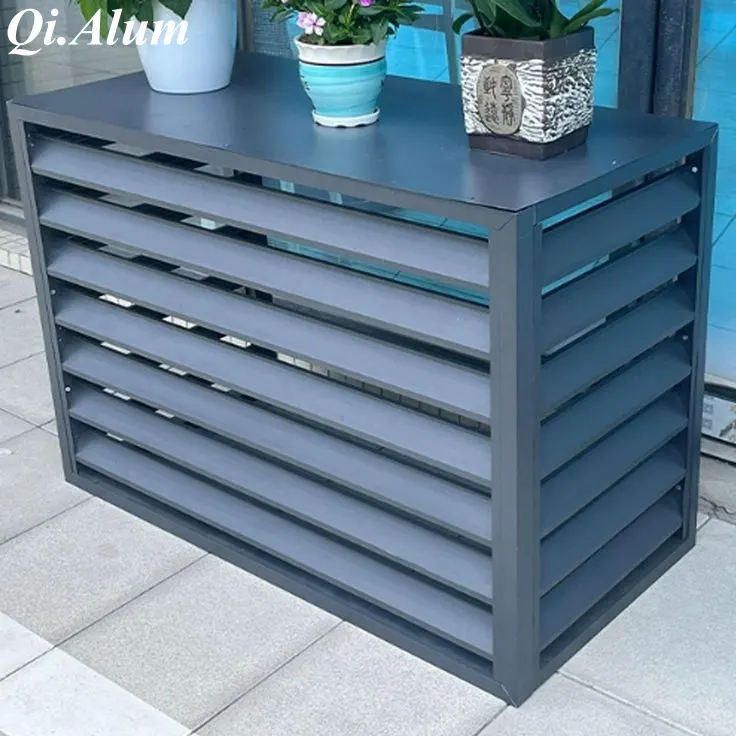
In the realm of modern architecture and home maintenance, aluminum air conditioning covers have emerged as a vital component for safeguarding AC units while enhancing aesthetic appeal. Whether for residential homes, commercial buildings, or industrial spaces, these covers blend durability, functionality, and design versatility to meet diverse needs. Here’s why aluminum AC covers are the preferred choice for architects, developers, and homeowners worldwide.
Why Choose Aluminum Air Conditioning Covers? Core Benefits
1.
Unmatched Durability for Long-Term Protection
Crafted from high-grade aluminum alloys (such as 3003 or 5052), these covers are:
Weather-Resistant
: PVDF or powder-coated finishes provide 25+ years of protection against UV rays, salt air, and extreme temperatures (tested in tropical climates like Thailand and coastal regions).
Structurally Robust
: 1.5–4.0mm thickness with reinforced edges withstand wind loads up to 240 km/h and impact from debris.
Corrosion-Proof
: Anodized treatments or anti-oxidation coatings prevent rust, ideal for humid environments.
2.
Energy Efficiency & Cost Savings
Heat Insulation
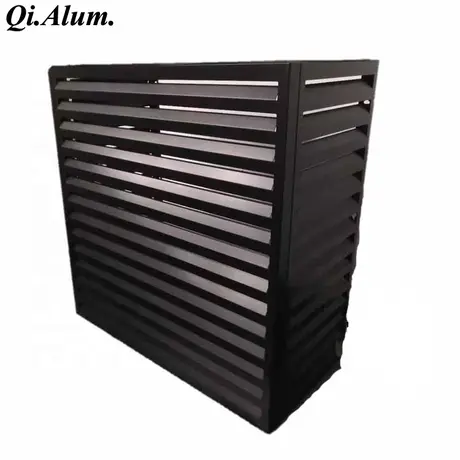
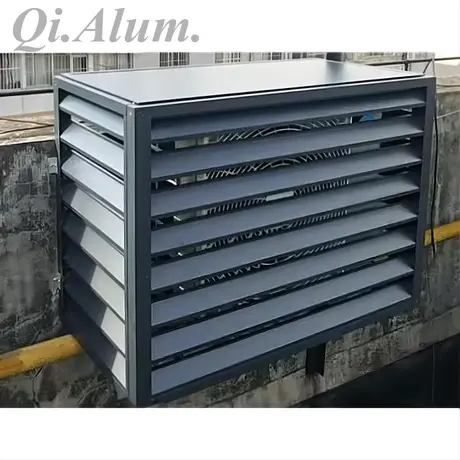
: Perforated or louvered designs allow airflow while reducing direct sunlight exposure, lowering AC unit temperature by 10–15°C and energy consumption by 12%.
Noise Reduction
: Embossed or honeycomb structures absorb mechanical noise, creating quieter outdoor spaces.
3.
Aesthetic Versatility for Any Design Vision
Customizable Finishes
: Choose from RAL/NCS color systems, brushed metallics, or wood-grain textures to match building exteriors.
Design Flexibility
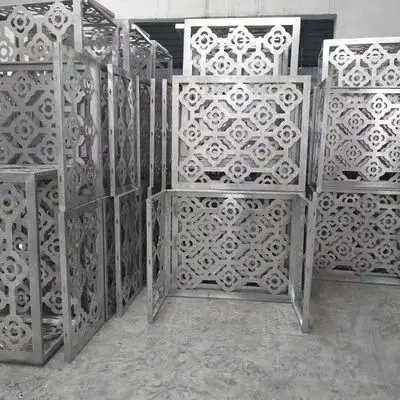
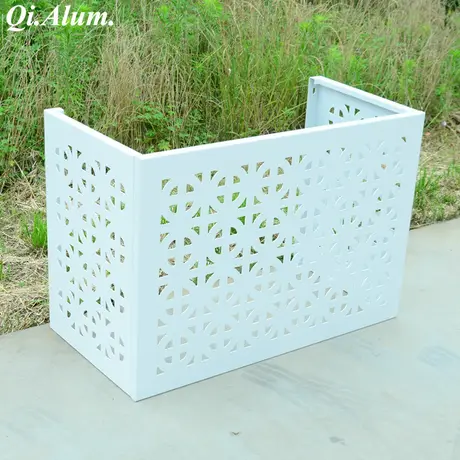
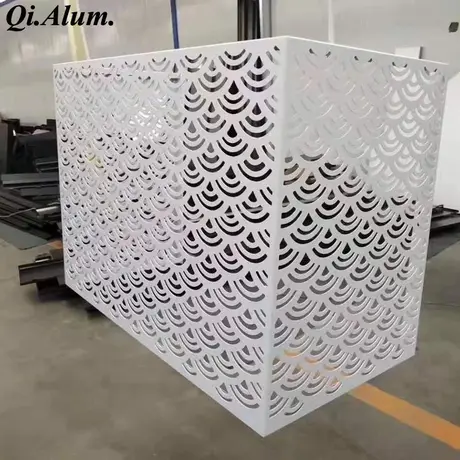
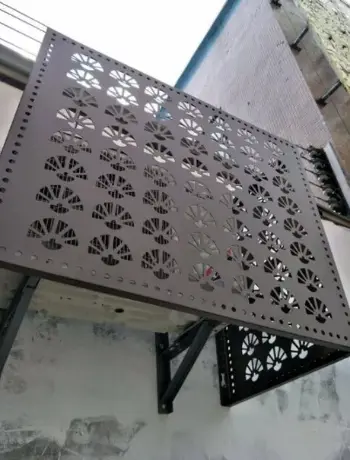
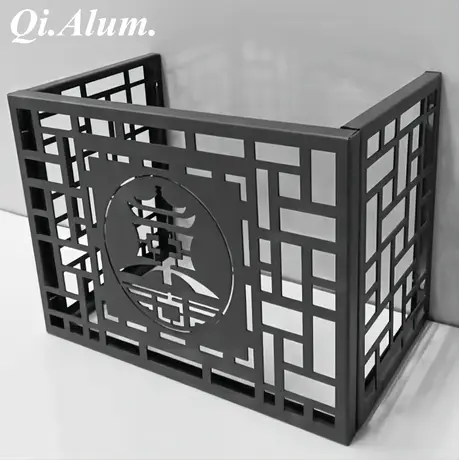
: Grid, slat, floral, or geometric patterns transform covers into decorative elements—perfect for modern villas, retail facades, or urban apartments.
Technical Excellence: Materials and Engineering
Premium Materials at Work
Aluminum Alloy Base
: 3003-H24 alloy offers a balance of formability and strength, while 5052-H32 is ideal for marine environments.
Surface Treatments
PVDF Coating
: 2–3 layer systems (primer + color + clear coat) ensure fade resistance (tested via 1,000-hour QUV exposure).
Anodization
: Creates a hard oxide layer (20–25μm thickness) for scratch resistance.
Innovative Structural Designs
Perforated Panels
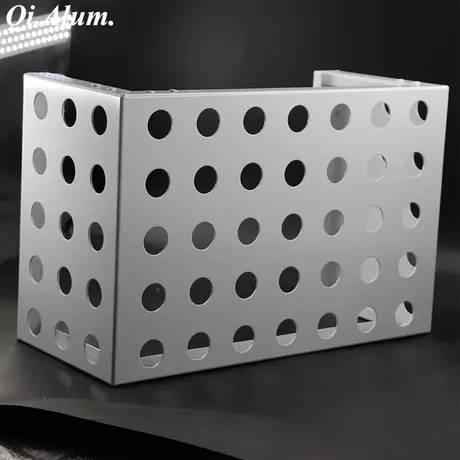
: 15–60% open area for optimal ventilation, with hole sizes 1–50mm (often with 翻边 /hemmed edges for safety).
Modular Systems
: Snap-fit or boltless designs allow easy installation and maintenance, reducing labor costs by 40%.
Anti-Theft Features
: Hidden fasteners, welded frames, or lockable panels deter vandalism in commercial settings.
Applications: Where Aluminum AC Covers Excel
1. Residential Projects
Balcony & Rooftop Units
: Sleek covers blend with condo exteriors, protecting units from debris while enhancing balcony aesthetics.
Single-Family Homes
: Custom-colored covers match siding or roofing, such as bronze-finished covers for Mediterranean-style villas.
2. Commercial & Hospitality
Hotels & Retail
: Decorative lattice designs create branded facades—e.g., a luxury hotel in Bangkok using perforated aluminum covers with the brand logo pattern.
Office Buildings
: Heavy-duty covers on rooftop AC arrays withstand industrial use, with noise-reduction features for nearby windows.
3. Industrial & Public Spaces
Data Centers & Factories
: Corrosion-resistant covers in coastal areas (e.g., Singapore ports) protect critical AC systems.
Transportation Hubs
: Airport or train station AC units shielded by fire-retardant aluminum covers (compliant with ASTM E84 Class A).
Sustainability: Eco-Friendly by Design
Recycled Content
: Made with 70–90% post-industrial recycled aluminum, reducing carbon footprint by 60% vs. steel covers.