Design and Drawing Confirmation
Requirement Communication
3D Modeling
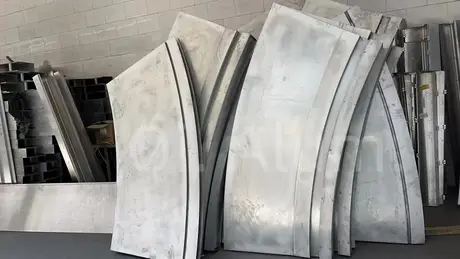
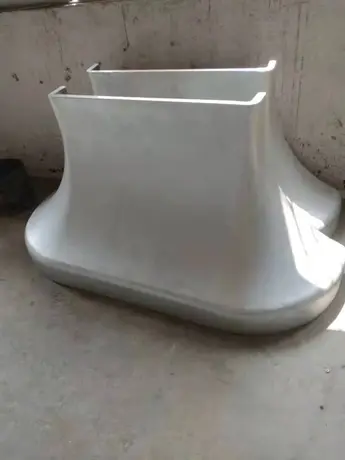
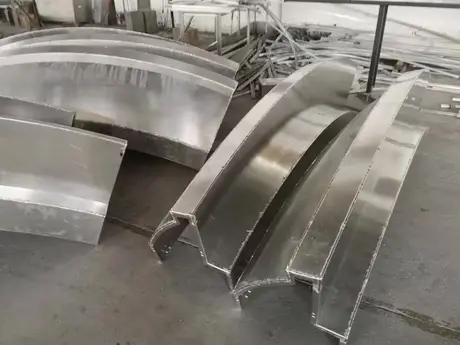
: Utilize professional 3D design software (such as Rhino, 3ds Max, etc.) to create an accurate 3D model of the double – curved aluminum plate according to the project requirements. During the modeling process, precisely adjust various parameters of the double – curved aluminum plate to ensure that its shape and size meet the design intention.
Drawing Preparation
: Generate detailed 2D engineering drawings based on the 3D model, marking key dimensions, tolerance ranges, processing requirements, surface treatment information, etc. The drawings need to be reviewed and confirmed by multiple parties to ensure accuracy and serve as the basis for subsequent processing.
Raw Material Procurement and Inspection
Material Selection
: Select appropriate aluminum alloy materials according to the usage requirements and performance characteristics of double – curved aluminum plates. Common materials include 3003, 5052, 6061, etc. Consider factors such as material strength, hardness, corrosion resistance, and machinability to ensure that the materials can meet the processing and usage requirements.
Quality Inspection
: Conduct strict quality inspections on the purchased aluminum alloy plates, including checking whether the specifications and dimensions, flatness, chemical composition, mechanical properties, etc. of the plates meet the standard requirements. Use professional testing equipment and methods, such as calipers for measuring dimensions, spectrometers for detecting chemical composition, and universal testing machines for testing mechanical properties, etc., to ensure the quality of raw materials is qualified.
Cutting and Blanking
Cutting Programming
: According to the dimensional requirements of the engineering drawings, use CNC cutting programming software to convert the cutting path of the double – curved aluminum plate.