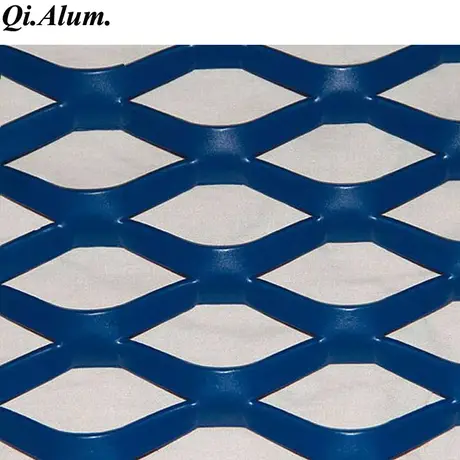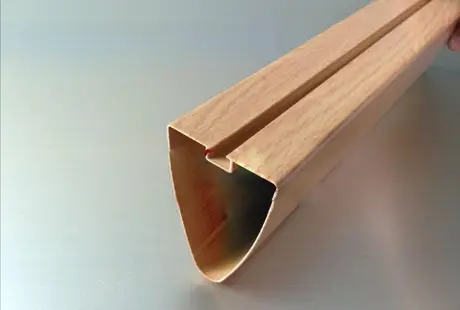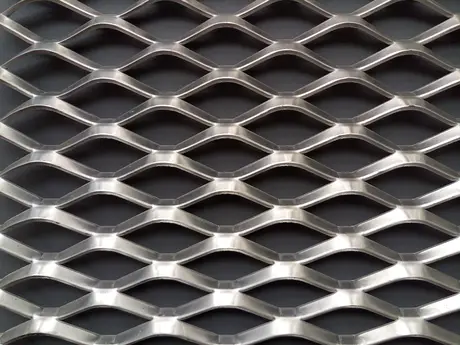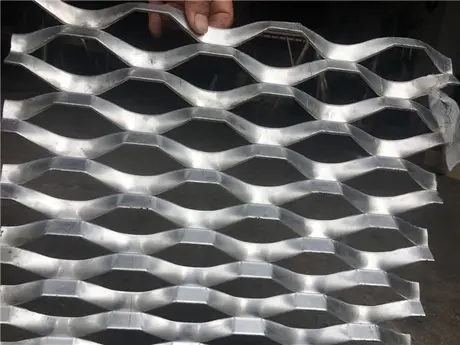
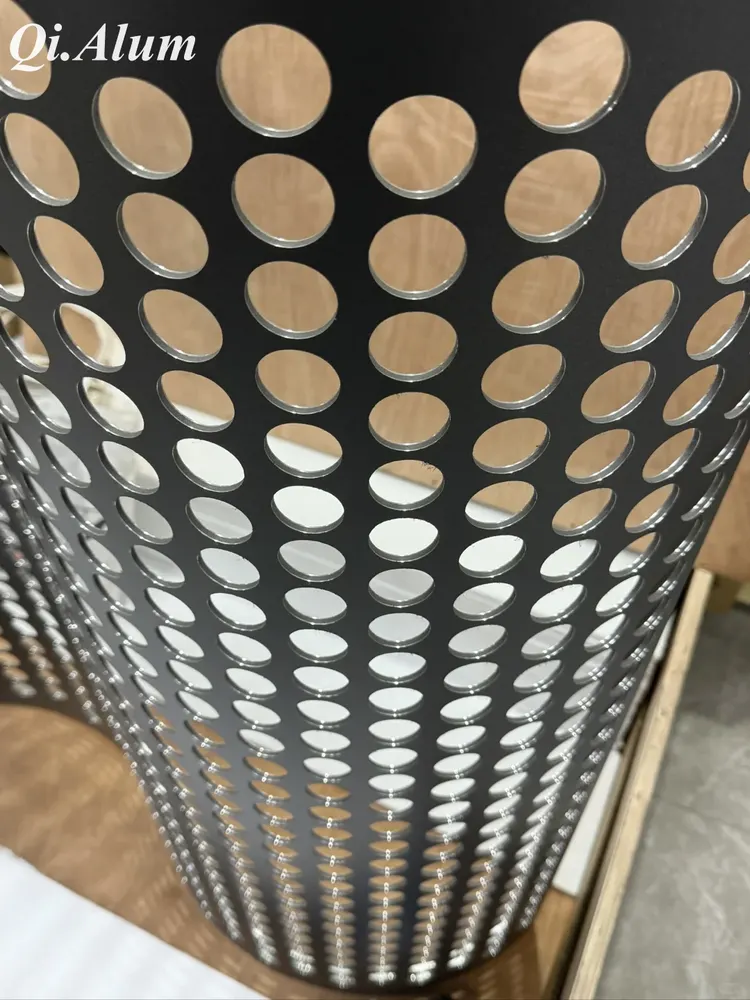
Manufacturing Process
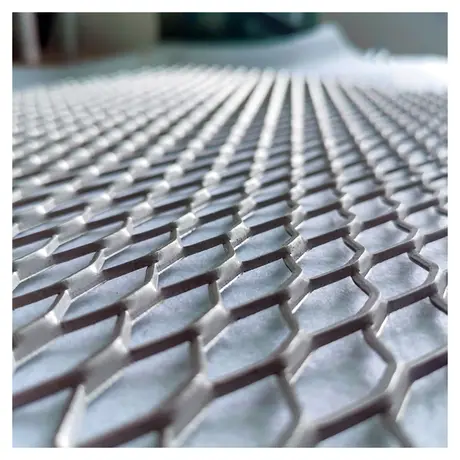
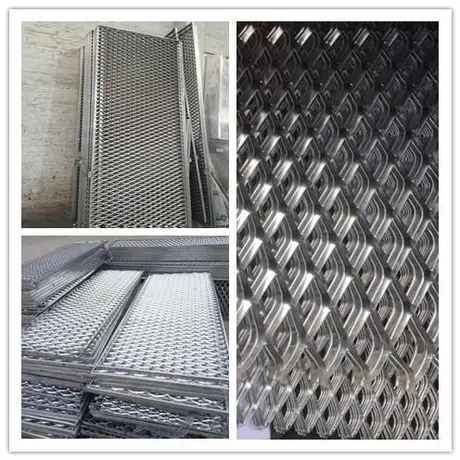
The production of aluminum wave perforated panels involves advanced techniques to achieve both form and function:
Material Selection
: High-purity aluminum alloys are chosen for their lightweight properties (1.5–3mm thickness) and corrosion resistance, with 6061 offering superior strength for structural applications.
Wave Formation
Roll Forming
: Sheets are passed through rollers to create consistent wave patterns, ideal for large-scale projects.
Press Braking
: Custom bends and curves are achieved using hydraulic presses, enabling intricate designs.
Perforation Techniques
CNC Punching
: High-speed machines create uniform holes (0.5–3cm diameter) with precise spacing, ensuring structural integrity.
Laser Cutting
: Used for complex or irregular patterns, offering micron-level accuracy.
Surface Treatment
Anodizing
: Enhances corrosion resistance and provides a matte finish.
PVDF Coating
: UV-resistant fluorocarbon coatings (AAMA 2605-certified) ensure color retention and durability in harsh environments.
Key Features
Lightweight yet Robust
: Weighing 30–50% less than traditional materials like steel, these panels reduce structural load while maintaining high impact resistance.
Acoustic Performance
: Perforations combined with backing materials (e.g., mineral wool) achieve noise reduction coefficients (NRC) of 0.6–0.9, making them ideal for auditoriums and transit hubs.
Thermal Efficiency
: The wave design creates air pockets that improve insulation, reducing energy consumption by up to 20% in buildings.
Design Flexibility
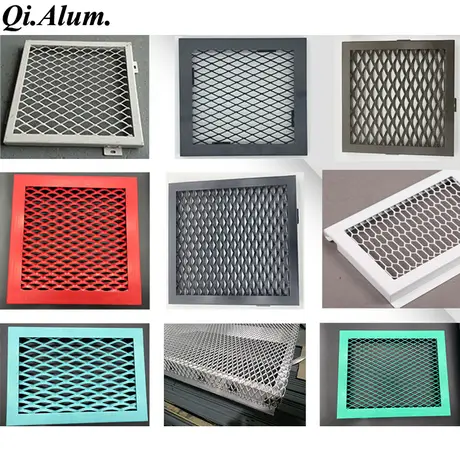
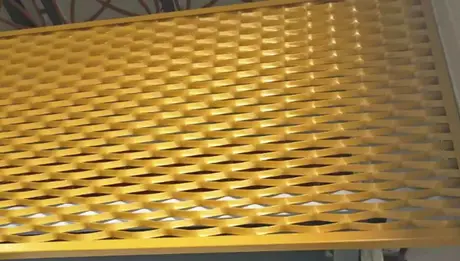
: Customizable wave heights (10–100mm) and perforation patterns (diamond, hexagonal, random) allow for creative expression in facades, ceilings, and partitions.
Applications
Architectural Facades
Dynamic Façades
: Used in high-rise buildings (e.g., Shanghai Tower) to create kinetic light effects as sunlight filters through perforations.
Sustainable Design
: Integrated with solar panels or green walls for energy-efficient, eco-friendly structures.
Interior Design
Acoustic Baffles
: Installed in offices and conference rooms to minimize reverberation.
Decorative Screens
: Add visual interest while maintaining privacy in hotels and retail spaces.
Industrial Use
Ventilation Systems
: Perforations enable airflow in factories and data centers.
Safety Guards
: Corrugated profiles enhance impact resistance in machinery enclosures.
Market Trends
The global aluminum wave perforated panel market is projected to grow at a CAGR of 8.2% from 2024 to 2030, driven by:
Sustainability Demands
: Recyclable aluminum content (up to 95%) and energy-efficient designs align with green building certifications (LEED, BREEAM).
Technological Advancements
: AI-driven parametric design tools allow architects to simulate light and airflow patterns before production.
Regional Growth
: Asia-Pacific dominates production (65% share), while Europe and North America lead in innovative applications.
Case Studies
Chuncheon Lake Observatory, South Korea