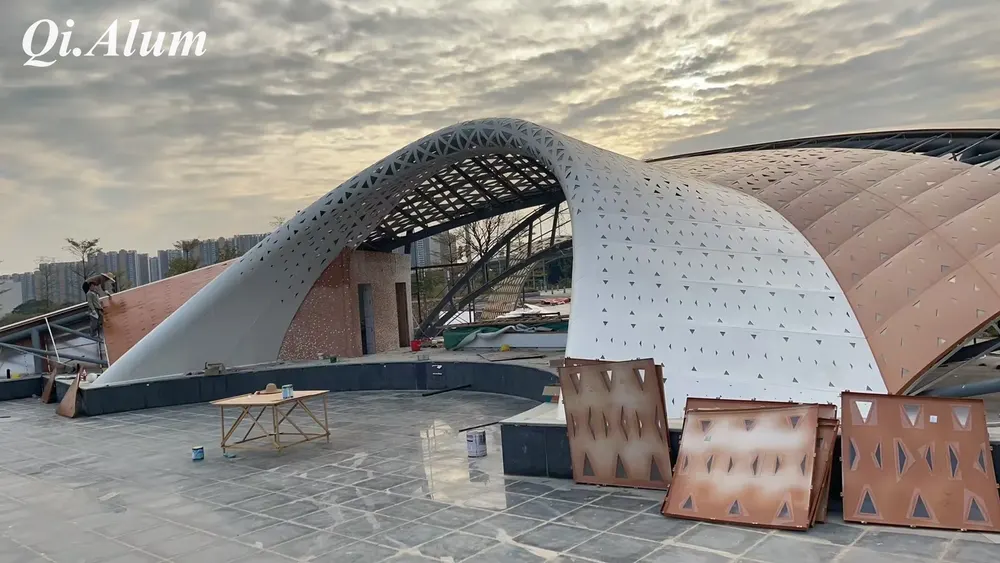
In the realm of modern outdoor architecture,
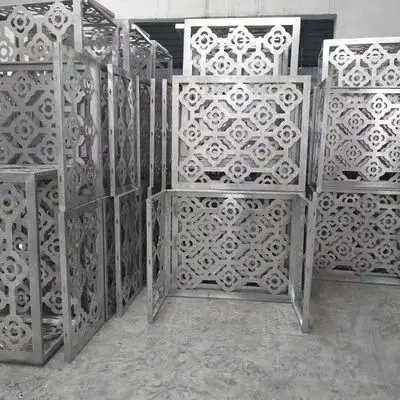
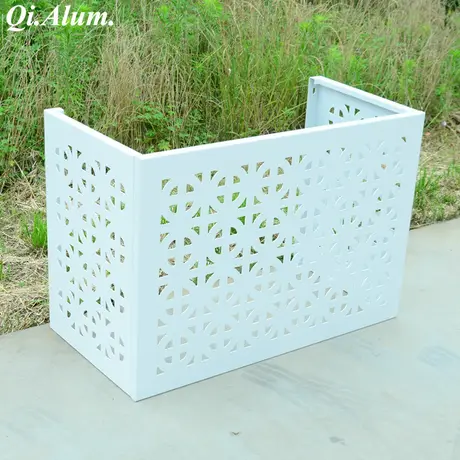
aluminum perforated panels
Material Excellence for Harsh Outdoor Environments
Aluminum’s inherent properties make it ideal for outdoor applications:
Corrosion Resistance
: A natural oxide layer protects against moisture, UV radiation, and salt-laden air, with surface treatments like
PVDF powder coating
(AAMA 2605-certified) extending lifespan to over 25 years in coastal or industrial zones.
Lightweight Strength
: At just 1/3 the weight of steel, panels reduce structural load while maintaining tensile strength (up to 210 MPa), enabling large-scale installations like the curved facades of the Dubai Expo 2020 pavilions.
Thermal Stability
: Resistance to extreme temperatures (-40°C to 80°C) ensures dimensional stability, critical for climates with wide thermal fluctuations.
Design Versatility: From Functional Facades to Artistic Landmarks
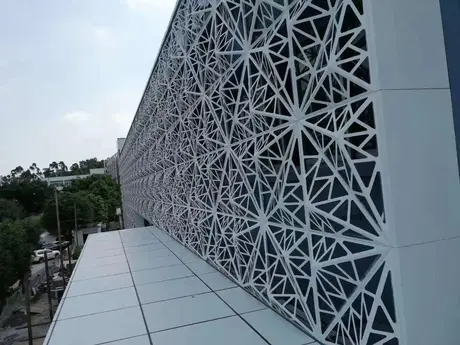
Architectural Facades: Dynamic Skin for Modern Buildings
Sunshading & Energy Efficiency
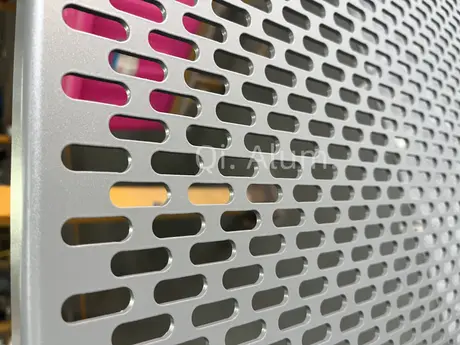
: Perforations (10–40% open area) filter direct sunlight, reducing solar heat gain by up to 30% and minimizing HVAC loads. For example, the Louvre Abu Dhabi’s iconic dome uses aluminum perforated panels to create a “rain of light” effect while shading interiors.
Visual Storytelling
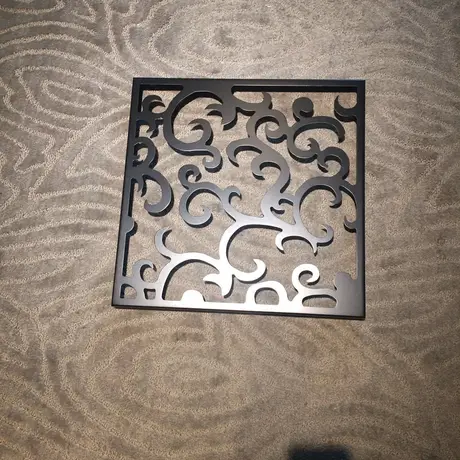
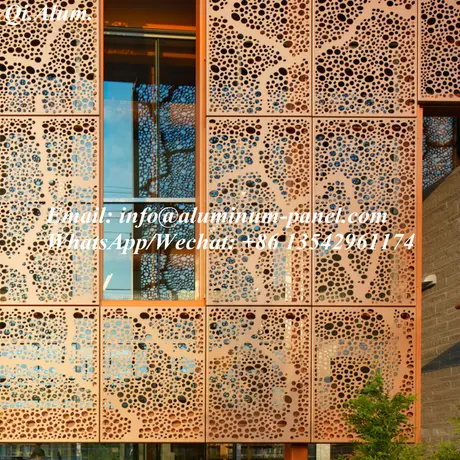
: Custom patterns—from geometric grids to organic motifs (e.g., leaf or water droplet shapes)—reflect cultural or site-specific narratives. The National Kaohsiung Center for the Arts in Taiwan employs wave-like perforations to mimic the fluidity of nearby rivers.
Landscape & Urban Installations
Shade Structures & Pavilions
: Perforated panels form lightweight canopies for parks and plazas, such as the Serpentine Pavilion in London, where laser-cut aluminum provides dappled shade while enhancing airflow.
Security & Privacy
: Perforated fences and screens (3–10mm hole diameters) balance visibility and protection in urban spaces, like the perforated aluminum barriers at the Sydney Opera House forecourt, which deter vandalism without compromising views.
Sustainable Urban Solutions
Green Infrastructure Integration
: Panels support vertical gardens and photovoltaic systems, as seen in Singapore’s “Supertrees,” where perforated aluminum frames host air plants and solar panels, merging sustainability with sculptural design.
Acoustic Mitigation
: In transit hubs or highways, perforated panels paired with sound-absorbing backing reduce noise pollution, meeting standards like EN 1793-1 for traffic noise control.
Technical Innovation in Outdoor Applications
Advanced Manufacturing
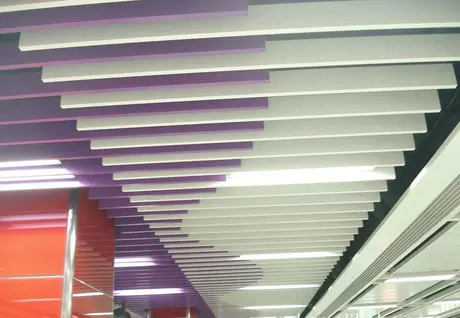
: CNC punching and laser cutting achieve micron-level precision for complex patterns, while roll-forming creates curved or corrugated profiles (e.g., 50mm wave height) for dynamic textures.
Modular Systems
: Clip-and-lock installations simplify on-site assembly, reducing labor costs by 20–30% compared to traditional cladding materials.
Weather-Resistant Finishes
: Anodized coatings (25μm thickness) or fluorocarbon paints ensure colorfastness, with RAL color matching available for seamless integration with architectural palettes.
Case Study: The Edge, Amsterdam
The Edge, dubbed the “world’s most sustainable office building,” utilizes aluminum perforated panels for its adaptive facade. Panels with variable perforation density adjust sunlight entry based on occupancy sensors, optimizing natural light while reducing energy use by 70%. The panels’ marine-grade 5052 alloy resists Amsterdam’s humid climate, exemplifying how technical innovation drives both performance and aesthetics.
Why Choose Aluminum Perforated Panels for Outdoor Design?
Longevity
: Minimal maintenance and resistance to fading, rust, or warping.
Design Freedom
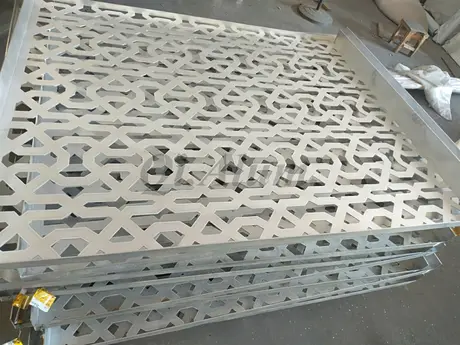
: Unlimited customization of hole size, pattern, and surface finish.
Sustainability
: 100% recyclable material with a low carbon footprint (85% less energy than steel production).
Compliance
: Meets global standards like ISO 9001, CE, and AS/NZS 1594 for structural integrity and weather performance.
Future Trends: Smart Panels and Climate Adaptation
As climate resilience becomes critical, aluminum perforated panels are evolving to include:
Adaptive Systems
: Integration with sensors to adjust perforation openness for real-time ventilation or solar control.
Bio-Inspired Design
: Mimicking natural patterns (e.g., fractals or fish scales) for enhanced aerodynamics and self-cleaning properties.
Circular Economy Models
: Use of recycled aluminum (up to 95% post-consumer content) in panel production.
Conclusion
Aluminum perforated panels have transcended mere building materials to become symbols of outdoor design ingenuity. Their ability to withstand harsh environments while enabling creative expression makes them indispensable for contemporary architects and urban planners. As cities prioritize sustainability and resilience, these panels will continue to shape the future of outdoor spaces—where functionality, beauty, and environmental responsibility coexist seamlessly.