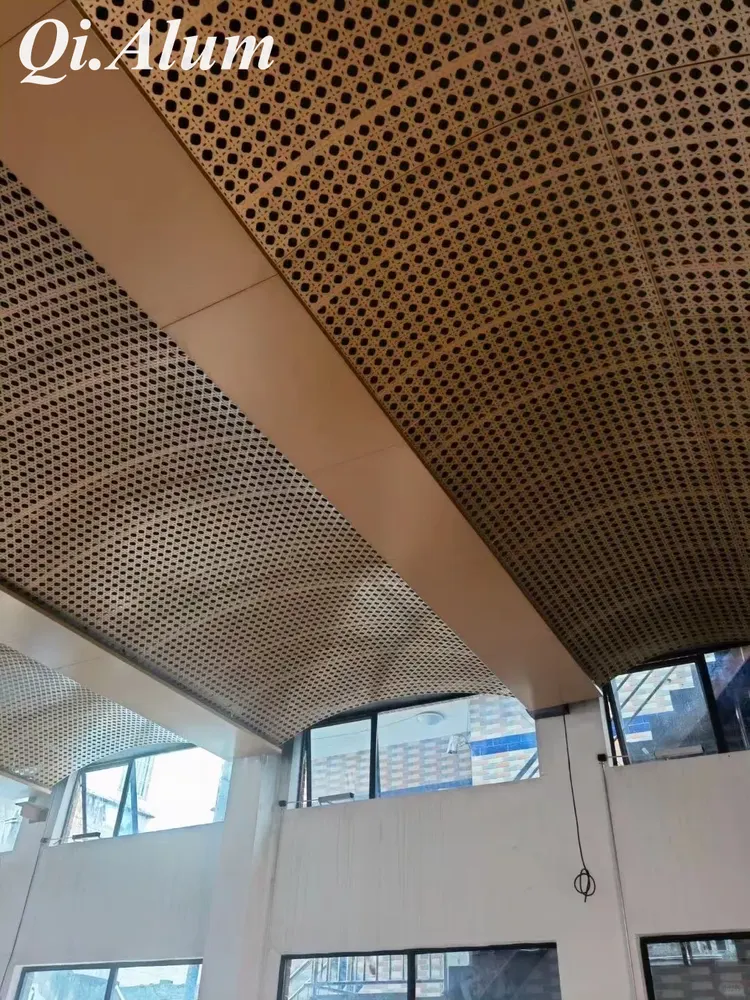
Material Properties and Manufacturing Excellence
Alloy Selection
Aluminum alloys like 3003 (corrosion-resistant), 5052 (marine-grade durability), and 6061 (high strength-to-weight ratio) are chosen based on application needs. These alloys ensure longevity, with salt spray test results exceeding 2,000 hours and resistance to extreme temperatures (-50°C to 80°C) .
Perforation Techniques
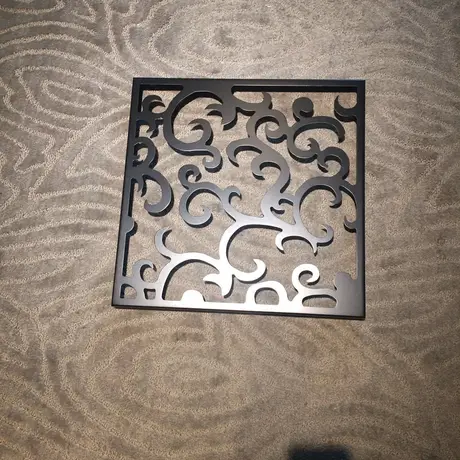
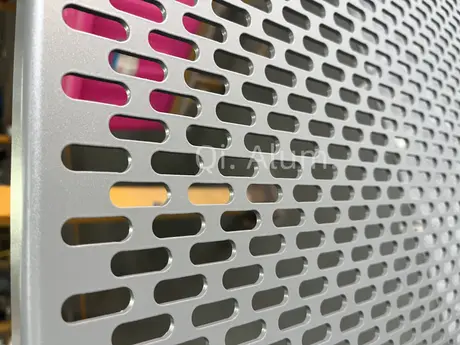
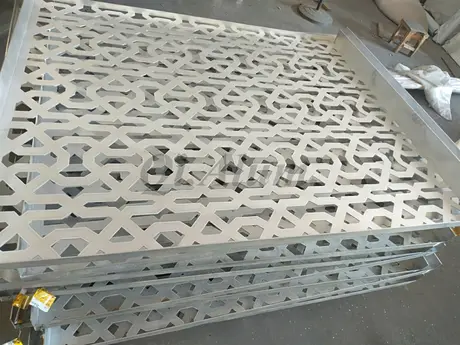
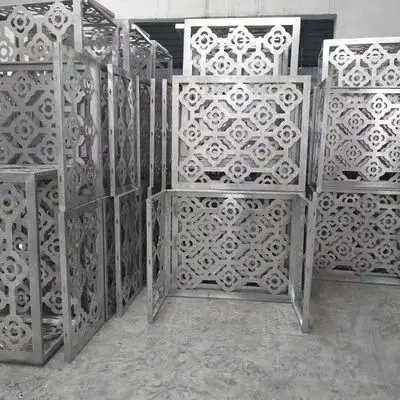
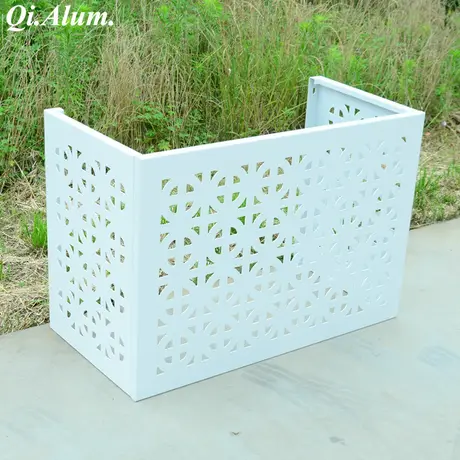
CNC punching and laser cutting create intricate patterns (e.g., hexagonal, circular, or custom shapes) with precision. Laser-cut panels achieve clean edges and complex geometries, while CNC punching offers cost-effective mass production .
Surface Finishes
Anodizing and powder coating enhance durability and aesthetics. Fluorocarbon (PVDF) coatings provide 25+ years of UV resistance, ensuring color retention and low maintenance .
Key Applications
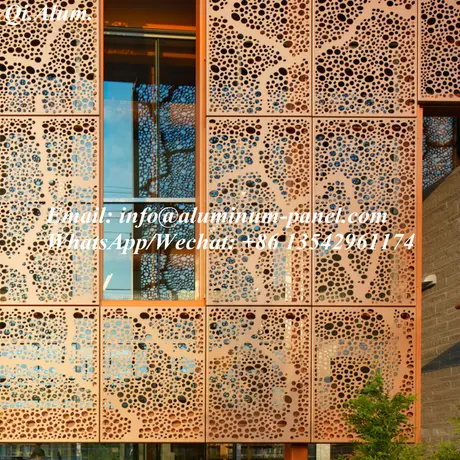
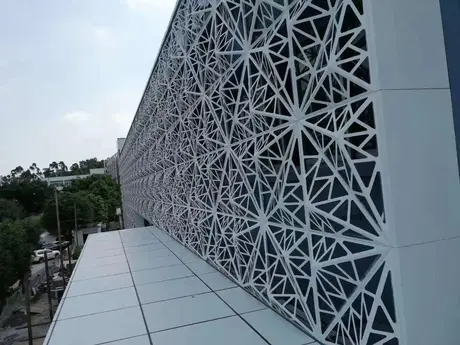
Architectural Facades
Sustainable Design
: Panels filter sunlight, reduce glare, and improve thermal insulation. For example, the Fudan University canteen uses perforated aluminum for energy-efficient natural lighting .
Visual Impact
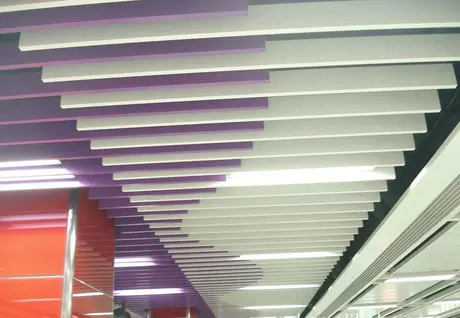
: Wave-shaped panels (e.g., 120mm wave height) add dynamic texture, as seen in the Longhua Government parking facility’s facade .
Interior Spaces
Acoustic Control
: Perforations combined with sound-absorbing materials (e.g., mineral wool) achieve Noise Reduction Coefficients (NRC) of 0.65–0.92, ideal for auditoriums and open offices .
Decorative Elements
: Laser-cut panels create artistic room dividers and ceiling installations, as showcased in Tokyo’s Shin-Marunouchi Building .
Industrial and Outdoor Use
Ventilation Systems
: Panels with 15–30% perforation rates optimize airflow in factories and data centers .
Safety Barriers
: Perforated screens protect machinery while maintaining visibility .
Advantages Over Traditional Materials
Lightweight and Durable
Aluminum’s low density (1/3 of steel) reduces structural load, while its corrosion resistance eliminates rust concerns .
Design Flexibility
Customizable wave profiles, perforation patterns, and colors (e.g., matte blacks, metallic finishes) cater to diverse architectural visions .
Sustainability
Recyclable aluminum (95% recovery rate) and energy-efficient production align with green building certifications like LEED .
Cost-Effective
Lower installation costs (due to lightweight) and minimal maintenance offset initial expenses .
Technical Innovations
Dynamic Systems
Integrating smart materials (e.g., PET wind-driven panels) allows adaptive airflow and energy savings .
Acoustic Solutions
Aluminum honeycomb cores with perforated faces achieve high sound absorption, making them ideal for concert halls .
Industry Standards and Future Trends
Aluminum perforated panels comply with global standards like ISO 10630 and GB/T 19360-2003, ensuring quality and safety . Future developments focus on eco-friendly coatings, modular designs, and AI-driven perforation patterns for personalized aesthetics.
Conclusion
Aluminum perforated panels exemplify the fusion of form and function. Their lightweight durability, design versatility, and sustainability make them indispensable in contemporary architecture, driving innovation in both urban and industrial landscapes.