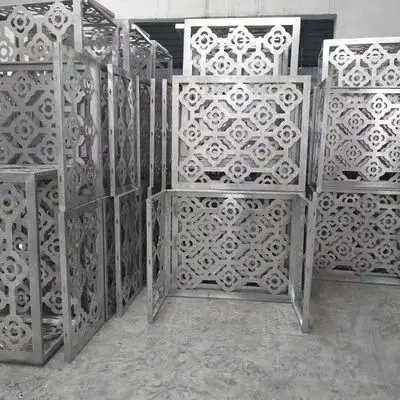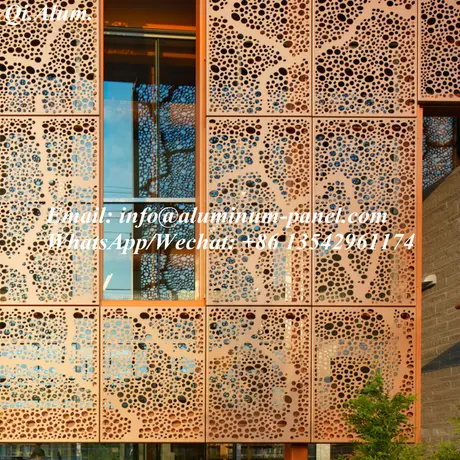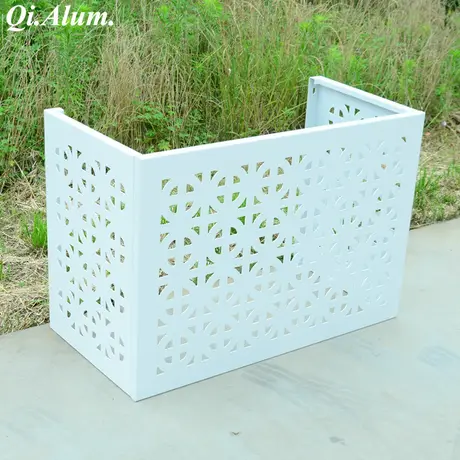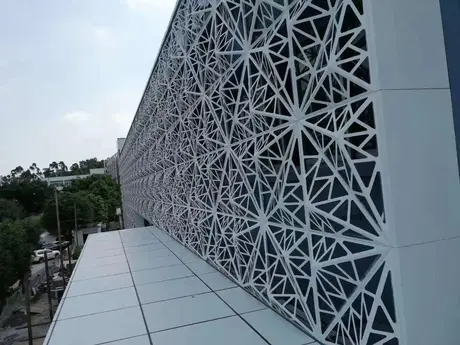
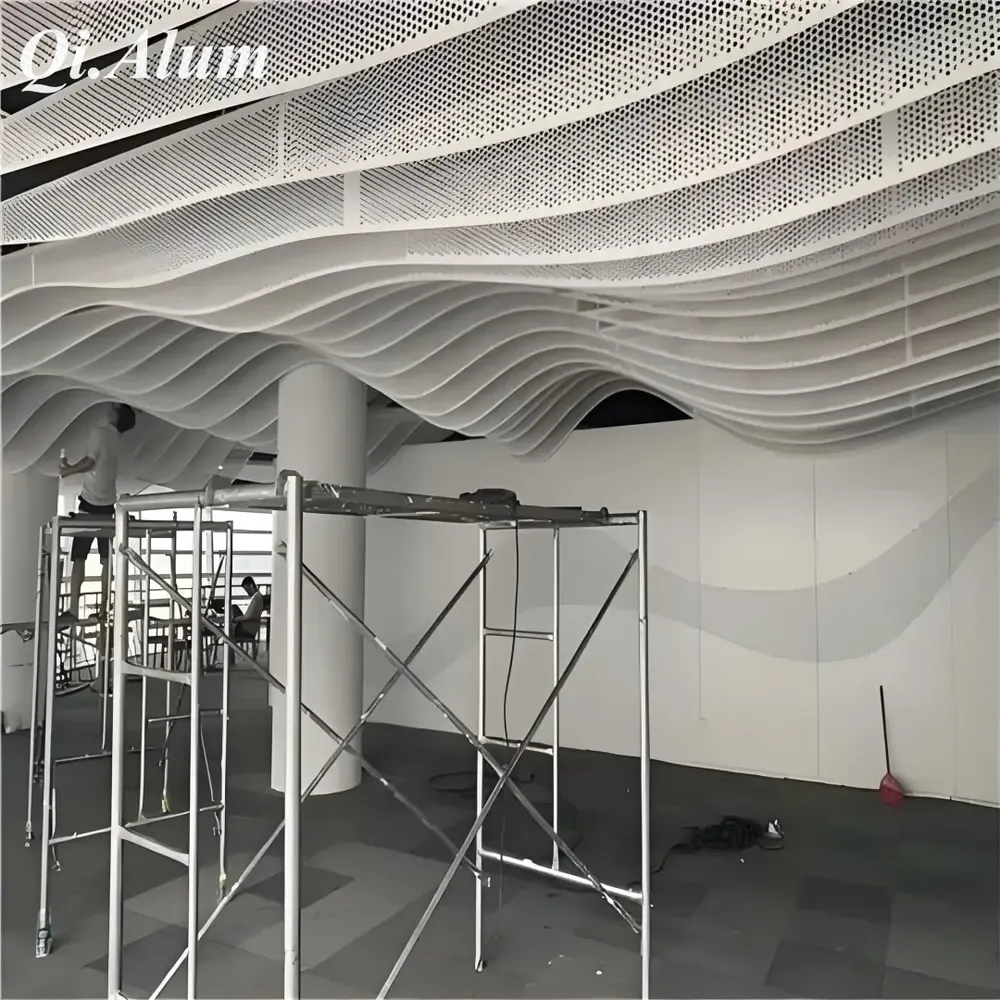
Material Advantages: Durability Meets Sustainability
Corrosion Resistance
: Aluminum’s natural oxide layer, combined with advanced surface treatments like PVDF powder coating (AAMA 2605-certified), ensures exceptional resistance to moisture, UV radiation, and harsh environmental conditions. This makes them ideal for coastal or industrial zones, with a lifespan exceeding 25 years .
Lightweight Strength
: Weighing just one-third of steel, these panels reduce structural load while maintaining tensile strength (up to 210 MPa), enabling large-scale, complex designs such as the curved façades of the Dubai Expo 2020 pavilions.
Thermal Stability
: Withstanding extreme temperatures (-40°C to 80°C), aluminum perforated panels ensure dimensional stability, critical for climates with wide thermal fluctuations.
Sustainability
: As a 100% recyclable material, aluminum contributes to circular economy models. Post-consumer recycled content now reaches up to 95%, aligning with global sustainability goals like LEED v5 certification, which emphasizes decarbonization and resilience .
Design Applications: Where Function Meets Artistry
Architectural Façades
Solar Control
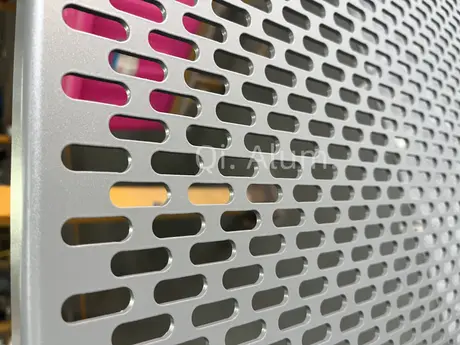
: Perforations (10–40% open area) filter sunlight, reducing solar heat gain by up to 30% and minimizing HVAC energy use. The Louvre Abu Dhabi’s iconic dome exemplifies this, creating a “rain of light” effect while optimizing interior comfort.
Visual Storytelling
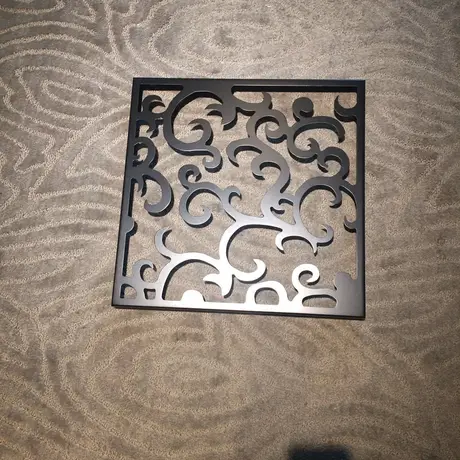
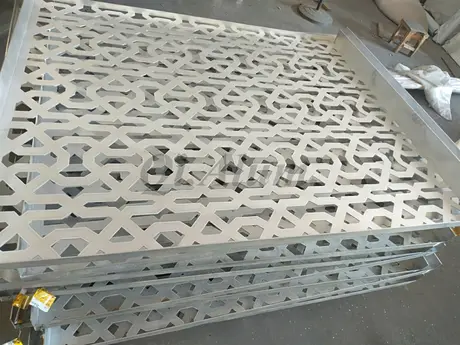
: Custom patterns—from geometric grids to organic motifs (e.g., leaf or water droplet shapes)—reflect cultural narratives. The National Kaohsiung Center for the Arts in Taiwan uses wave-like perforations to mimic nearby river flows.
Landscape and Urban Installations
Shade Structures
: Lightweight canopies, such as the Serpentine Pavilion in London, provide dappled shade and enhance airflow.
Security and Privacy
: Perforated fences (3–10mm hole diameters) balance visibility and safety, as seen at the Sydney Opera House forecourt.
Green Infrastructure
Vertical Gardens
: Panels support living walls and photovoltaic systems, as in Singapore’s “Supertrees,” merging sustainability with sculptural design.
Acoustic Mitigation
: Paired with sound-absorbing backing, they reduce noise pollution in transit hubs, meeting standards like EN 1793-1 .
Technical Innovations: Pushing Boundaries
Advanced Manufacturing
: CNC punching and laser cutting achieve micron-level precision, while roll-forming creates curved profiles (e.g., 50mm wave height) for dynamic textures.
Modular Systems
: Clip-and-lock installations reduce labor costs by 20–30% compared to traditional cladding.
Smart Integration
: Emerging adaptive systems, such as sensor-controlled perforations for real-time ventilation or solar adjustment, are redefining climate resilience .
Case Studies: Real-World Impact
The Edge, Amsterdam
This “most sustainable office building” uses variable-density perforated panels to adjust sunlight entry based on occupancy, reducing energy use by 70%. Marine-grade 5052 alloy ensures resistance to Amsterdam’s humid climate.
Helsinki Airport’s New Terminal
Perforated aluminum façades with hexagonal patterns optimize natural light and airflow, while integrated solar panels generate 20% of the building’s energy.
Shanghai Tower
A double-skin façade with perforated aluminum baffles reduces wind load by 40%, enhancing structural stability and energy efficiency.
Future Trends: Adapting to a Changing World
Bio-Inspired Design
: Mimicking natural patterns (e.g., fractals or fish scales) for aerodynamics and self-cleaning properties .
Circular Economy
: Increased use of recycled aluminum and closed-loop production systems.
Smart Materials
: Integration with IoT sensors for adaptive climate control, such as dynamic perforation adjustments based on weather data.
Why Aluminum Perforated Panels?
Longevity
: Minimal maintenance and resistance to fading, rust, or warping.
Design Freedom
: Unlimited customization of hole size, pattern, and surface finish.
Cost-Effectiveness
: Competitive pricing compared to high-performance materials like stainless steel.