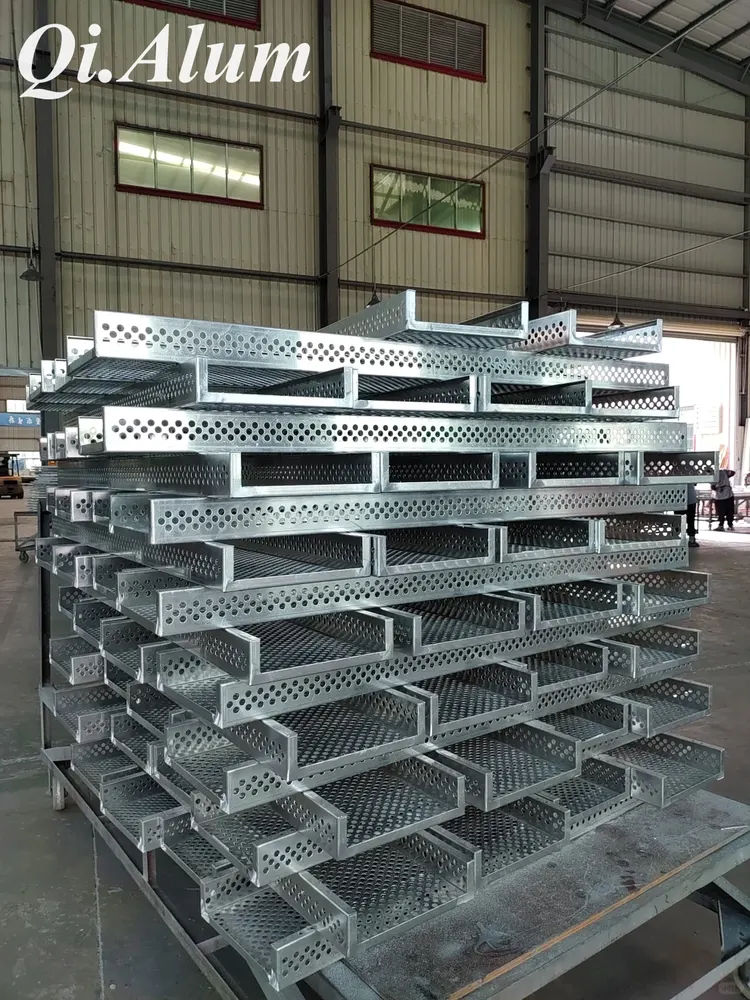
Corrosion Resistance
: Aluminum naturally forms a protective oxide layer that resists corrosion, making it suitable for outdoor applications. Additionally, surface treatments like anodizing or powder coating can further enhance its corrosion resistance, ensuring long-term durability .
Lightweight
: Aluminum is a lightweight material, which makes it easier to handle and install. This can reduce labor costs and structural load, especially in large-scale projects.
Design Flexibility
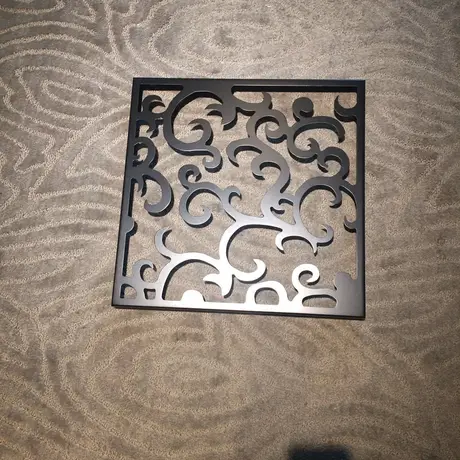
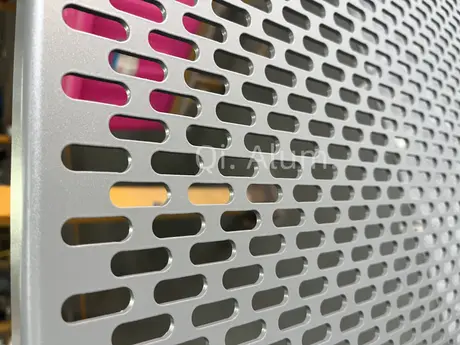
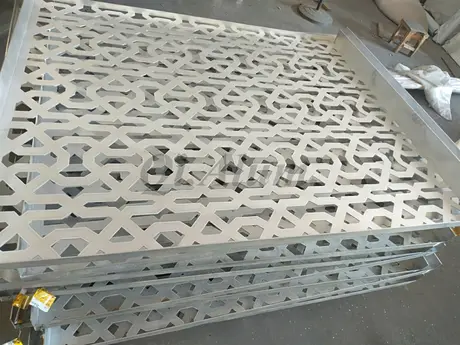
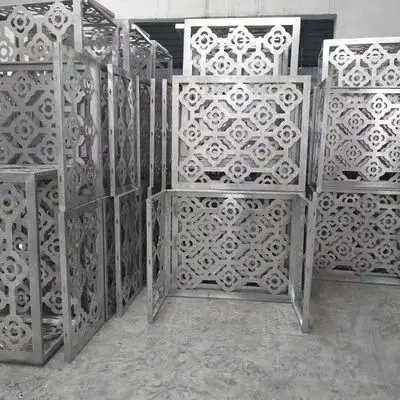
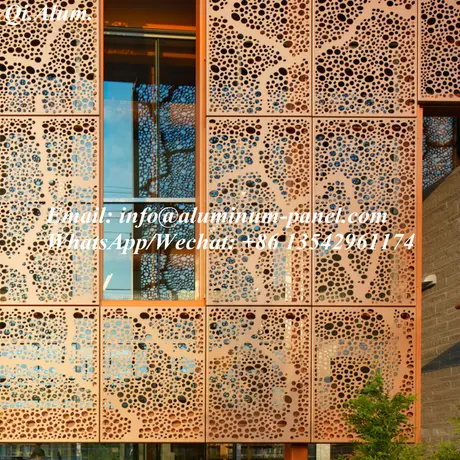
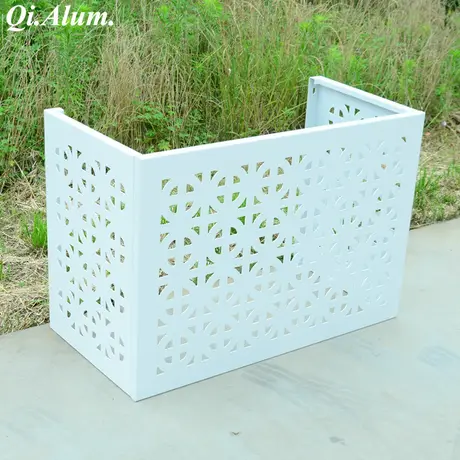
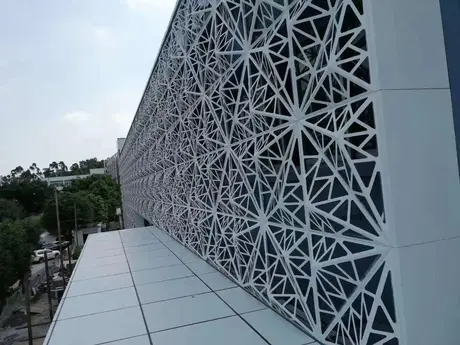
: Aluminum perforated panels can be customized to meet specific design requirements. They can be fabricated into various shapes, sizes, and perforation patterns, allowing for creative and unique architectural designs.
Acoustic Performance
: The perforations in the panels can help to reduce noise transmission, making them suitable for applications where acoustic control is important, such as in buildings located near busy roads or industrial areas.
Ventilation and Airflow
: The perforations also allow for natural ventilation and airflow, which can improve indoor air quality and reduce the need for mechanical ventilation systems.
Energy Efficiency
: Aluminum perforated panels can be used as a shading device to reduce solar heat gain, which can help to lower energy consumption and cooling costs in buildings.
Sustainability
: Aluminum is a highly recyclable material, which makes it an environmentally friendly choice for outdoor building applications.
Cost-Effective
: Despite its many advantages, aluminum perforated panels are relatively cost-effective compared to other high-performance outdoor building materials.
Overall, aluminum perforated panels offer a combination of durability, design flexibility, acoustic performance, ventilation, energy efficiency, sustainability, and cost-effectiveness, making them a popular choice for a wide range of outdoor building applications.