Core Applications and Design Innovations
Acoustic Optimization
Perforated aluminum panels excel in noise reduction, with perforation patterns (e.g., circular, hexagonal) and backer materials (e.g., mineral wool or fiberglass) achieving Noise Reduction Coefficients (NRC) of 0.65–0.92 . For instance, micro-perforated panels like Silk Metal™ achieve an NRC of 0.80, making them ideal for auditoriums, open-plan offices, and healthcare facilities . The combination of perforations and sound-absorbing cores creates dynamic acoustic environments, reducing echoes and enhancing speech clarity.
Decorative and Spatial Enhancement
Light and Shadow Play
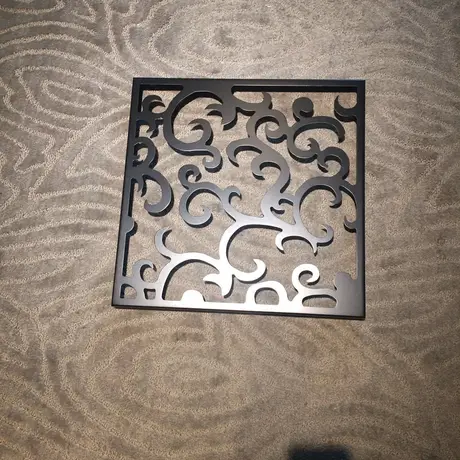
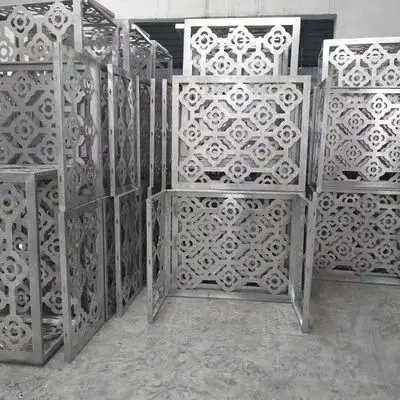
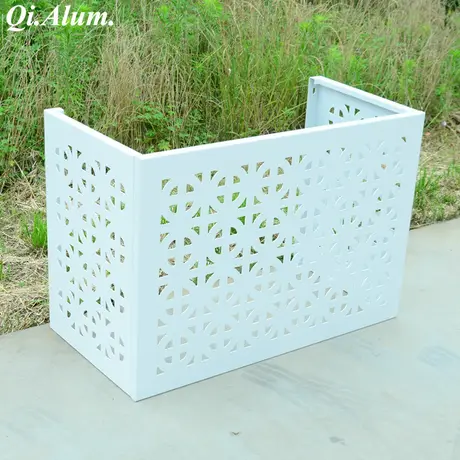
: Laser-cut patterns (e.g., geometric motifs, floral designs) cast intricate shadows, transforming interiors into living art. Tokyo’s Shin-Marunouchi Building uses perforated aluminum ceilings with cherry blossom patterns to create immersive, nature-inspired spaces .
Zoning and Privacy
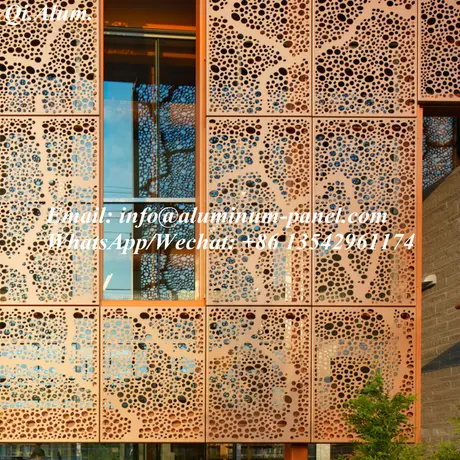
: Perforated screens (e.g., rusted metal in New Delhi stores or curved designs in Hong Kong retail spaces) define areas while maintaining visual continuity . Wave-shaped panels (120mm height) add texture to walls, as seen in the Longhua Government parking facility .
Functional Design Solutions
Ventilation and Thermal Control
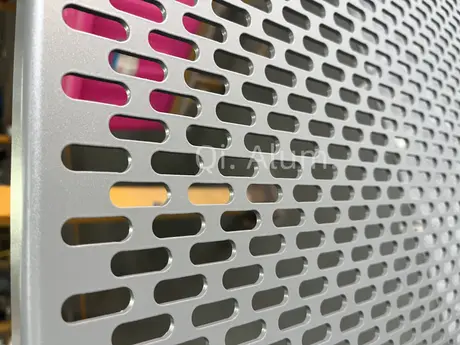
: Panels with 15–30% perforation rates optimize airflow in data centers and factories, while their thermal insulation properties reduce energy consumption .
Customizable Lighting
: Perforations diffuse light evenly, eliminating glare. For example, serpentine chandeliers with laser-cut designs in Tokyo’s camping store create ambient, nature-inspired illumination .
Material Advantages
Durability
: Aluminum alloys resist corrosion (e.g., 5052 marine-grade for humid environments) and extreme temperatures (-50°C to 80°C) .
Sustainability
: Recyclable (95% recovery rate) and energy-efficient, aligning with LEED and BREEAM certifications .
Lightweight and Cost-Effective
: Aluminum’s low density reduces structural load, while modular designs simplify installation and maintenance .
Technical and Aesthetic Flexibility
Surface Finishes
: Anodizing and PVDF coatings (25+ years of UV resistance) offer color stability and durability. Matte blacks, metallic hues, or wood-grain finishes cater to diverse styles .
Structural Adaptability
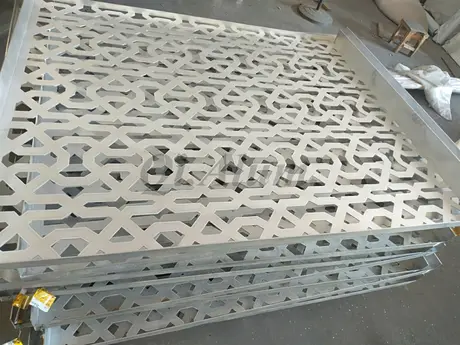
: CNC punching and laser cutting enable complex shapes (e.g., curved panels for auditoriums or honeycomb cores for sound absorption) .
Case Studies
Commercial Spaces
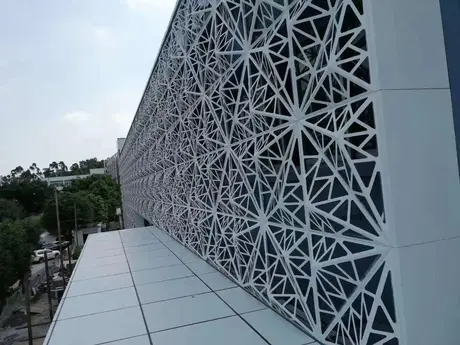
: A 4S shop in China uses curved perforated aluminum cladding to create dynamic facades, while a Cambodian office building employs triangular perforations for modernist aesthetics .
Residential Projects
: Perforated aluminum ceilings in luxury homes provide acoustic comfort, while kitchen cabinets with perforated doors blend industrial and rustic styles .
Future Trends
Smart Integration
: Embedded LED strips or photovoltaic cells transform panels into interactive media facades or energy-generating surfaces .
Sustainable Practices
: Low-carbon manufacturing and circular economy principles drive innovation in eco-friendly coatings and modular designs .
Conclusion
Aluminum perforated panels redefine interior design by merging form and function. Their ability to enhance acoustics, manipulate light, and adapt to diverse aesthetics makes them indispensable in contemporary architecture. As demand for sustainable and technologically advanced materials grows, these panels will continue to shape the future of spatial design.