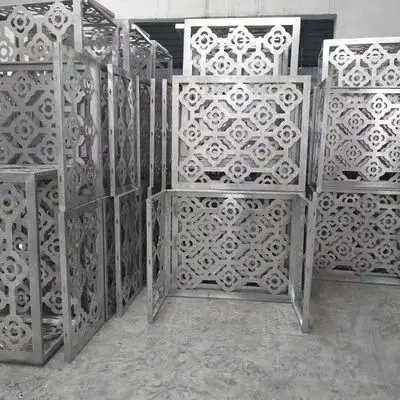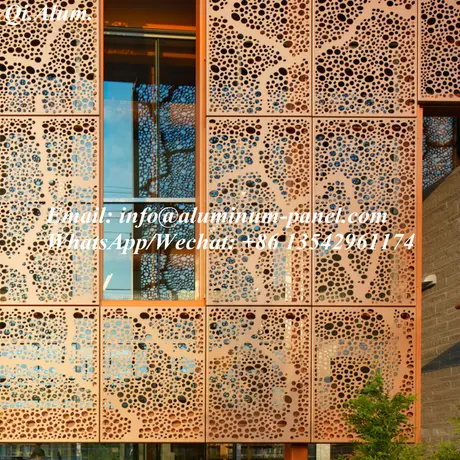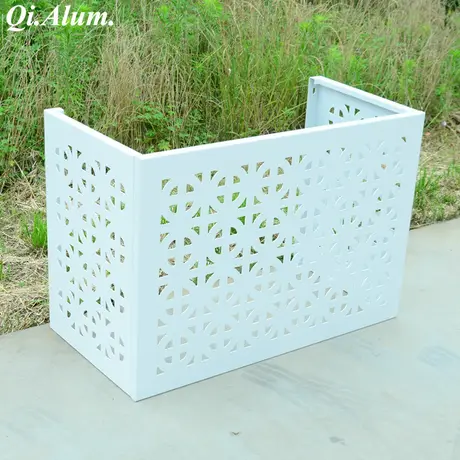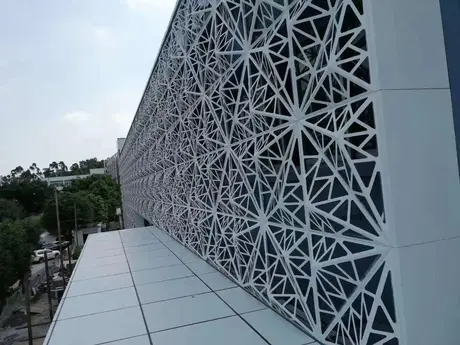
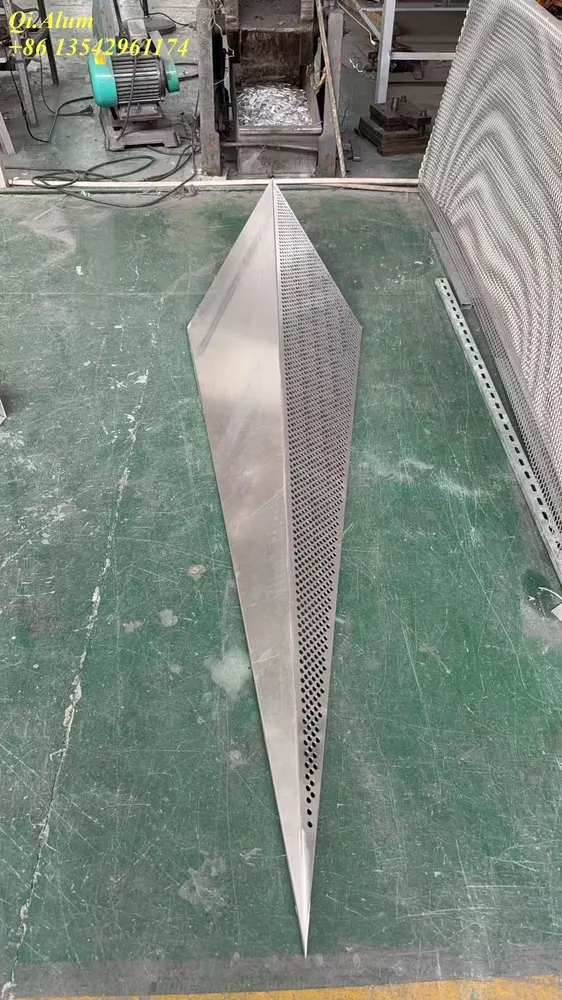
When purchasing custom perforated aluminum panels for overseas projects, many customers focus on price, production time, and shipping arrangements. However, sample confirmation is often the most important step before mass production. A properly approved sample helps avoid design errors, quality issues, and unexpected costs during international orders.
Why Sample Confirmation Matters for Custom Aluminum Panels
Unlike standard aluminum sheets, perforated aluminum panels are highly customized products. Hole patterns, panel dimensions, aluminum alloy, surface finish, and installation requirements can all affect the final appearance and performance.
Before production begins, a physical sample allows customers and manufacturers to confirm:
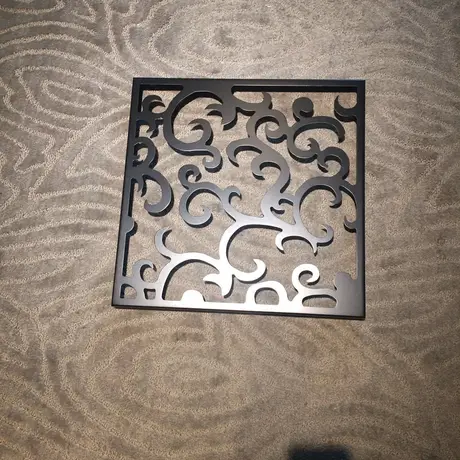
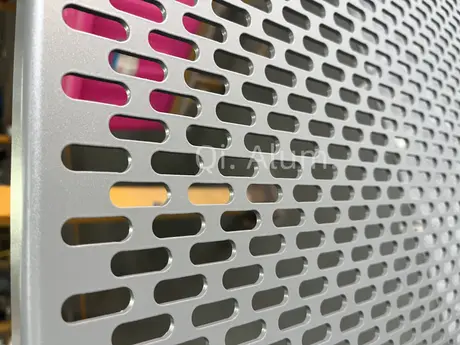
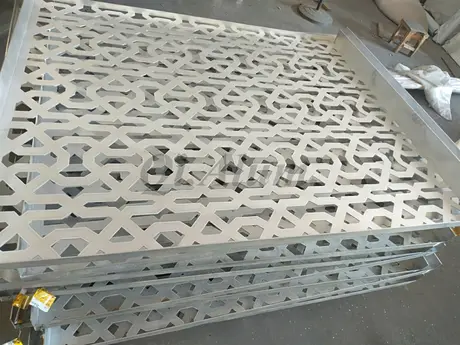
Perforation design and hole arrangement
Panel size and edge processing details
Aluminum thickness and material specifications
Surface color and coating effect
Overall appearance under real lighting conditions
This process ensures that the final products match the project requirements.
Reducing Risks in International Procurement
For overseas customers, replacing incorrect products can be expensive and time-consuming due to transportation costs, customs procedures, and project delays.
Sample approval works as a quality checkpoint before large-scale manufacturing. By checking the sample in advance, customers can identify potential problems such as:
Color differences from the design expectation
Incorrect hole diameter or spacing
Surface defects or coating issues
Inaccurate dimensions affecting installation
Early confirmation helps both parties save time and prevent unnecessary losses.
What Should Be Checked During Sample Approval?
A professional sample review should include more than just appearance. Customers should pay attention to several technical details:
1. Material and Thickness
The aluminum alloy and thickness directly influence strength, durability, and application performance. For exterior facade applications, commonly used thicknesses include 2.5mm to 4.0mm depending on the project requirements.
2. Perforation Pattern
Different perforation designs create different visual effects and functional performance. Hole size, open area ratio, and spacing should be confirmed according to the architectural design.
3. Surface Treatment
Custom perforated aluminum panels can be finished with powder coating, PVDF fluorocarbon coating, anodizing, wood grain finish, and other treatments.
The sample helps customers verify the actual color, texture, and coating quality before production.
4. Fabrication Details
Details such as bending, folding, reinforcement, fixing holes, and panel edges should also be reviewed to ensure smooth installation on site.
Professional Manufacturers Provide More Than Samples
A reliable aluminum panel supplier does not only provide samples but also supports customers throughout the customization process.
From design confirmation and material selection to production inspection and packaging, professional manufacturers help ensure that every step meets project requirements.
For overseas construction projects, sample approval is not just a simple confirmation procedure. It is a practical quality control method that protects both customers and suppliers.
Conclusion
Custom perforated aluminum panels require careful communication between buyers and manufacturers. Sample confirmation is the first line of defense for overseas orders because it helps verify design details, control product quality, and reduce project risks.
Choosing a manufacturer with strong customization experience and strict quality control can make the entire procurement process more efficient and reliable.