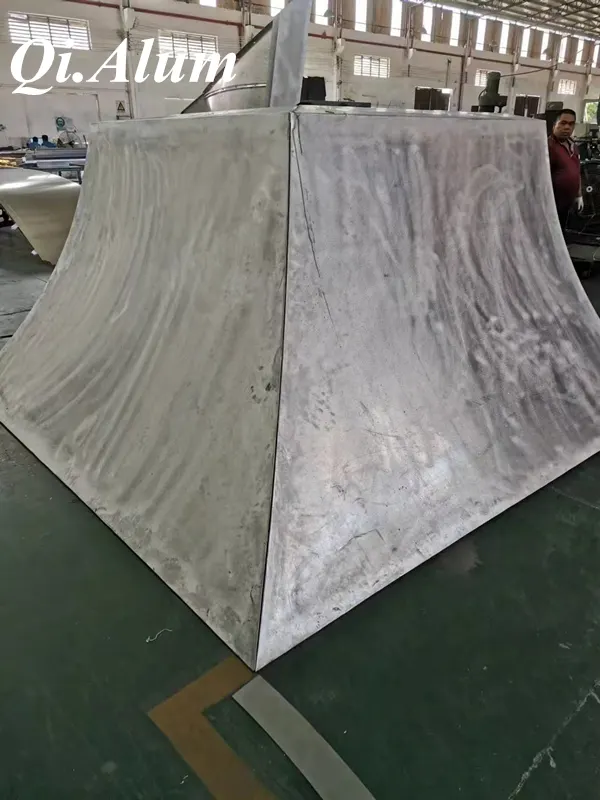
1. What Are Aluminum Double-Curved Panels?
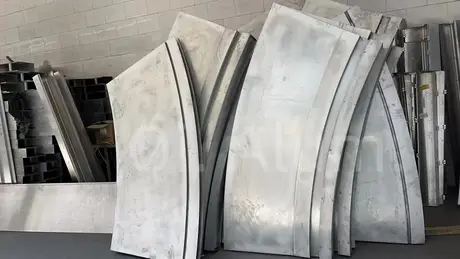
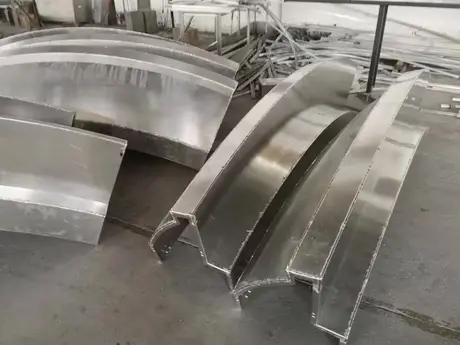
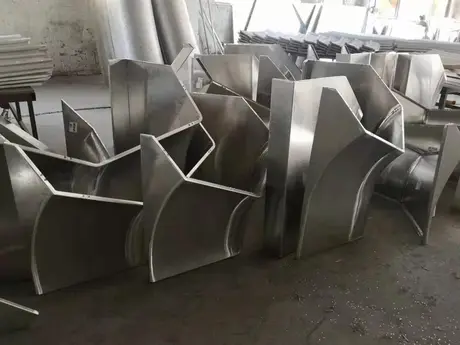
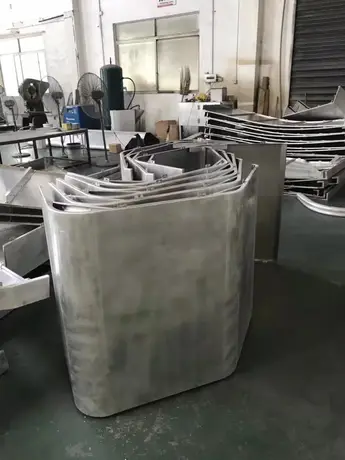
Aluminum double-curved panels are made by bending aluminum sheets along two axes, creating a smooth, flowing surface with compound curves. This process requires advanced manufacturing techniques, such as CNC machining and precision molding, to achieve the desired shapes without compromising the material’s integrity.
2. Key Features
Lightweight
: Aluminum’s low density makes these panels easy to transport and install.
Durability
: Resistant to corrosion, UV rays, and extreme weather conditions.
Flexibility
: Can be molded into various complex shapes, including spheres, waves, and free-form designs.
Aesthetic Appeal
: Smooth, seamless surfaces enhance the visual impact of any structure.
Sustainability
: Aluminum is 100% recyclable, making it an eco-friendly choice.
3. Manufacturing Process
Design
: Using CAD software, architects and engineers create precise 3D models of the desired curves.
Material Selection
: High-quality aluminum sheets are chosen based on thickness and alloy composition.
Forming
: Panels are shaped using techniques like stretch forming, hydroforming, or CNC bending.
Surface Treatment
: Panels are coated with PVDF or powder coatings for enhanced durability and color options.
Quality Control
: Each panel is inspected to ensure it meets design specifications and performance standards.
4. Applications
Aluminum double-curved panels are widely used in both exterior and interior applications:
Exterior Applications
Building Facades
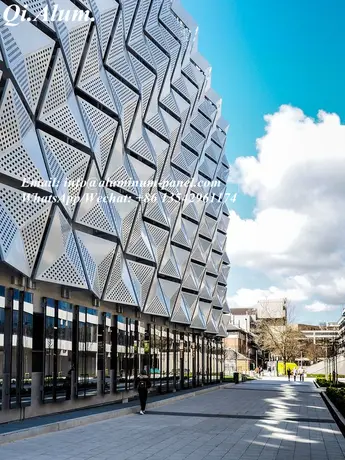
: Create iconic, futuristic designs for skyscrapers, museums, and cultural centers.
Roofing
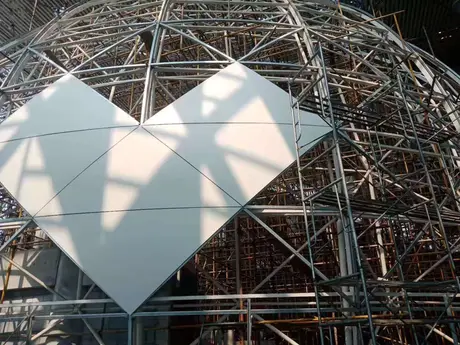
: Ideal for domes, canopies, and other curved roof structures.
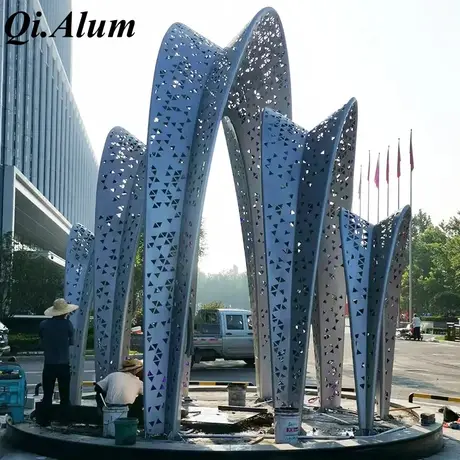
Sculptural Installations
: Used in public art and landmark structures.
Interior Applications
Ceilings and Walls
: Add a dynamic, modern touch to commercial and residential spaces.
Partitions and Dividers
: Create flowing, organic shapes for open-plan layouts.
Furniture and Decor
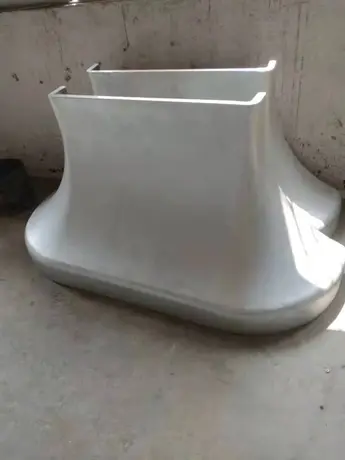
: Used in custom-designed furniture and decorative elements.
5. Advantages Over Traditional Materials
Design Freedom
: Unlike flat panels, double-curved panels allow for limitless creative possibilities.
Structural Efficiency
: The curved shape enhances strength and reduces the need for additional support.
Cost-Effectiveness
: Despite their complex shapes, these panels are often more economical than alternatives like glass or steel.
Low Maintenance
: Aluminum’s inherent properties make these panels easy to clean and maintain.
6. Case Studies
The Guggenheim Museum, Bilbao
: Known for its iconic curved facade, aluminum panels were used to achieve its fluid, organic design.
Beijing Daxing International Airport
: Double-curved aluminum panels were used to create its futuristic, wave-like roof.
Burj Al Arab, Dubai
: The sail-shaped structure features aluminum panels that withstand harsh desert conditions.
7. Future Trends
Smart Integration
: Incorporating sensors or lighting into panels for interactive designs.