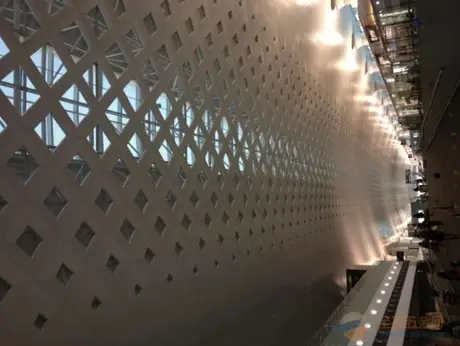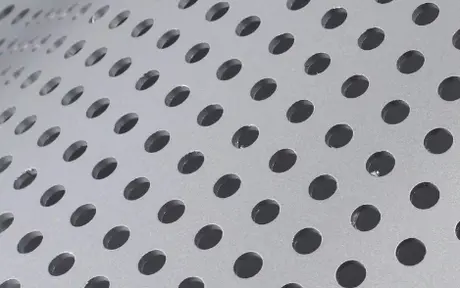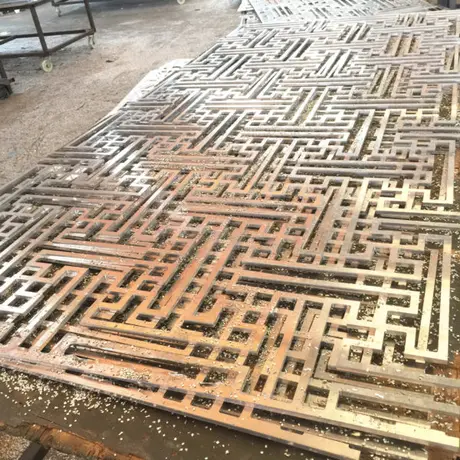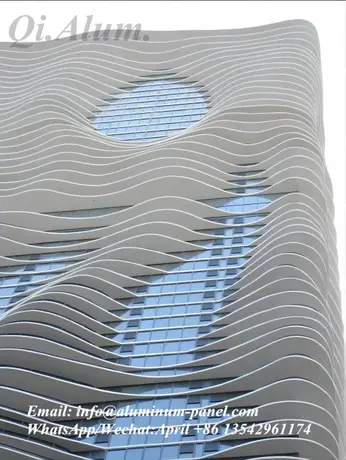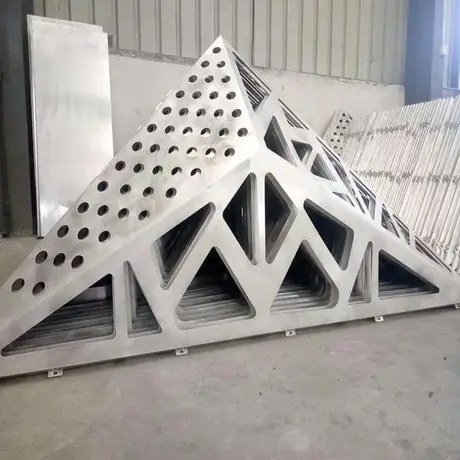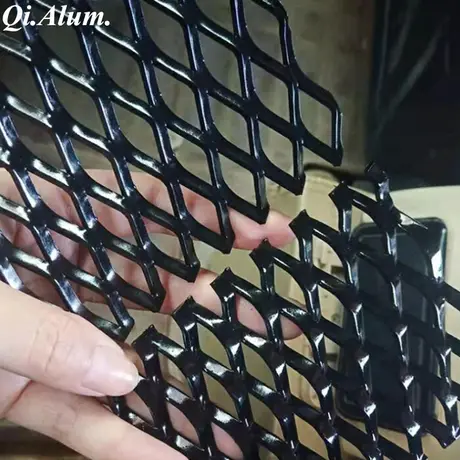
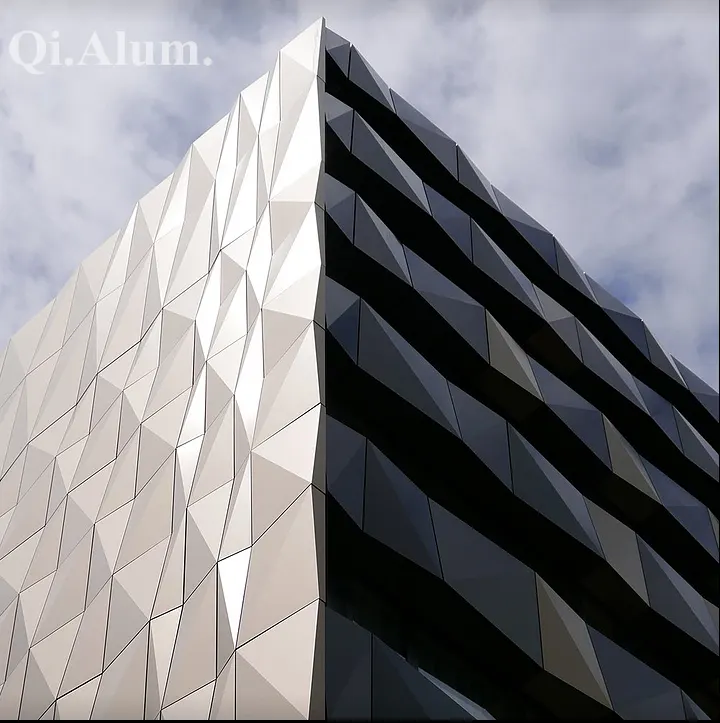
The first aluminum composite plate in the world is called ALUCOBOND , Developed and invented jointly by Swiss Aluminum and BASF, it has been introduced from Germany to China since the early 1990s and is widely used in areas such as building exterior walls, curtain wall panels, renovation of old buildings, interior walls, and ceiling decoration.
The aluminum composite plate is composed of an aluminum alloy panel and an intermediate core material through a polymer adhesive film. The surface layer is made of 3000 series aluminum manganese alloy or 5000 series aluminum magnesium alloy with a thickness of 0.5 mm. The surface of the aluminum alloy is coated with decorative and protective fluorocarbon resin coatings. Currently, the fluorocarbon pre roller coating baking process is commonly used.
As a new type of architectural decoration material, aluminum composite panels have quickly gained the favor of architects due to their unparalleled flatness, variable surface treatment capabilities, excellent processing performance, convenient construction methods, and excellent fire resistance.
The adoption of a new process for aluminum clad panels has improved the most critical technical indicator, “peel strength,” to an excellent state, resulting in a corresponding improvement in the flatness and weather resistance of aluminum clad panels.
Aluminum composite panels typically use an open curtain wall installation system, which is simple and fast to install, reducing construction costs.
Compared to traditional glued closed curtain walls, open curtain walls are more in line with building energy conservation requirements and extend building life. With the most economical curtain wall structure, the overall construction cost of building exterior walls is reduced.
Yes.