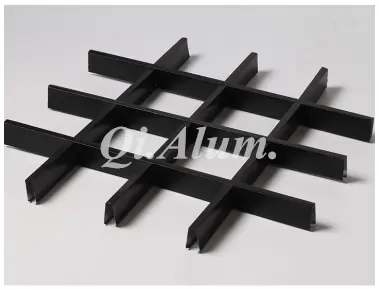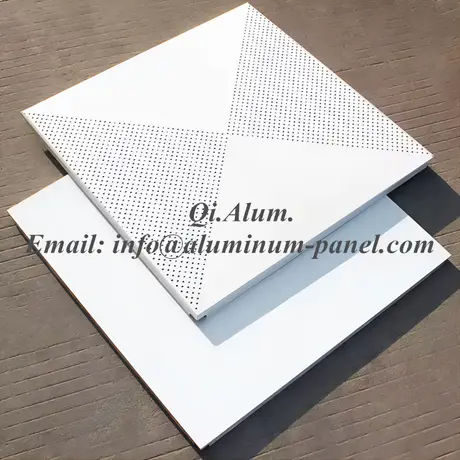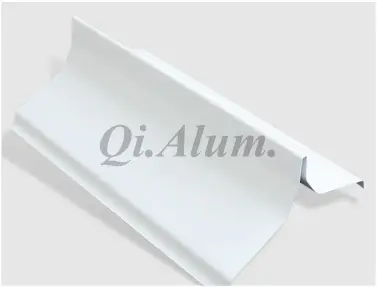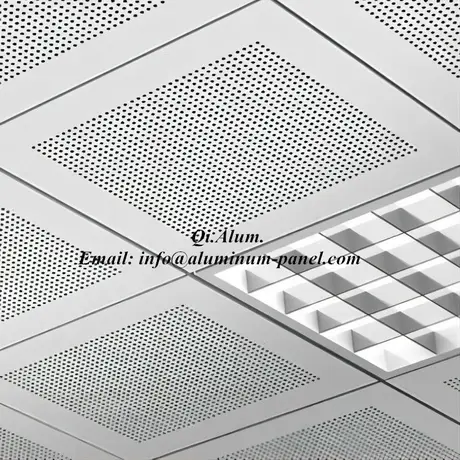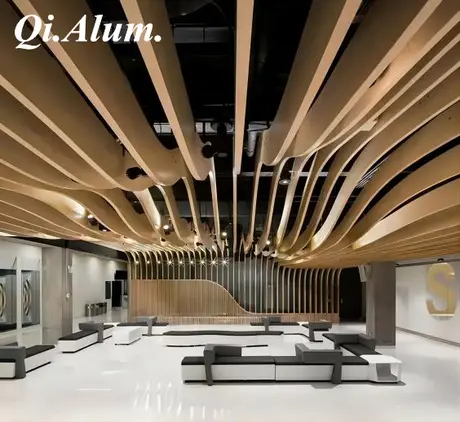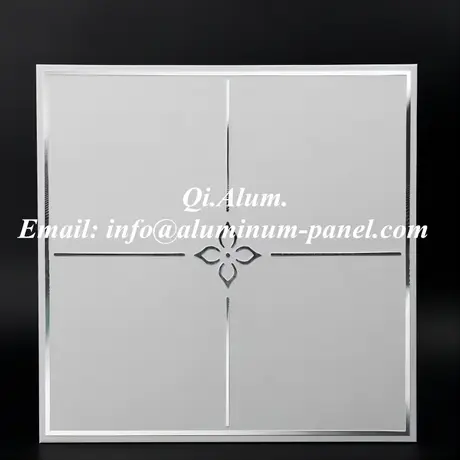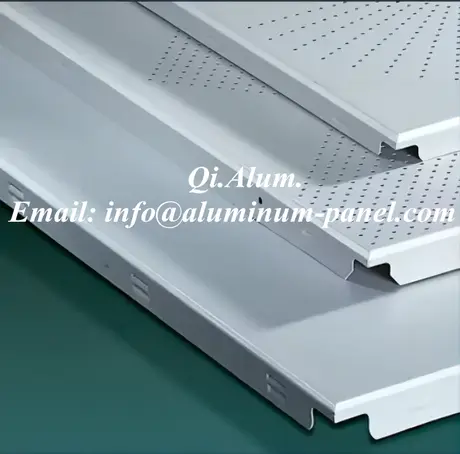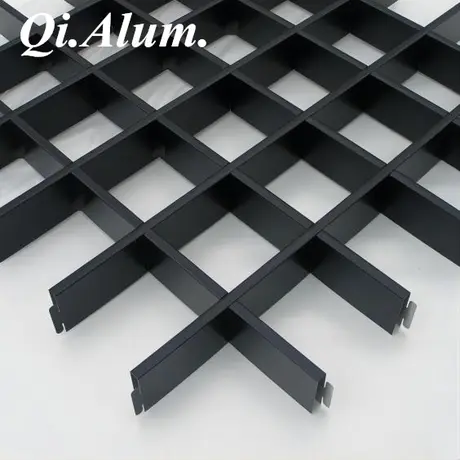
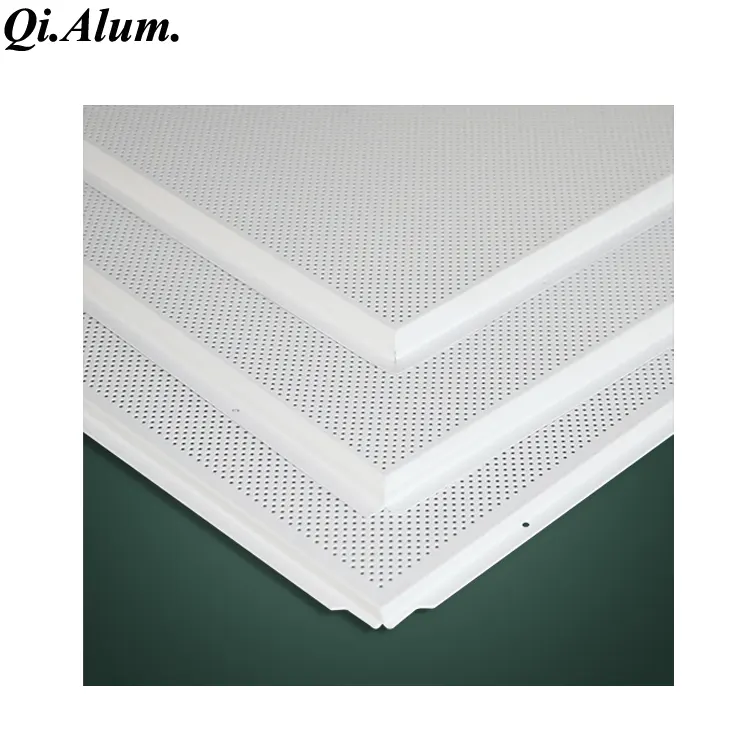
Aluminum ceiling panels typically consist of aluminum alloy, coatings, decorative panels, and backing plates. The aluminum alloy, being the primary constituent material, provides the panels with lightweight properties and high strength, facilitating convenient installation and handling. Fluorocarbon spray coating technology is commonly employed in the coating process, imparting corrosion and water resistance to the panels while allowing for a vibrant range of colors. The decorative panels offer a wide variety of options, including materials such as stone, wood, glass, and more, ensuring flexibility and adaptability to different design requirements. Backing plates, often made of aluminum alloy or galvanized steel, are utilized to enhance the overall stability and durability of the ceiling panels.
The advantages of aluminum ceiling panels can be summarized as follows:
Firstly, their lightweight nature makes installation easy and reduces the load on the building structure during decoration, thereby lowering construction difficulty and labor costs.
Secondly, aluminum ceiling panels exhibit excellent corrosion and waterproofing properties, enabling long-term use in humid environments without corrosion or deformation, thus extending their lifespan.
Thirdly, these panels possess fire-resistant qualities, effectively slowing down the spread of fire and enhancing building safety.
Lastly, aluminum ceiling panels offer exceptional decorative effects, with smooth and even surfaces, as well as a wide range of colors to choose from, allowing for customized designs.
In conclusion, aluminum ceiling panels are a superior choice for interior decoration due to their lightweight and durable properties, as well as their resistance to fire, corrosion, and water. They provide excellent decorative options and contribute to enhancing the overall aesthetic appeal of commercial buildings, offices, and public spaces.