Fabric – made Air – conditioner Covers
Flammability Characteristics
Fire – proof Treatment and Effect
Some fabrics can have their fire – resistance performance improved by adding flame retardants. For example, the flame – retardant agent in fire – retardant – treated fire – proof fabric will decompose when heated, generating substances that can cut off the combustion chain reaction or form a char layer to prevent the spread of fire. However, the effectiveness of this treatment may vary depending on the type and amount of flame retardant used, as well as the quality of the fabric. In addition, with repeated use and washing, the flame – retardant performance of the fabric may decline.
Plastic – made Air – conditioner Covers
Flammability Characteristics
Different types of plastics have different flammability. Some common plastics used in air – conditioner covers, such as PVC (Polyvinyl Chloride), are combustible. PVC contains chlorine atoms, and when it burns, it not only produces a flame and smoke but also releases harmful gases such as hydrogen chloride. Other plastics like ABS (Acrylonitrile – Butadiene – Styrene) also have a certain degree of flammability. When they burn, they can release a large amount of black smoke and toxic fumes due to the presence of carbon – containing components.
Fire – proof Treatment and Effect
Plastics can be modified with flame – retardant additives to enhance their fire – resistance. For example, adding halogen – based or phosphorus – based flame retardants to plastics can slow down the burning rate. These flame retardants work by interfering with the combustion process, such as releasing non – combustible gases to dilute the oxygen around the burning material or forming a protective layer on the surface of the plastic. However, similar to fabric materials, the fire – proof effect of plastic air – conditioner covers may also be affected by factors such as the quality of the flame – retardant treatment, the environment of use, and the duration of use.
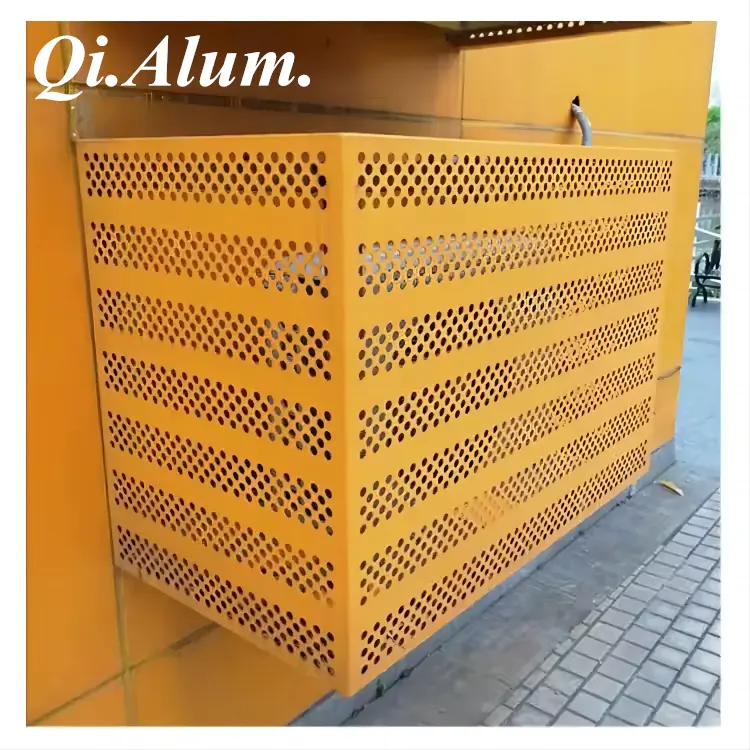
Metal – made (such as Aluminum) Air – conditioner Covers
Flammability Characteristics
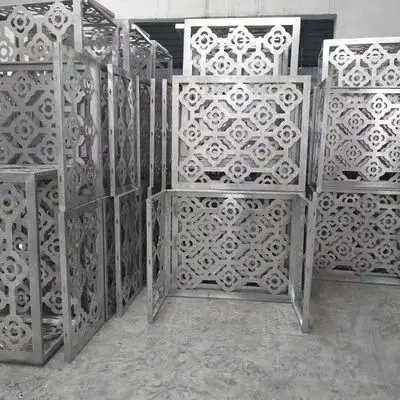
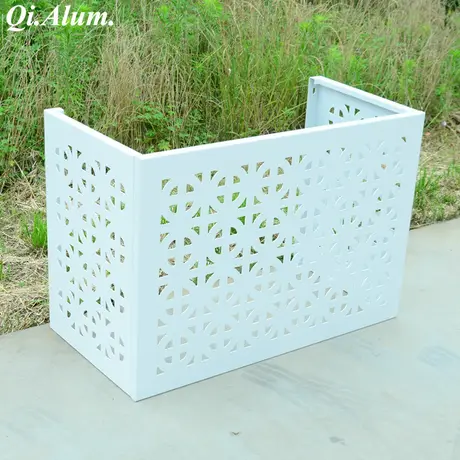
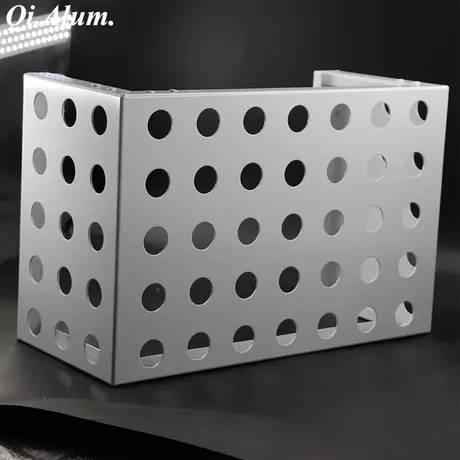
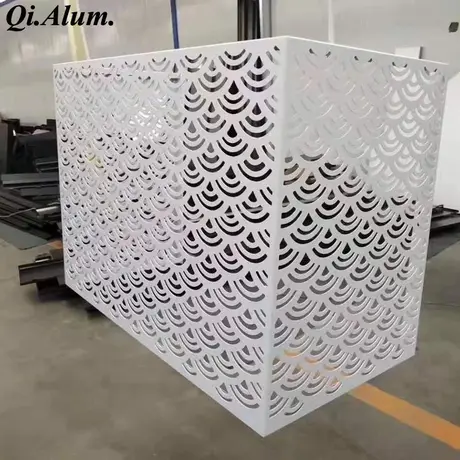
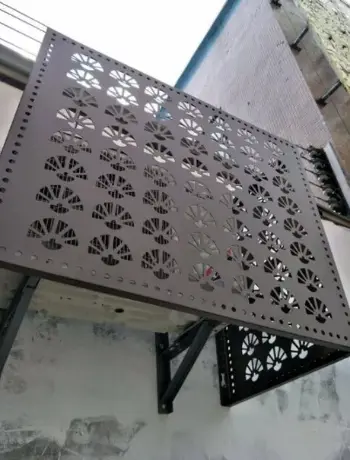
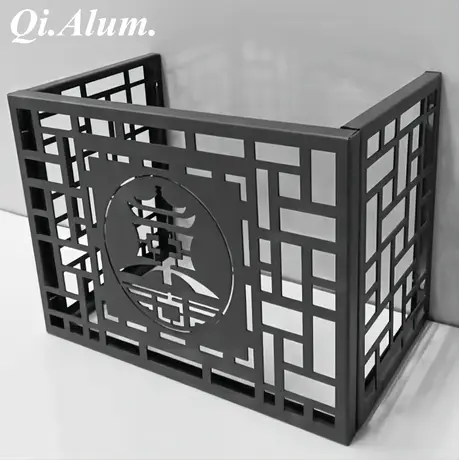
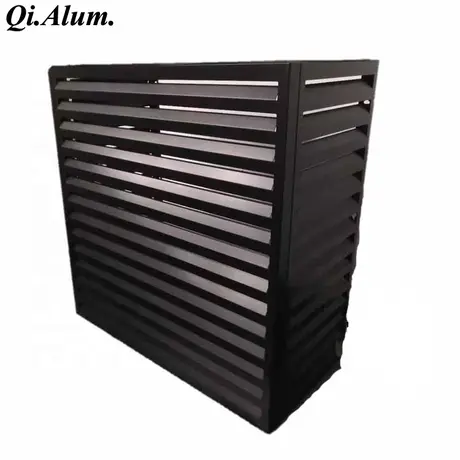
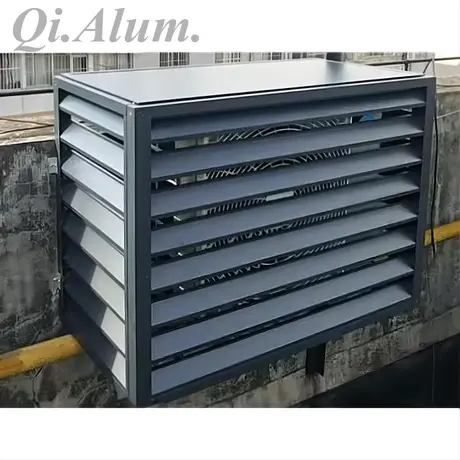
Metals like aluminum are non – flammable materials. Aluminum has a high melting point and does not support combustion in the traditional sense. In a fire, aluminum air – conditioner covers will not burn and will not contribute to the spread of the fire. The surface of aluminum may oxidize at high temperatures, but this oxidation process does not involve combustion and can even form a protective oxide layer that further resists the impact of high temperatures.
Fire – proof Treatment and Effect
Generally, metal air – conditioner covers do not require additional fire – proof treatment for the purpose of preventing combustion. However, in some cases, to enhance the overall fire – resistance of the building structure or to meet specific fire – safety requirements, the metal cover may be treated with coatings or insulation materials that can improve its heat – insulation and fire – resistance properties, such as adding a fire – proof paint or a heat – insulating composite layer to the back of the aluminum cover.