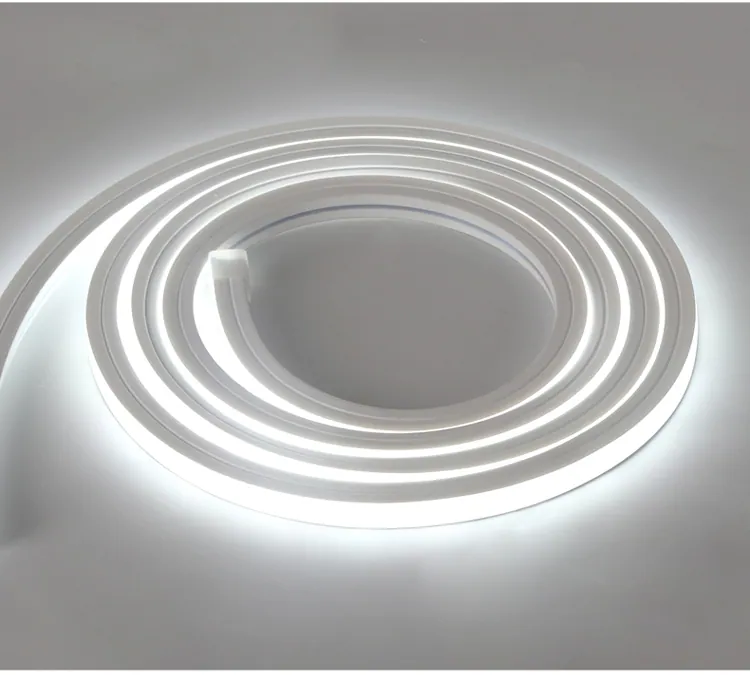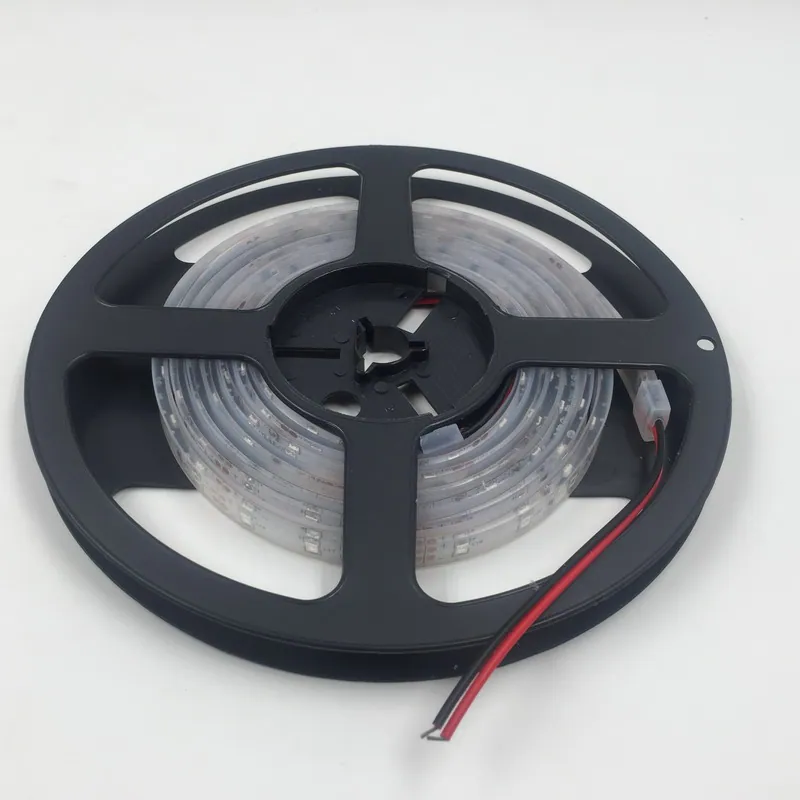
LED strip channels have become essential in modern lighting design, offering both aesthetic appeal and functional benefits. In China, the production and innovation surrounding these channels have surged, making it crucial for designers, architects, and DIY enthusiasts to understand their applications and advantages.
This guide will delve into the various types of LED strip channels available, their installation techniques, and the latest trends in the industry. Readers can expect to gain insights into selecting the right channel for specific projects, ensuring optimal performance and longevity.
Additionally, we will explore the manufacturing processes in China, highlighting the quality standards and technological advancements that set these products apart. By the end of this guide, you will be equipped with the knowledge to make informed decisions and elevate your lighting projects.
The Comprehensive Guide to LED Strip Channels in China
China has emerged as a global hub for LED lighting technology, with numerous manufacturers producing high-quality LED strip channels. These channels serve as essential components in various lighting applications, offering both functional and aesthetic benefits. This guide delves into the world of Chinese-manufactured LED strip channels, exploring their technical features, diverse types, and key considerations for selection.
Understanding LED Strip Channels
LED strip channels, also known as LED aluminum profiles or extrusions, are housings designed to accommodate LED light strips. They offer several advantages over directly installing strips. These include improved heat dissipation, enhanced durability, and aesthetically pleasing designs. Companies like KayTai (kaytai.com) and Lightstec (www.lightstec.com) are prominent examples of manufacturers offering a wide range of these channels.
Technical Features of LED Strip Channels
The performance and longevity of LED strip channels depend heavily on their technical specifications. Key factors include material, dimensions, and finishing. Consider the following aspects when choosing a channel:
| Feature | Description | Importance |
|---|---|---|
| Material | Typically aluminum alloy (e.g., 6063-T5) for its strength and heat conductivity. | Determines durability, heat dissipation, and overall lifespan of the channel. |
| Profile Design | Shapes vary greatly (recessed, surface mount, corner, etc.) | Impacts installation method, light diffusion, and aesthetic integration into the space. |
| Surface Finish | Anodized, powder-coated, or brushed finishes are common, offering different looks. | Influences the channel’s appearance and resistance to corrosion. |
| Diffuser Type | Opal, frosted, or clear diffusers affect light diffusion and intensity. | Controls the quality and spread of light emitted from the channel. |
| Mounting Method | Surface mounting, recessed mounting, or suspension systems are available. | Dictates how easily and securely the channel can be installed. |
| IP Rating | Indicates the channel’s protection against dust and moisture. | Crucial for outdoor or wet environment applications. |
Types of LED Strip Channels
The market offers a wide variety of LED strip channels, each designed for specific applications and aesthetic preferences. Rishang (www.rs-led.cc) showcases a diverse portfolio of LED products, including channels suited to various purposes. Let’s examine some common types:
| Type | Description | Applications | Advantages | Disadvantages |
|---|---|---|---|---|
| Surface Mount | Directly attached to a surface, offering a simple installation method. | General purpose lighting, accent lighting, cove lighting. | Easy installation, cost-effective | Less aesthetically integrated, may protrude from the surface. |
| Recessed | Installed into a cavity or groove in a surface, creating a seamless look. | Ceiling lighting, under-cabinet lighting, wall lighting. | Clean aesthetic, minimal visual impact | More complex installation, requires pre-planning and possibly cutting into surfaces. |
| Suspended | Hung from the ceiling, providing flexibility in placement and a modern aesthetic. | Decorative lighting, accent lighting in high ceilings. | Versatile placement, visually striking | Requires suspension hardware, potentially more expensive. |
| Corner | Designed to fit into corners, providing indirect lighting and accentuating architectural features. | Cove lighting, accent lighting in corners. | Creates unique lighting effects, visually appealing | Limited placement options |
| Step & Stair | Specifically designed for stair treads or risers, enhancing safety and aesthetics. | Stair lighting, walkway lighting. | Improves safety, adds a stylish touch. | Requires careful measurement and installation to ensure proper fit and function. |
| Plaster-in | Embedded within plaster or drywall, offering a completely integrated appearance. | Architectural lighting, cove lighting. | Seamless integration, clean finish. | Demanding installation, requires expertise and careful planning. |
ABrightLighting (www.abrightlighting.com) and Tangool (tangooled.com) highlight the design-focused approach many manufacturers take, offering various styles to suit different interior design aesthetics.
Choosing the Right LED Strip Channel
Selecting the appropriate LED strip channel involves considering several factors. These include the desired lighting effect, the installation environment, the budget, and the aesthetic preferences. Careful consideration of these aspects ensures the successful integration of the lighting system into the overall design. The number of LEDs per meter, the type of LEDs (SMD, COB), and the power supply requirements also need to be carefully matched with the chosen channel.
Conclusion
The Chinese LED strip channel market offers a wide array of choices. Understanding the technical features and differences between types is key to making an informed decision. By carefully considering factors such as material, profile design, and installation method, consumers can choose a channel that meets their specific needs and enhances their lighting projects.
FAQs
1. What is the difference between aluminum and plastic LED strip channels?
Aluminum channels offer superior heat dissipation, making them ideal for high-power LED strips. Plastic channels are generally cheaper but may not provide adequate heat management, potentially shortening the LED lifespan.
2. How do I choose the right diffuser for my LED strip channel?
Opal diffusers provide even light distribution, while frosted diffusers offer a softer appearance. Clear diffusers provide the brightest output but can create more glare. The choice depends on the desired lighting effect.
3. Can I cut LED strip channels to size?
Some LED strip channels can be cut to length, while others are pre-fabricated to specific sizes. Check the manufacturer’s specifications before cutting to avoid damaging the channel.
4. How important is the IP rating for an LED strip channel?
The IP rating indicates the level of protection against dust and water ingress. Higher IP ratings are essential for outdoor or wet environments to ensure the longevity and safety of the lighting system.
5. What are the benefits of using an LED strip channel?
LED strip channels protect the delicate LED strips from physical damage, improve heat dissipation, enhance the aesthetic appeal of the lighting, and aid in light diffusion, creating a more even and pleasing illumination.