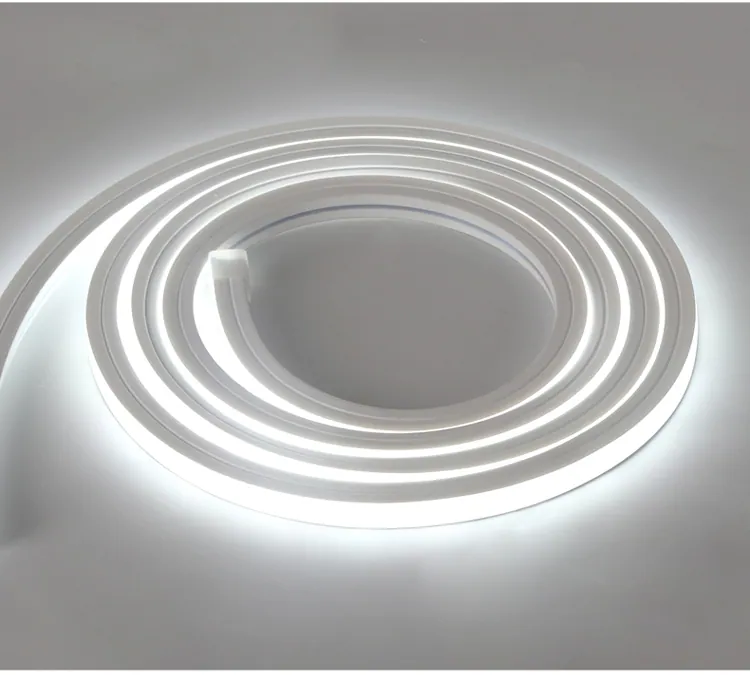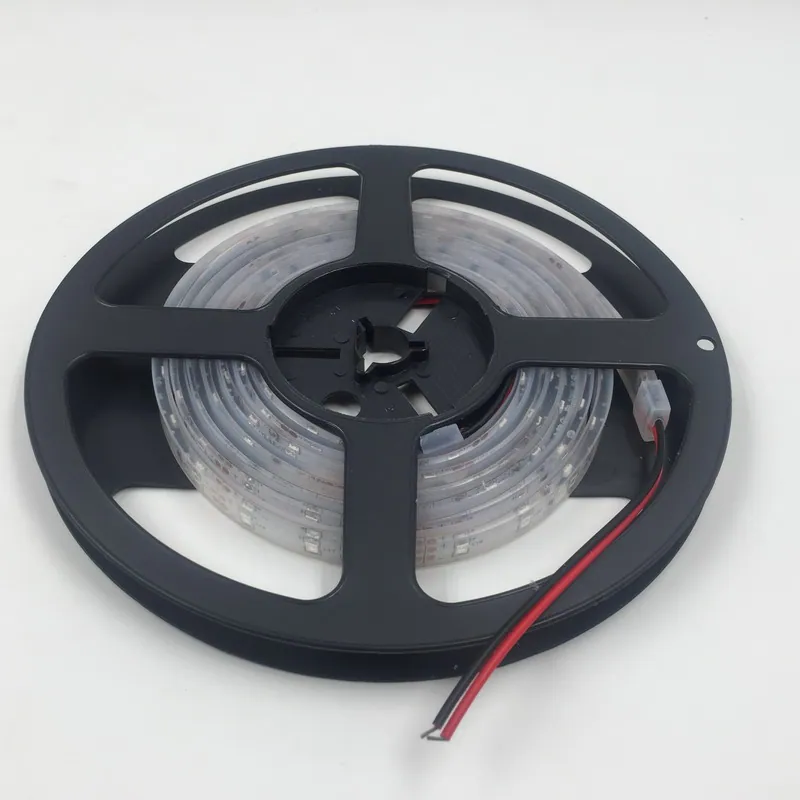
In recent years, LED light strips have revolutionized the lighting industry, offering versatility and energy efficiency for both residential and commercial applications. As demand grows, understanding the manufacturing landscape, particularly in China, becomes crucial. This guide delves into the intricacies of LED light strip factories, shedding light on their operations, innovations, and the factors that contribute to their global prominence.
Readers can expect to gain insights into the production processes, quality control measures, and technological advancements that define these factories. We will explore the supply chain dynamics, including sourcing materials and labor considerations, which play a vital role in the overall efficiency and sustainability of LED light strip manufacturing.
Additionally, this guide will highlight key players in the industry, emerging trends, and the impact of regulatory standards on production practices. By the end, readers will have a comprehensive understanding of the LED light strip manufacturing landscape in China, equipping them with the knowledge to make informed decisions in this vibrant market.
The Ultimate Guide to LED Strip Lights: Manufacturing, Types, and Technical Features
The global LED lighting market is booming, with LED strip lights playing a significant role. China, a leading manufacturer of these lights, houses numerous factories offering a wide variety of products. Understanding the nuances of manufacturing, technical specifications, and types is crucial for choosing the right LED strip light for any application. Companies like Yoshinyled (www.yoshinyled.com), Lightstec (www.lightstec.com), Olamled (www.olamled.com), Unitop (www.unitopledstrip.com), and LinnLED (linnled.com) represent the breadth and depth of this industry.
Manufacturing Process and Technical Features
The manufacturing process typically involves several stages. First, the flexible printed circuit board (FPCB) is produced, onto which LEDs are mounted using surface mount technology (SMT). After this, the LEDs are wired, and a protective coating might be applied, especially for waterproof strips. Finally, the strips are cut to length, tested, and packaged. Let’s look at some key technical features:
| Feature | Description | Importance |
|---|---|---|
| LED Type | SMD (Surface Mount Device) 2835, 5050, 5630, COB (Chip on Board) | Determines brightness, color accuracy, and energy efficiency. |
| PCB Material | Flexible PCB with copper layers (e.g., 2oz, 3oz, 4oz) | Affects flexibility, heat dissipation, and lifespan. Higher ounce copper means better heat management. |
| Waterproofing | IP rating (e.g., IP65, IP67, IP68) | Indicates resistance to water and dust; crucial for outdoor or humid environments. |
| Color Temperature | Measured in Kelvin (K); ranges from warm white (2700K) to cool white (6500K) | Affects the ambiance and suitability for different applications. |
| Brightness | Measured in lumens per meter (lm/m) | Determines the intensity of the light. |
| CRI (Color Rendering Index) | Measures how accurately colors are rendered under the light; 80+ is considered good | Important for applications where color accuracy is crucial (e.g., retail displays, art galleries). |
| Dimmability | Ability to adjust brightness; various dimming methods available (e.g., 0-10V, PWM, DALI) | Offers greater control over the lighting ambiance. |
| Voltage | 12V DC, 24V DC, 110V AC, 220V AC | Affects the maximum length of the strip and power supply requirements. |
These factors are critical in determining the performance and suitability of the LED strip lights. The choice often depends on the specific application and budget.
Types of LED Strip Lights
Different types of LED strip lights cater to diverse needs. Here’s a comparison:
| Type | Description | Advantages | Disadvantages |
|---|---|---|---|
| Single Color | Emits a single, consistent color (e.g., red, green, blue, white) | Simple, cost-effective, reliable | Limited color options |
| RGB | Mixes red, green, and blue LEDs to create a wide range of colors | Highly versatile, customizable, creates dynamic lighting effects | Can be more expensive than single-color strips |
| RGBW | Adds a white LED to RGB for more accurate white and pastel shades | Enhanced color accuracy, wider range of color options, better white light reproduction | Highest cost |
| Waterproof | Protected against moisture and dust (IP rating) | Suitable for outdoor or humid environments | Can be less flexible and more expensive |
| Flexible | Can be bent and shaped to fit various surfaces | Ideal for curved surfaces and creative lighting designs | May be less durable than rigid strips |
| Rigid | Maintains a fixed, straight shape | Provides consistent, precise lighting; often used in linear applications | Less versatile for curved surfaces |
| Addressable | Each LED can be individually controlled, allowing for complex lighting patterns and animations | Highly customizable, creates dynamic and interactive lighting effects | More complex to control; requires specialized controllers |
| COB (Chip on Board) | LEDs are mounted directly onto the circuit board, providing uniform illumination and high light output | Superior light uniformity, high brightness, efficient heat dissipation | Can be less flexible than other types; often more expensive |
Choosing the right type depends on the specific application requirements, budget, and desired aesthetic effect. Manufacturers like Lightstec often offer a wide range of options.
Conclusion
The Chinese LED strip light industry is dynamic and innovative. Understanding the manufacturing processes, technical specifications, and various types of LED strip lights empowers consumers and businesses to make informed decisions. Factors like brightness, color temperature, CRI, and waterproofing are crucial considerations. Olamled offers comprehensive LED lighting solutions, including customization.
FAQs
1. What is the typical lifespan of an LED strip light?
The lifespan varies depending on the quality of components and operating conditions, but generally ranges from 30,000 to 50,000 hours.
2. How much power do LED strip lights consume?
Power consumption varies based on length, LED type, and brightness, typically ranging from a few watts to several tens of watts per meter.
3. Are LED strip lights difficult to install?
Installation is generally straightforward, particularly for self-adhesive strips. However, some applications may require more technical expertise.
4. Can I cut an LED strip light to a custom length?
Most LED strips are cuttable at designated points, indicated by markings on the strip itself. Always follow manufacturer instructions.
5. What is the difference between 12V and 24V LED strip lights?
24V strips can run longer distances without significant voltage drop compared to 12V strips, but both require appropriate power supplies. LinnLED provides detailed information on voltage options.