[email protected] +86 13530368057 Xixiang, Bao'An District, Shenzhen, China
Enquiries answered within 12 hours
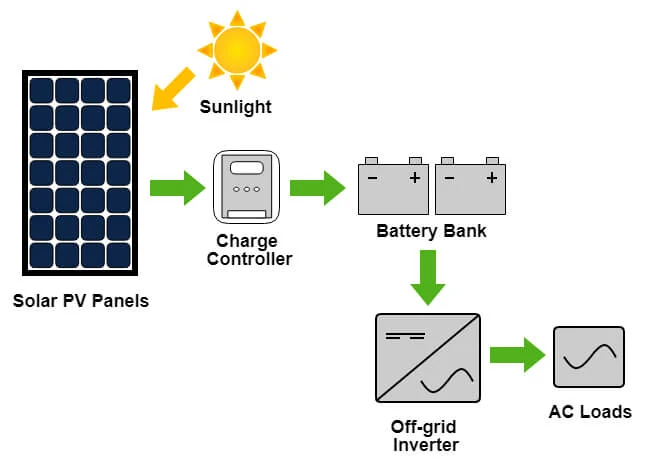
Diagram showing solar PV panel, charge controller, battery bank, and off-grid inverter connecting to AC loads.
Knowledge Center

How Solar Power System Helps to Supply Electricity

A guide to off-grid and hybrid solar systems: system sizing, component matching, battery types, mounting, and how solar power solves electricity shortages in

Start With the System Purpose Before the Components

A solar power system must be designed around the load it will serve. Determine whether the site is off-grid, hybrid, or grid-tie, and define the daily kWh demand. This drives the battery capacity, inverter size, and panel array size. Without this, component selection becomes arbitrary.

Diagram showing solar PV panel, charge controller, battery bank, and off-grid inverter connecting to AC loads.

Match the Inverter to the System Voltage

The inverter input voltage range must align with the open-circuit voltage of the solar array. For a 5kW off-grid system, the array voltage must stay within the inverter’s MPPT window. Exceeding this range causes the inverter to shut down or fail to charge the battery.

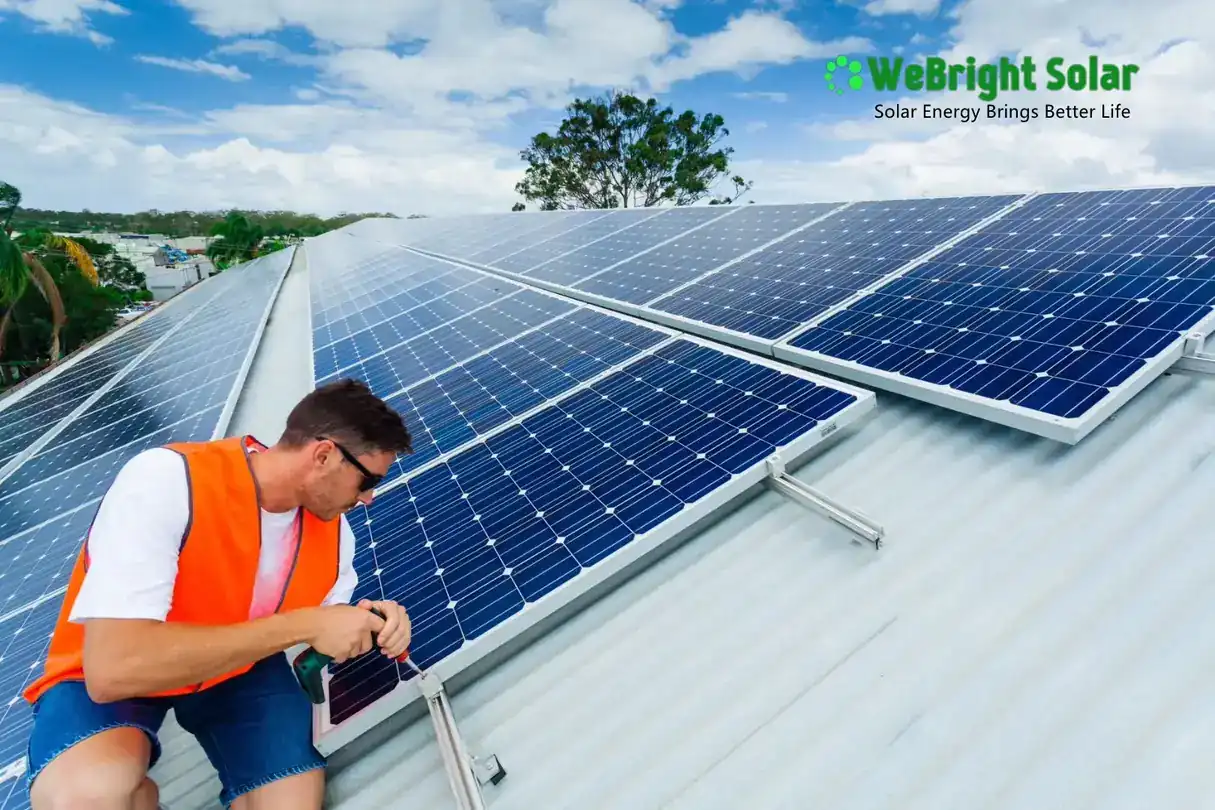
Technician in an orange safety vest installing solar panels on a corrugated metal roof.

Battery Type Determines System Cost and Lifespan

Lead acid batteries are lower in upfront cost but have shorter cycle life and require regular maintenance. Lithium iron phosphate (LiFePO4) batteries offer longer life, deeper discharge, and no maintenance, but at higher initial cost. The choice affects system lifetime and total cost of ownership.

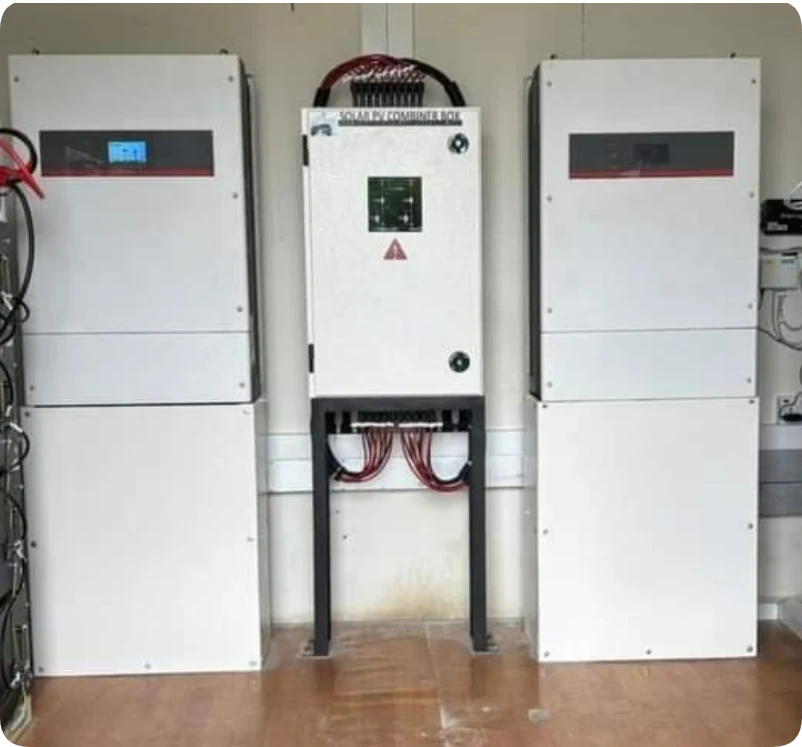
Solar PV combiner box mounted on a stand between two white electrical cabinets.

Panel Array Size Must Match Inverter and Battery Capacity

The solar array must generate enough energy to meet daily demand and recharge the battery bank. Over-sizing the array risks overcharging the battery if the charge controller cannot manage the input. Under-sizing leads to insufficient charge during low-light periods.

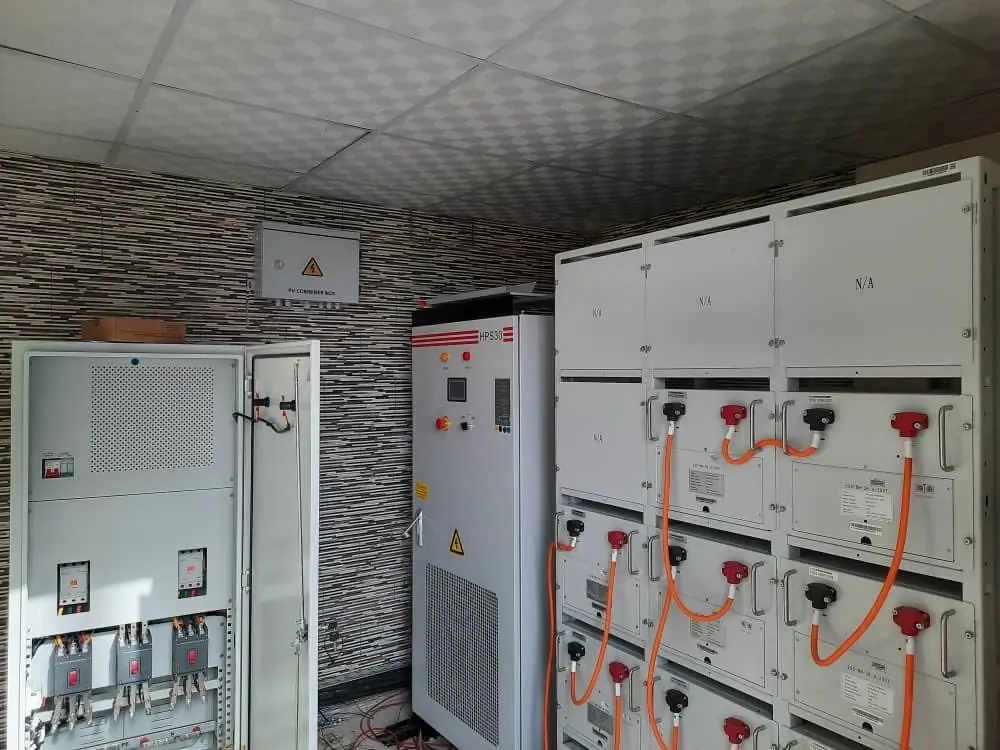
Interior of an industrial electrical room featuring large grey switchgear cabinets and orange cables.

Mounting System Must Support Panel Weight and Wind Load

The mounting structure must be rated for the panel weight, snow load, and local wind speed. Roof mounts require structural assessment, while ground mounts need foundation stability. A mismatch leads to panel damage or structural failure.

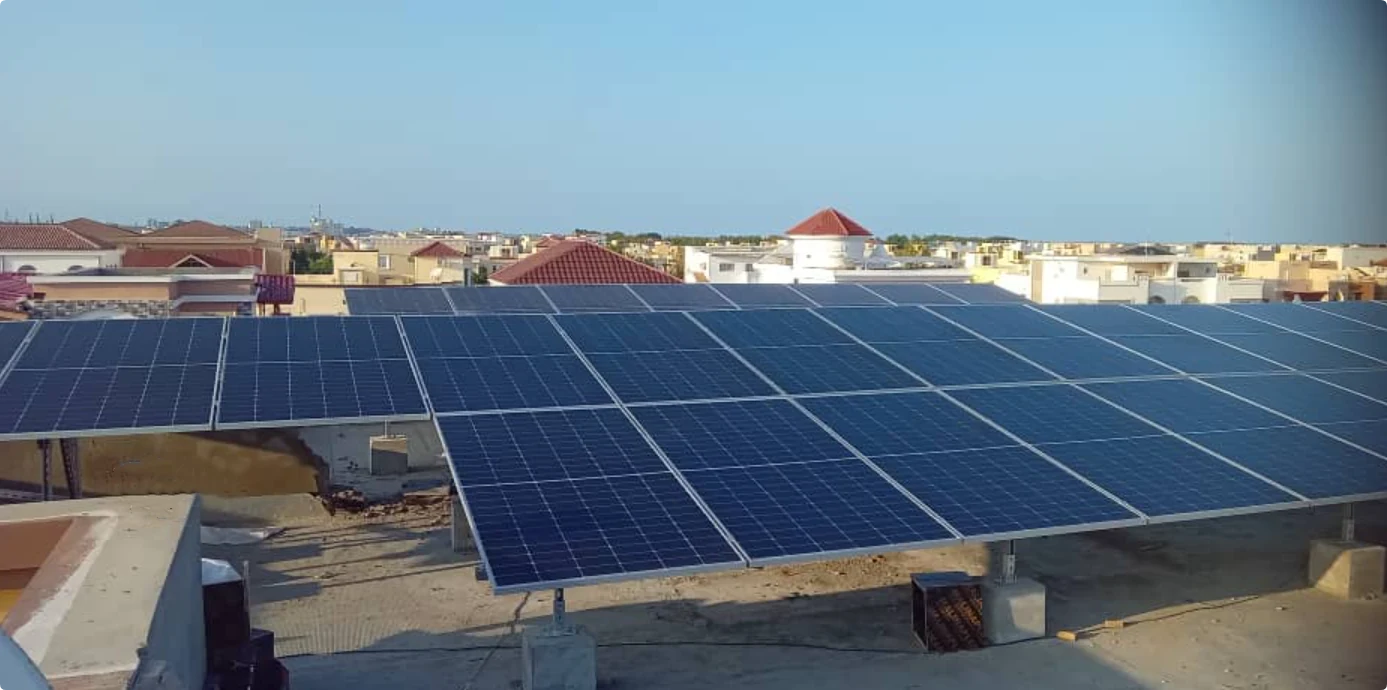
Solar panels installed on a flat rooftop overlooking a residential area under a clear sky.

Cabling and Connectors Must Handle System Current

Use cables with cross-sectional area sufficient for the maximum string current. MC4 connectors must be rated for the system voltage and current. Using undersized cables causes voltage drop and overheating, reducing system efficiency and safety.

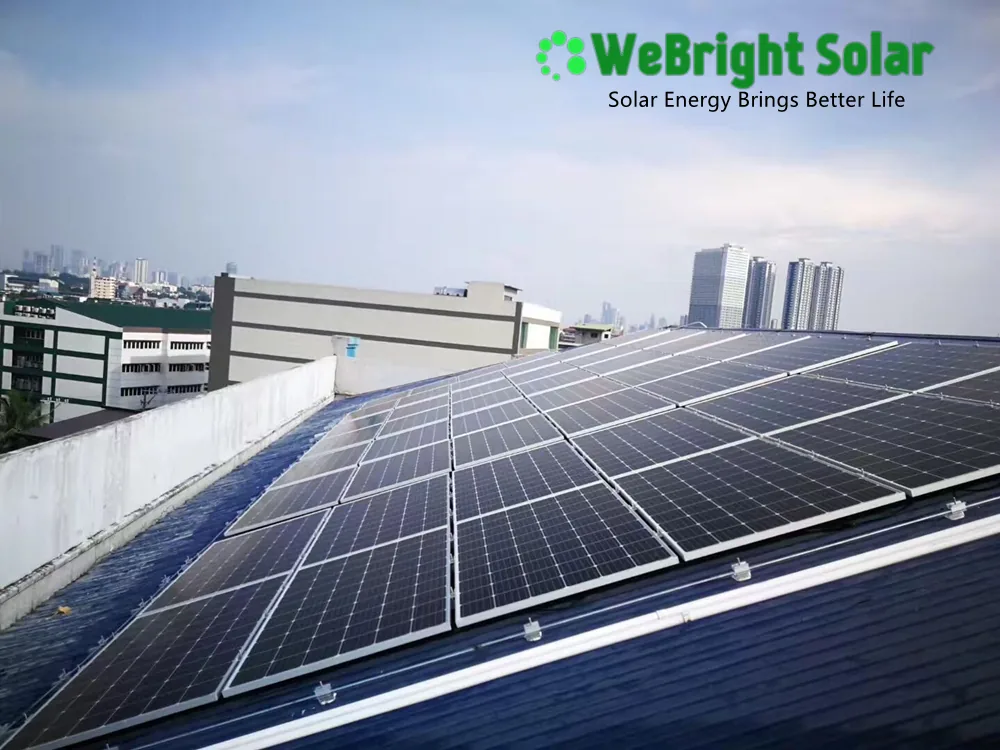
A rooftop installation of solar panels on a blue roof with a city skyline in the background.

Charge Controller Must Match Panel and Battery Voltage

The MPPT charge controller must accept the array’s open-circuit voltage and deliver the correct charging voltage to the battery. A mismatch causes the controller to fail to charge or damage the battery.

Products Mentioned

Equipment Behind This Guide

FAQ

Questions From This Guide

What is the difference between off-grid and hybrid solar systems?

An off-grid system operates independently of the utility grid and relies entirely on solar and battery storage. A hybrid system connects to the grid and can switch between solar, battery, and grid power based on availability and demand.

Can a 5kW solar system power a house?

A 5kW solar system can power a typical small to medium-sized house with basic appliances, lighting, and cooling, provided the daily energy demand is within the system’s output and battery storage capacity.

Do I need a battery for a solar system?

Only if the system is off-grid or needs backup during grid outages. Grid-tied systems without batteries can feed excess power to the grid but cannot supply power when the grid is down.

What happens if the solar system produces more power than needed?

In grid-tied systems, excess power is fed back to the grid. In off-grid systems, excess power is stored in the battery or, if full, may be diverted to a dump load or lost.

Turn This Into a Specification

Send your load list and site conditions and we will apply the guidance above to a configuration you can order.