The using method of optical brighteners in plastics
Published 13 Jun 2025 by the technical desk at Shandong Grand Chemical Co., Ltd..
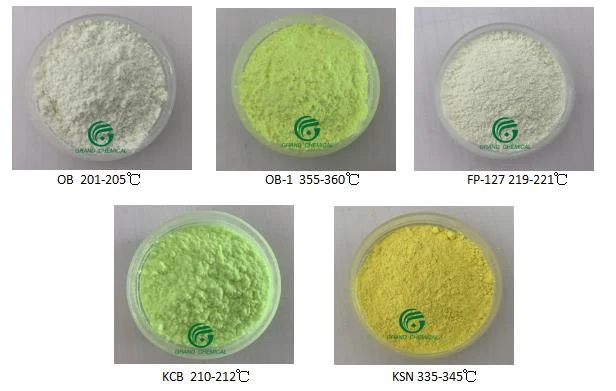
The main function of the optical brightener is to whiten and brighten plastic and improve the appearance of plastics. Optical brighteners in plastics are added mainly in three methods: the dry whitening method, the wet whitening method, and the masterbatch whitening method.
Here is a brief introduction:
1. Dry whitening method:
The dry whitening method is to add a certain amount of optical brightener dry powder directly to the plastic substrate before molding, and mix evenly with the plastic substrate. When the extruder reaches the melting temperature, the mixture will be extruded into the screw firing melting. It will make the optical brighteners uniformly distributed in the melt, and then finally pelletize or compression molding.
The dry whitening method mainly applies to rigid PVC, polyethylene, polypropylene, ABS, and other thermoplastic resins for injection molding whitening. The dry method whitening agent is relatively cheap in cost. But it has the disadvantage of large dust dispersion and environmental pollution.
2. Wet whitening method
In plastic whitening processing, in order to improve the dispersion effect, sometimes it is also necessary to add a certain amount of binder, such as butyl stearate, to the plastic whitening agent. This assures that the whitening agent better adheres to the surface of the material and also reduces its dust pollution.
The wet whitening method mainly applied to soft or flexible PVC. For example, it can be formulated into a 10% solution of dioctyl phthalate plasticizer and then added in batches.
3. White masterbatch method
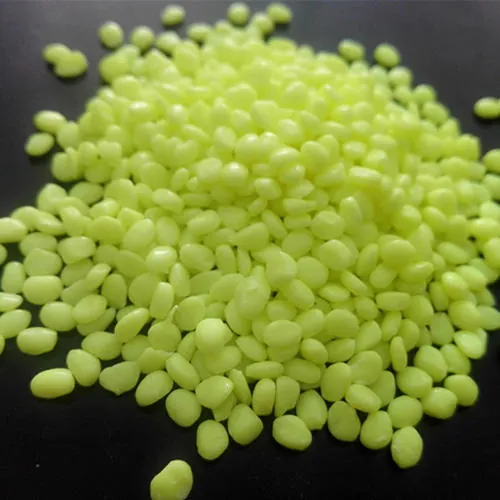
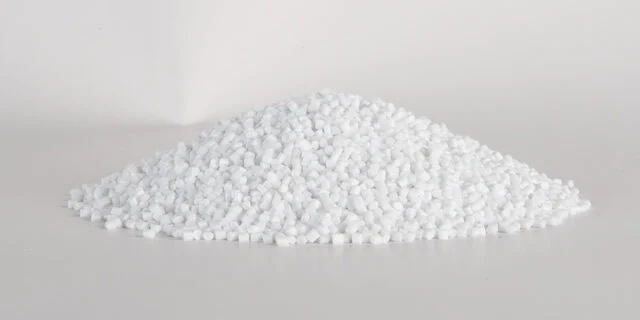
optical brightener masterbatches
At present, white masterbatch has become the main method for whitening plastics. It is a mixture of pellet substances of fluorescent whitening agent or pigments with the resins.
When using white masterbatch, just mix the masterbatches and resin evenly in proportion. And then use it directly for molding plastic products.
The most commonly used optical brighteners in plastics are OB, OB-1, FP-127, KCB, KSN, etc.
Talk it through with someone who ships the drums
Grand Chemical manufactures and exports the grades discussed above. Send the substrate, the process temperature and the whiteness target and we will name a grade and a dosage window.
Grades discussed in this article
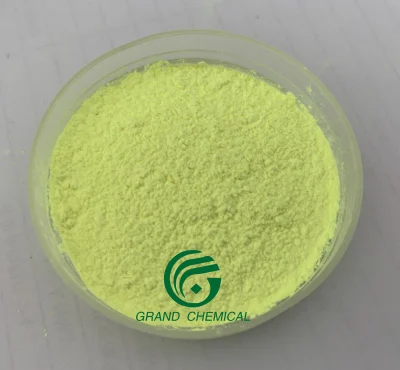
Optical brightener KSN
The migration-resistant grade.
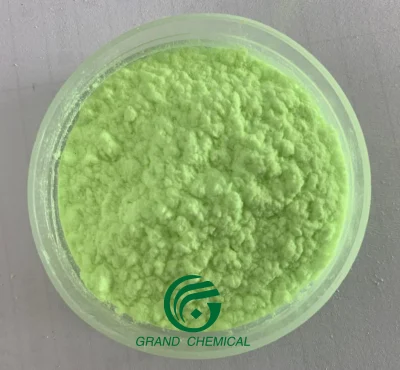
Optical brightener KCB
A naphthalene-bridged bisbenzoxazole developed for EVA foam, and still the first choice for footwear midsoles.
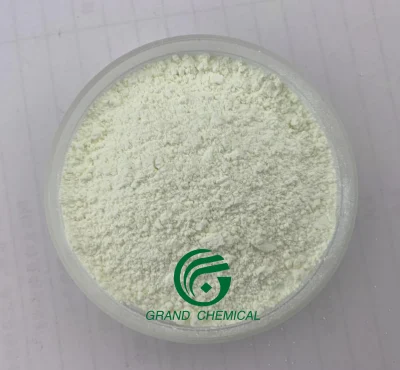
Optical brightener FP-127
A methoxy-substituted distyryl biphenyl built for soft PVC.
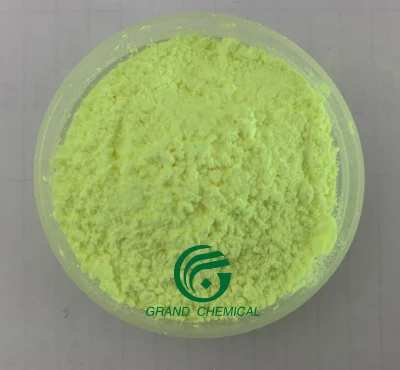
Optical brightener OB-1
The heat-resistance specialist.
Where this fits
Keep reading
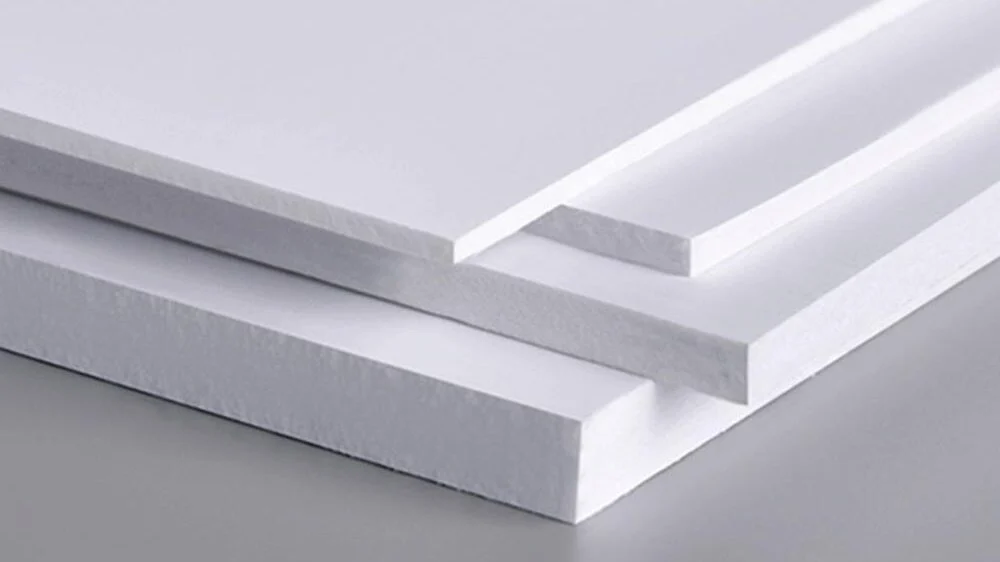
FP-127 for PVC Foam Board: High-Efficiency Optical Brightening Solution
oba for pvc foam board
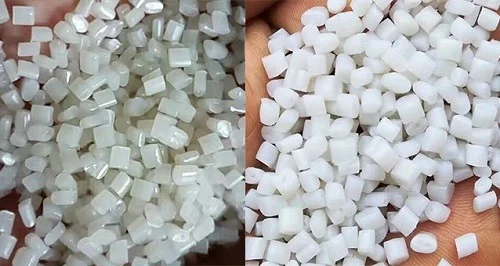
Optical Brighteners for Recycled Plastics: Enhancing Whiteness, Brightness, and Market Competitiveness
In today's highly competitive plastics industry, manufacturers face constant pressure to reduce costs while improving product quality. As a result,
Optical Brightener OB-1: Properties, Specifications, and Industrial Applications
Optical brightener OB-1 is one of the most widely used and highly effective fluorescent whitening agents in the plastics and
A Technical Guide to Selecting the Best Optical Brightener for Polyamide (Nylon) Applications
Polyamide (PA), widely known as nylon, is a high-performance thermoplastic resin characterized by repeating amide linkages -[NHCO]-. As one of
A Technical Guide to Choosing the Best Optical Brightener for PVC Products
In PVC manufacturing, appearance quality is a critical factor that directly influences market competitiveness. Whether for rigid PVC pipes, sheets,