Optimizing Color Paste Performance with OBA for Color Pastes
Published 14 Nov 2025 by the technical desk at Shandong Grand Chemical Co., Ltd..
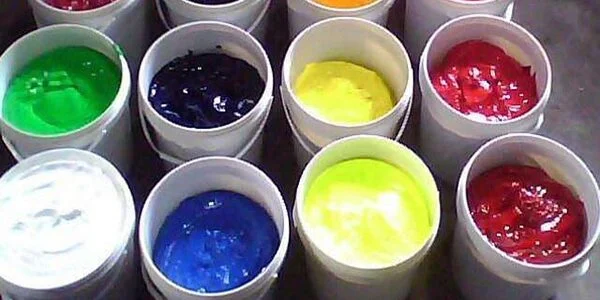
Color pastes are essential raw materials in the coatings and paint industry. Their tinting strength, whiteness, and brightness directly affect the final appearance and quality of paint products. To enhance these visual properties, many manufacturers rely on optical brightening agents (OBAs) . In this article, we'll explore how to use OBA for color pastes effectively and how to achieve optimal whitening and brightness performance.
Types of Color Pastes
Color pastes are typically classified into:
- Oil-based color pastes
- Resin-based color pastes
- Water-based color pastes
These colorants are widely used by paint and coating manufacturers. As market competition intensifies, achieving superior appearance quality becomes essential. To improve whiteness, clarity, and brightness, more producers are incorporating optical brighteners into their formulations.
How OBA for Color Pastes Works
Color pastes are generally produced by dispersing pigments into a carrier resin. When added in small amounts, optical brighteners help:
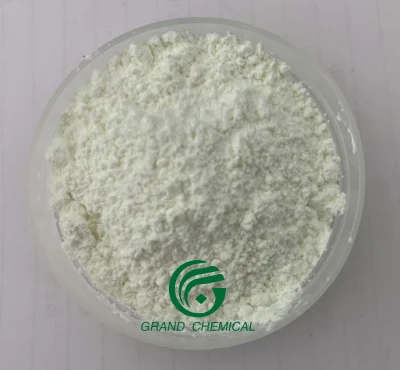
- Increase brightness
- Boost whiteness
- Improve overall appearance
- Enhance pigment performance
Because even small dosage variations can greatly affect color consistency, choosing the correct addition method is crucial.
Three Recommended Methods for Adding OBAs to Color Pastes
1. Add OBA During the Grinding Stage
This is considered the most effective method , as the brightener is fully dispersed during pigment grinding. It ensures excellent uniformity and optimum whitening performance.
2. Add OBA Using a High-Speed Mixer During Pigment & Filler Mixing
This method is slightly less efficient than grinding, but it still provides good dispersion for many production lines.
3. Pre-dilute OBA with Organic Solvents, Then Add While Stirring
For solvent-based color pastes, the OBA can first be dispersed with solvents like xylene or ethanol before blending into the formulation. ❗ Note: This method is NOT suitable for water-based systems.
Recommended Dosage
The typical addition amount is:
- 0.01% - 0.03%
- Approximately 100-300 g per metric ton
Maintaining accurate dosing and ensuring thorough mixing is key to achieving consistent results.
Choosing the Right OBA for Color Pastes
Selecting a high-purity, well-dispersing optical brightener is critical. Poor-quality brighteners may cause:
- Uneven tone
- Yellowish appearance
- Migration issues
- Reduced storage stability
Talk it through with someone who ships the drums
Grand Chemical manufactures and exports the grades discussed above. Send the substrate, the process temperature and the whiteness target and we will name a grade and a dosage window.
Where this fits
Keep reading
FP-127 for PVC Foam Board: High-Efficiency Optical Brightening Solution
oba for pvc foam board
OB for Ink: Enhancing Whiteness, Brightness, and Color Performance
Ink appearance plays a decisive role in product perception and end-use quality. To meet increasingly high visual standards, ink manufacturers
Optical Brighteners for Polyester Fiber: High-Performance Whitening Solutions
Optical brighteners for polyester fiber play a critical role in improving fabric whiteness, brightness, and visual appeal. Due to the
Optical Brighteners for Paints: Improving Whiteness, Brightness, and Visual Appeal
Optical brighteners for paints play a vital role in enhancing the visual quality of modern coatings. Also known as fluorescent
Optical Brighteners in Paper: Principles, Functions, and Applications in Papermaking
Optical brighteners play a critical role in modern papermaking by significantly improving whiteness, brightness, and visual appeal. Originally developed for