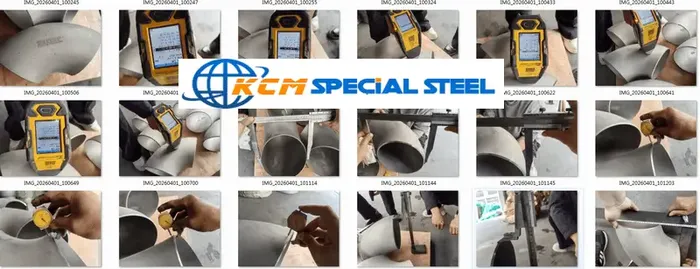
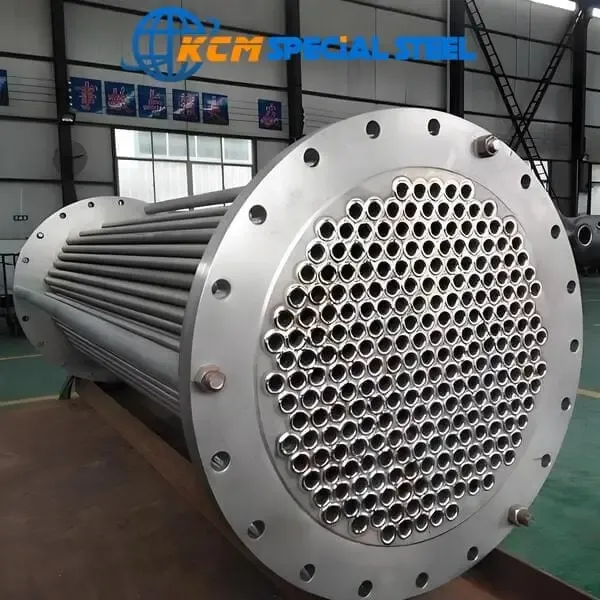
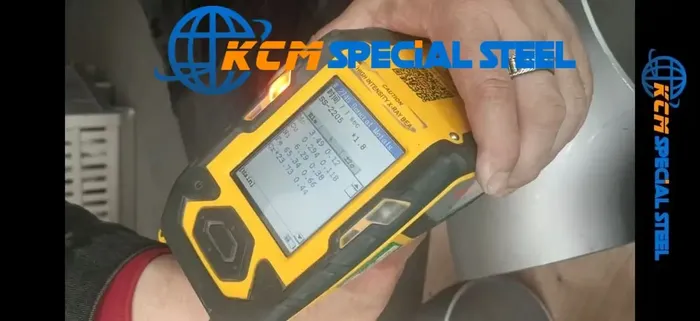
This comprehensive guide explores the step-by-step fabrication of 316L stainless steel pipes (also called SS316L pipes or TP316L stainless steel pipes), a critical material for harsh environments like chemical plants, marine systems, and biomedical infrastructure. Learn how raw material selection, advanced forming techniques (hot rolling, cold drawing, precision welding), and rigorous quality control (ASTM/EN standards) ensure corrosion resistance, mechanical strength, and dimensional accuracy. Detailed tables compare alloy compositions, mechanical properties, and testing protocols, while real-world examples highlight applications in sulfuric acid transport and seawater cooling. The article concludes with FAQs addressing common challenges like weld decay and surface contamination, plus actionable maintenance strategies to extend pipe lifespan.
How to Fabricate 316L Stainless Steel Pipes : TP316L Stainless Steel Seamless Pipe Fabricate Video:
1. Overview of 316L Stainless Steel Pipes
316L stainless steel pipes (also called SS316L pipes or TP316L stainless steel pipes) are low-carbon, molybdenum-enriched austenitic steel tubes. They are widely used in corrosive environments, such as marine engineering, chemical plants, and medical equipment, due to their resistance to pitting, crevice corrosion, and stress corrosion cracking (SCC).
2. Raw Material Selection and Preparation
2.1 Key Requirements for Raw Materials
To produce STAINLESS STEEL 316L PIPE, the alloy must meet strict compositional standards:
Element | Permitted Range (%) | Role in Fabrication |
|---|---|---|
Chromium (Cr) | 16.0–18.0 | Forms corrosion-resistant oxide layer |
Nickel (Ni) | 10.0–14.0 | Stabilizes austenitic structure |
Molybdenum (Mo) | 2.0–3.0 | Enhances chloride resistance |
Carbon (C) | ≤0.03 | Prevents carbide precipitation |
Low carbon content (<0.03%) is critical to avoid sensitization during welding.
2.2 Material Certification
Verify compliance with ASTM A312 or EN 1.4404 standards.
Use certified meltsheets to confirm traceability of raw materials.
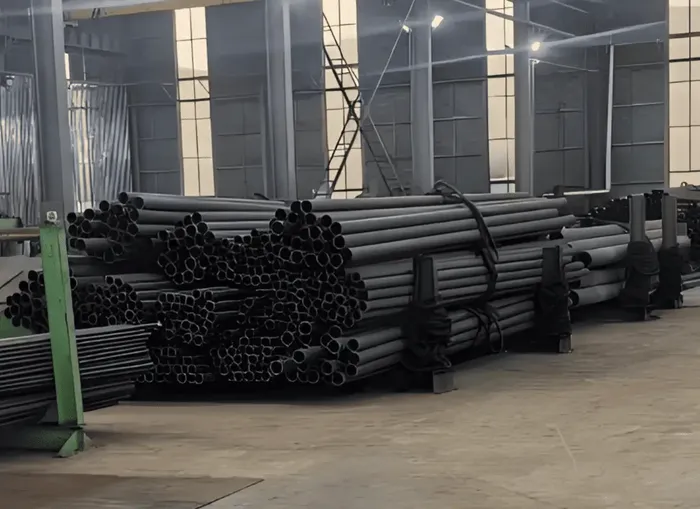 SS316L Stainless Steel Pipe Billet Raw Material
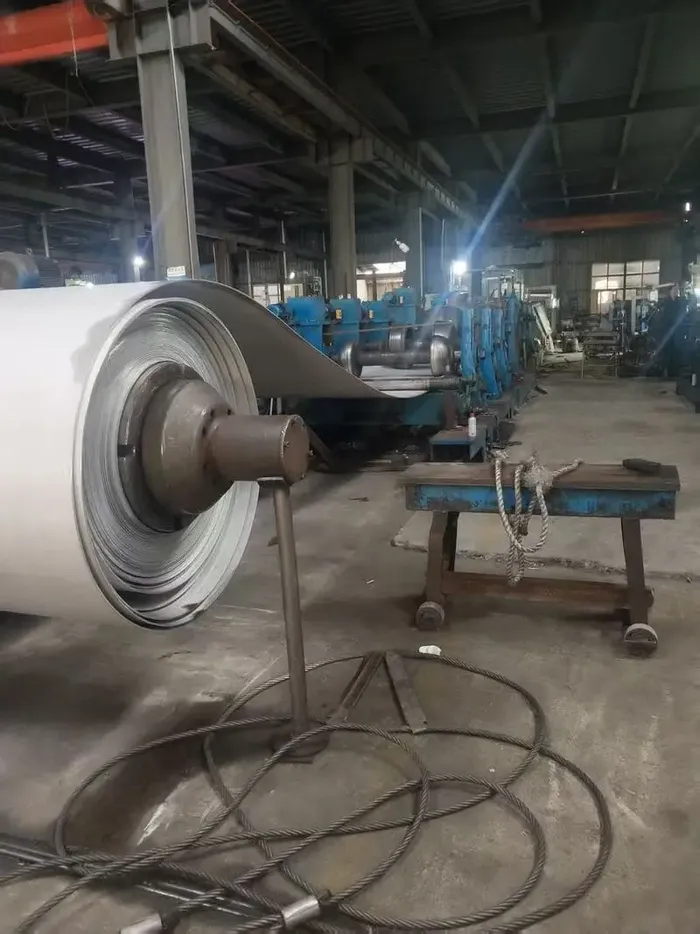 316L Stainless Steel Welded Pipe Raw Material Plate Coil And Manchine
3.How to Fabricate 316L Stainless Steel Pipes Step-by-Step Fabrication Process:
3.1 How to Fabricate 316L Stainless Steel Pipes Melting and Casting
Raw Material Melting:
Charge high-purity iron, chromium, nickel, and molybdenum into an electric arc furnace (EAF).
Maintain temperatures at 1,500–1,600°C to ensure homogeneity.
Continuous Casting:
Pour molten steel into molds to form billets (round/square cross-sections).
Cool rapidly to minimize segregation.
3.2 How to Fabricate 316L Stainless Steel Pipes : Hot Forming
Piercing and Extrusion:
Heat billets to 1,200–1,300°C in a rotary hearth furnace.
Use a piercing mill to create hollow shells (blooming stage).
Rolling:
Pass pierced shells through a mandrel mill to achieve desired outer diameter (OD) and wall thickness.
Typical tolerances: ±10% for OD, ±12.5% for thickness (ASME B36.19M).
3.3 How to Fabricate 316L Stainless Steel Pipes: Cold Drawing (for Precision Pipes) Process:
Anneal hot-rolled pipes at 1,010–1,120°C to soften the structure.
Draw through carbide dies to refine dimensions (±0.05–0.15 mm tolerance).
Applications: Medical devices, instrumentation systems.
3.4 How to Fabricate 316L Stainless Steel Pipes Welding (for Welded Pipes) Laser/TIG Welding:
Weld rolled steel strips (slit coils) using low-heat input methods.
Shielding gas: 98% Ar + 2% H₂ to prevent oxidation.
Post-Weld Treatment:
Anneal welded joints at 1,050°C to restore corrosion resistance.
3.5 How to Fabricate 316L Stainless Steel Pipes Surface Finishing
Technique | Purpose | Surface Roughness (Ra) |
|---|---|---|
Pickling | Remove oxide layers | ≤1.2 µm |
Electropolishing | Improve hygiene and corrosion resistance | ≤0.4 µm |
Passivation | Enhance chromium oxide layer | N/A |
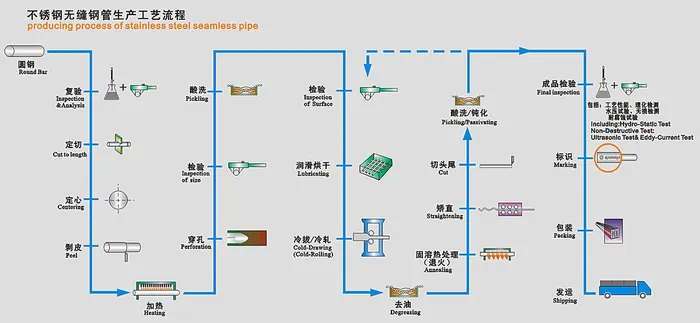 316L Stainless Steel Seamless Pipe Fabricate Process Flow Chart
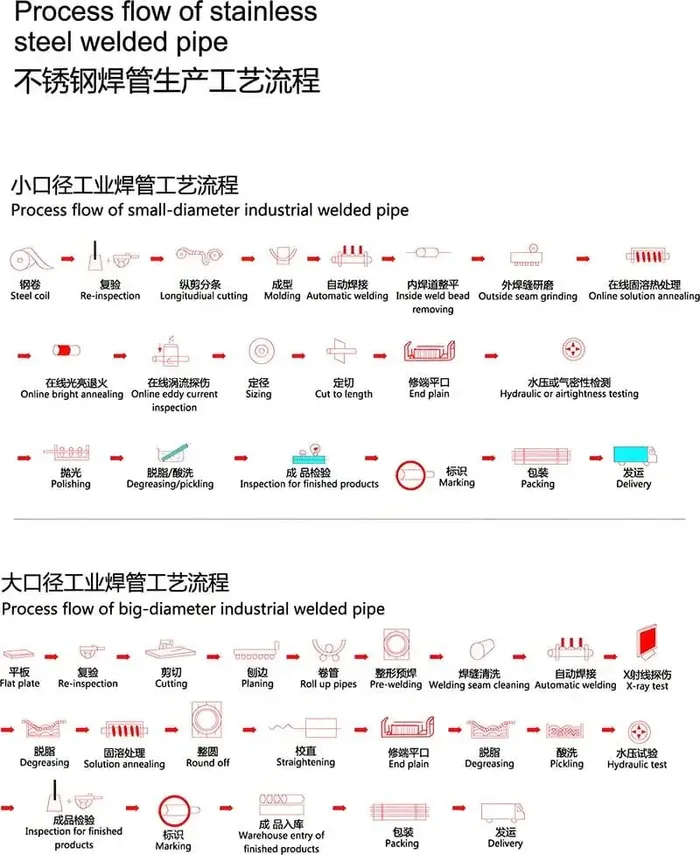 316L Stainless Steel Welded Pipe Fabricate Process Flow Chart
4. 316L Stainless Steel Pipe Fabricate Quality Control and Testing
4.1 How to Fabricate 316L Stainless Steel Pipes Mechanical Testing
Test | Standard | Acceptance Criteria |
|---|---|---|
Tensile Strength | ASTM A370 | 485–620 MPa |
Hardness Test | ASTM E18 | ≤95 HRB |
Flattening Test | ASTM A450 | No cracks at 80% flattening |
4.2 How to Fabricate 316L Stainless Steel Pipes Non-Destructive Testing (NDT)
Ultrasonic Testing (UT): Detects internal flaws (e.g., inclusions).
Hydrostatic Testing: Pressurize pipes to 1.5× working pressure for 10 seconds.
316L Stainless Steel Pipe Quality Control Test Machines
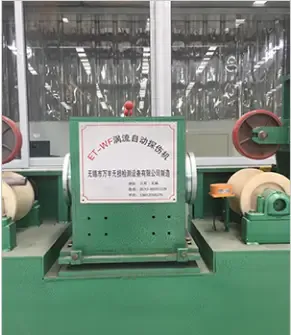 et machine
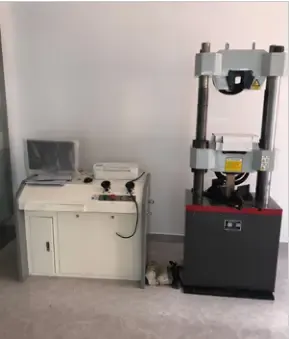 Hydraulic universal test machine
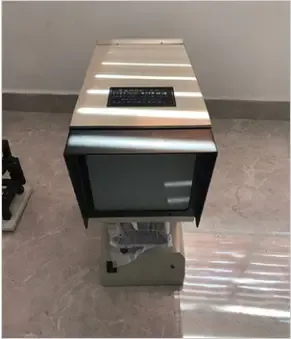 Impact specimen notch projector
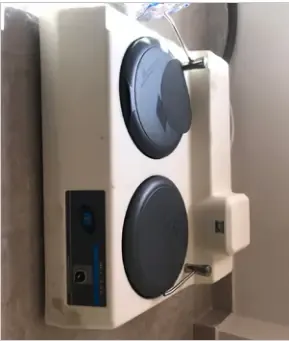 Metallographic sample grinding and polishing machine
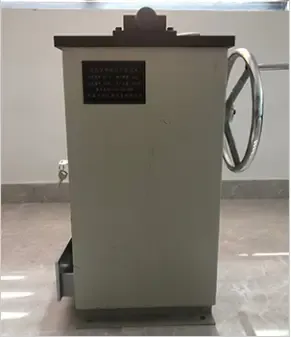 Manual tensile testing machine
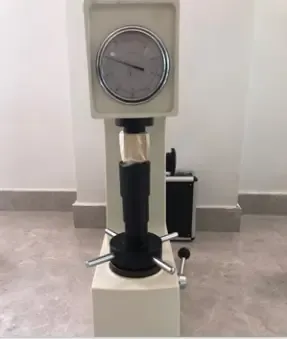 Rockwell hardness test machine
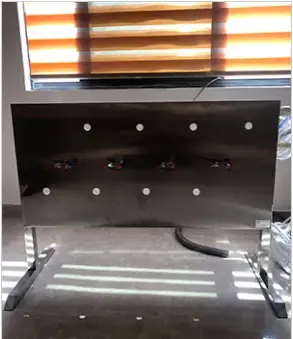 Clean room corrosion test machine
5. Applications of SS316L Pipe Fabricate
ndustry | Use Case | Key Benefit |
|---|---|---|
Chemical Processing | Sulfuric acid transport lines | Resists pitting at high temps |
Marine Engineering | Seawater cooling systems | Chloride resistance (Mo ≥2.5%) |
Pharmaceuticals | Sterile bioreactor piping | Electropolished surface (Ra ≤0.4 µm) |
6. Maintenance and Troubleshooting
Issue: Weld decay due to carbide precipitation.Solution: Use ER316L filler metals and post-weld annealing.
Issue: Pitting in chloride-rich environments.Solution: Passivate with 20–50% nitric acid.
7. FAQs: Common Questions About SS316L AISI316L TP316L Stainless Steel Pipe Fabricate
Q1: Why choose 316L over 316 stainless steel for welding?
A: The lower carbon content (≤0.03% vs. ≤0.08% in 316) minimizes carbide precipitation, reducing intergranular corrosion risks.
Q2: What is the maximum operating temperature for TP316L stainless steel pipes?
A: 870°C in continuous service; short-term exposure up to 925°C is permissible.
Q3: How to prevent surface contamination during fabrication?
A: Use dedicated tools for stainless steel, and avoid contact with carbon steel to prevent iron contamination.
Q4: Can SS316L pipes be used in acidic environments?
A: Yes, they resist sulfuric acid (<10% concentration), phosphoric acid, and acetic acid.
Q5: What post-installation treatments are required for 316L welded joints?
A: Post-weld annealing (1,050–1,100°C) is recommended to dissolve chromium carbide precipitates and restore corrosion resistance. Passivation with nitric acid further enhances surface integrity.
Q6: Can 316L pipes withstand cryogenic temperatures (-200°C)?
A: Yes, 316L retains ductility down to -200°C due to its austenitic structure, making it suitable for LNG and cryogenic storage systems (per ASME B31.3 Appendix A).
Q7: How to verify if 316L pipes meet marine-grade specifications?
A: Require mill test reports (MTRs) confirming compliance with ASTM A312/A999 and ASTM A923 (for intergranular corrosion testing). Third-party lab validation is advised for chloride-rich environments.
Q8: Are 316L pipes recyclable?
A: Absolutely. 316L is 100% recyclable, with a scrap recovery rate exceeding 90% in modern smelters, aligning with ISO 14001 environmental standards.
Q9: What surface finishes are available besides electropolishing?
A: Options include sandblasting (Ra 1.6–3.2 µm), brushed finish (Ra 0.8–1.6 µm), and mirror polishing (Ra ≤0.2 µm), selected based on hygiene or aesthetic requirements.
Q10: How to reduce project costs when using 316L pipes?
A: Opt for welded pipes in non-critical systems (30% cost savings vs. seamless), or use schedule 5/10S thin-wall designs where pressure tolerances allow.
8. Summary How to Fabricate 316L Stainless Steel Pipes
316L stainless steel pipes (or STAINLESS STEEL 316L PIPE) are engineered for durability in aggressive environments. Key fabrication steps include:
- Material Selection: Ensure low carbon and precise Cr/Ni/Mo ratios.
- Hot/Cold Forming: Achieve dimensional accuracy through rolling or drawing.
- Welding & Finishing: Use low-heat techniques and electropolishing for optimal performance.
- Quality Assurance: Conduct UT, hydrostatic tests, and chemical analysis.
By adhering to ASTM/EN standards and proactive maintenance, SS316L pipes deliver decades of reliable service.