DUPLEX STAINLESS STEEL PIPE INSTALLATION & OPERATION GUIDE 2025
 DUPLEX STAINLESS STEEL PIPE INSTALLATION & OPERATION GUIDE 2025
1. Simple Introduction Duplex Stainless Steel Pipes
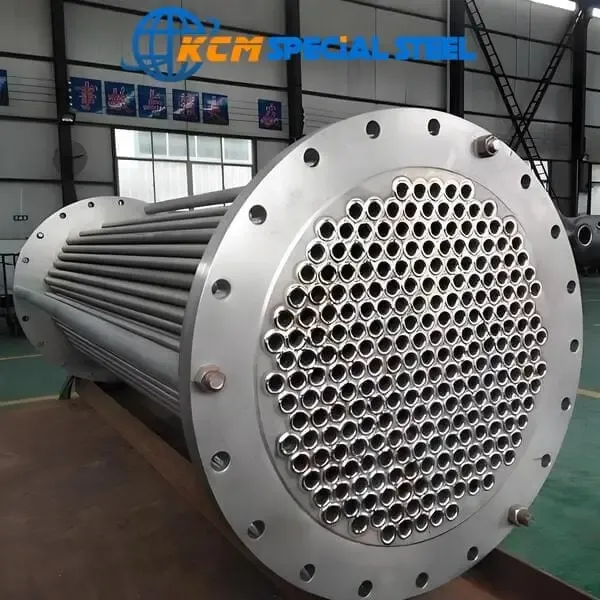
Duplex stainless steel pipes (DSS pipes) combine austenitic and ferritic microstructures, offering 2x higher yield strength (≥550 MPa) and 3x better chloride resistance than conventional stainless steels (e.g., 304). These pipes are ideal for harsh environments such as offshore platforms, chemical plants, and desalination systems.
2. Duplex Stainless Steel Pipe Installation Prepare Requirements
Material Certification for DSS Pipes
Verify compliance with ASTM A790/A928:
|
Parameter |
Specification |
|
Chromium (Cr) |
22–23% |
|
Molybdenum (Mo) |
3.0–3.5% |
|
Nitrogen (N) |
0.14–0.20% |
|
Yield Strength |
≥550 MPa |
Storage & Handling
- Storage: Elevate dss pipes on non-conductive racks (e.g., rubber-lined) to avoid galvanic corrosion.
- Protection: Seal pipe ends with plastic caps to prevent debris ingress.
Duplex Stainless Steel Pipe Offshore Infrastructure and Installation Techniques Video:
3. Installation of Duplex Stainless Steel Pipes
Step 1: Cutting & Bevelling
- Tools: Use plasma or laser cutters to minimize heat-affected zones (HAZ).
- Bevelling: Machine a 35° V-groove with a 1.6 mm root face for optimal weld penetration.
Text-Based Image Replacement (Cutting Quality):
- Acceptable: Smooth, burr-free edges on DSS pipes.
- Reject: Irregular edges causing stress concentration (risk of crack initiation).
Step 2: Alignment
|
Tolerance |
Limit |
|
Axial misalignment |
≤1 mm per meter |
|
Radial offset |
≤10% wall thickness |
Step 3: Welding
|
Parameter |
Requirement |
|
Interpass temperature |
≤150°C |
|
Shielding gas |
98% Ar + 2% N₂ (≥99.995% purity) |
|
Heat input |
0.5–1.5 kJ/mm |
Weld Defects:
- Good Weld: Uniform silver finish on DSS pipe joints (indicating proper gas coverage).
- Bad Weld: Discoloration (blue/purple tints) due to oxidation or porosity.
4. Duplex Stainless Steel Pipe Operational Limits
Chemical Compatibility
|
Chemical |
Safe Range |
Risk Condition |
|
Seawater |
≤28,000 ppm Cl⁻, ≤40°C |
Pitting at >40°C |
|
Sulfuric acid |
≤40%, ≤50°C |
Stress cracking at >60°C |
|
Hydrochloric acid |
Avoid (corrodes rapidly) |
Not recommended |
Corrosion Zones:
- Green Zone: DSS pipes safely handle chlorides ≤20,000 ppm at ≤80°C.
- Red Zone: Hydrochloric acid >5% causes rapid corrosion (avoid at all costs).
Chemical Compatibility
|
Chemical |
Safe Range |
Risk Condition |
|
Seawater |
≤28,000 ppm Cl⁻, ≤40°C |
Pitting at >40°C |
|
Sulfuric acid |
≤40%, ≤50°C |
Stress cracking at >60°C |
|
Hydrochloric acid |
Avoid (corrodes rapidly) |
Not recommended |
Corrosion Zones:
- Green Zone: DSS pipes safely handle chlorides ≤20,000 ppm at ≤80°C.
- Red Zone: Hydrochloric acid >5% causes rapid corrosion (avoid at all costs).
5. Inspection & Maintenance of Duplex Stainless Steel Pipes
Routine Checks
- Visual Inspection: Monthly checks for cracks, pitting, or discoloration on duplex stainless steel pipe surfaces.
- Cleaning: Use 5% HNO₃ solution for passivation to restore corrosion resistance.
Advanced Testing
|
Method |
Frequency |
Acceptance Criteria |
|
Ultrasonic Testing |
Annually |
No flaws >2 mm equivalent |
|
Hardness Testing |
Post-weld |
≤310 HV in weld zone |
UT Procedure:
- Setup: Probe scans dss pipe welds; coupling gel ensures signal accuracy.
- Defect Alert: Echo loss or high-amplitude signals indicate cracks or voids.
6. Case Study: Offshore Cooling System
A North Sea platform deployed duplex stainless steel pipes (UNS S32205) for seawater cooling:
- Performance: Zero leaks over 5 years; corrosion rate <0.01 mm/year in 28,000 ppm Cl⁻.
- Cost Savings: 30% lower lifecycle cost vs. super duplex alternatives.
7. Summary DSS Pipes
Key Best Practices for Duplex Stainless Steel Pipes:
- Contamination Control: Isolate from carbon steel tools to prevent iron contamination.
- Welding Discipline: Strictly monitor interpass temperatures (≤150°C) and gas purity.
- Chemical Vigilance: Avoid hydrochloric acid and high chloride + heat combinations.
- Proactive Inspections: Annual UT/PT testing to ensure long-term integrity.
8. FAQ DSS Pipes
Q1: Can duplex stainless steel pipes replace titanium in seawater systems?
A: Yes, for temperatures ≤40°C and chlorides ≤28,000 ppm. DSS pipes offer comparable performance at lower cost.
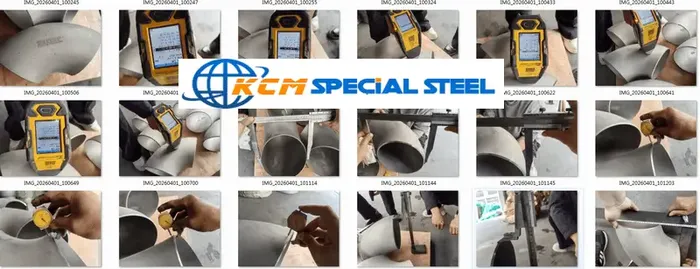
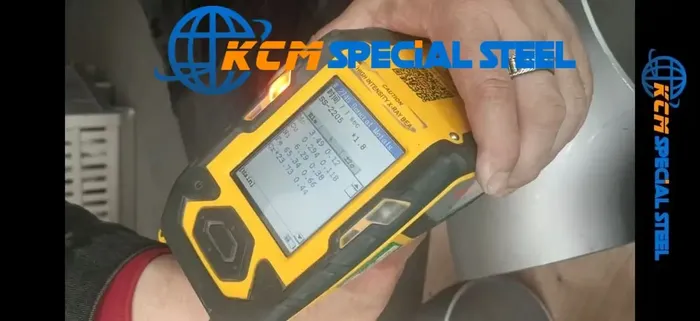
Q2: How to identify counterfeit DSS pipes?
A: Conduct PMI testing to verify Cr/Ni/Mo/N content matches ASTM A790.
Q3: Is post-weld heat treatment needed for DSS pipes?
A: No. DSS retains corrosion resistance without post-weld treatment.
Q4: What causes pitting in duplex stainless steel pipes?
A: Chlorides >20,000 ppm combined with temperatures >80°C.
Q5: Can duplex stainless steel pipes handle hydrogen sulfide (H₂S) environments?
A: Yes, if hardness ≤310 HV and pH ≥4 (per NACE MR0175).