Knowledge Center · Fly Traps & Catchers
Practical farm methods — breeding-site management, feed additives, screening and traps — for reducing flies and mosquitoes in animal housing.
Fly and mosquito control in animal housing affects stock quality, farm hygiene and disease prevention. Spraying alone does not solve it.
Spraying inside the house is the common approach, but it does not address the cause. Removing the places where flies live and reproduce is what actually clears them.
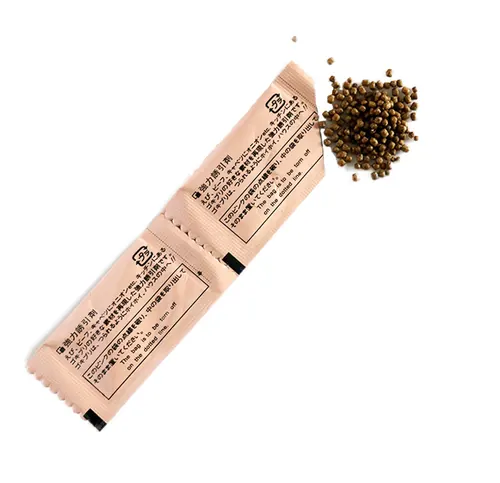
Cyromazine is an insect growth regulator effective against the larvae of Diptera species, particularly the common fly species that breed in manure. Added to feed, it prevents flies from reaching the adult stage, and it has worked well on many pig farms.
The second approach targets eggs. Cover the manure produced each day with plastic sheeting so eggs and larvae are sealed in. It does not need to be done daily — flies take time to develop from egg to adult, and changing the sheet every three days is enough. The sheet must be sealed tightly; any hole should be plugged with soil or another material so no air escapes. This method is important on farms using complete feed, where additives are not an option, because spilled feed and manure remain the main breeding ground.
Where flies persist after both methods, the cause is usually house hygiene. Spilled feed accumulates and becomes a breeding site, so check feeding areas regularly and deal with spillage promptly. Used together, these three measures make fly control straightforward.
Screening the whole house is practical on smaller farms. Testing shows that fitting a screen to the window blocks mosquitoes effectively. The trade-off is ventilation: dense screening restricts airflow and raises internal temperature by 2 to 3 °C compared with an open window. In summer this matters, particularly in the farrowing house, where sustained high temperature reduces sow feed intake.
FAQ
Describe the site and the pest pressure and we will recommend the models and placement that work.