
Fast Healing PU Hydrocolloid Plaster
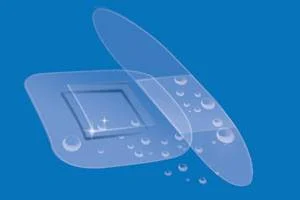
A flexible wound plaster combining an air-permeable polyurethane backing film with an adhesive hydrocolloid layer. Designed for sensitive skin, the PU film blocks germs while allowing moderate stretch across body contours.
What This Product Is
A flexible wound plaster combining an air-permeable polyurethane backing film with an adhesive hydrocolloid layer. Designed for sensitive skin, the PU film blocks germs while allowing moderate stretch across body contours. The hydrocolloid adhesive seals the wound bed, creating conditions that facilitate healing and reduce pain and scarring.
- Type: PU hydrocolloid plaster
- Backing material: Polyurethane (PU) film
- Adhesive material: Hydrocolloid
- Permeability: Air-permeable
Why Buyers Pick This Reference
- Polyurethane film backing blocks external germs while maintaining air permeability to protect the wound bed
- Moderate stretch characteristics allow the plaster to flex naturally with skin movement without lifting
- Hydrocolloid adhesive minimizes allergic reaction risks, making the plaster suitable for sensitive skin profiles
- Moist wound contact layer facilitates healing and reduces pain and scarring during recovery
- Available in both standard catalogue dimensions and custom customer sample designs for OEM brands
How It Is Built
- Polyurethane backing film provides an air-permeable barrier that keeps external germs away from wounds
- Moderate elasticity allows the dressing to conform closely to contours like a second skin
- Hydrocolloid adhesive layer creates a moist recovery environment to facilitate healing and lessen scarring
- Low-irritation formulation reduces the risk of allergic contact dermatitis on sensitive skin types
- Supplied in standard configurations or manufactured to custom dimensions from customer sample designs
Sizes Packing and Materials
Only values printed on the original product documentation are listed. Anything still marked TBC is confirmed per order rather than guessed here.
| Type | PU hydrocolloid plaster |
|---|---|
| Backing material | Polyurethane (PU) film |
| Adhesive material | Hydrocolloid |
| Permeability | Air-permeable |
| Elasticity | Moderate stretch |
| Barrier performance | Blocks germs out |
| Skin compatibility | Suitable for sensitive skin |
| Sizes | Standard & Custom |
| MOQ | TBC |
| Lead time | TBC |
- Polyurethane film provides a flexible, air-permeable exterior backing that shields against external contamination
- Hydrocolloid adhesive compound delivers skin-friendly adhesion designed to minimize allergic reactions on sensitive skin
Buyers This Product Was Built For
- Medical device distributors sourcing hydrocolloid dressings alongside standard hospital wound consumables
- Private-label brand owners developing retail adhesive plaster ranges for sensitive skin applications
- Procurement teams seeking OEM wound care products with customized packaging and catalogue numbers
- Importers requiring medical wound dressings from manufacturing facilities with ISO, CE and FDA approvals
What Goes Wrong Without It
- Rigid conventional plasters peel off moving joints, leaving open wounds vulnerable to external bacterial exposure
- Standard adhesives frequently provoke allergic reactions and tissue trauma when applied to fragile or sensitive skin
- Dry wound dressings often cause severe pain and renewed tissue tearing during dressing change procedures
- Distributors struggle to find Chinese suppliers offering both standard plaster sizes and custom OEM dimensions
Where It Is Used
Superficial skin wounds requiring a flexible bacterial barrier that tolerates joint movement and stretching
Wound care protocols for patients with sensitive skin prone to adhesive-related contact irritation
Minor abrasions and lacerations where maintaining moist conditions reduces pain and tissue scarring
First-aid kits and OTC wound care packaging lines requiring flexible hydrocolloid plaster strips
How It Is Made
- Polyurethane film is coated with hydrocolloid adhesive under controlled cleanroom manufacturing standards
- Composite sheets are precision cut into standard plaster shapes or customized client tool designs
- Individual plasters receive protective release liners to safeguard adhesive integrity prior to application
- Finished dressings are sealed in primary packaging according to distributor packaging artwork specifications
What Is Checked Before It Ships
- Adhesion and stretch tolerances are evaluated to maintain secure fixation on moving body parts
- Germ-barrier integrity and film permeability are inspected to confirm compliant wound bed protection
- All partner manufacturing facilities hold active CE, US FDA and ISO regulatory management approvals
What Can Be Changed For Your Brand
- Custom plaster dimensions and cut shapes engineered directly from client-supplied physical design samples
- Private-label primary wrappers, retail inner boxes and master shipping carton artwork and printing
- Standard catalogue options or customized packaging counts tailored to regional distribution channels
How It Compares With The Alternatives
| Standard rigid adhesive plaster | Rigid plasters lack flexibility and lift off joints, whereas PU hydrocolloid stretches moderately with body movement |
|---|---|
| Traditional acrylic adhesive dressing | Acrylic adhesives often provoke contact allergies, while hydrocolloid adhesive minimizes allergic risks on sensitive skin |
How It Is Used
- Cleanse and thoroughly dry the skin surrounding the wound bed before applying the plaster
- Peel away the protective backing liner to expose the hydrocolloid contact adhesive surface
- Position the plaster centrally over the wound and smooth edges firmly against the skin
- Allow the flexible PU film to conform to natural contours without overstretching the dressing
- Replace the plaster when indicated or according to clinical and wound care management protocols
Fast Healing PU Hydrocolloid Plaster Buyer Questions
What backing material is used for this plaster?
The plaster utilizes an air-permeable polyurethane (PU) film backing that blocks external germs while providing moderate stretch.
Is this hydrocolloid plaster suitable for sensitive skin?
Yes. The hydrocolloid adhesive is formulated to minimize allergic reaction risks and is suitable for sensitive skin types.
Can you manufacture custom plaster sizes or shapes?
Yes. We accept customer sample designs and can manufacture both standard catalogue sizes and custom OEM specifications.
What regulatory certifications do your manufacturing partners hold?
All manufacturing facilities Nineluck invests in hold CE, US FDA and ISO regulatory approvals.
What is the minimum order quantity for OEM orders?
TBC. MOQ depends on whether you select standard sizes or custom die-cut designs. Contact our sales team for specific quantities.
What is the lead time for production?
TBC. Lead times vary based on custom packaging requirements and order volume.
Related Products
 Hydrocolloid DressingHydrocolloid DressingView specifications
 Hydrocolloid DressingHydrocolloid Dressing (Extra Thin)View specifications
 PU Foam DressingPU Foam DressingView specifications
 Silicone Wound DressingSilicone Wound DressingView specifications
 Silicone Wound DressingSilicone TapeView specifications
Quote Fast Healing PU Hydrocolloid Plaster
Send the size, the variant and the quantity. The reply carries pricing, packing and the CE, FDA and ISO certificate copies for this catalogue number.