
Wholesale and Sourcing
One supplier across nine pet categories
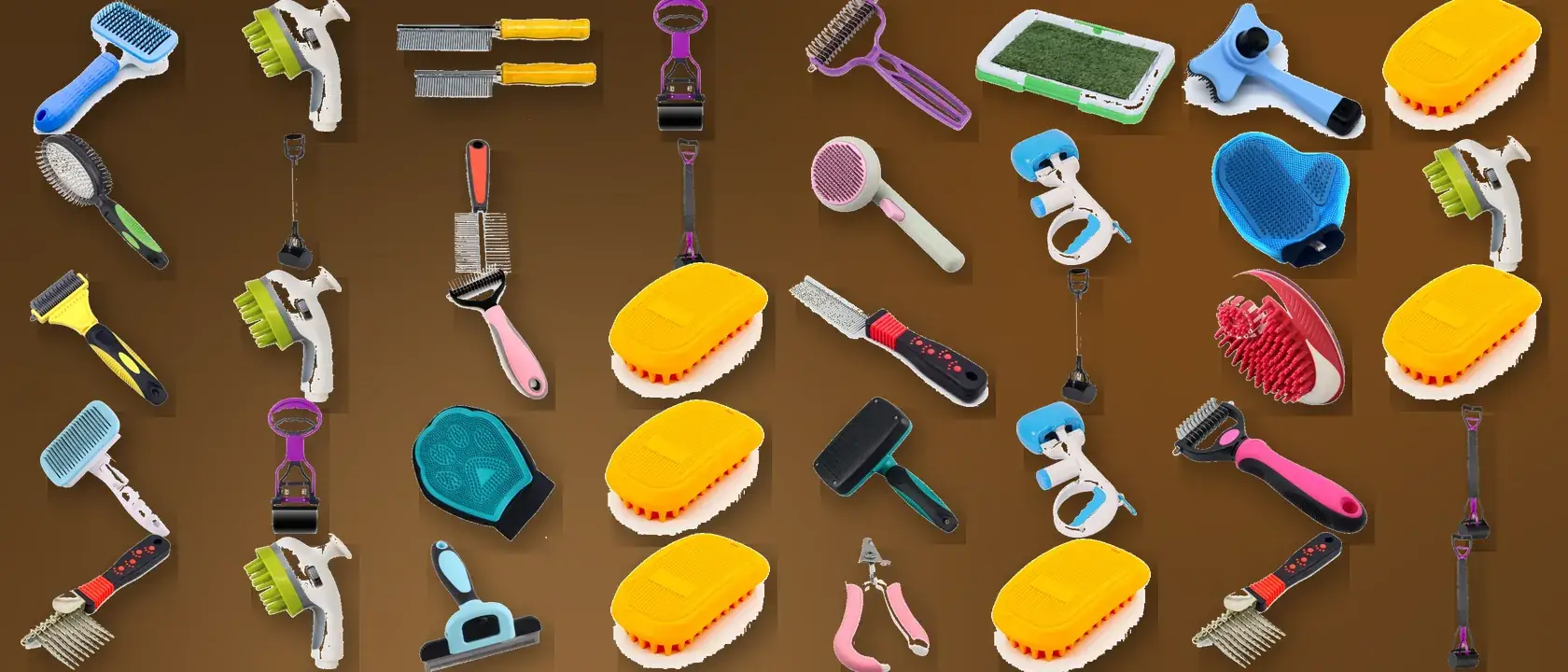
One brush never fits a whole customer base. A short guide to matching tools to coats, and to merchandising them so the right one gets picked.
Short coats need debris lifted and loose hair pulled out, not detangling. A firm bristle or rubber-style tool used in the direction of growth does the work, and the visible result on a dark coat is what sells the product in a demo.
Double-coated breeds drop undercoat in volume twice a year. This is the deshedding tool's moment, and it is also where a customer will buy the first thing they see. Stock depth ahead of the season rather than after the complaints start.
Long coats mat close to the skin, and the mat is the enemy, not the surface hair. Wide-tooth combs and pin tools used in short sections before bathing prevent mats setting. Brushing after a bath, with mats already in the coat, tightens them.
Curly coats hide matting completely until it is severe. These customers need a slicker-style tool and a routine, and they are the most likely to become repeat buyers of both grooming tools and hygiene accessories.
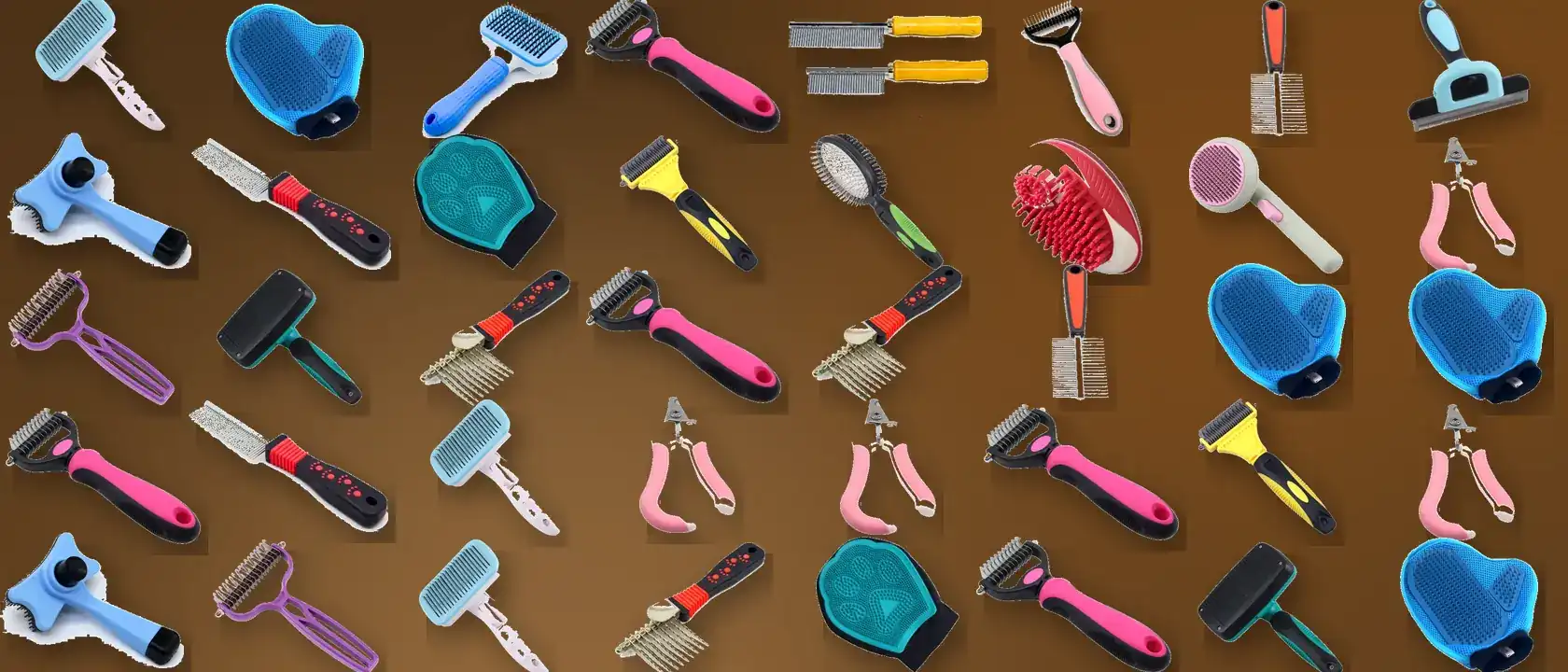
Grooming fixtures sell far better when the signage asks what coat the pet has rather than listing tool names. The customer knows their dog; they do not know what a slicker is.
Working on this category now? Send your shortlist of item codes and we will quote them with lead times and carton data. Ask on WhatsApp or email the team.
One supplier across nine pet categories
Before. Bathing a matted coat tightens the mats and makes them harder to remove.
Once pins bend or teeth deform. A damaged tool scratches skin, which is a welfare issue rather than a performance one.
Send the categories you are planning and we will come back with the item codes that fit and what they cost landed.