



From Cap Construction to Finished Sheitel
The whole path on one line: cap design by custom, cut and sew in lace, silk, mono, lining or ribbon, hand knotting at crown and hairline, wefting or a full hand tie, QC, and export packing.
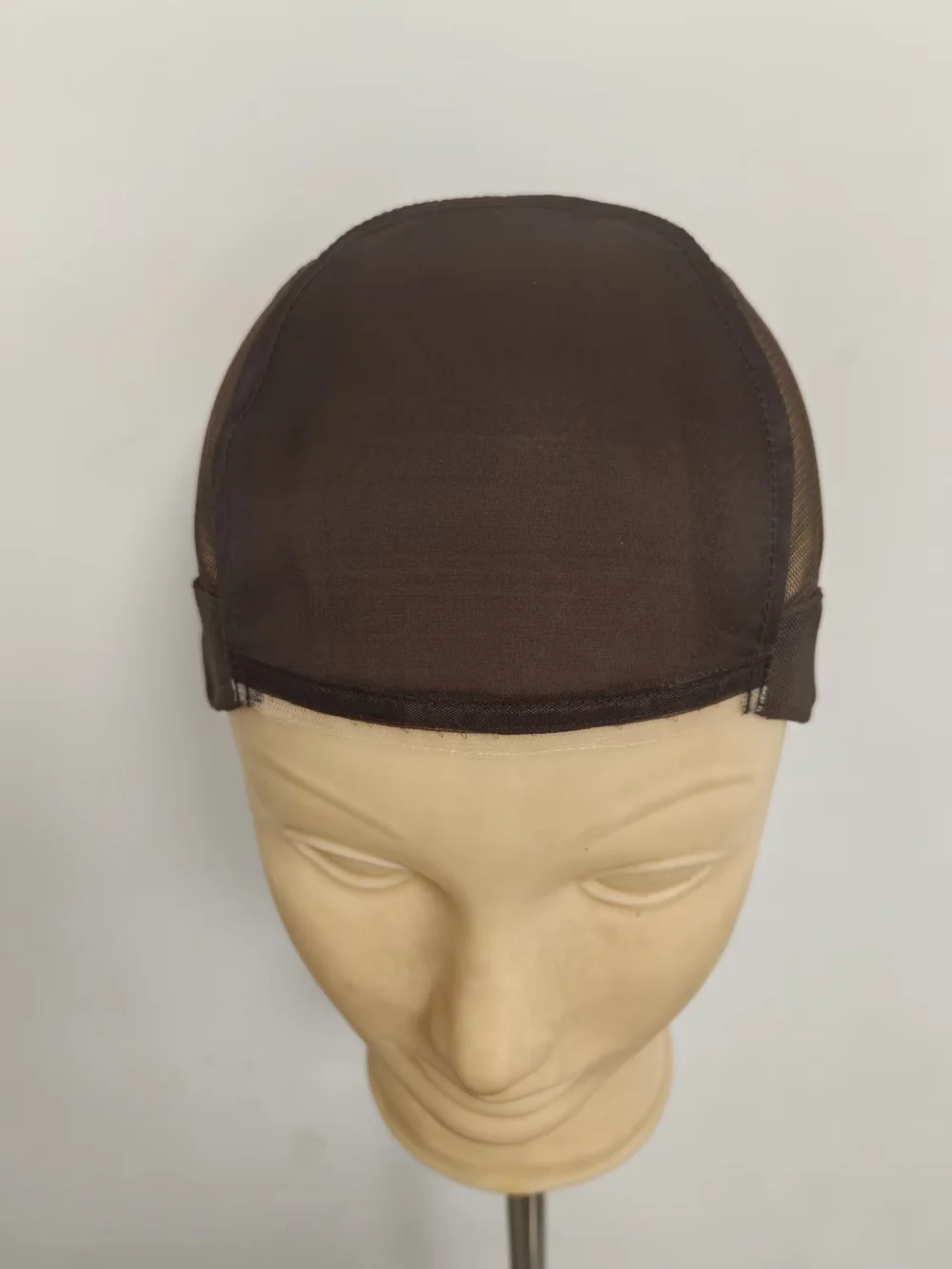
A sheitel is not a single operation. It is a base, a way of attaching hair to that base, a finish at the hairline, and a check before it leaves — each one able to spoil the others.
Keeping all of it in one place means the person who cut the base and the person who tied into it can be asked the same question about the same piece.
Stage by Stage
Design by Custom
The problem: A base picked for looks alone can fail the covering the wearer actually needs.
The cap type is fixed against the custom the piece will serve, so the rest of the line has one decision to follow.
Cut and Sew the Base
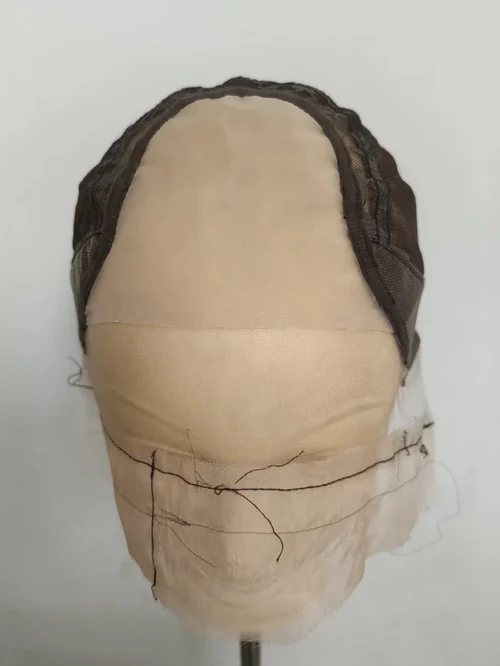
The problem: Panels joined without care leave a ridge that the wearer feels long before anyone sees it.
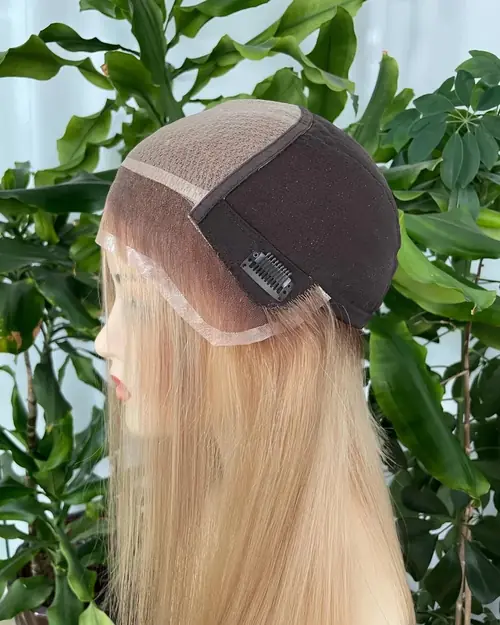
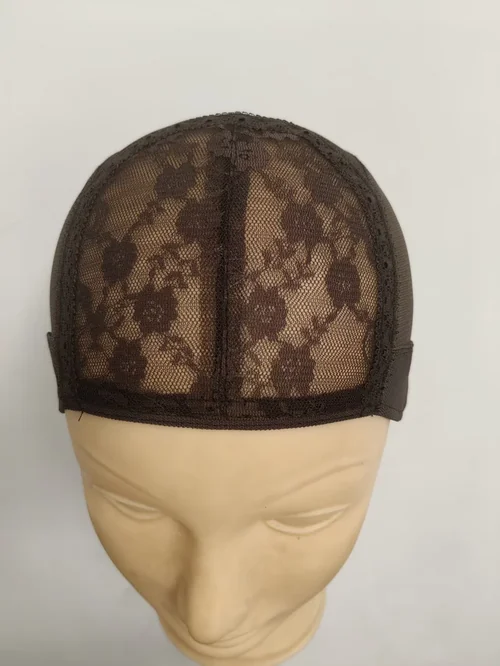
Lace, silk, mono, lining or ribbon is cut to the pattern and seamed flat so the base lies quietly on the head.
Ventilating at Crown and Hairline
The problem: A hairline built the way the crown is built reads as a wall of hair starting at one line.
Hand knotting is worked through the crown and then more finely along the hairline, so the front thins out the way hair does.
Wefting, or Skipping It
The problem: Wefts used everywhere add weight where it is not wanted; refusing them everywhere makes every piece slower than it needs to be.
Wefts are attached at sides and back where they help, and skipped entirely when the piece is a full hand tie.
QC on the Head
The problem: Faults in the part, the knots or the clips are invisible in a flat box and obvious on a head.
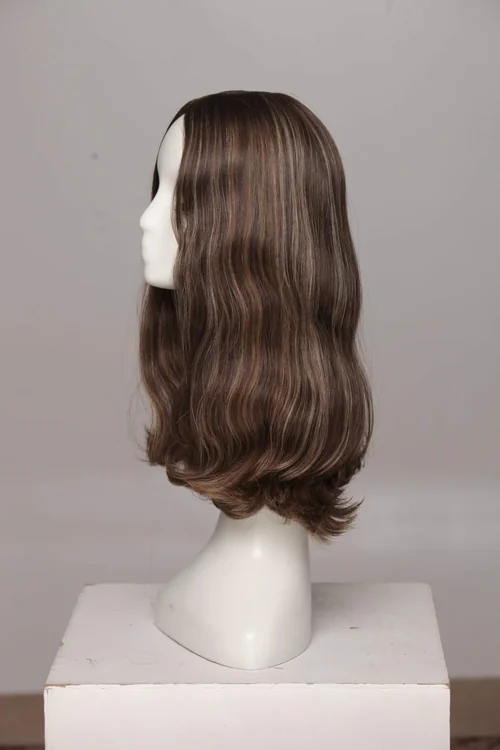
Every piece is mounted and checked for the part, the knotting and the clips before it is allowed to be packed.
Export Packing
The problem: A piece crushed in transit arrives needing the work the buyer already paid to have done.
Pieces are packed on a shape for the journey to Israel and the United States so they arrive as they were checked.
Stop at the Cap, or Carry On
The problem: A buyer with his own knotting bench does not want to pay for hair he will replace.
The line can end at the finished base, and the same pattern can be carried through to a finished piece on a later order.
What This Path Gives a Salon
One Line, One Answer
When the base and the knotting sit in the same building, a question about a finished piece does not turn into a dispute between suppliers.
The Front Gets Its Own Attention
The hairline is treated as a separate operation from the crown, because that is where the eye lands first at conversation distance.
Photographs Instead of Promises
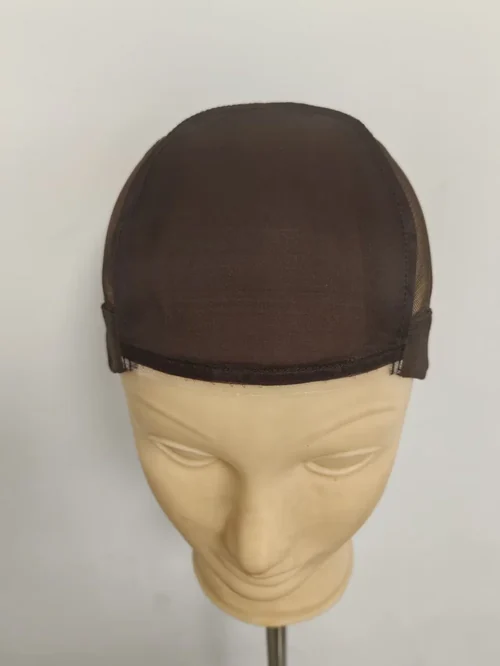
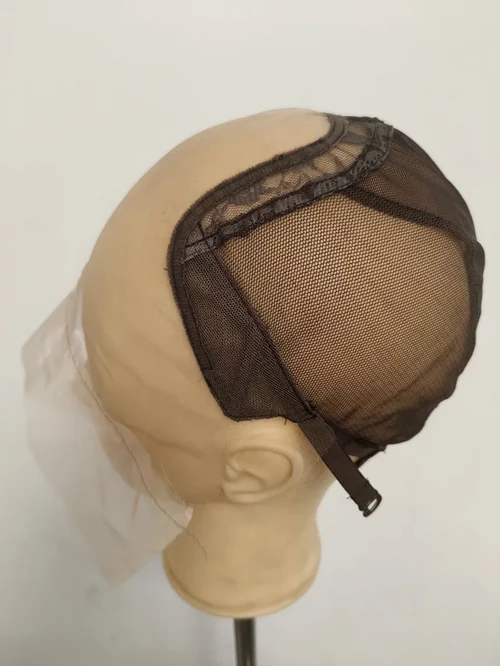
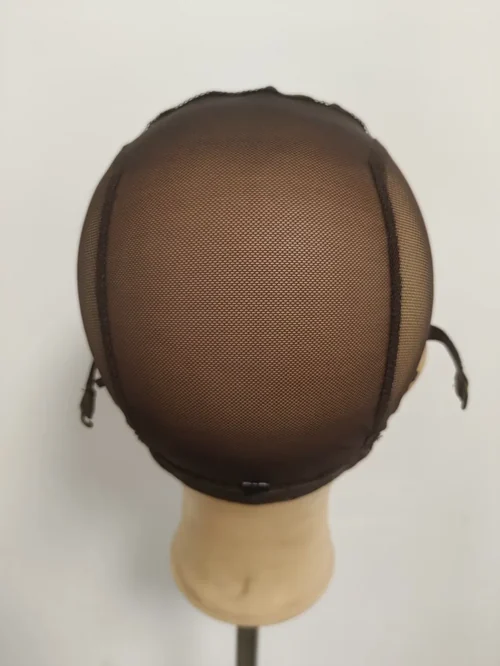
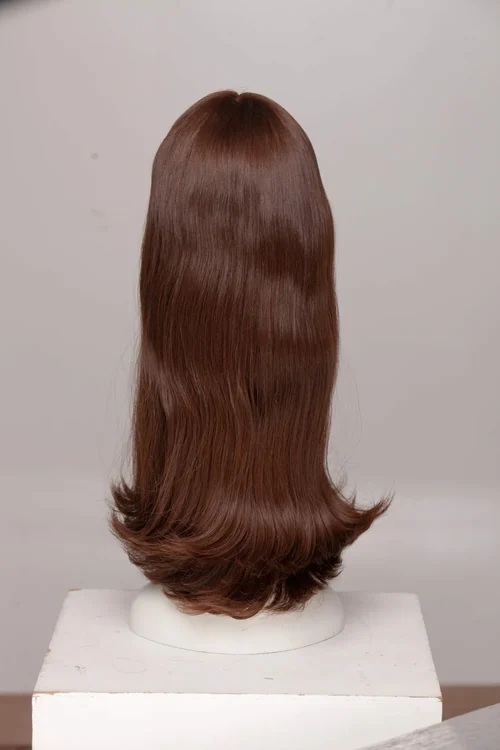
The steps are shown on this site as pictures of caps and pieces on display heads, without models and without staging.
Gallery

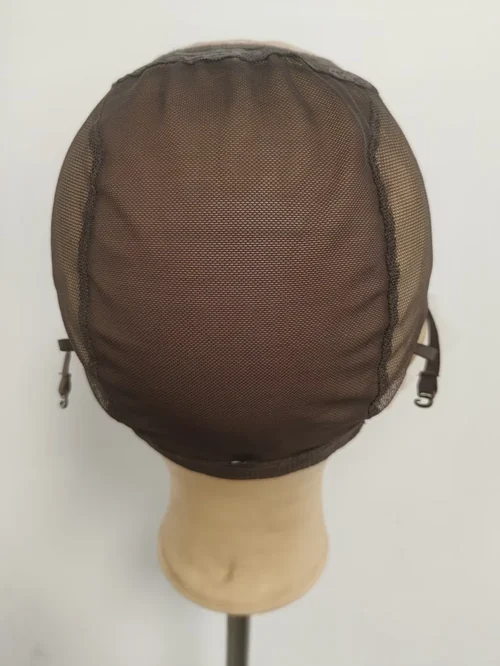
Related Products
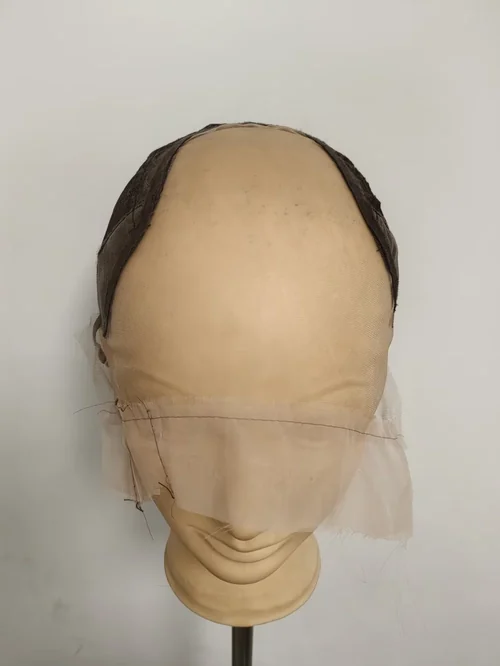 Lace Top CapHand-tied parting crown, wefted sidesLearn More
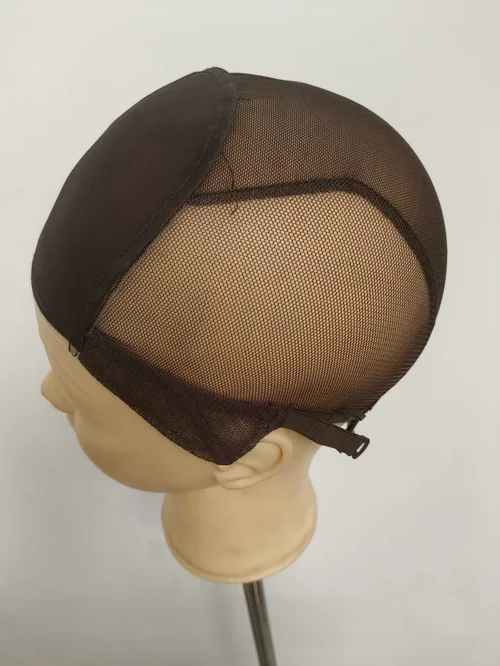 Silk Top plus Front Lace CapConcealed knots at the crown, sheer lace at the hairlineLearn More
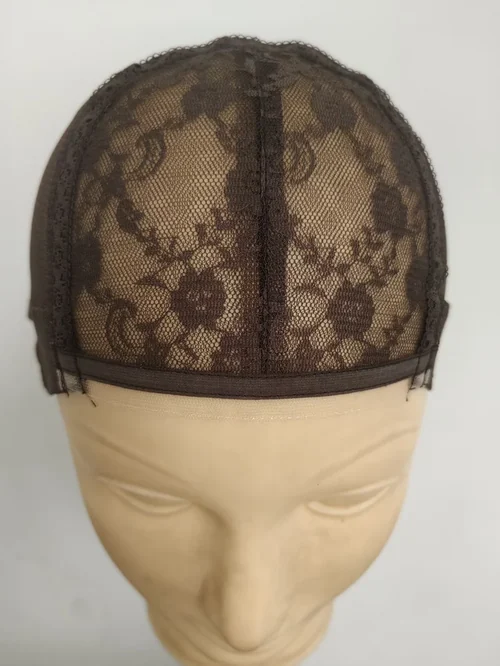 Front Lace Wig Cap for Kosher SheitelSwiss lace across the hairline, baby hair tied by handLearn More
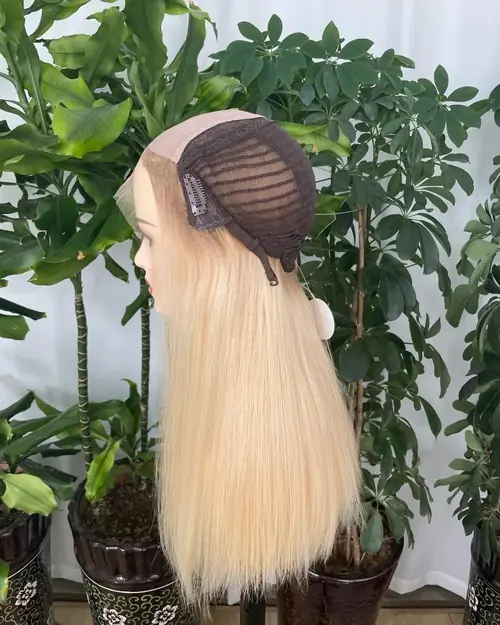 Lace Top SheitelSwiss lace crown and free partingLearn More
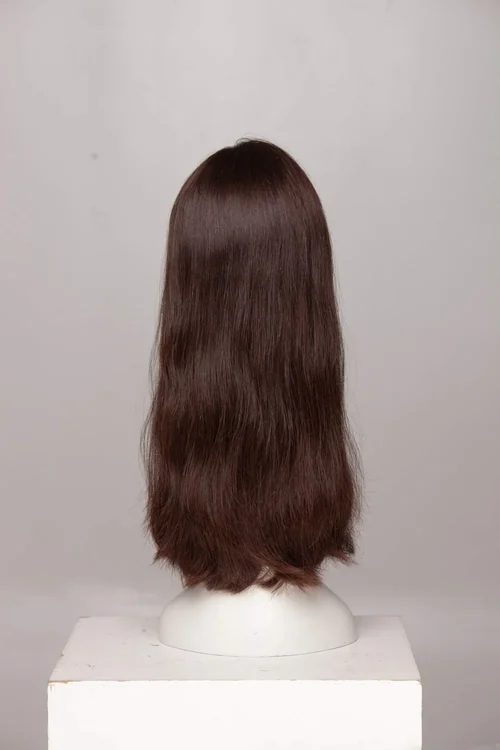 Full Hand Tied Lace Hairline TopperA Swiss lace front edge on a base tied end to endLearn More
Related Reading
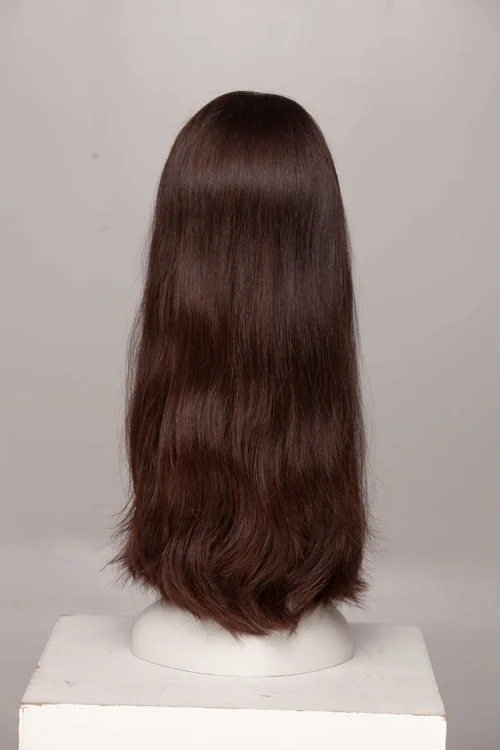 A Brooklyn Sheitel SalonAn anonymised process pattern: everyday shelf stock with free parting and local tones, built as a lace top sheitel with side wefts, with a hair sample checked before the colour run.Learn More
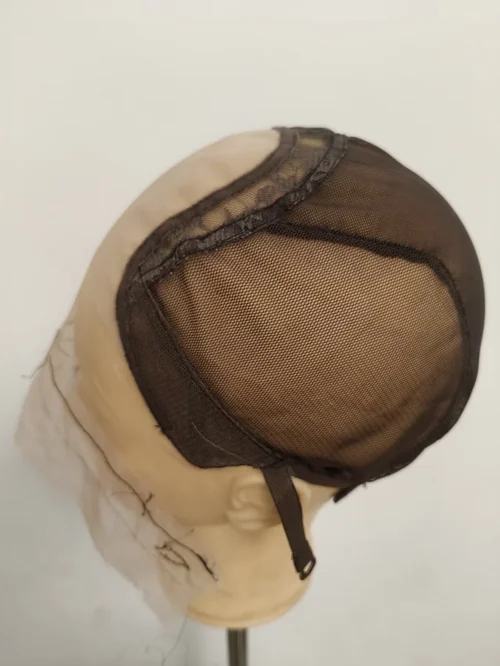 Sheitel Salons and MachersWholesale for sheitel salons and machers on two tracks: a raw cap for the macher who ventilates in house, and a finished sheitel for the salon that wants shelf stock.Learn More
 United States Orthodox CommunitiesSheitels and caps exported to Orthodox salons in the United States. Brooklyn, Lakewood and Baltimore are named here as markets we serve, not as invented client stories.Learn More
Frequently Asked Questions
Can you stop after the cap?
Yes. The base can be delivered without hair for a workshop that does its own ventilating.
Is there a video of the process?
The site carries photographs. If we hold a video of a step you want to see, it can be sent on WhatsApp.
Which step decides how natural the part looks?
Mostly the base and the knotting together: what sits under the part, and how the hair leaves it.
Do all pieces get wefts?
No. A full hand tie skips wefting altogether; a wefted piece uses them where they carry the sides and back.
Start With From Cap Construction to Finished Sheitel
Sheitel consulting first, then a hair sample. Terms are closed in conversation.