
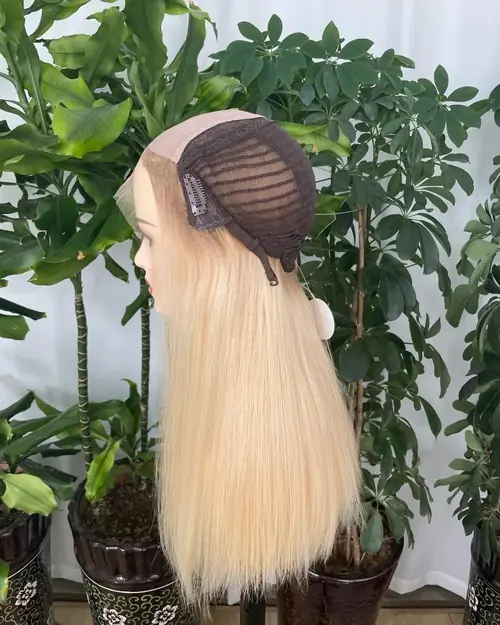

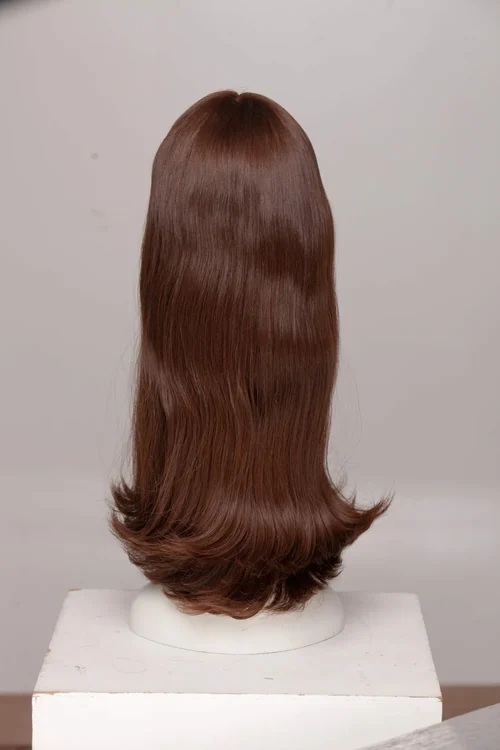
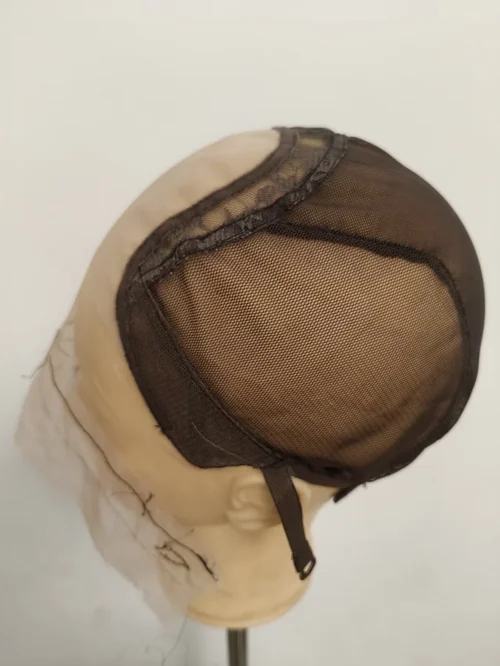
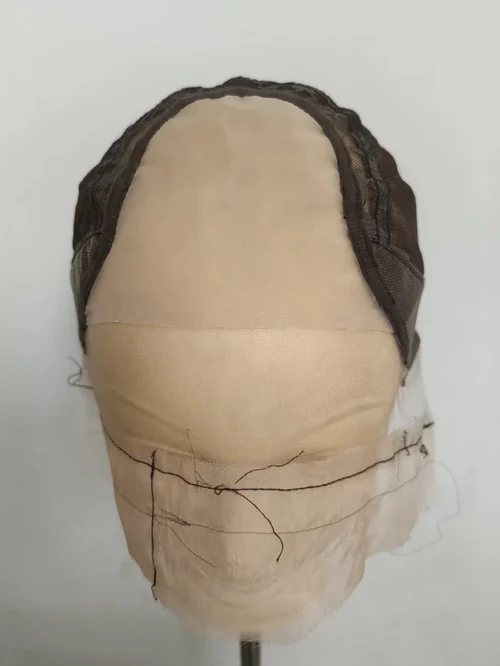
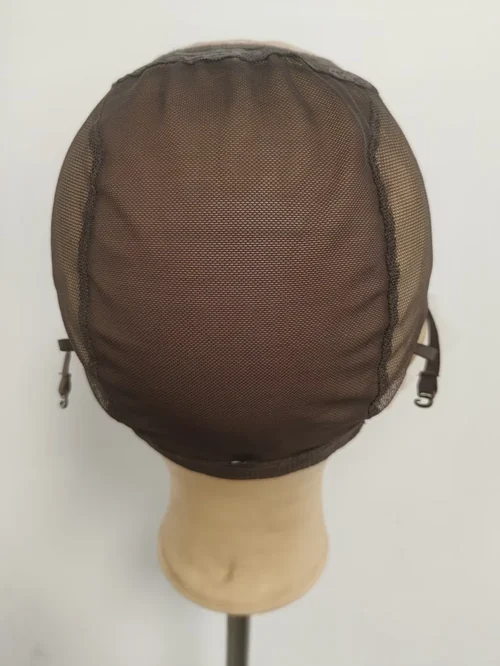
Custom Kosher Sheitel OEM
We build cap and hair with you, by community custom and by brand, and share the hair documentation we hold. There is no invented hechsher on this site.
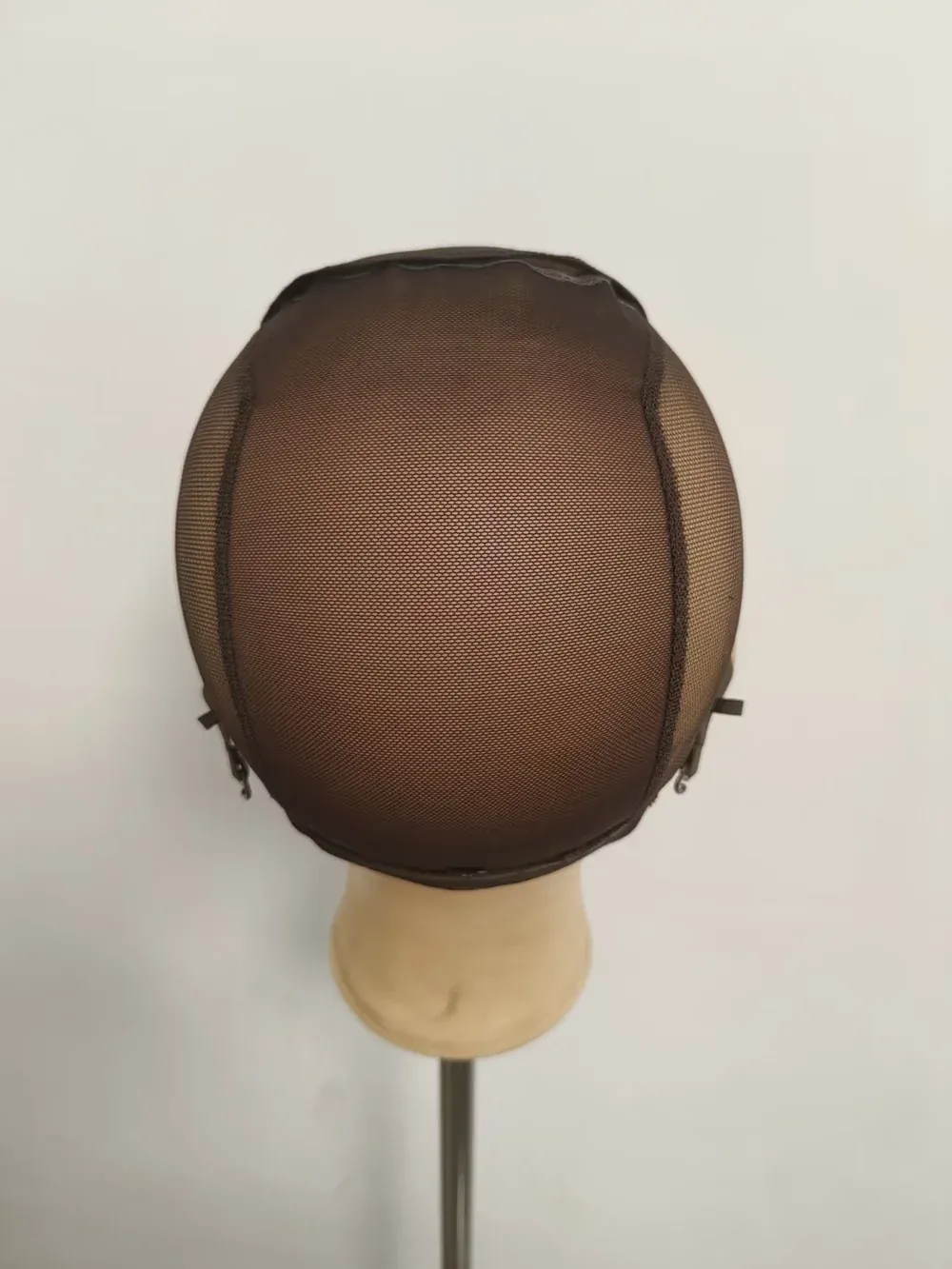
Custom work here means the order is written down before it is made: which custom it has to satisfy, which base carries it, and which hair the buyer has already held in his hand.
Nothing in that sequence involves a certificate we do not hold. The factory answers for construction and for documentation; the halachic question goes to the rav who guides the community.
Stage by Stage
Enquiry and Custom
The problem: An order written without the custom behind it produces a piece that cannot be sold in the community it was meant for.
The first conversation records what the covering has to do at the front and how the wearer will use the piece day to day.
Cap Design
The problem: Choosing a base after the hair is bought forces the construction to bend around a decision already made.
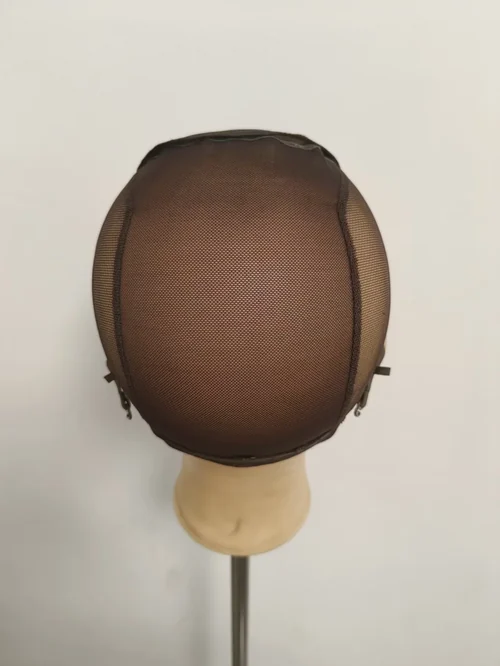
Lace, silk, mono, a lining or a ribbon band is selected against the recorded custom, and the pattern is settled before hair is ordered.
Hair Sample and Colour Approval
The problem: Colour agreed in words drifts; two people can use the same word for different browns.
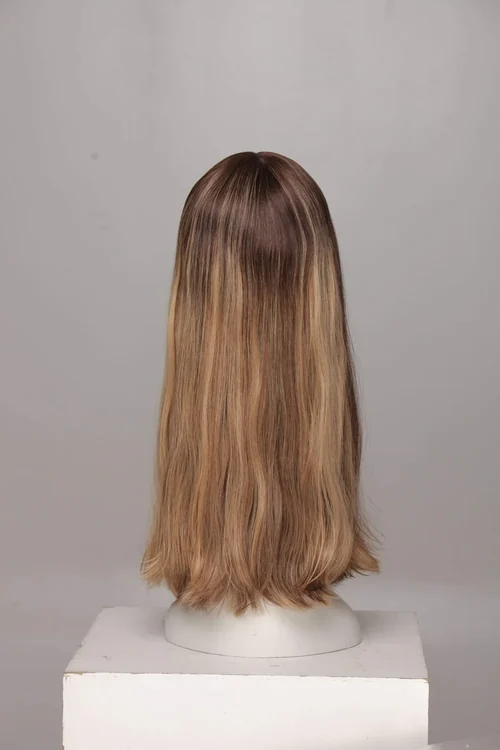
A hair sample is sent for hand-feel and colour, and the approved shade becomes the written reference for the whole run.
Cut and Sew
The problem: A base sewn loosely to the pattern shifts on the head and takes the parting with it.
Panels are cut to the agreed pattern and seamed so the base holds its shape through knotting and wear.
Ventilating
The problem: Knots placed against the growth direction give a part that never sits the way the stylist wants it.
Hair is hand knotted through the crown and the hairline in growth direction, at the density agreed as natural for that piece.
Inspection and Marked Packing
The problem: A run that is only inspected at the end of the month arrives with the same fault repeated across every unit.
Each piece is checked on a display head, then packed with the marking the brand asked for, including none at all.
Reorder Against the Record
The problem: Without a written specification, the second order is a new development project wearing the name of the first.
Base, shade reference and finish are kept on file so a repeat is built to the same brief rather than reinvented.
What This Path Gives a Salon
Written Before Built
The custom, the base and the shade are on paper before production starts, which is what makes an honest reorder possible later.
Construction, Not a Ruling
We tell you exactly how the piece is made and leave the halachic judgement where it belongs, with the rav your community follows.
One Factory Across the Whole Piece
Base, knotting, finishing and packing happen on one line, so a problem found at the end can be traced back to the step that caused it.
Gallery
Related Products
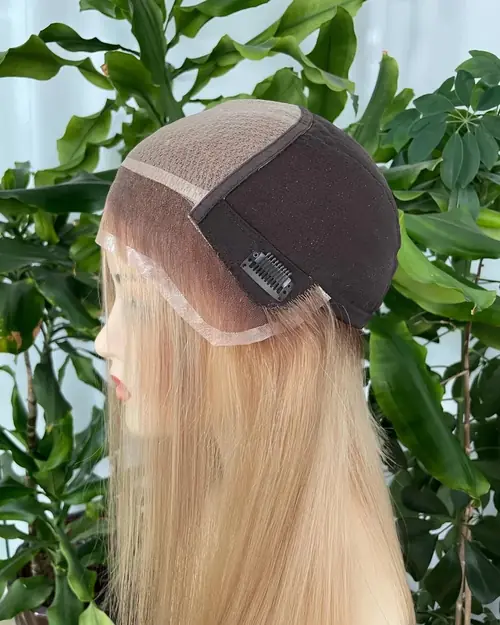 Fully Hand-Tied SheitelEvery strand knotted by hand, zero machine weftsLearn More
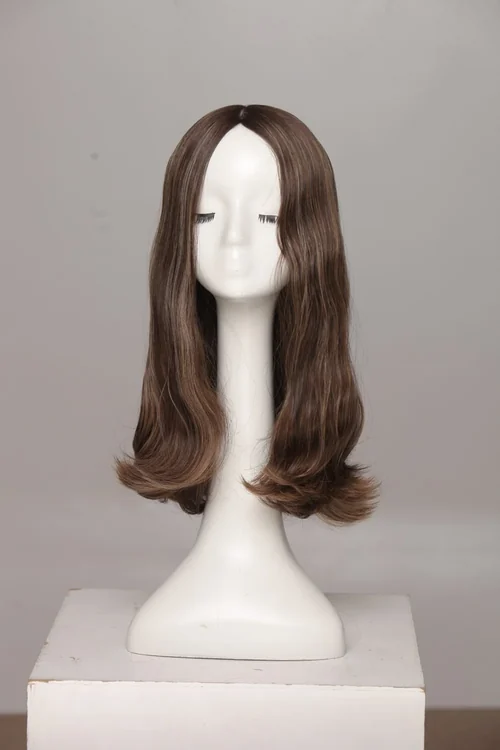 Silk Top SheitelDouble-layer silk that hides the knotsLearn More
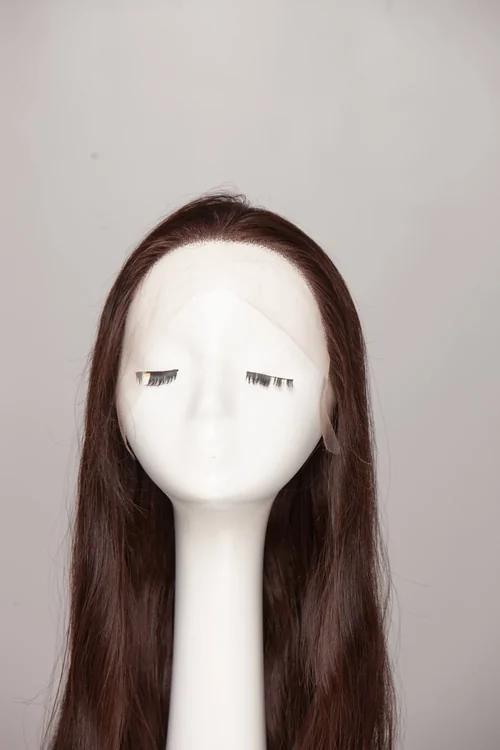 Full Hand Tied Mono Base TopperKorean mono knotted by hand, no wefts anywhereLearn More
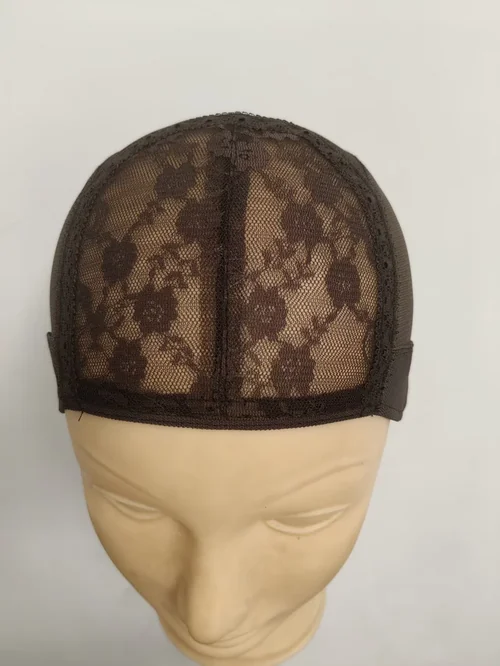 Front Fabric-Ribbon Band Wig CapNo lace at the forehead, floral stretch lace sidesLearn More
Related Reading
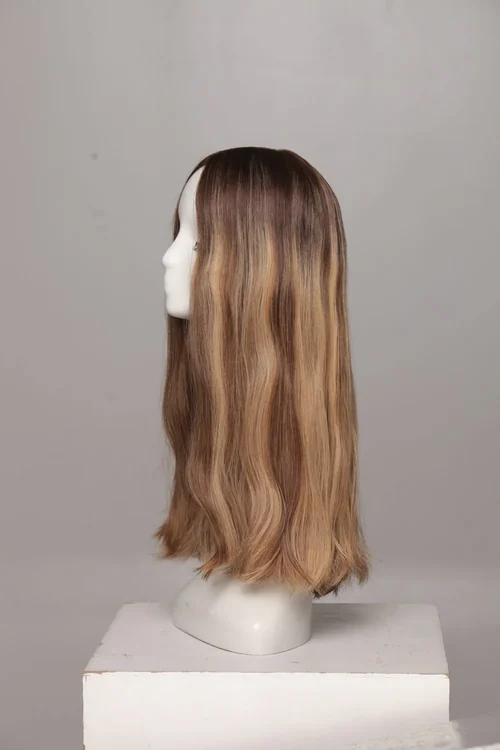 A US Private-Label BrandAn anonymised process pattern: a salon brand that wanted its own name on the cap without building a factory, served as OEM on a silk top construction with private packing and a hair sample first.Learn MoreAn Israeli WholesalerAn anonymised process pattern: front fabric-ribbon band caps for communities that keep lace off the forehead, some raw for machers and some with hair, on a repeating wholesale construction.Learn More
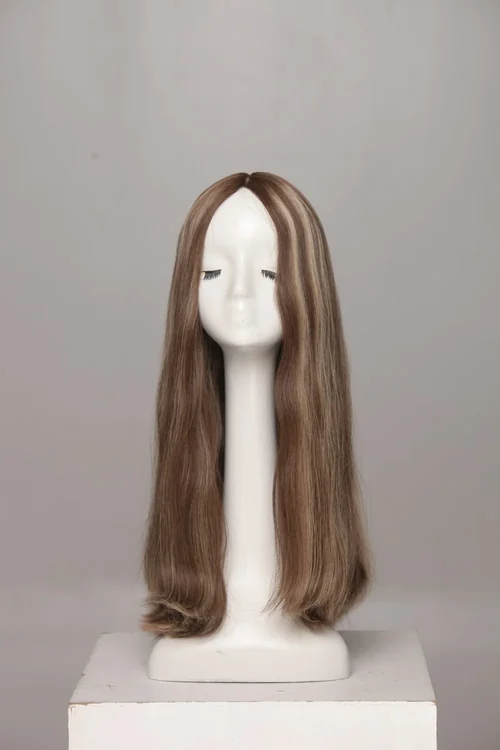 Private Label and Brand OEMPrivate label and brand OEM: hair sample, colour approval, cap, QC and packing under your own name. We will not invent a factory story that does not exist.Learn More
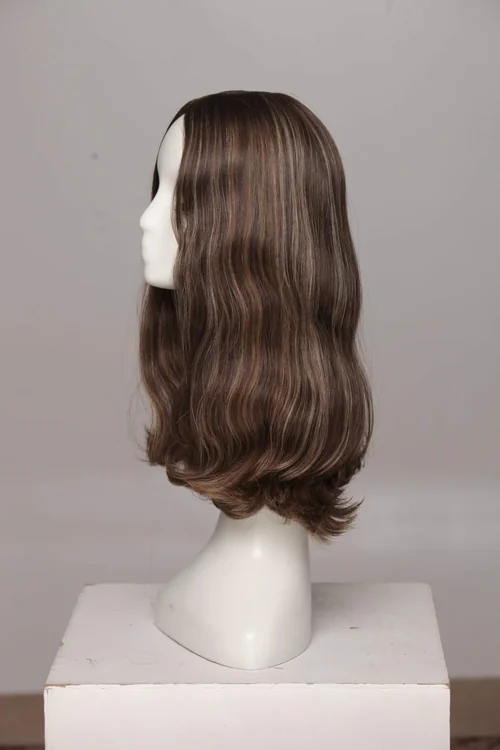 Israel Orthodox CommunitiesSheitels and kosher wig caps for wholesalers and salons serving Haredi and dati communities in Israel: a front fabric-ribbon band or lining, conservative browns, and hair a stylist can cut.Learn More
Frequently Asked Questions
Do you issue a rabbinic certificate?
No, and there is no rabbi's name invented on this site. We share the hair documentation we hold and describe the construction.
Can we see a sample first?
Yes, a hair sample. It is the step that settles hand-feel and colour before a run is committed.
Who decides the cap type?
You do, guided by the custom you serve. We explain what each base does at the part and the hairline and build what you choose.
Is there a design engineer on the site?
No. What is offered here is sheitel consulting, a hair sample and a custom sheitel — nothing dressed up beyond that.
Start With Custom Kosher Sheitel OEM
Sheitel consulting first, then a hair sample. Terms are closed in conversation.