
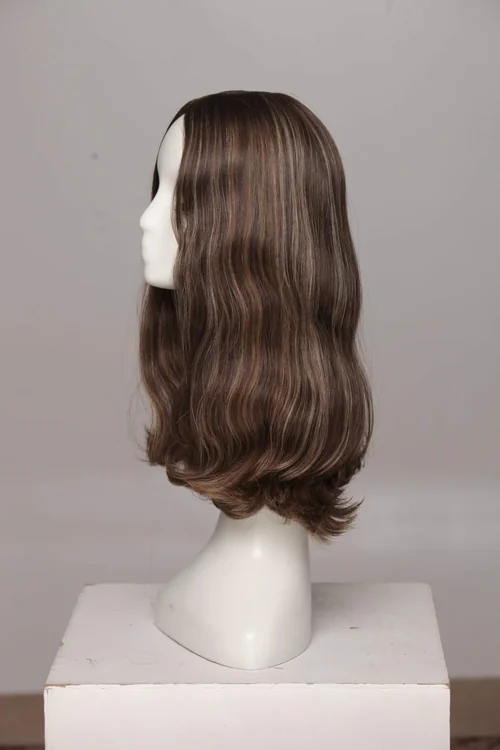
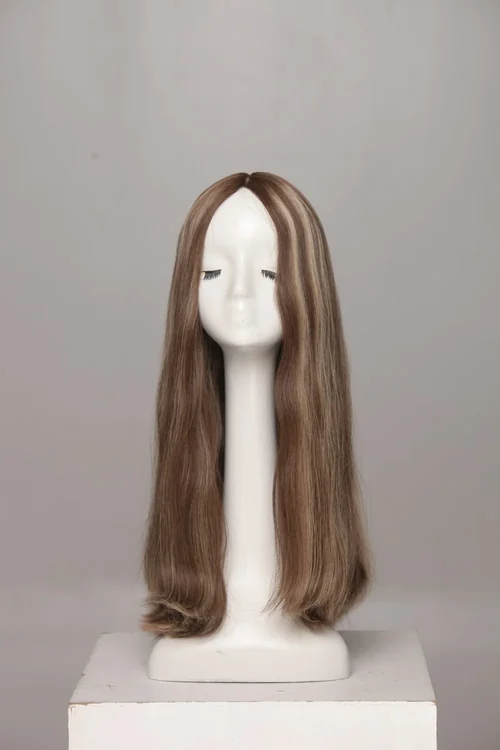
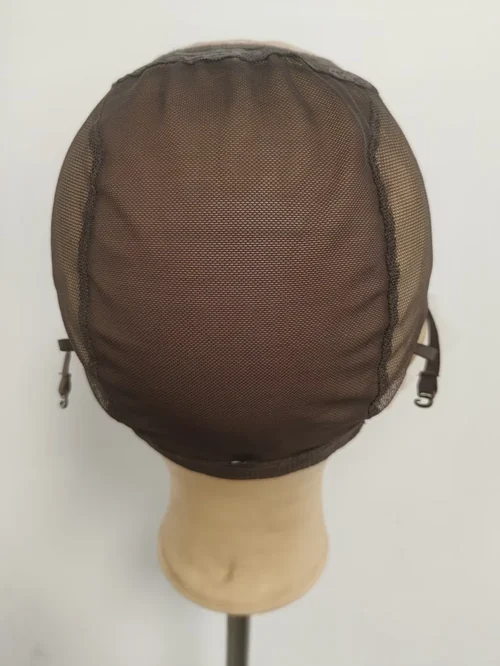
Lined LaceTop Clip-in Topper
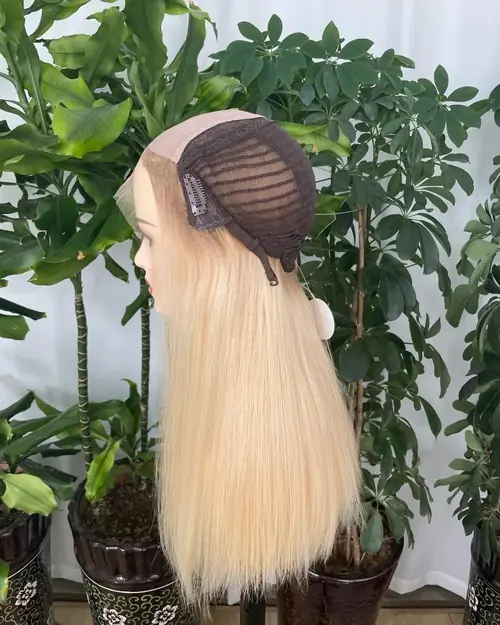
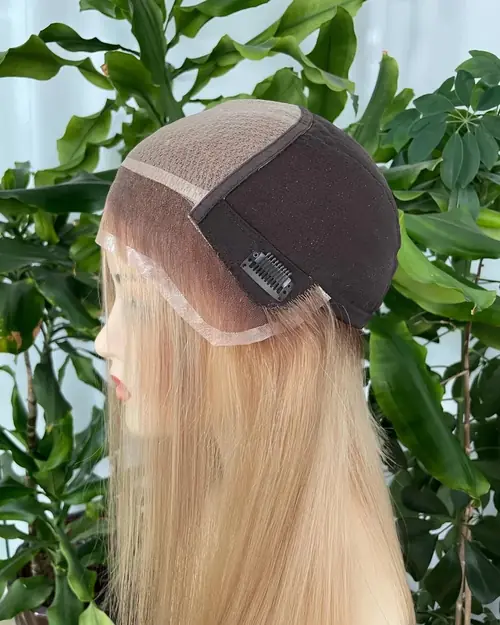
Solid lining under the lace, clips at the perimeter
This is the pattern a salon reaches for when the client still has her own hair and wants a crown cover rather than a full sheitel.
Overview
This is the pattern a salon reaches for when the client still has her own hair and wants a crown cover rather than a full sheitel.
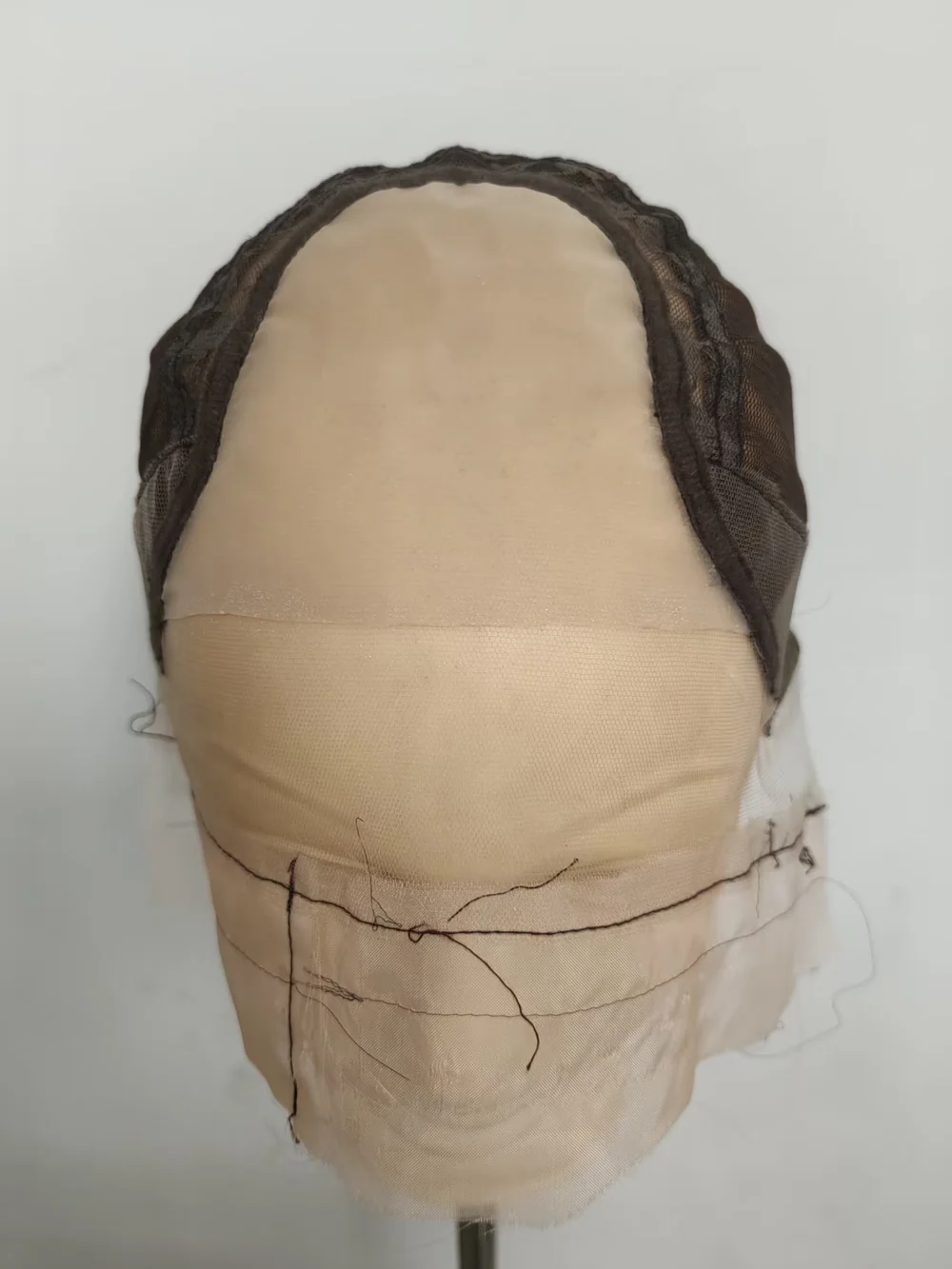
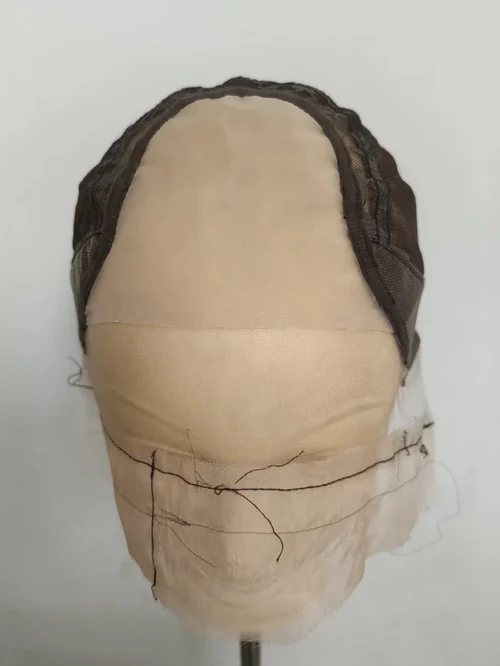
A lace crown alone would let that hair read through the holes in daylight. The solid fabric layer sewn underneath is the answer to exactly that, and it is the reason the pattern exists.
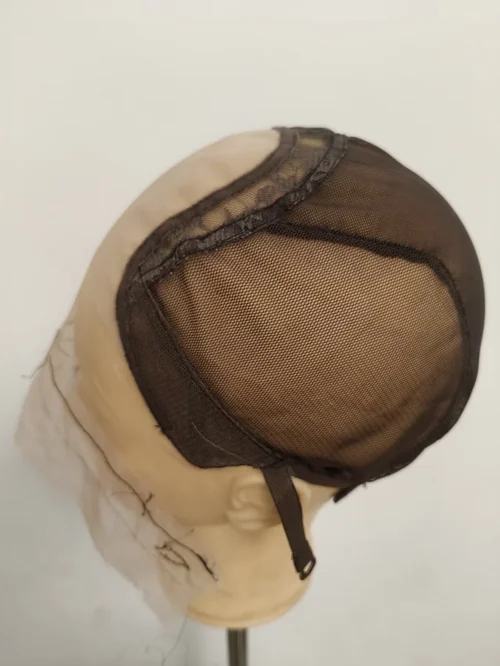
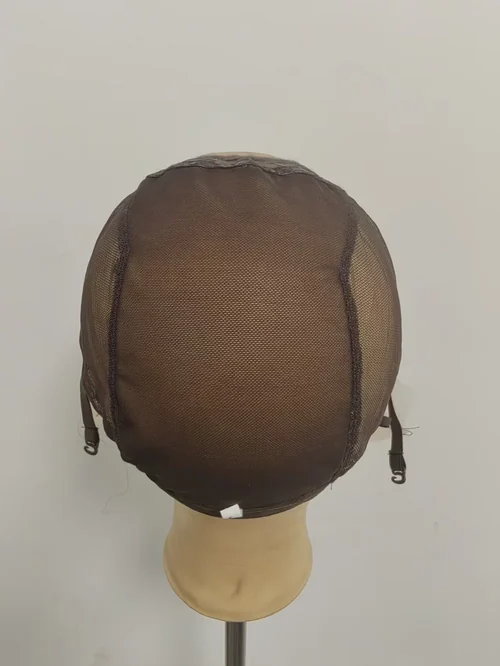
Attachment is by pressure-sensitive clips around the perimeter, so the piece goes on and comes off through the day without adhesive.
Key Benefits
Blocks Natural Hair
The fabric layer sits between the wearer's hair and the lace, so nothing reads through from below.
Clips, Not Adhesive
Pressure-sensitive clips grip existing hair and release it again without tape or glue.
Parting Stays Free
The lace above the lining is knotted by hand, so the crown still opens in any direction.
Light for Daily Wear
A topper covers the crown only, so there is far less base and far less hair to carry.
Who It Is For
- Women with their own hair who need a crown cover built in kosher construction.
- Salons whose topper shelf sells faster than their full sheitel shelf.
- Brands putting together a topper line where the lining is the selling point.
Problems It Solves
Hair Showing Through Lace Holes
The lining is the construction element that stops it, and it is sewn in rather than added later.
A Topper That Shifts
Clips spaced around the perimeter hold the piece against the wearer's own hair.
Not Wanting a Full Sheitel
Only the crown is covered, and the wearer's own lengths stay where they are.
Technical Features
Solid Fabric Lining
An opaque panel stitched under the lace across the covered area.
Pressure-Sensitive Clips
Placed around the edge and set to the pattern the salon asks for.
Hand-Tied Lace Above
Knotting is done on the lace layer, which is what the eye sees.
Specifications
| Type | Clip-in topper base, not a full cap |
|---|---|
| Top layer | Swiss lace, hand tied |
| Under layer | Solid fabric lining |
| Attachment | Pressure-sensitive clips |
| Parting | Multidirectional on the lace |
| Sizes | Not listed on this page |
| Medical wigs | Not part of the range |
Materials
Swiss lace over a solid fabric lining, with metal clips on fabric bases sewn into the perimeter. Hair, when the topper is ordered finished, is virgin or Remy human hair matched to the salon swatch.
Customization Options
Lining coverage area, number and layout of clips, lace tone, and hair colour on a finished topper. The area the piece has to cover is worked out in conversation, not from a published table.
Manufacturing Process
Lace Layer
The lace top is shaped for the area the topper will cover.
Lining Sewn Underneath
The fabric panel is stitched under it so there is no gap at the edges.
Clip Placement
Clips are fixed around the perimeter to the agreed layout.
Knotting
Hair is tied into the lace where the topper is ordered finished.
Quality Control
We put the base on a display head and check the two layers against each other: no lining edge showing past the lace, no clip loose on its base, and every clip opening and closing with the same bite.
Kosher-Compliant Construction Notes
The lining is the part of this construction meant to block the hair underneath. We describe it as construction and nothing more — we do not attach a hechsher name to it, and the decision for any particular community rests with its rav.
This page describes construction. It is not a rabbinic ruling.
How It Compares
| Lined Clip-in | Unlined Lace Crown | |
|---|---|---|
| Hair underneath | Covered by fabric | Can read through the holes |
| Worn over | Existing hair | A covered or shaved head |
| Held by | Clips | Cap perimeter and strap |
Which column a community wants is a question for its rav, not something a factory page decides.
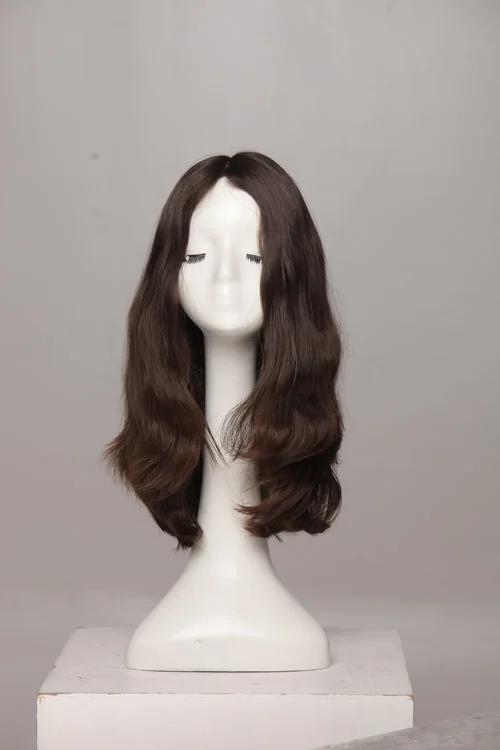
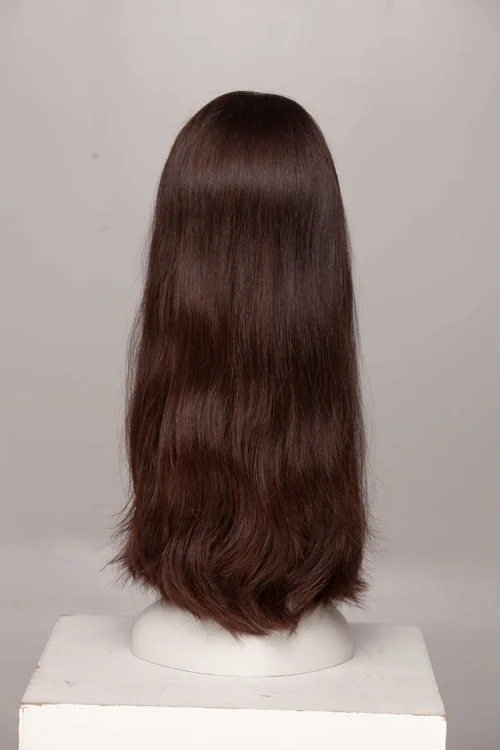
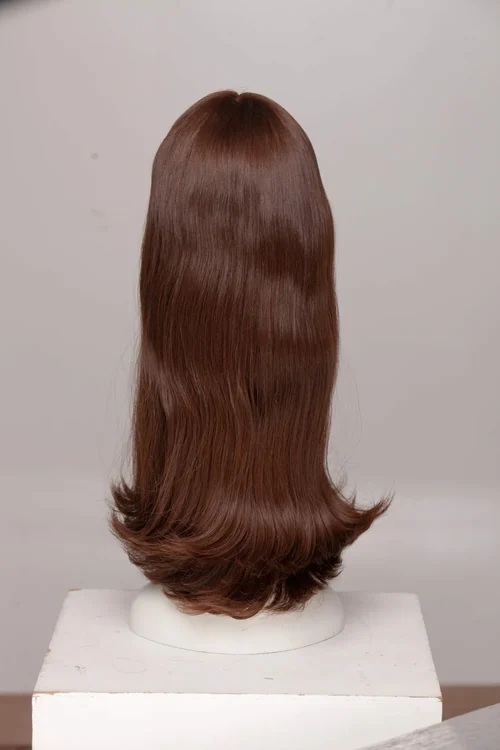
Gallery
Use and Care
Release every clip before lifting the piece off; pulling it against a closed clip is what tears lace at the edge. Let the lining dry fully before storing, and never fold the topper along the lining seam.
No base measurements are published on this site. Fit is closed in consulting.
Related Products
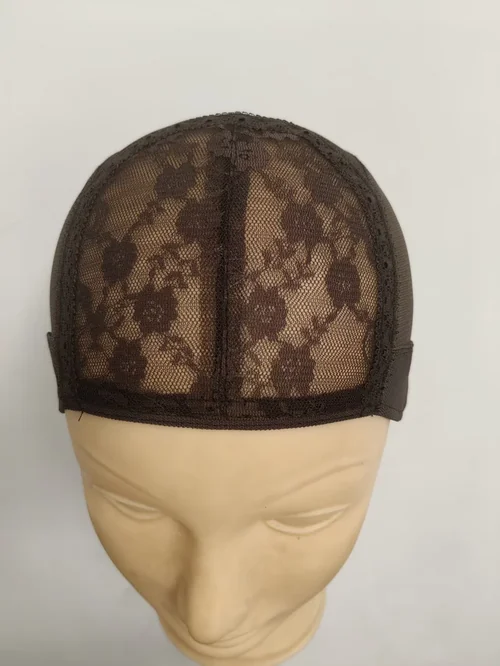
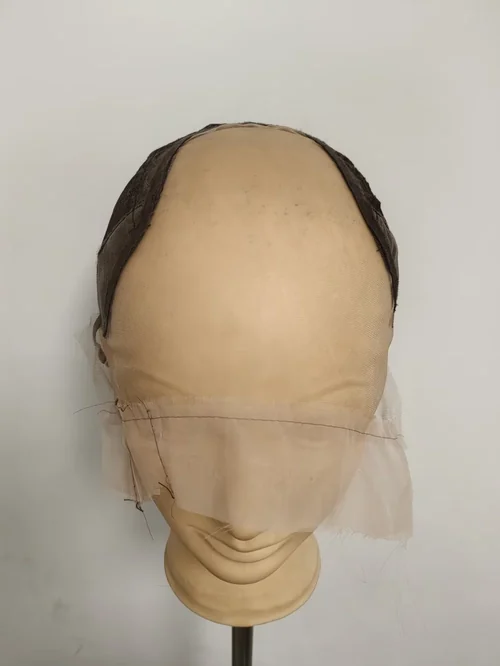 Lace Top CapHand-tied parting crown, wefted sidesLearn More
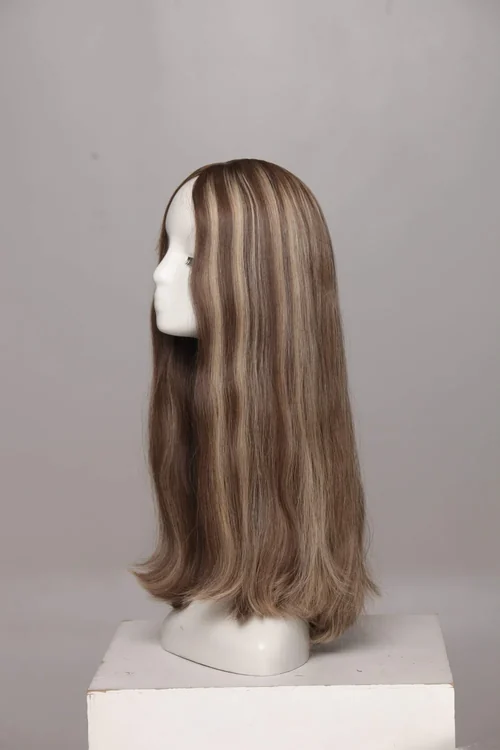
 Front Fabric-Ribbon Band Wig CapNo lace at the forehead, floral stretch lace sidesLearn More
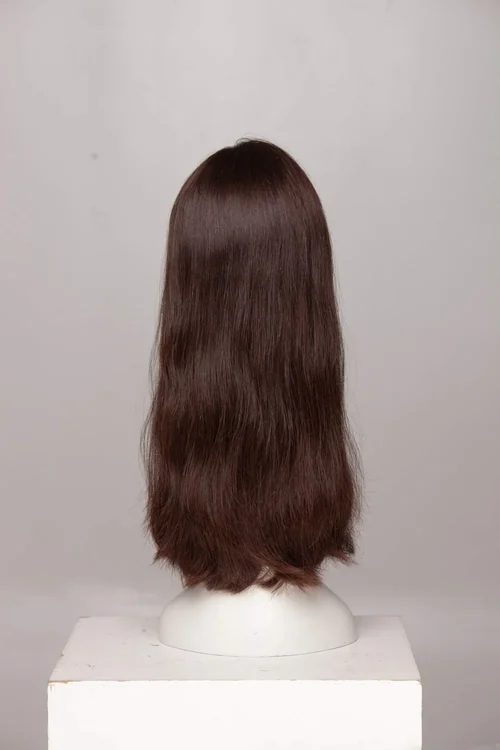
 Lace Top with Wefts TopperHand-tied lace at the top, wefts around the edgeLearn More
 Full Hand Tied Lace Hairline TopperA Swiss lace front edge on a base tied end to endLearn More
Related Reading
What Makes a Sheitel Kosher-Compliant in ConstructionKnowledgeLearn More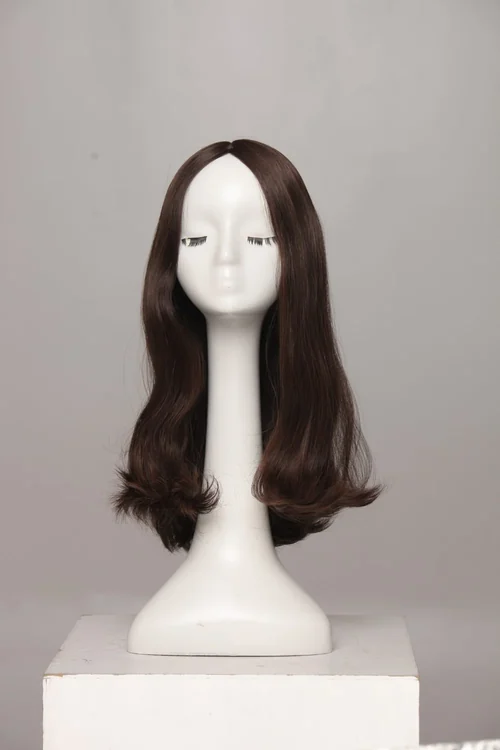 Tzniut and a Natural Look: What Orthodox Clients Ask Factories ForKnowledgeLearn More
 Caring for a Human Hair SheitelKnowledgeLearn More
 A Brooklyn Sheitel SalonAn anonymised process pattern: everyday shelf stock with free parting and local tones, built as a lace top sheitel with side wefts, with a hair sample checked before the colour run.Learn More
 United States Orthodox CommunitiesSheitels and caps exported to Orthodox salons in the United States. Brooklyn, Lakewood and Baltimore are named here as markets we serve, not as invented client stories.Learn MoreSheitel Salons and MachersWholesale for sheitel salons and machers on two tracks: a raw cap for the macher who ventilates in house, and a finished sheitel for the salon that wants shelf stock.Learn More
Frequently Asked Questions
Is this a full sheitel?
No. It is a clip-in topper that covers the crown area over the wearer's own hair.
Do the clips damage hair?
They are pressure-sensitive rather than adhesive, and the salon sets how many go on and where.
Can the lining go on another cap?
Lining can be added to another pattern to order; on this one it is part of the base from the start.
Do you publish a size chart?
No chart appears anywhere on this site. Coverage is agreed with the salon directly.
Order a Lined LaceTop Clip-in Topper
Raw for the macher, or finished with hair ventilated to order. Tell us which of the two you need and for which market.