
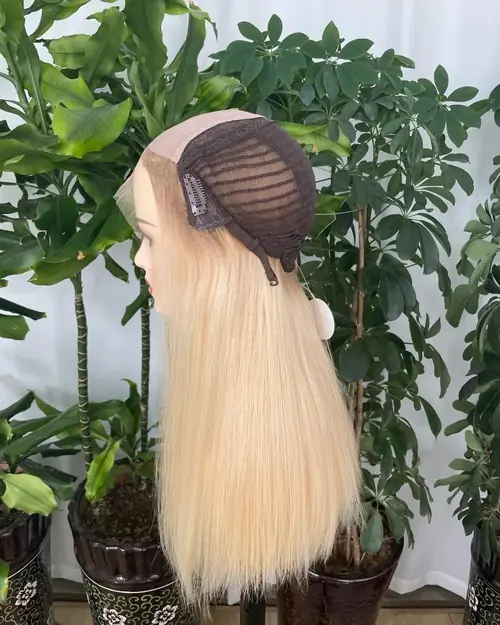
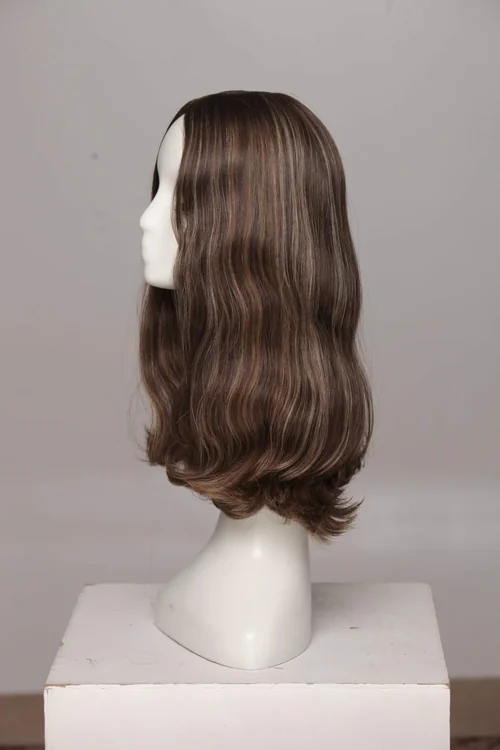
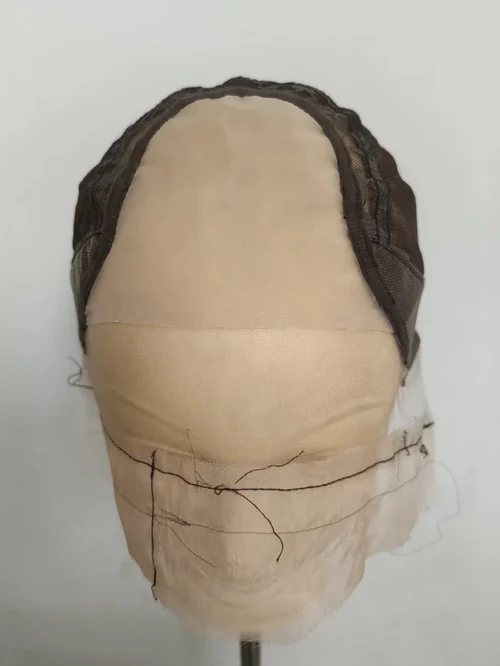
Fully Hand-Tied Sheitel
Every strand knotted by hand, zero machine wefts
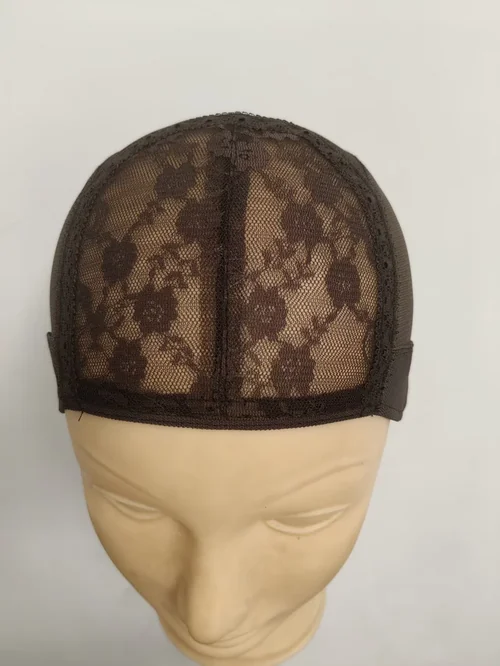
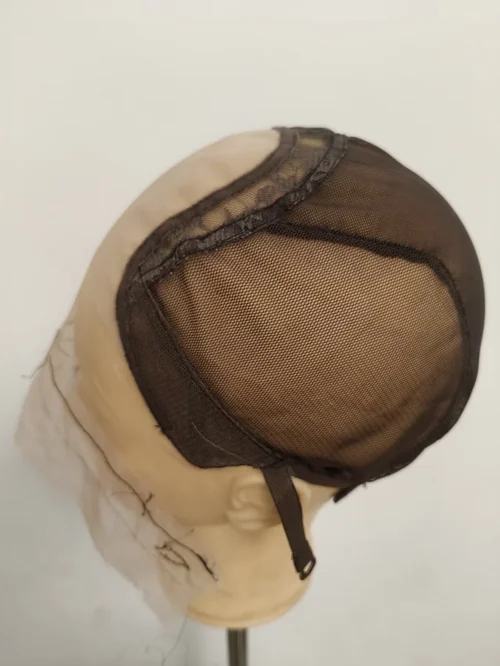
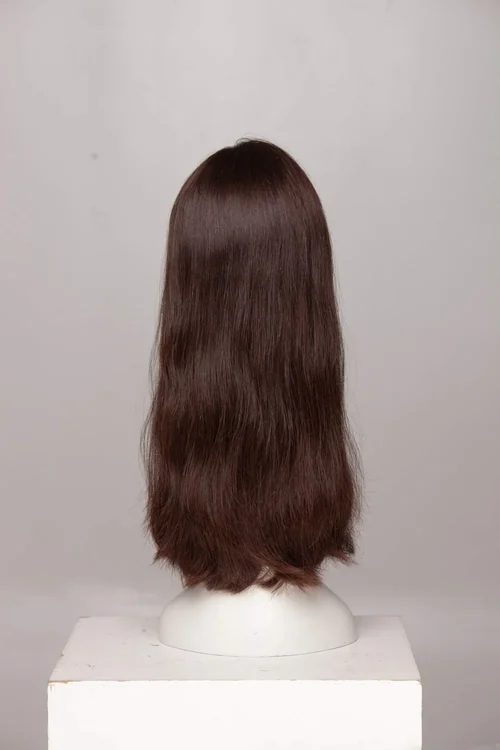
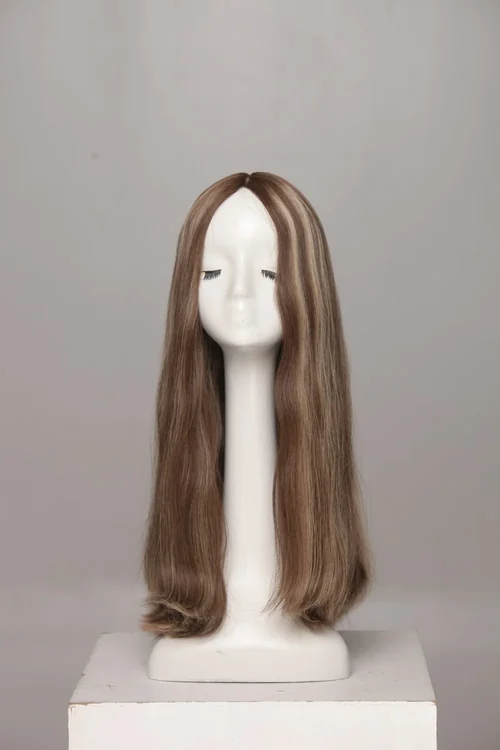
On a fully hand-tied sheitel there is no machine track anywhere on the cap. Every hair is ventilated by hand: a needle passes the mesh, the hair is tied in a small knot and drawn in growth direction, row after row.
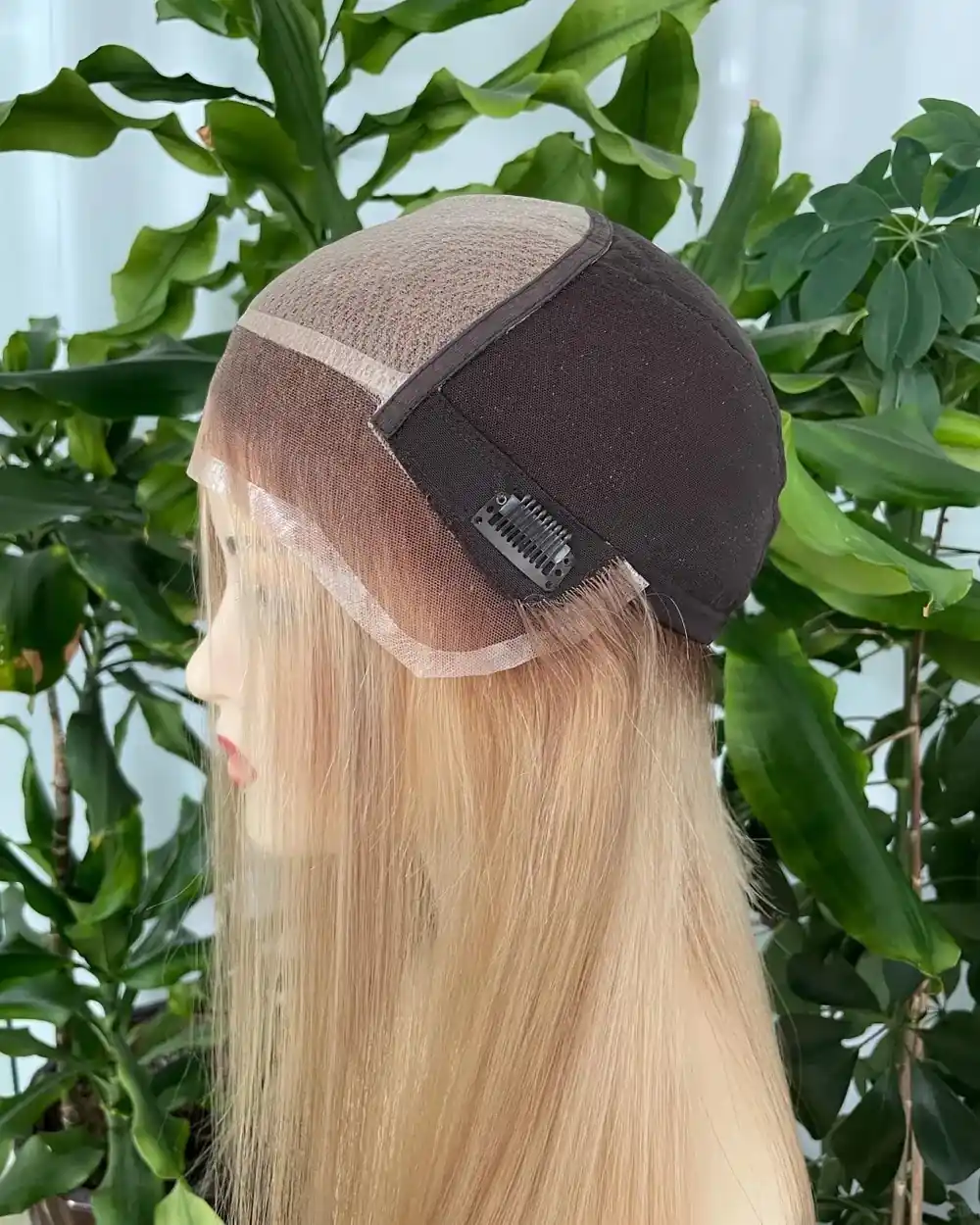
Overview
On a fully hand-tied sheitel there is no machine track anywhere on the cap. Every hair is ventilated by hand: a needle passes the mesh, the hair is tied in a small knot and drawn in growth direction, row after row.
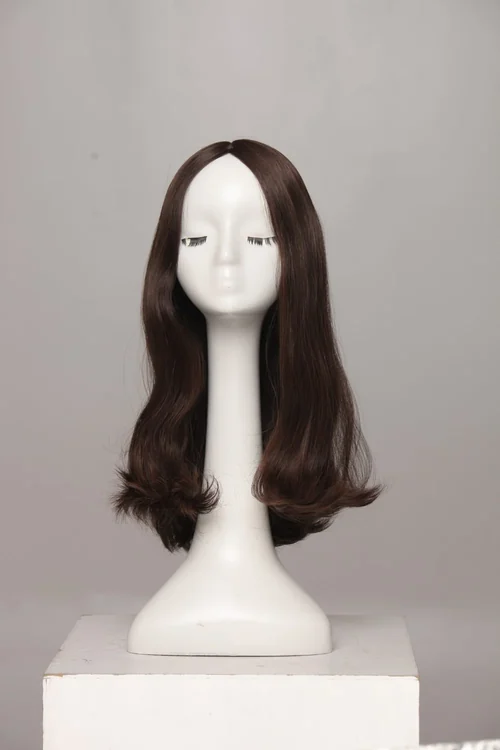
It is the slowest work on the line, and that is exactly why the part can travel in any direction without hitting a weft. There is no border where the crown ends and the sides begin.
The cap stays breathable. It suits clients who feel wefts against the head, and salons selling a top-of-line piece.
Key Benefits
Zero Machine Wefts
There is no track anywhere to block a part or to press on the head.
Part in Any Direction
The stylist is not limited to the crown; the whole cap takes a part.
Airflow
A fully knotted cap breathes more than an opaque one, across the whole head and not only on top.
Natural Hair Movement
Each strand moves on its own, without the bulk a weft adds along a line.
Who It Is For
- Salons whose clients feel wefts and come back asking for something quieter against the head.
- A private-label top line that has to stand above the wefted series in the same catalogue.
- Anyone who needs true free parting across the cap, not only at the crown.
Problems It Solves
A Weft You Can Feel
There is no weft on this construction, so there is nothing to sit as a ridge under the hair.
A Part That Stops
No border between crown and weft, so the part does not have to end where production ended it.
Heat Only at the Crown
On a wefted cap only the top is open. Here the whole cap is more open.
Technical Features
Full Ventilating
Hand, not machine, from the hairline to the nape.
Lace, Silk or Mono
A full hand tie can be built on any of these base types.
Perimeter to Order
Strap and clips to order, finished by hand. No sizes on the page.
Specifications
| Ventilating | Hand knotted across the whole cap |
|---|---|
| Machine wefts | None |
| Base | Lace, silk or mono to order |
| Parting | Free across the cap |
| Perimeter | Hand-finished, strap and clips to order |
| Hair | Virgin or Remy human hair |
| Lead time | Longer than a wefted cap; planned together |
| Base measurements | Not published on this site |
Materials
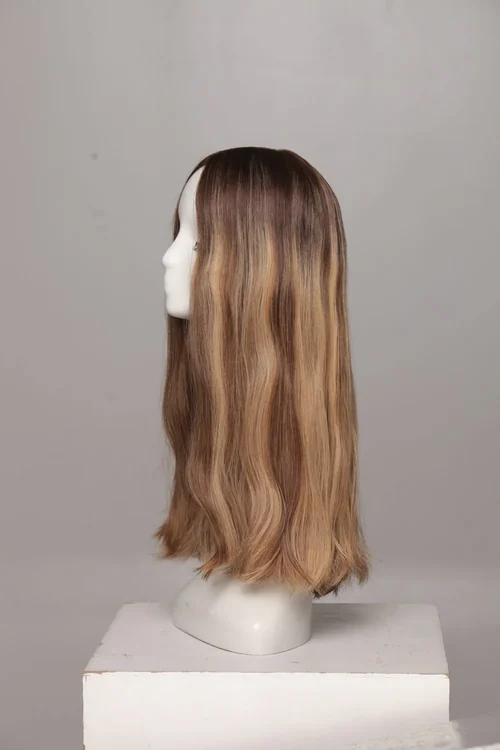
Virgin or Remy human hair on a lace, silk or mono base to order, with a hand-finished perimeter. Colour and rooting follow the salon swatch; density is described as natural and is not published as a number.
Customization Options
Base type, colour, natural density and hairline finish. Measurements are closed in conversation, not published here.
Manufacturing Process
Cap Build
Choose the base — lace, silk or mono — and cut it.
Full Ventilating
Row after row by hand, with no shortcut at the sides.
Growth Direction
Hairline and part direction are held carefully as the rows advance.
QC
A hunt for a missed machine track, then stretch and knot cleanliness.
Quality Control
We check that no hidden machine track remains, that hair direction is even through the hairline and the part, and that the cap does not warp under stretch.
Kosher-Compliant Construction Notes
Hand tying improves parting and comfort. Whether the construction is kosher-compliant still depends on lining, a fabric-ribbon band or blocking natural hair, by custom. This is a description of construction, not a ruling — the ruling sits with the community rav.
This page describes construction. It is not a rabbinic ruling.
How It Compares
| Full Hand Tie | Hand-Tied Crown Plus Wefts | |
|---|---|---|
| Wefts | None | Sides and back |
| Lead time | Longer | Shorter |
| Parting | Whole cap | Mostly the crown |
A hand-tied crown with wefts is the lace top or silk top sheitel. Both are honest constructions; the brief decides which one belongs on the shelf.
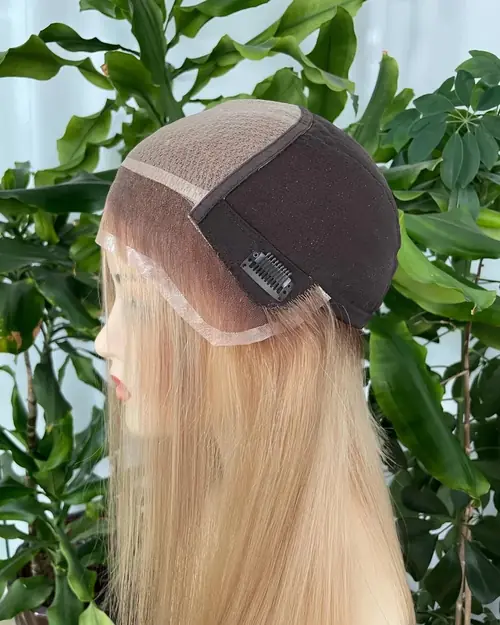
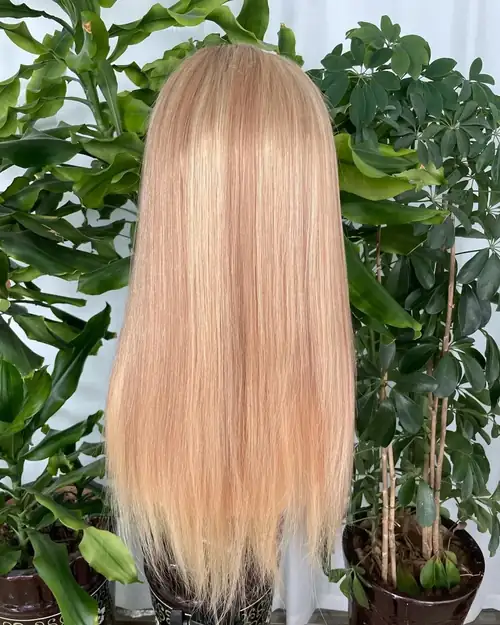
Gallery
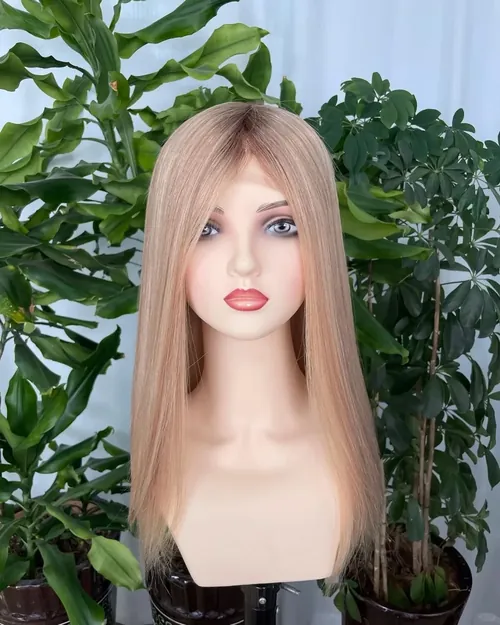
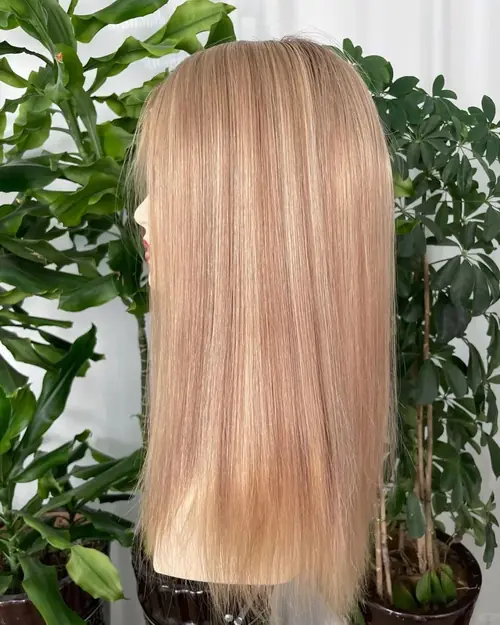
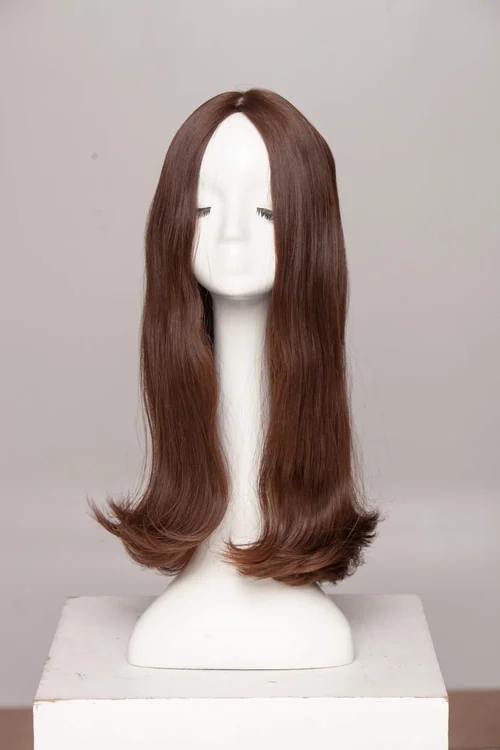
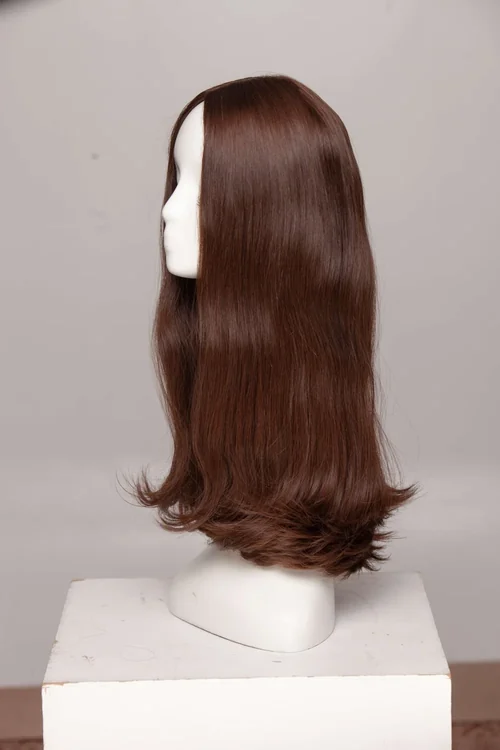
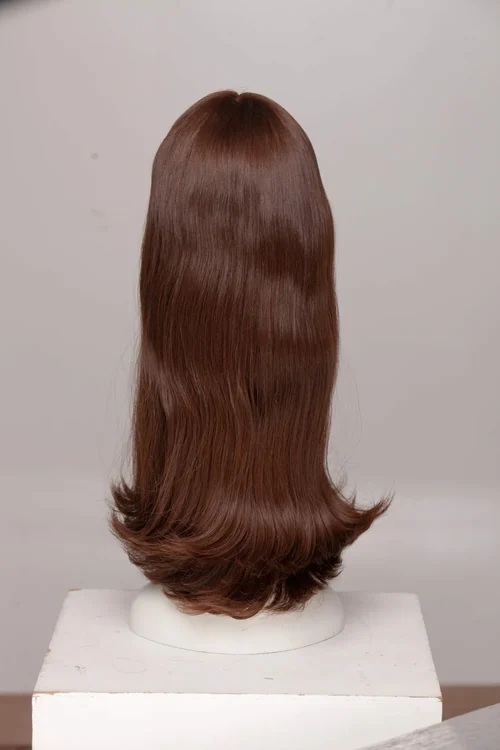
Use and Care
Support the cap with one hand while brushing so the knots do not take the pull. Do not pull the hair wet, and dry the piece on a display head.
No base measurements are published on this site. Fit is closed in consulting.
Related Products
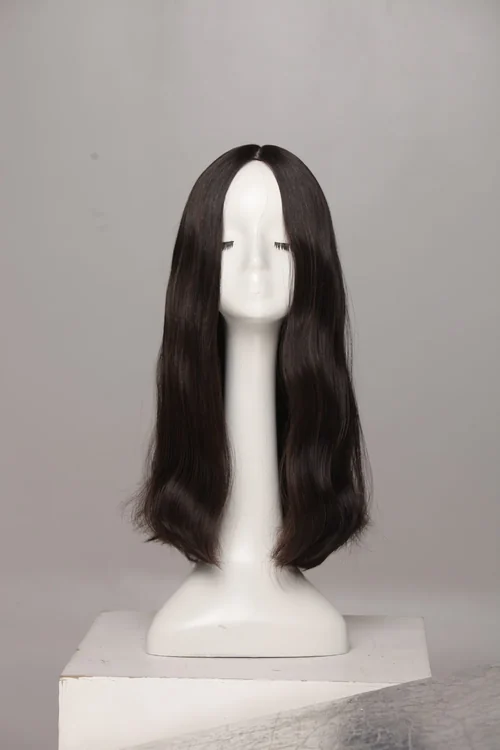 Mono SheitelImported Korean mono, built to keep its shapeLearn More
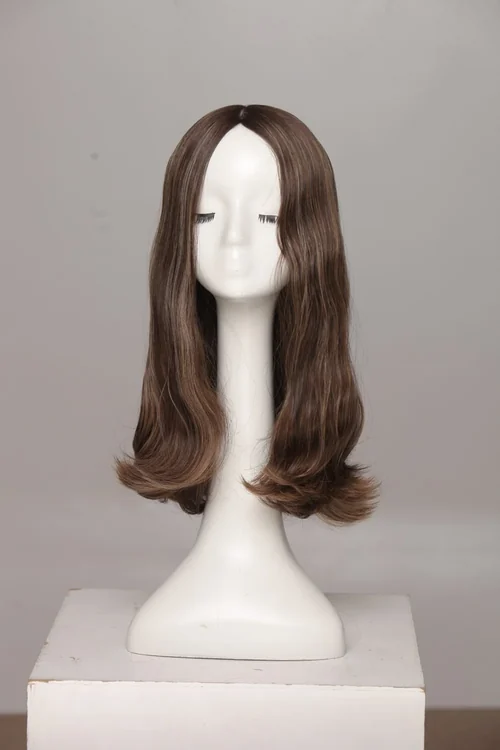 Silk Top SheitelDouble-layer silk that hides the knotsLearn More
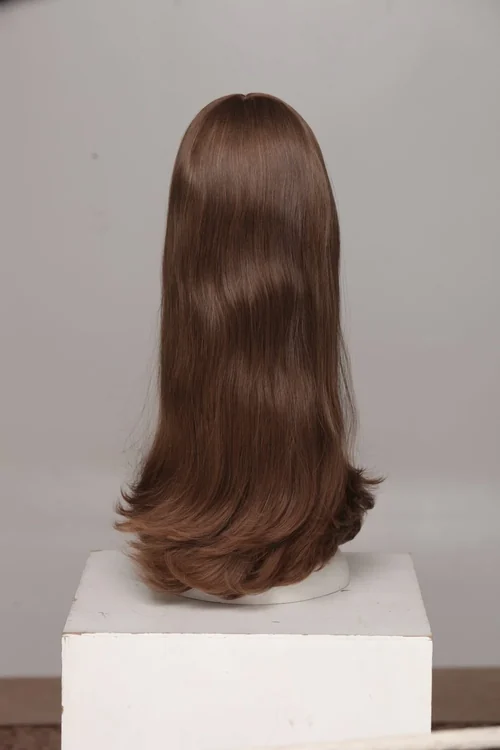 Full Hand Tied Silk Base TopperEvery strand knotted, no weft anywhereLearn More
 Full Hand Tied Lace Hairline TopperA Swiss lace front edge on a base tied end to endLearn More
Related Reading
How a Fully Hand-Tied Sheitel Is MadeKnowledgeLearn More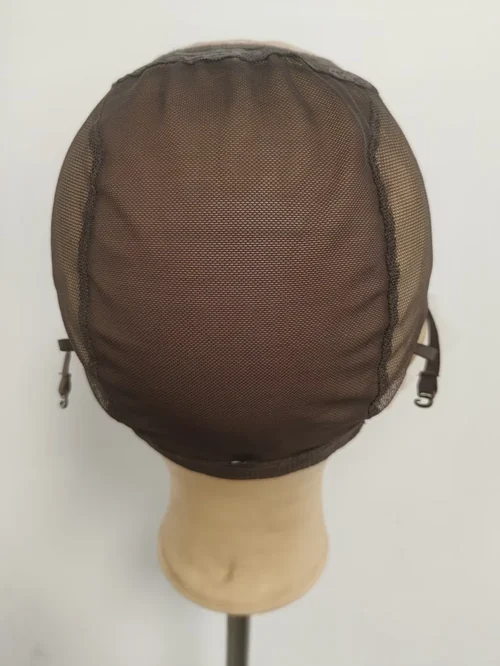 Lace Top vs Silk Top vs MonoKnowledgeLearn More
 Tzniut and a Natural Look: What Orthodox Clients Ask Factories ForKnowledgeLearn More
 A US Private-Label BrandAn anonymised process pattern: a salon brand that wanted its own name on the cap without building a factory, served as OEM on a silk top construction with private packing and a hair sample first.Learn MoreUnited States Orthodox CommunitiesSheitels and caps exported to Orthodox salons in the United States. Brooklyn, Lakewood and Baltimore are named here as markets we serve, not as invented client stories.Learn More
 Private Label and Brand OEMPrivate label and brand OEM: hair sample, colour approval, cap, QC and packing under your own name. We will not invent a factory story that does not exist.Learn More
Frequently Asked Questions
Why does it cost more?
Every hair is knotted by hand. There is no machine shortcut at the sides, so the work takes far longer than a wefted cap.
Can we order a hand-tied crown only?
Yes — that is the lace top or silk top sheitel, a hand-tied crown with wefts at the sides and back.
Which base should the hand tie be built on?
Lace, silk or mono all take a full hand tie. Lace is the sheerest, silk hides the knots, mono is the most durable — the salon brief and custom decide.
Where are the sizes?
They are kept off the page. On a piece built this slowly, fit is agreed before the first row is knotted.
Order a Fully Hand-Tied Sheitel
Send the tone you work from and the custom your clients keep, and we will build the cap to match before we touch the hair.