
Full Hand Tied Mono Base Topper
Korean mono knotted by hand, no wefts anywhere
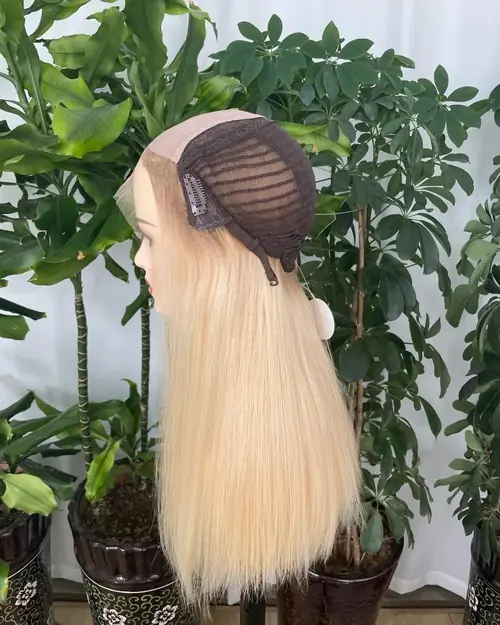
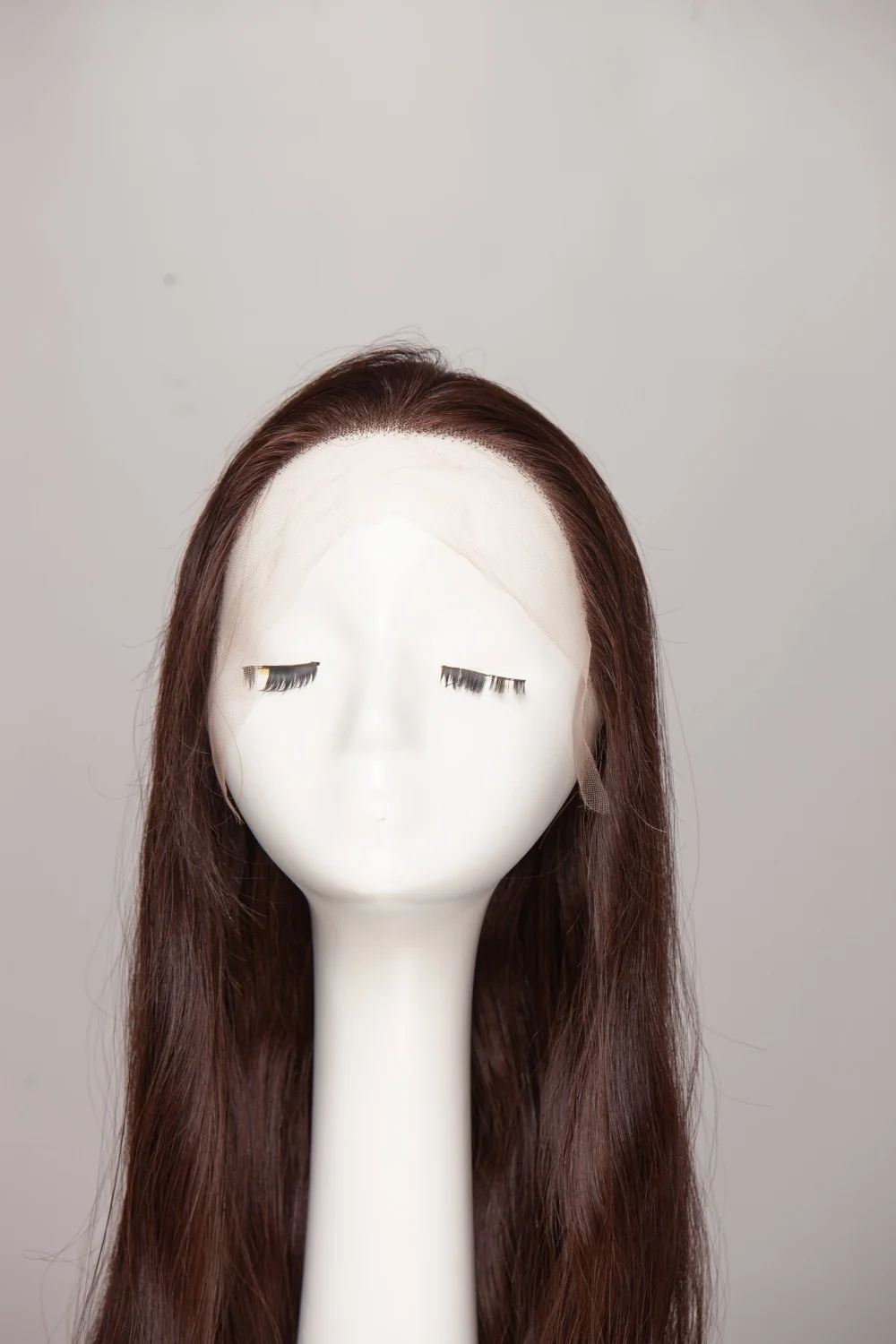
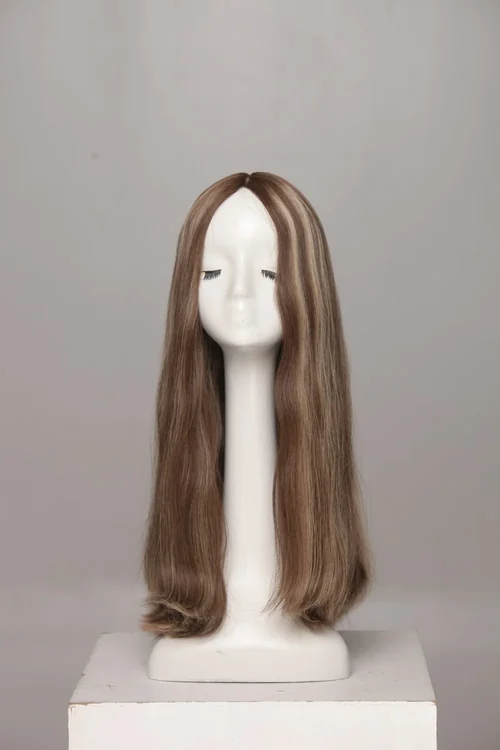
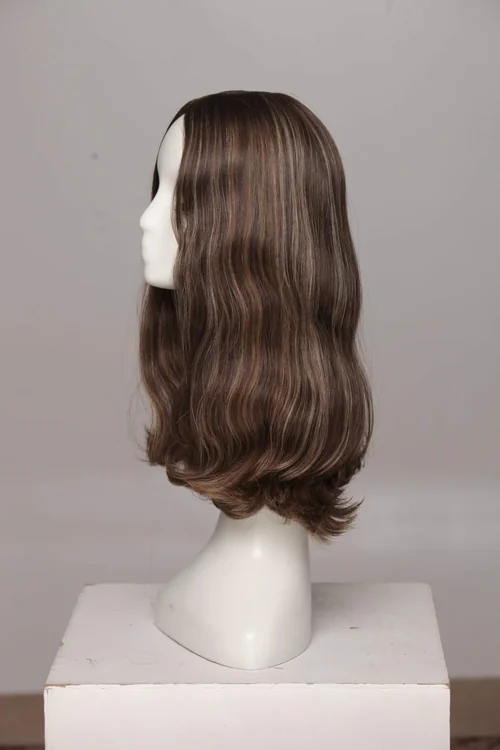
This is a partial base, not a sheitel. It covers the crown area and leaves the client's own hair around it to carry the piece, held by pressure-sensitive clips at the perimeter.
Overview
This is a partial base, not a sheitel. It covers the crown area and leaves the client's own hair around it to carry the piece, held by pressure-sensitive clips at the perimeter.
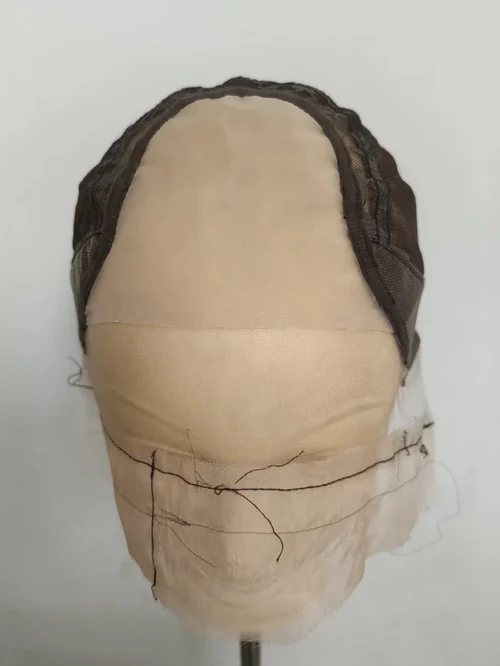
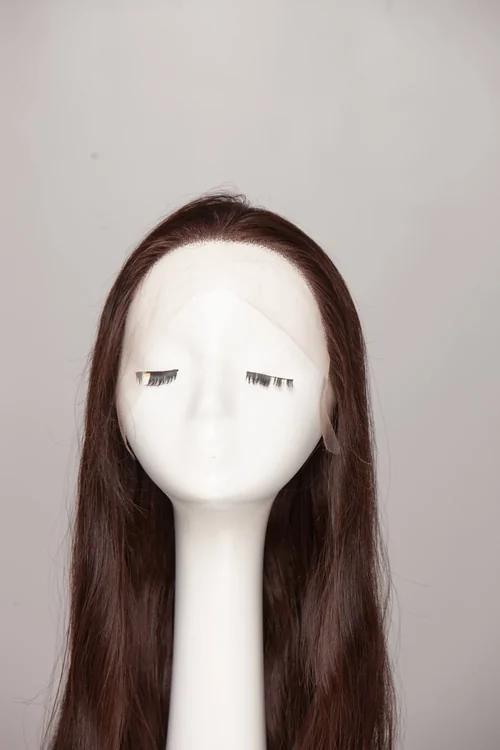
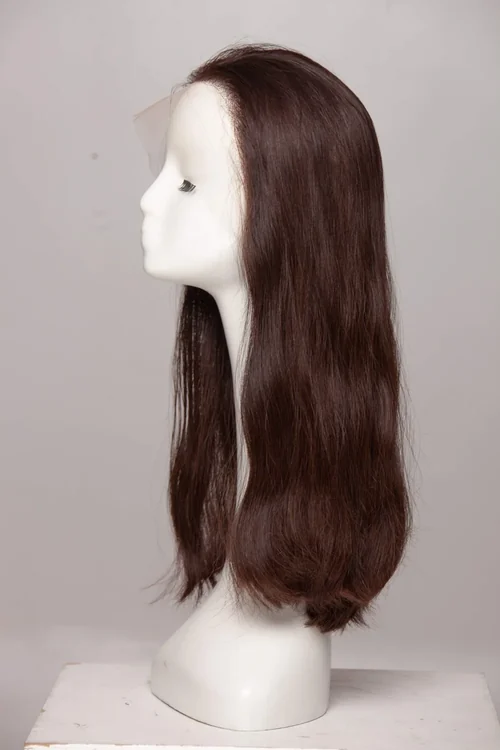
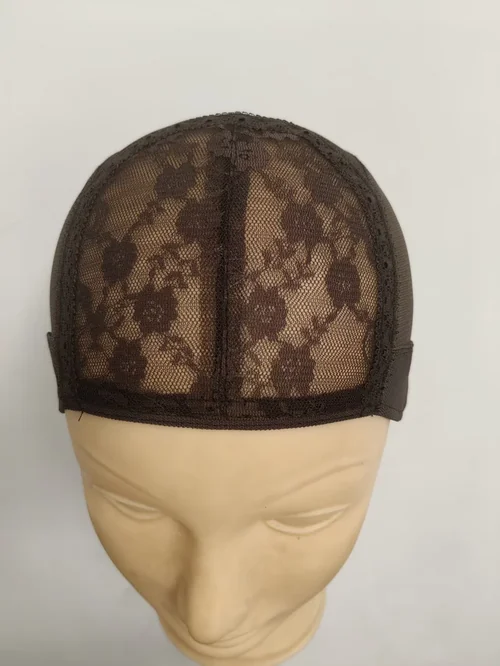
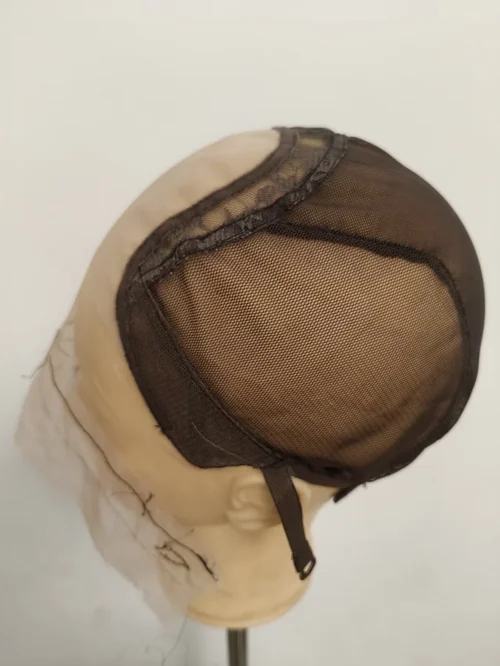
The mesh is imported Korean mono — a fine single-layer material chosen because it holds its shape and does not tear early the way a cheap net does.
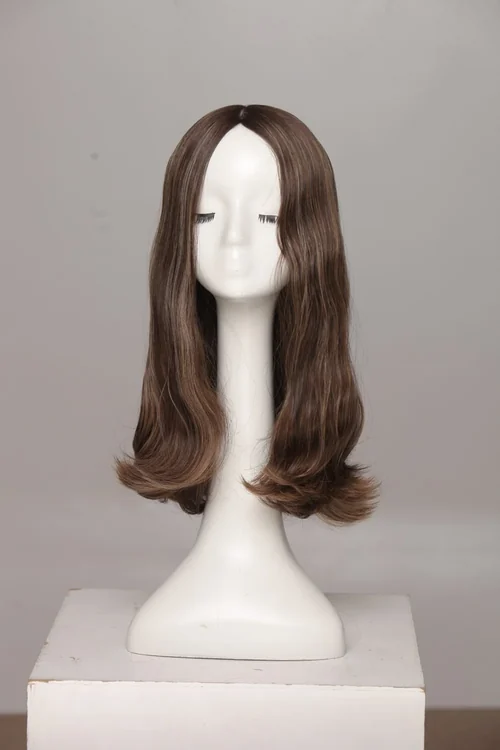
Because every strand is ventilated by hand, nothing on the piece stops a parting. The stylist can move the line wherever the client's own growth asks for it, edge to edge.
Key Benefits
Mesh That Lasts
Korean mono keeps its tension through repeat wear, which matters on a piece the client puts on and takes off daily.
Parting Edge to Edge
With no track anywhere under the mesh, the line is not confined to one strip of the base.
Nothing Ridged Underneath
A hand tie removes the weft bulk that the client can feel against her own hair when she presses the clips in.
Fit Settled Off the Page
Base measurements stay out of the catalogue; the consultant closes them with the salon.
Who It Is For
- Salons whose client still has her own hair and wants crown coverage rather than a full sheitel.
- Wholesalers in Israel and the United States stocking a durable partial base beside the sheitel wall.
- Stylists who re-part a piece on the client at every visit and need the base to allow it.
Problems It Solves
A Crown That Has Thinned
A partial base adds cover where it is wanted and leaves the rest of the client's hair exposed and her own.
Netting That Gives Out
Korean mono was chosen over a coarse substitute precisely for how it behaves after months on the shelf and on the head.
A Line the Stylist Cannot Move
Hand knotting the entire mesh removes the border a wefted build puts between the crown and everything beyond it.
Technical Features
Korean Mono Throughout
One imported mesh over the whole partial base, not a mono patch set into another material.
Ventilating Without a Shortcut
A needle passes the mesh and draws each knot in the growth direction, row after row, with no wefted section to speed it up.
Clips at the Perimeter
Sewn around the edge so the salon attaches and releases the piece without permanent adhesive.
Specifications
| Base | Imported Korean mono, partial |
|---|---|
| Knotting | Hand ventilated across the full base |
| Wefts | None |
| Parting | Anywhere on the base |
| Attachment | Pressure clips sewn at the perimeter |
| Hair | Virgin or Remy human hair, cuticle aligned |
| Lead time | Longer than a wefted build |
| Base measurements | Held off the site entirely |
Materials
Imported Korean mono for the partial base. Virgin or Remy human hair with the cuticle aligned in one direction. Pressure clips and a hand-finished edge. Hair is documented; questions about hair source belong to the community rav, and we do not answer them here.
Customization Options
Hair colour and rooting, natural density, the shape of the partial base, clip count and placement, and an optional nape strap. Head and base measurements are settled only in conversation with a sheitel consultant.
Manufacturing Process
Mono Cut to Pattern
The partial shape is cut from the imported mesh; the pattern is kept on file and not printed on the site.
Full Ventilating
Knot after knot into the mono until the base is finished, with the direction held at the front edge.
Clips Sewn On
Positions follow the pattern so the load sits evenly around the edge.
Stretch and Knot Check
The mesh is pulled to see that it returns to shape and that no knot has loosened.
Quality Control
Before packing we look for any machine track that should not be there, pull the mono to confirm it recovers, and open and close every clip on a display head.
Kosher-Compliant Construction Notes
A mono base is a construction choice and nothing more. Since a topper leaves the client's own hair around it, whether that is acceptable, and whether hair under the base has to be blocked, follows community custom. We describe the mesh; the rav rules. This is not a medical wig.
This page describes construction. It is not a rabbinic ruling.
How It Compares
| Full Hand Tied Mono | Mono Crown With Wefts | |
|---|---|---|
| Where the part goes | Across the whole base | Mostly the crown panel |
| Bulk under the hand | Even, no ridges | Weft rows are felt |
| Production | Slow, one piece at a time | Faster, easier to repeat |
Neither column is better in itself. The salon brief and the client's own hair decide which build fits.
Gallery
Use and Care
Open every clip before lifting the piece off, so the client's own hair is not dragged. Wash gently, let it dry in the air, and keep it on a display head between wears so the mono holds its shape.
No base measurements are published on this site. Fit is closed in consulting.
Related Products
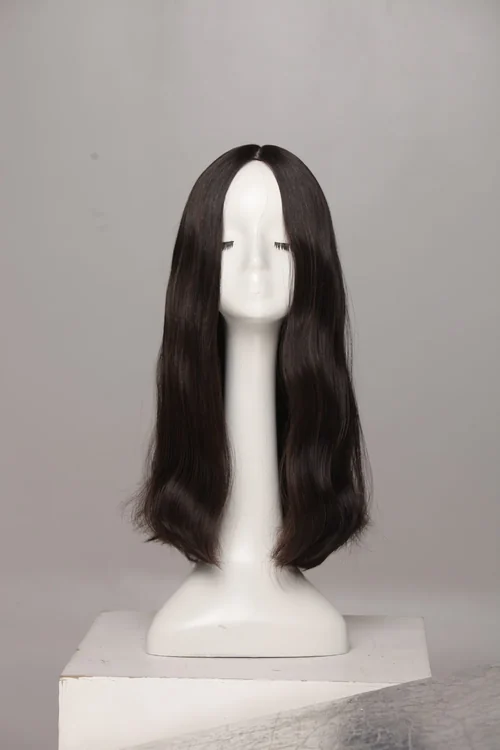 Mono SheitelImported Korean mono, built to keep its shapeLearn More
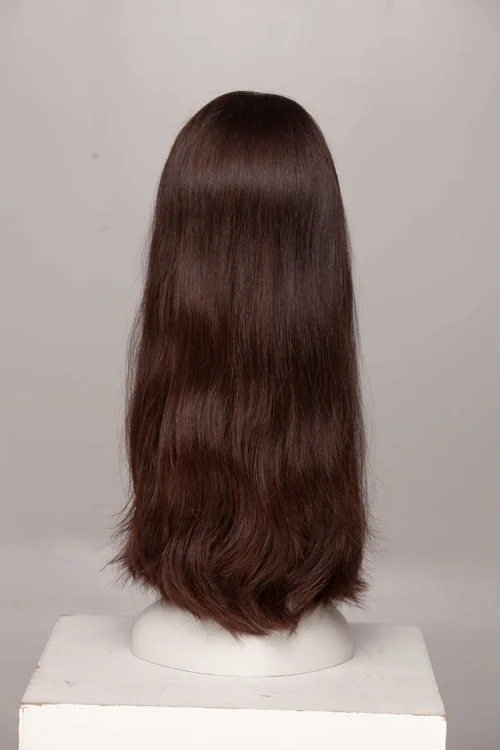 Mono Top with Wefts TopperKorean mono at the crown, built to last the weekLearn More
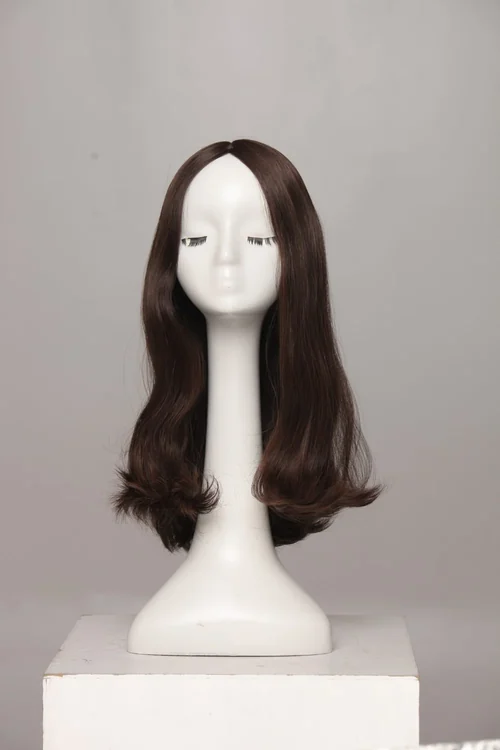 Full Hand Tied Fine Net TopperThe lightest and sheerest base on the topper lineLearn More
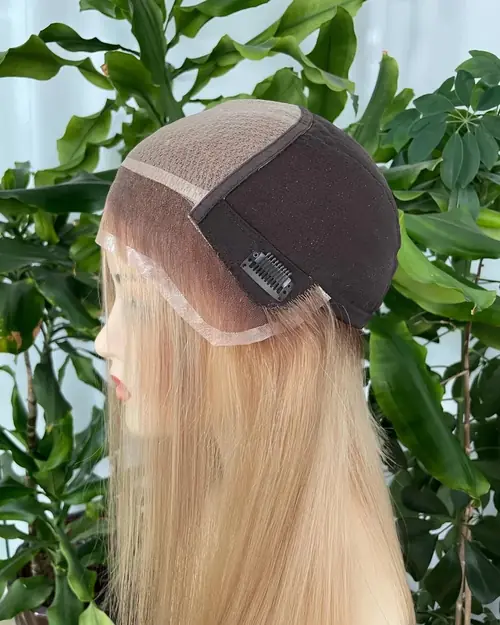 Fully Hand-Tied SheitelEvery strand knotted by hand, zero machine weftsLearn More
Related Reading
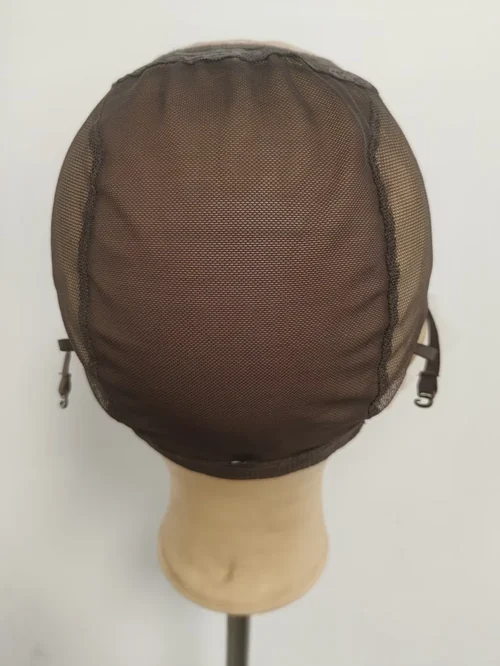 Lace Top vs Silk Top vs MonoKnowledgeLearn MoreHow a Fully Hand-Tied Sheitel Is MadeKnowledgeLearn More
 Buying Guide for Salon Owners in Israel and the United StatesKnowledgeLearn More
 An Israeli WholesalerAn anonymised process pattern: front fabric-ribbon band caps for communities that keep lace off the forehead, some raw for machers and some with hair, on a repeating wholesale construction.Learn More
 Israel Orthodox CommunitiesSheitels and kosher wig caps for wholesalers and salons serving Haredi and dati communities in Israel: a front fabric-ribbon band or lining, conservative browns, and hair a stylist can cut.Learn More
 Sheitel Salons and MachersWholesale for sheitel salons and machers on two tracks: a raw cap for the macher who ventilates in house, and a finished sheitel for the salon that wants shelf stock.Learn More
Frequently Asked Questions
Why is the lead time longer on a mono hand tie?
There is no wefted section to cover ground quickly. Every knot on the base is placed by hand, so plan the order earlier.
What makes Korean mono different?
It is a fine single-layer mesh imported from Korea and used in better pieces, rather than a coarse substitute bought on price.
Can the client sleep in it?
The clips are made to be opened and closed daily. The salon should tell the client to release them before the night.
Do you publish the base outline?
No. At the client's request no measurement of any kind appears on this site; the pattern is discussed directly.
Order a Full Hand Tied Mono Base Topper
Say what the client still has on her own head and what has to be covered, and we will point you at the base that fits.