


Lace Top vs Silk Top vs Mono
Lace gives the most flexible part but stays sheer up close; double silk hides the knots under a layer; Korean mono trades a little sheerness for a stable, durable sit. The salon and the community custom choose between them — this page only describes what each base does.
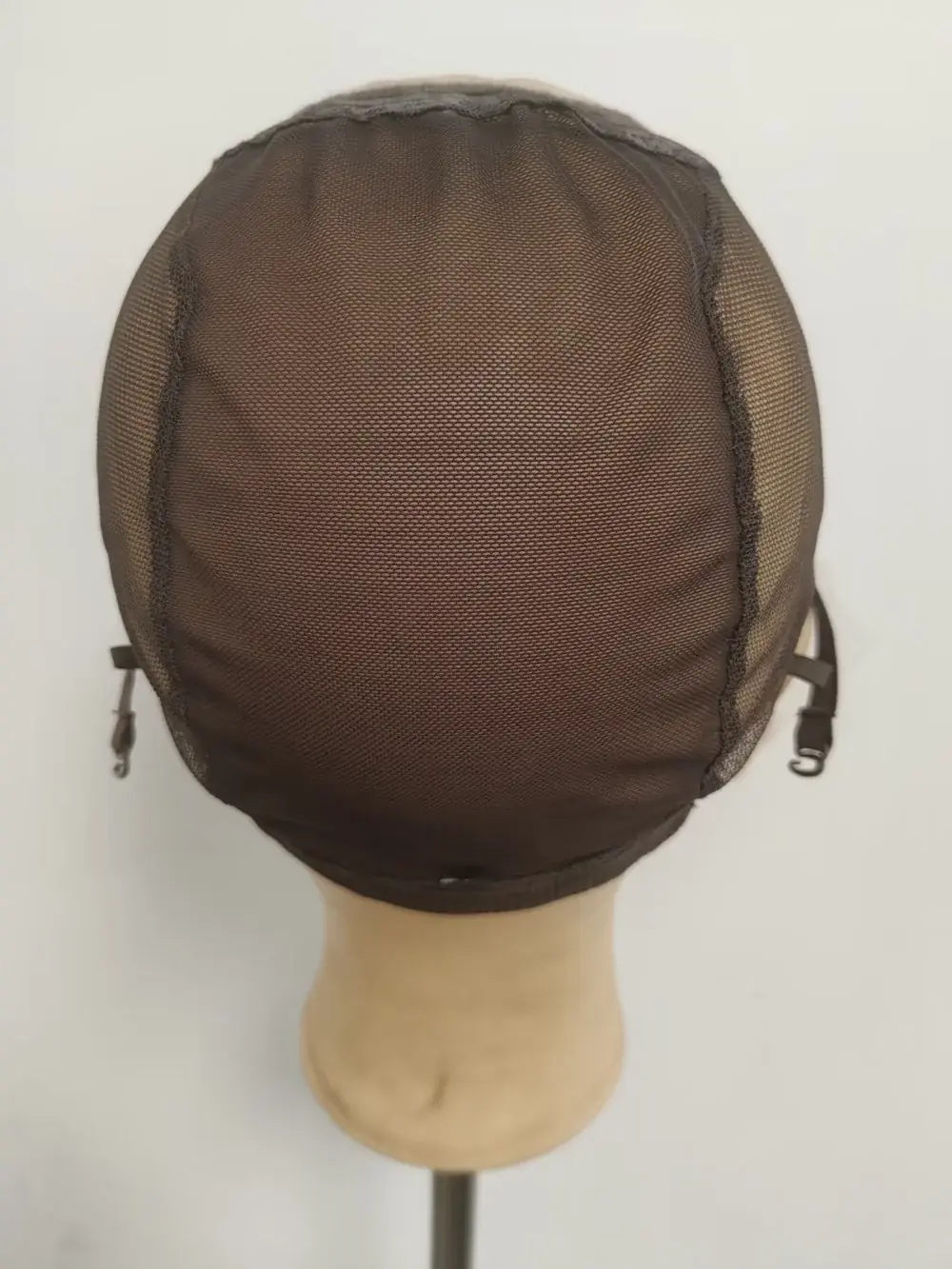
Fine Swiss Lace
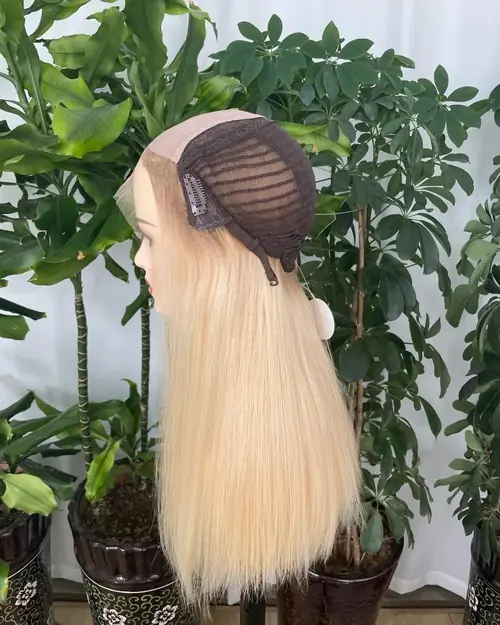
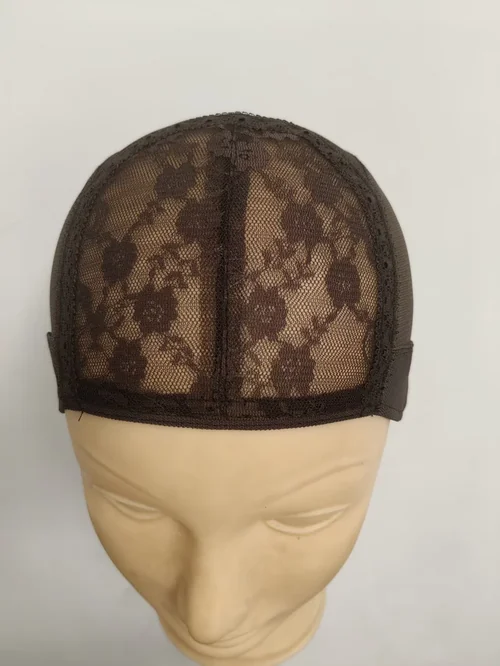
Fine Swiss lace is the most flexible part on the floor. Because the knots go straight into an open mesh, the stylist can set the parting in the direction she wants, on the client, without anything underneath dictating where it falls.
The cost of that openness is twofold. Up close, knots may show — lace does not cover them. And because the holes are sheer, lace needs a lining if natural hair underneath has to be blocked.
This is the base under the Lace Top Sheitel, which is the everyday free-part line most salons stock first, and under the raw Lace Top Cap for machers who finish their own pieces.
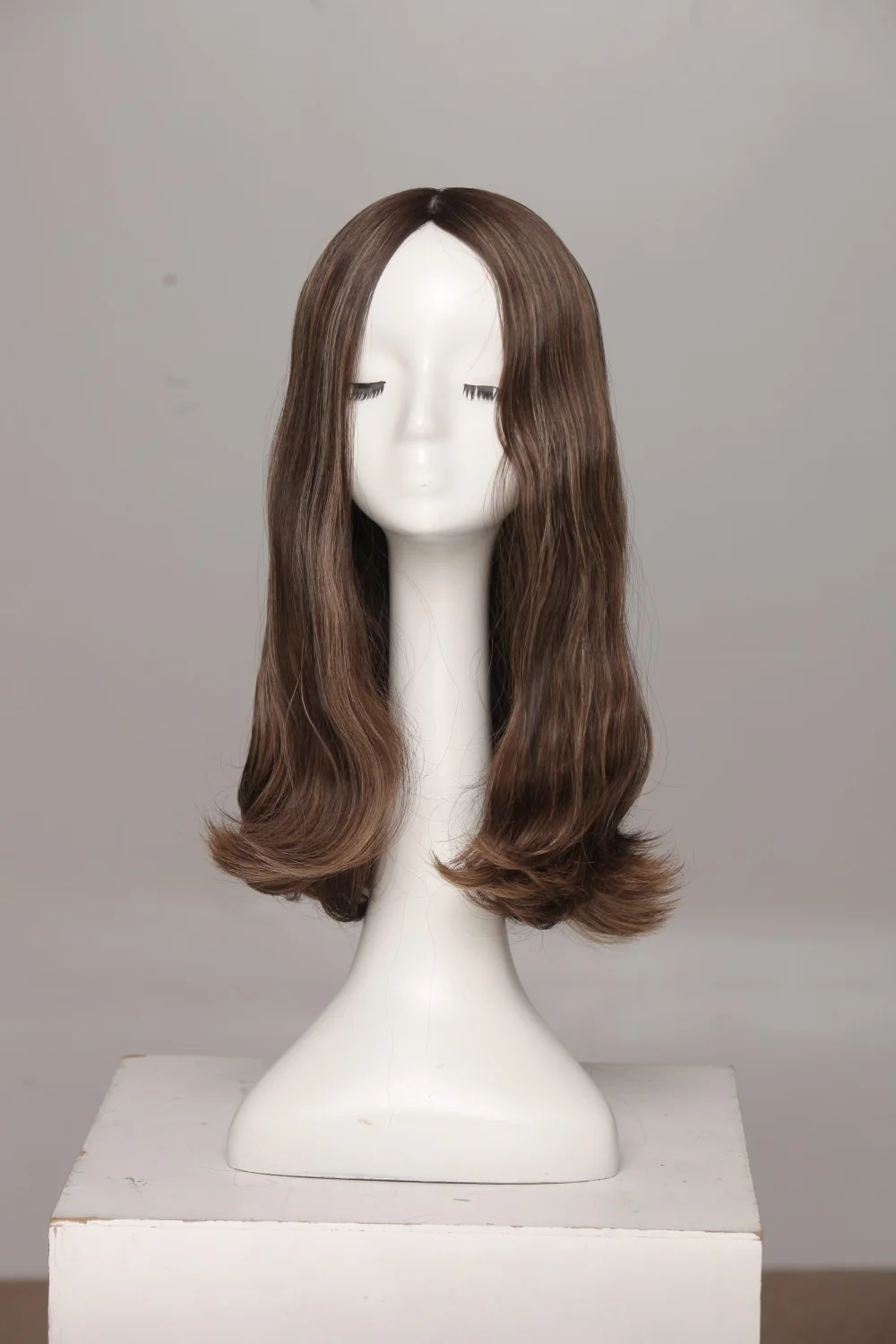
Double Silk
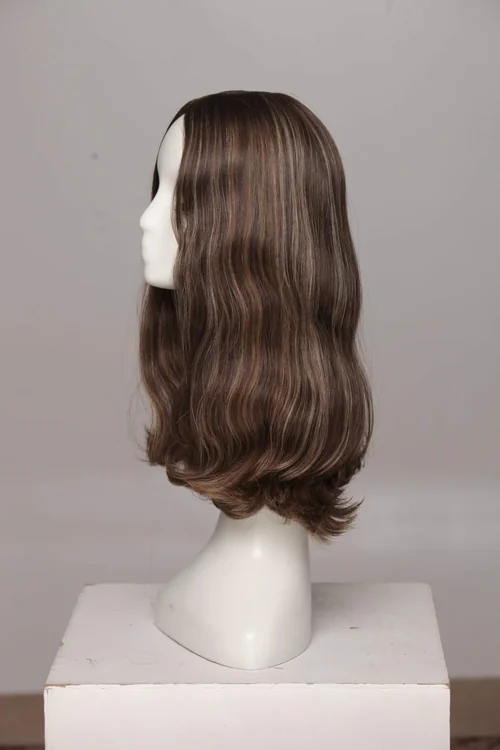
On a double silk base the knots sit under the layer rather than on top of it. What the eye lands on at the part is a silk surface, not a field of dark points.
That is the advantage in bright light, which is exactly when a part is most exposed: hard daylight, a camera, a close seat across a table. The trade is that silk reads slightly less sheer than lace — it is a covered surface, and it behaves like one.
The Silk Top Sheitel is built on this base, and the same double layer appears on the topper line for clients who only need coverage at the crown.
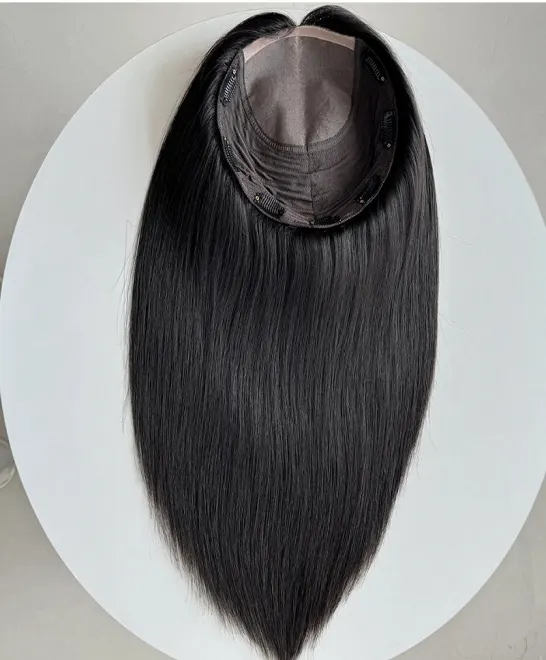
Korean Mono
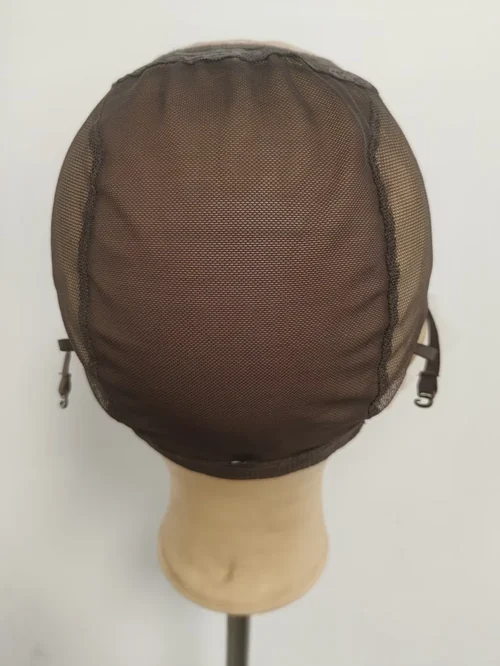
Korean mono is a durable mesh. It is the base to reach for when the piece will be worn hard and often — it holds its shape, sits stably on the head, and takes repeated handling in the salon.
Visually it has a fine mesh look rather than a skin look. Some clients read that as honest and restful; others want the silk illusion. Neither preference is a construction fault.
The Mono Sheitel is the line built this way, and mono also appears with wefts in the topper range where longevity matters more than the lightest possible cap.

Hybrids
The three bases are not a closed menu. A silk crown can be built with front lace, so the illusion at the part and the illusion at the hairline are solved by different materials.
Mono can be built with wefts at the sides and back, which keeps weight and cost predictable on a repeating wholesale run. And a full hand tie can be laid over any of the three when the salon wants no weft border anywhere on the cap.
In practice most shelves end up mixed: a lace top line for weekdays, a silk line for bright light, and a hand-tied piece for the client who asked for one.
Choosing for a Shelf, Not for One Client
A salon buying for stock is answering a different question than a stylist fitting one woman. The shelf question is which base the largest share of your clients' custom already accepts, because that is the piece you will reorder.
Markets differ in a way that shows up in orders: Israel often asks for the ribbon band and silk, while the United States also asks for front lace. A wholesaler serving both tends to carry both rather than persuade one market into the other's pattern.
None of this is a halachic ranking of bases. It is a description of what each one does under light and under wear; the custom decides which of those behaviours is acceptable.
This page describes construction. It is not a rabbinic ruling.
Related Reading
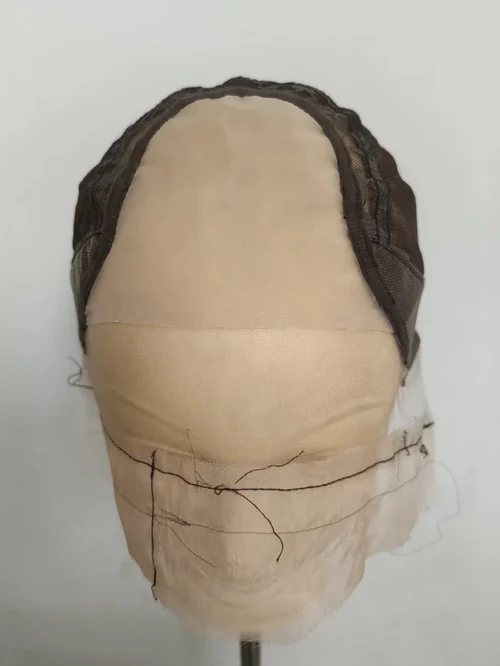 What Makes a Sheitel Kosher-Compliant in ConstructionKnowledgeLearn More
 How a Fully Hand-Tied Sheitel Is MadeKnowledgeLearn More
 Buying Guide for Salon Owners in Israel and the United StatesKnowledgeLearn More
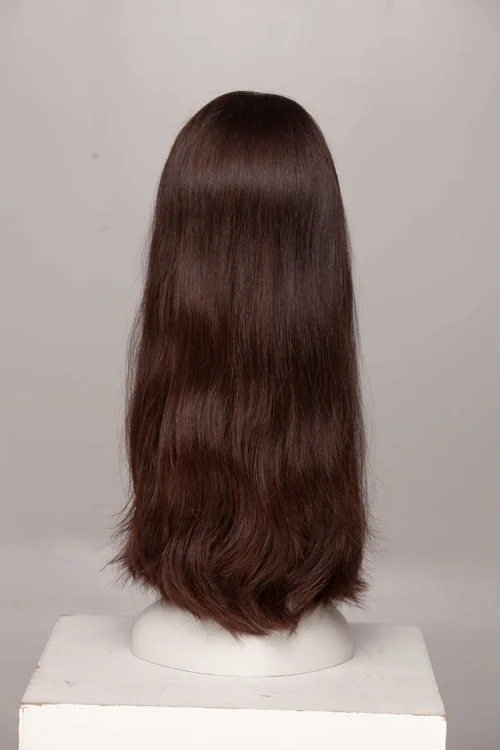 A Brooklyn Sheitel SalonAn anonymised process pattern: everyday shelf stock with free parting and local tones, built as a lace top sheitel with side wefts, with a hair sample checked before the colour run.Learn More
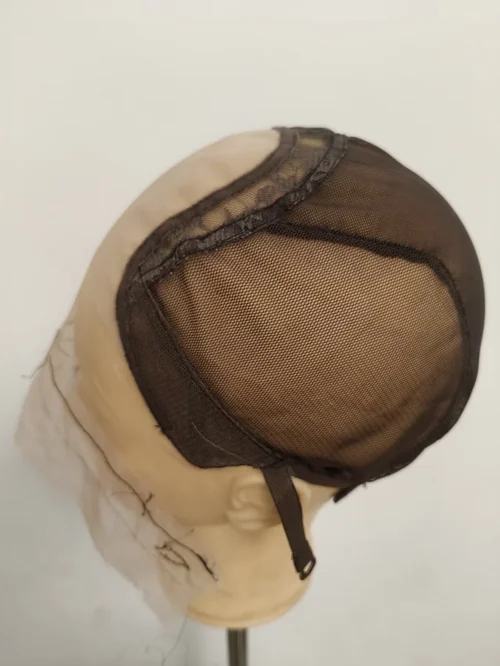 Sheitel Salons and MachersWholesale for sheitel salons and machers on two tracks: a raw cap for the macher who ventilates in house, and a finished sheitel for the salon that wants shelf stock.Learn More
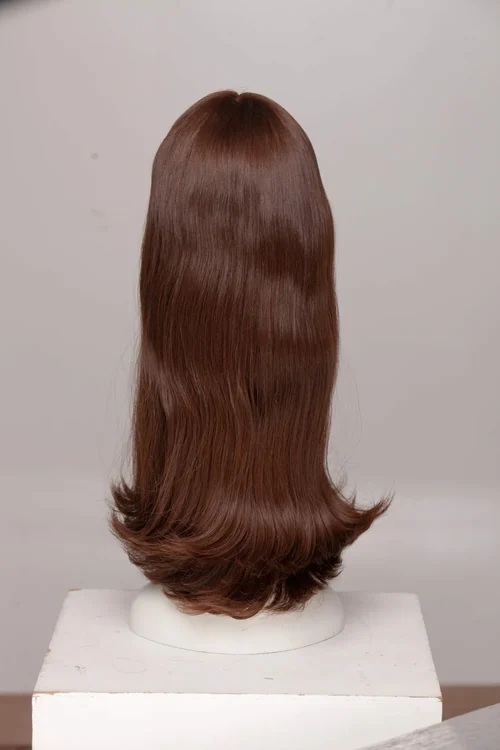 United States Orthodox CommunitiesSheitels and caps exported to Orthodox salons in the United States. Brooklyn, Lakewood and Baltimore are named here as markets we serve, not as invented client stories.Learn More
Frequently Asked Questions
Which base sells most?
It depends on the market. Israel often asks for the ribbon band and silk; the United States also asks for front lace.
Where are the sizes?
Not on the site. Base measurements are closed in a consulting conversation, and client heads are measured in your salon.
Can lace be lined?
Yes. Where natural hair has to be blocked, a solid fabric lining goes under the lace, or the salon chooses a front fabric-ribbon band instead.
Is one base more kosher than another?
That is not a question the factory answers. We describe construction; the community rav rules on what the custom requires.
A Question About Cap Construction
Sheitel consulting on WhatsApp or email — a construction answer, not a ruling.