



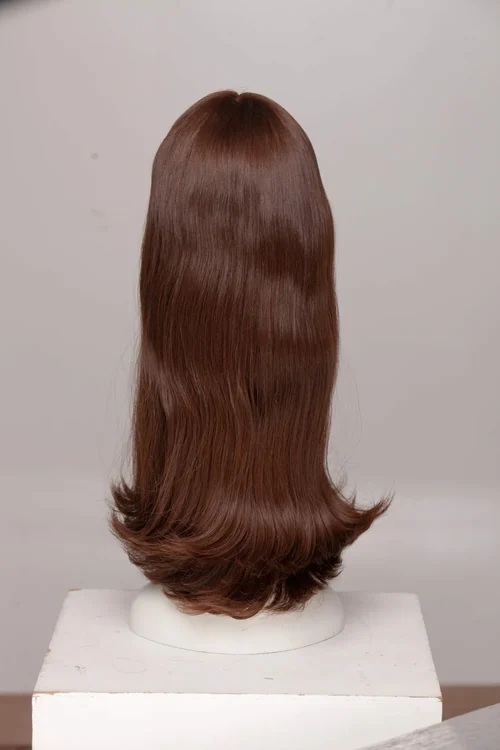
What Makes a Sheitel Kosher-Compliant in Construction
Women who keep tzniut ask one question before any other: can the hair under the cap be seen through the base. The factory answers it in construction — a solid fabric lining under the lace, or a front fabric-ribbon band with no lace on the forehead — and leaves the ruling to the rav.
Why the Question Starts at the Lace
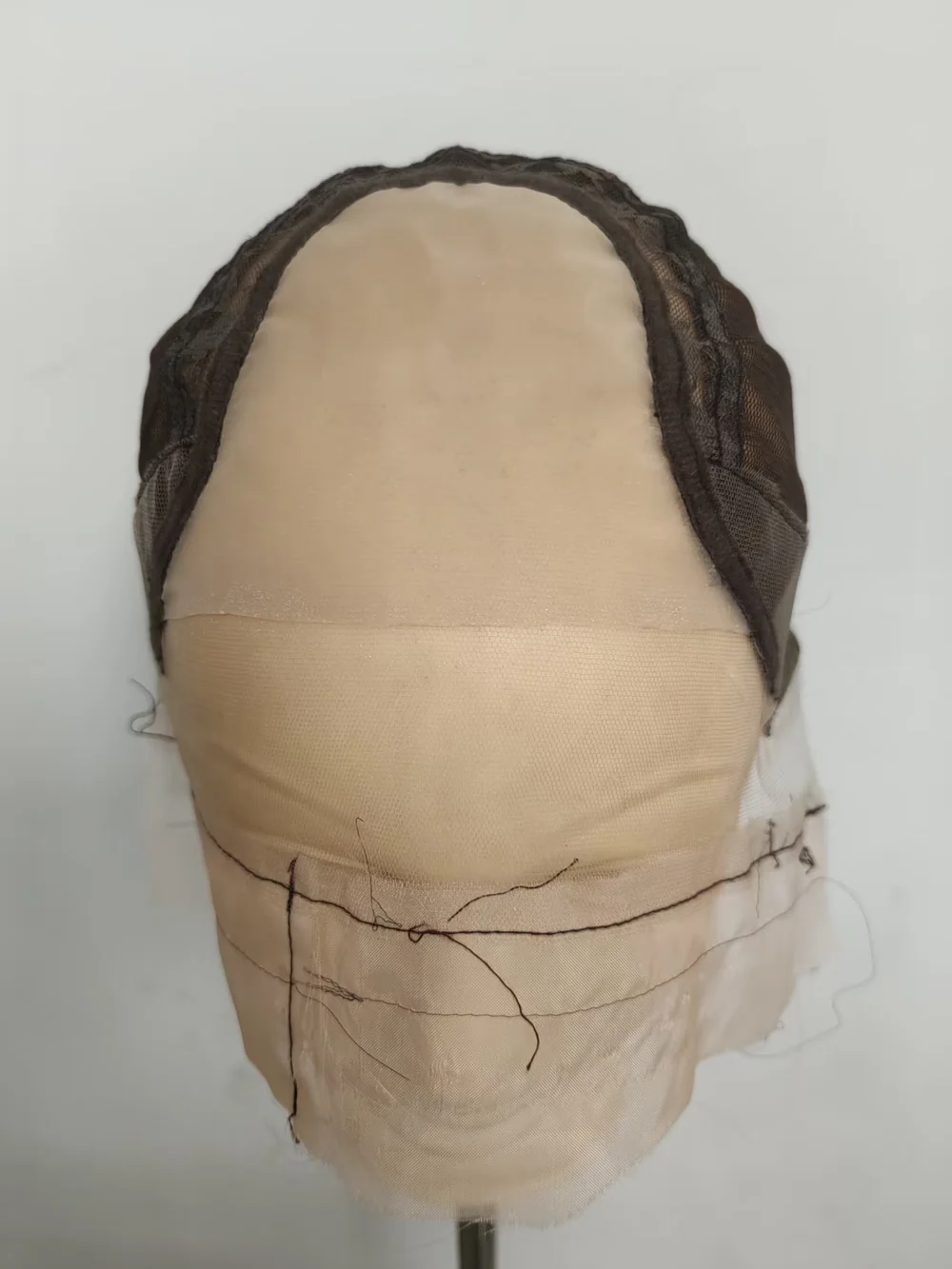
Swiss lace holes are sheer. That is exactly what makes lace useful at a part — light passes through it and the base stops competing with the hair. The same sheerness is the problem when natural hair sits underneath: light that reaches the lace also reaches what is below it.
So the conversation a salon has with a client about kosher construction is rarely about the hair on top. It is about what the base does, and does not do, in daylight.
Everything below is a description of how the cap is built. It is not a ruling, and reading it does not replace asking your rav.
Lining Under the Lace
The first construction answer is a solid fabric lining sitting under the lace crown. The lace still carries the knots and still lets the part move; the fabric underneath is what stops light and stops the view through.
On our floor this is the construction of the Lined LaceTop Clip-in Topper. Lining can also be added to another cap pattern to order, which is what wholesalers usually ask for when a community keeps the requirement but the salon wants a different silhouette.
Lining is not free of cost to the wearer: a layer of fabric is a layer of fabric, and the cap is warmer than an open mesh. That trade is worth naming honestly in the salon rather than after the sale.
The Front Fabric-Ribbon Band
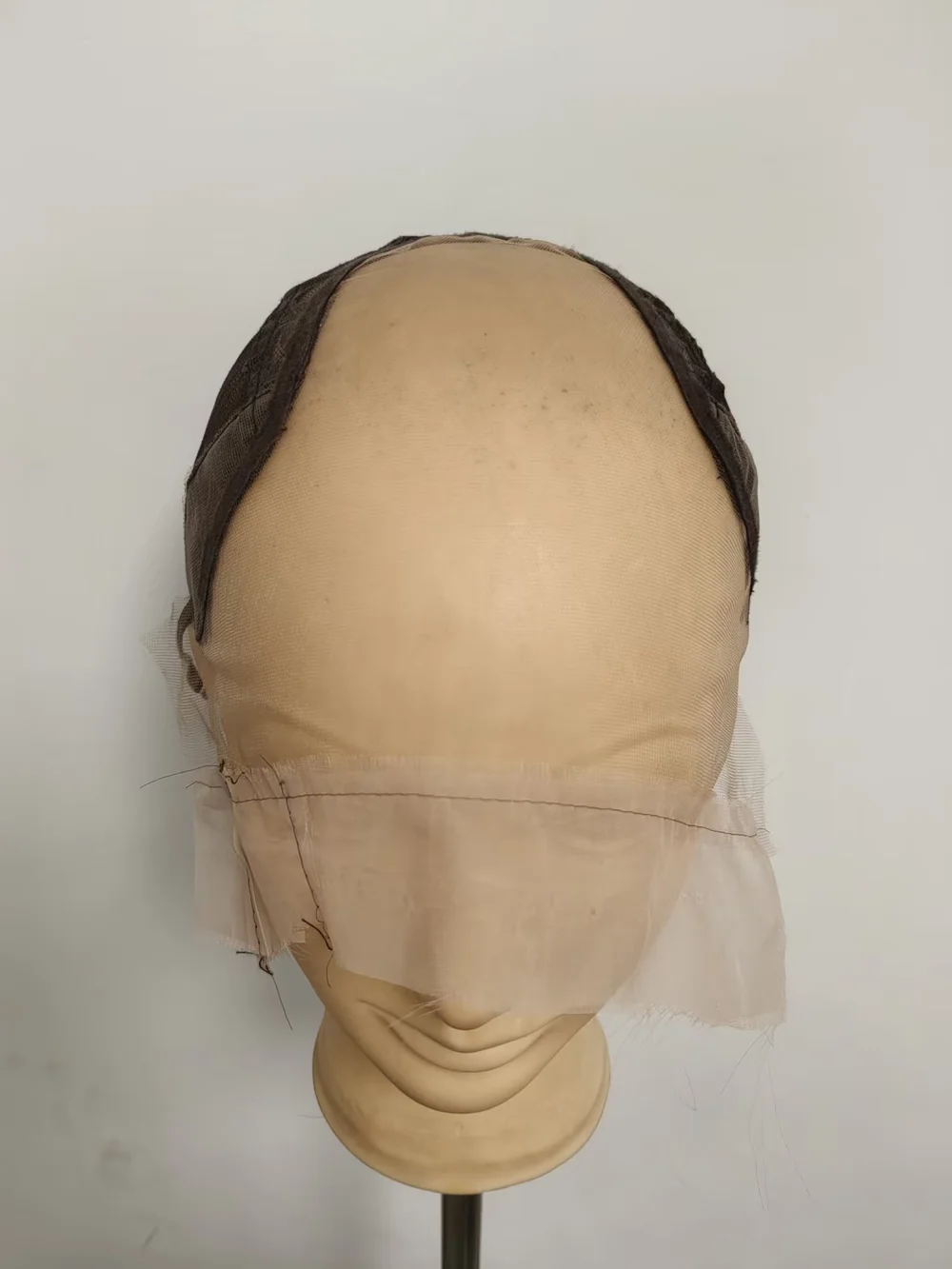
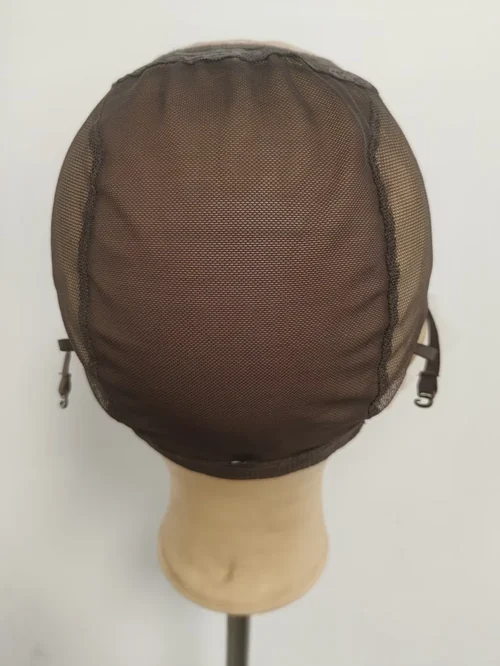
The second answer is the classic cap: a band of fabric ribbon across the front, with no lace on the forehead at all. There is nothing sheer at the hairline, so the question of light through holes does not arise there.
This is the construction behind the Front Fabric-Ribbon Band cap, and it is the pattern a macher in Israel most often recognises on sight. The band also gives the cap a defined front edge to work against, which is part of why it wears predictably.
What it gives up is the illusion at the very front. A fabric band reads as a band; it is not pretending to be skin. Communities that prefer this construction generally prefer it for that reason.
Front Lace: Where Communities Differ
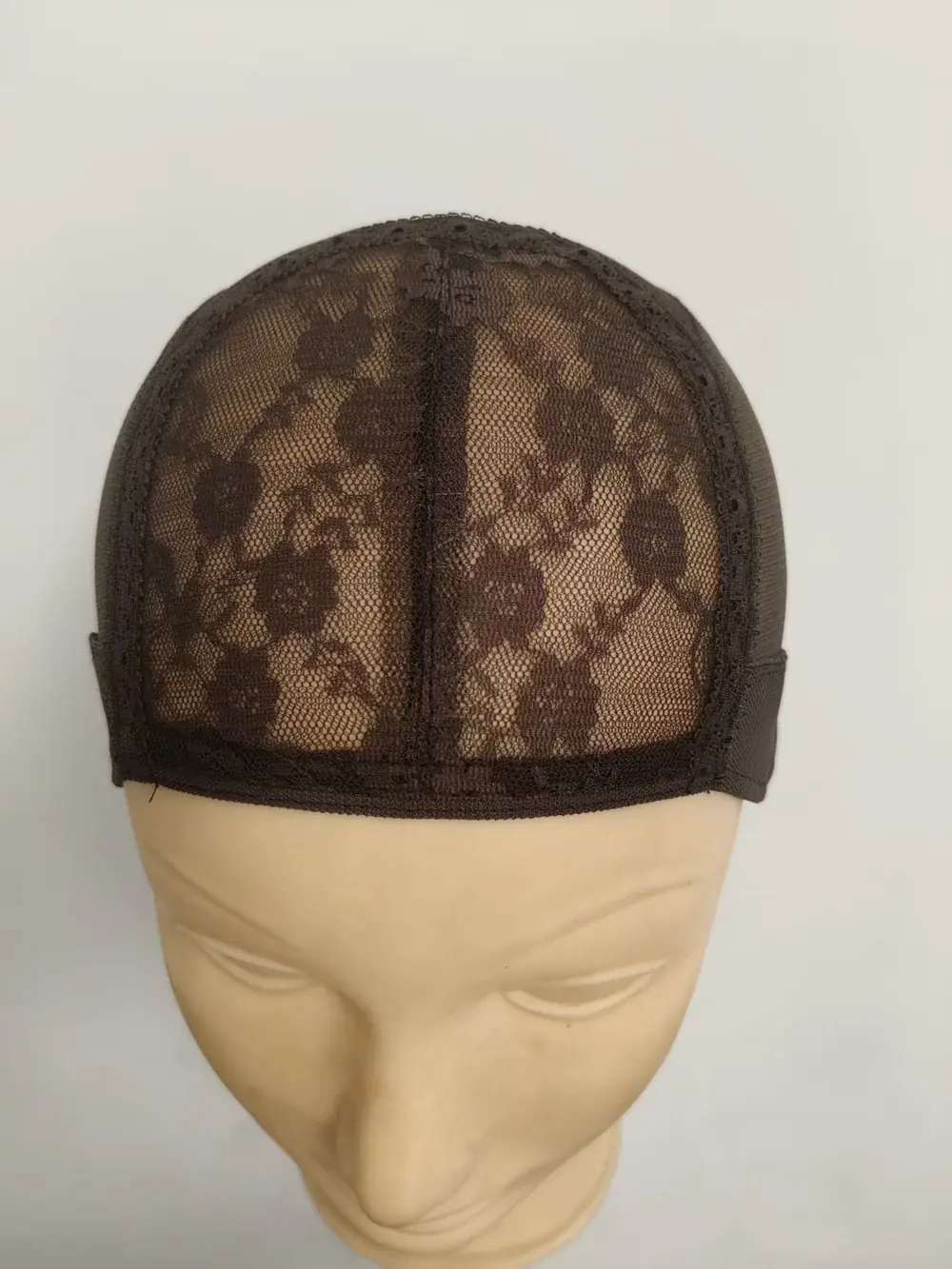
Some communities allow front lace where it sits off the natural hair — the lace is on skin, not over hair, and the objection does not apply in the same way. Some communities do not allow it at all.
The factory does not rule between them. We build what the salon asks, and the salon asks according to the custom of the women who walk in. In practice a wholesaler serving both kinds of community carries both patterns rather than arguing one into the other.
If you are not sure which side a client's custom falls on, that is the moment to send her back to her rav rather than to reach for a compromise cap.
Documented Hair
We work with documented human hair, virgin or Remy. Documentation here means the factory can say what it bought and from where, which is the part of the chain a manufacturer can actually stand behind.
Avodah zarah and the halachic status of a hair source belong with the rav, not on a sales page. We will not publish an opinion we are not qualified to give, and we will not display a certificate we do not hold.
What a salon can ask us for is a hair sample before a colour run. That is a factual, checkable thing, and it is the right test to run before a shelf order.
Where Construction Ends and the Rav Begins
Everything on this page is a description of materials and seams: lace, lining, ribbon band, mesh, documented hair. None of it is a hechsher, and none of it becomes one by being described carefully.
A cap can be built exactly to a community's requirement and still be the wrong cap for a particular woman, for reasons only her rav and her stylist can weigh. The construction is ours; the decision is not.
When a salon calls us, the useful question is a construction question: lining or band, lace at the front or not, wefts or a full hand tie. Those we can answer precisely.
This page describes construction. It is not a rabbinic ruling.
Products in This Article
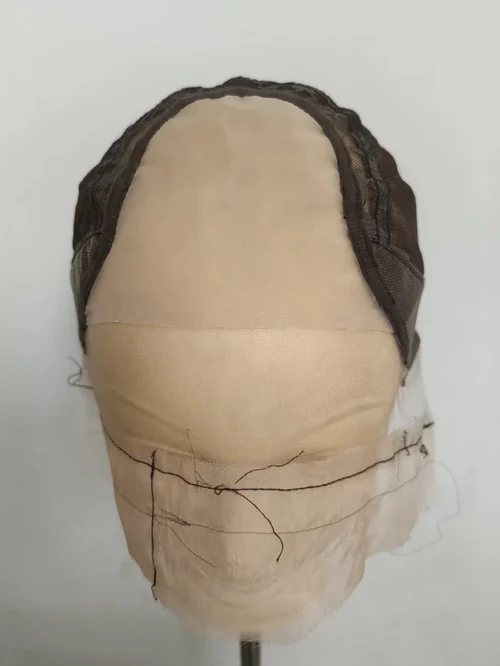 Lined LaceTop Clip-in TopperSolid lining under the lace, clips at the perimeterLearn More
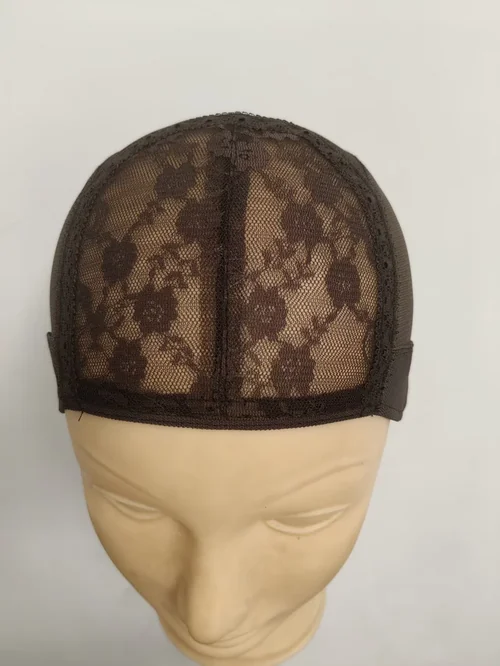 Front Fabric-Ribbon Band Wig CapNo lace at the forehead, floral stretch lace sidesLearn More
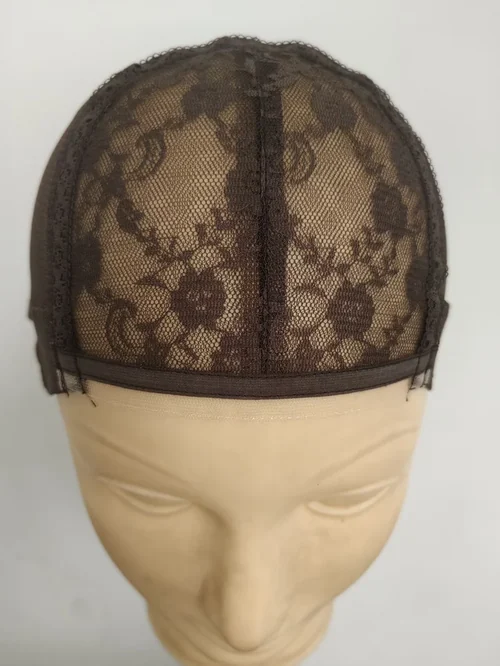 Front Lace Wig Cap for Kosher SheitelSwiss lace across the hairline, baby hair tied by handLearn More
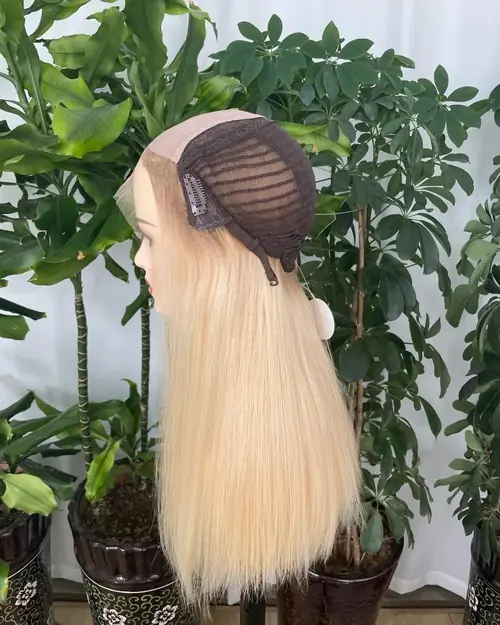 Lace Top SheitelSwiss lace crown and free partingLearn More
Related Reading
 Lace Top vs Silk Top vs MonoKnowledgeLearn More
 Tzniut and a Natural Look: What Orthodox Clients Ask Factories ForKnowledgeLearn More
 Buying Guide for Salon Owners in Israel and the United StatesKnowledgeLearn MoreAn Israeli WholesalerAn anonymised process pattern: front fabric-ribbon band caps for communities that keep lace off the forehead, some raw for machers and some with hair, on a repeating wholesale construction.Learn More
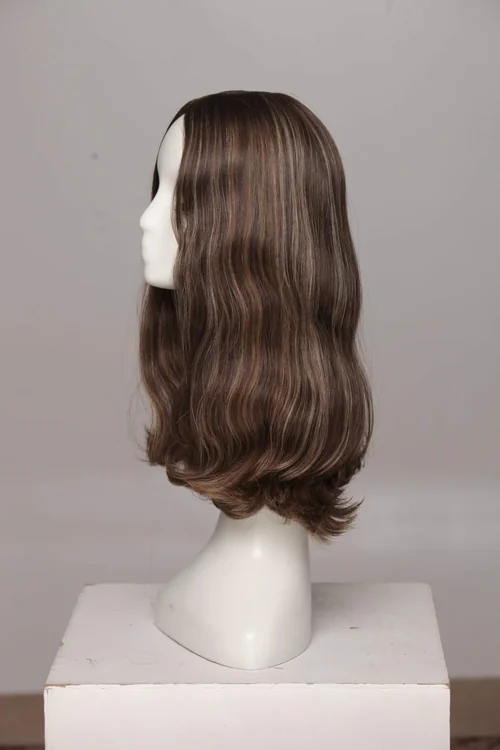 Israel Orthodox CommunitiesSheitels and kosher wig caps for wholesalers and salons serving Haredi and dati communities in Israel: a front fabric-ribbon band or lining, conservative browns, and hair a stylist can cut.Learn More
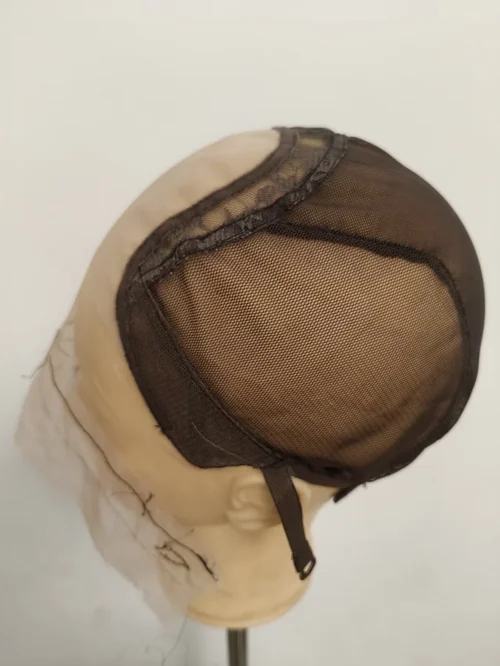 Sheitel Salons and MachersWholesale for sheitel salons and machers on two tracks: a raw cap for the macher who ventilates in house, and a finished sheitel for the salon that wants shelf stock.Learn More
Frequently Asked Questions
Is this a hechsher?
No. It is a construction description. We do not hold or display a certificate, and the ruling on any cap sits with the community rav.
Which pattern is the lined one?
The Lined LaceTop Clip-in Topper is built lined. Lining can also be added to another cap pattern to order.
Can a cap have no lace on the forehead at all?
Yes — the front fabric-ribbon band cap has a fabric band across the front instead of lace. It is the pattern most often asked for where communities keep lace off the forehead.
Do you say where the hair comes from?
We work with documented human hair, virgin or Remy, and we will tell a buyer what we are supplying. The halachic side of hair source is a question for the rav.
A Question About Cap Construction
Sheitel consulting on WhatsApp or email — a construction answer, not a ruling.