
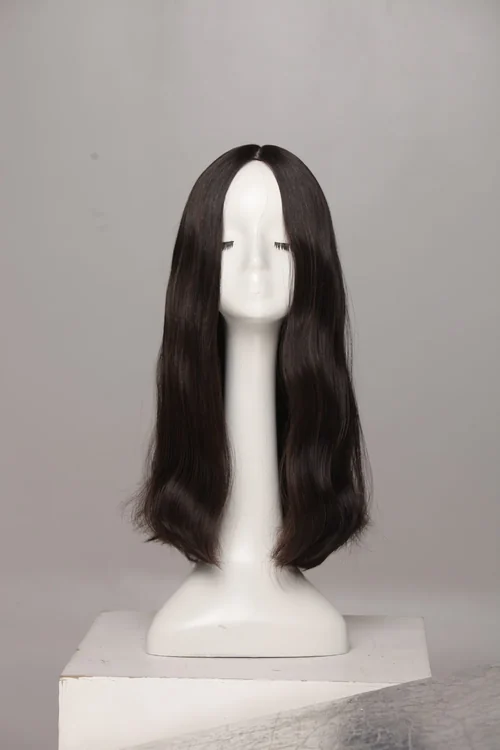
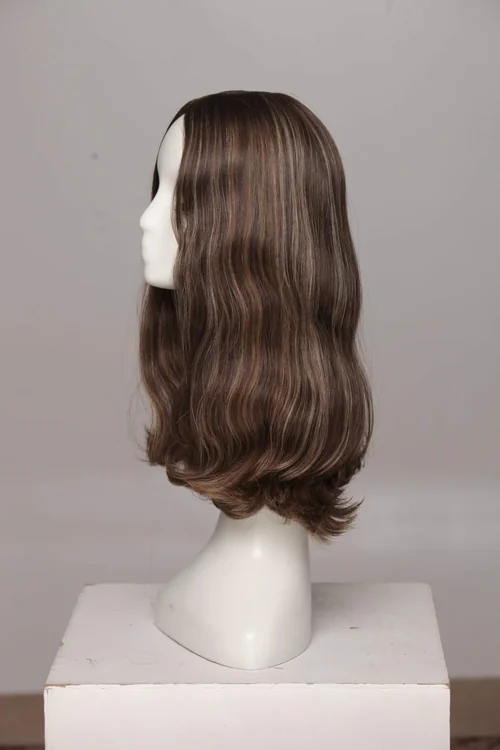
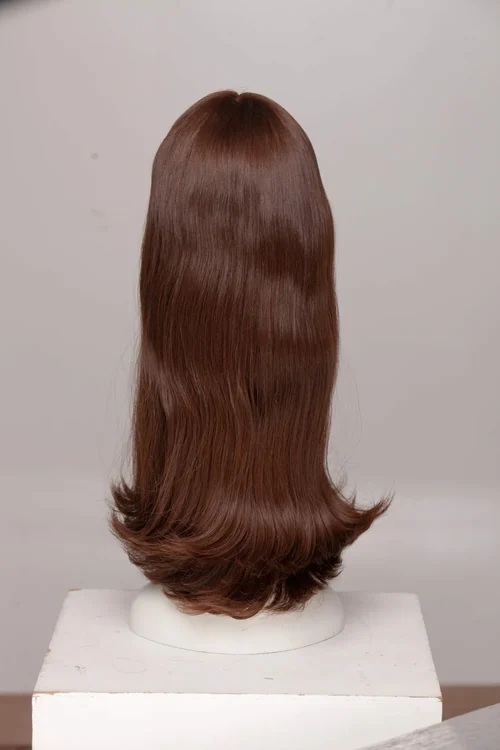
How a Fully Hand-Tied Sheitel Is Made
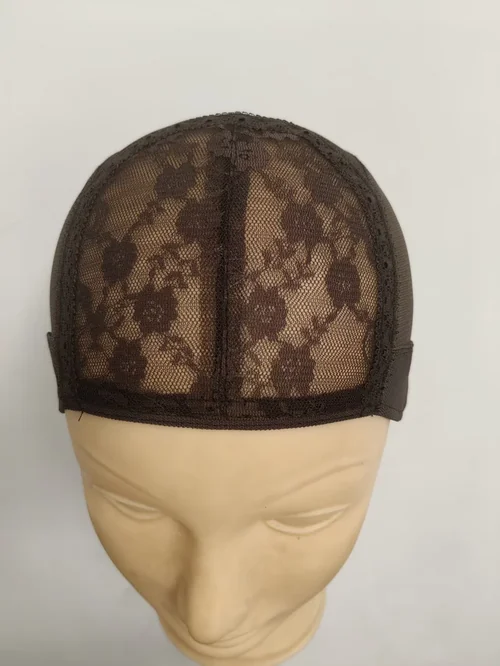
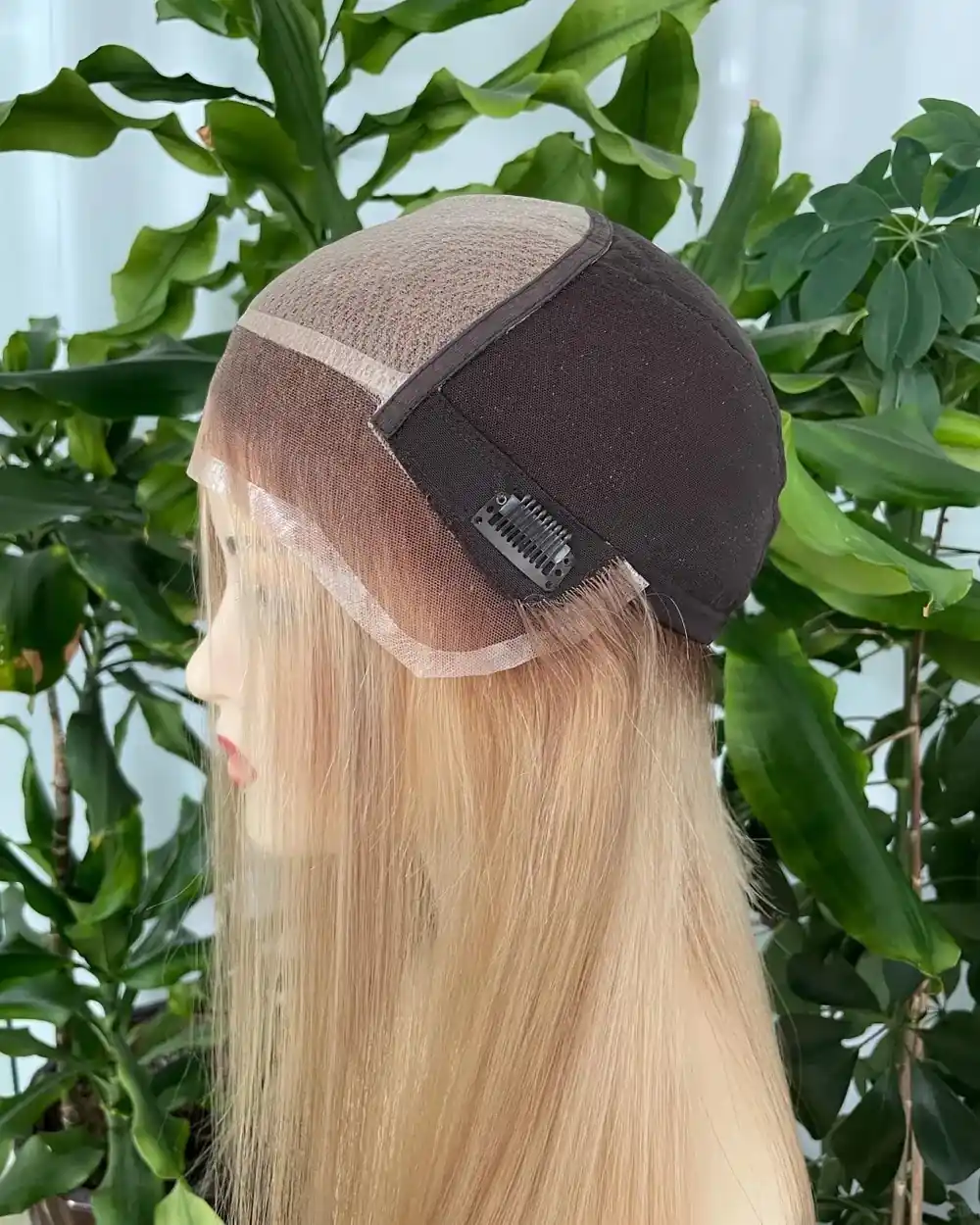
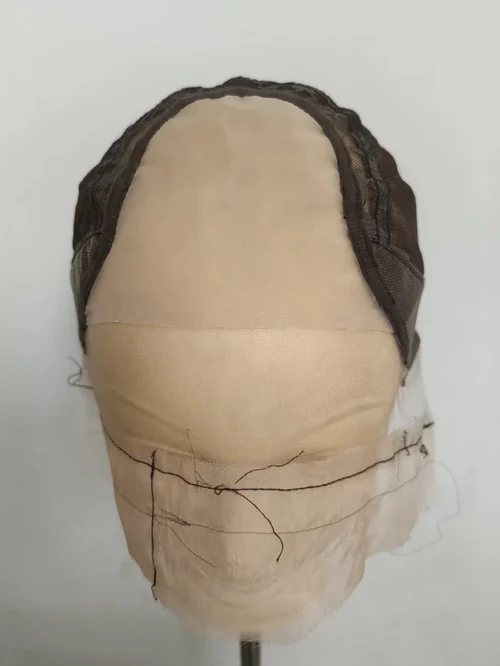
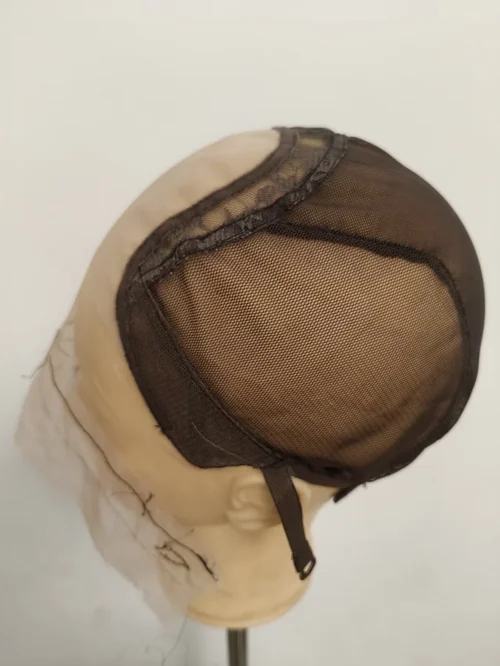
On a fully hand-tied sheitel every hair is knotted into the mesh by needle, row after row, and there is no machine weft at the sides. That is why the process is slow and why the part is free across the whole cap instead of stopping at a border.
Ventilating, Knot by Knot
Ventilating is the whole craft in one motion. A fine needle passes through the mesh, catches the hair, and the hair is tied off in a small knot against the base.
The knot is only half the work. Each hair is then drawn in growth direction, because a hair tied at the wrong angle will stand away from the cap no matter how the piece is later styled.
Then it repeats. Row after row, across the crown, down the sides, around to the nape. The rhythm is the product; there is no step in it that goes faster than a hand.
No Shortcut at the Sides
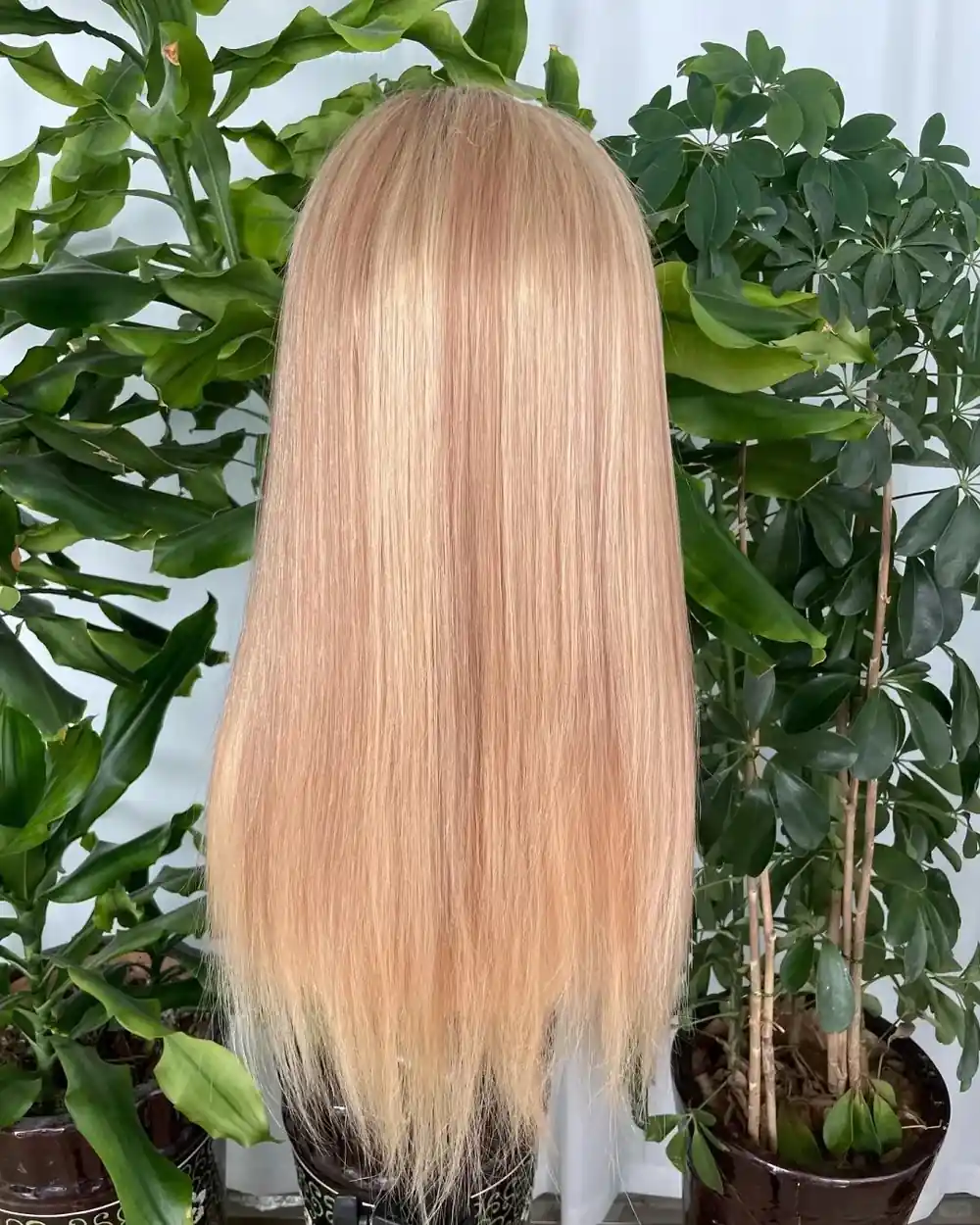
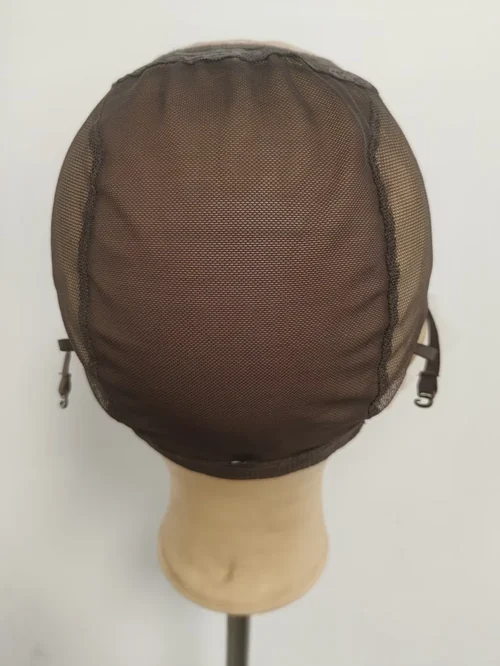
On most caps the sides and back are machine wefts: hair sewn into a track, the track attached to the mesh. It is fast, it is consistent, and it is why a wefted cap can be reordered in a colour run without drama.
A fully hand-tied sheitel gives that up on purpose. There is no shortcut at the sides, so there is no border where the part suddenly hits a weft and has to stop.
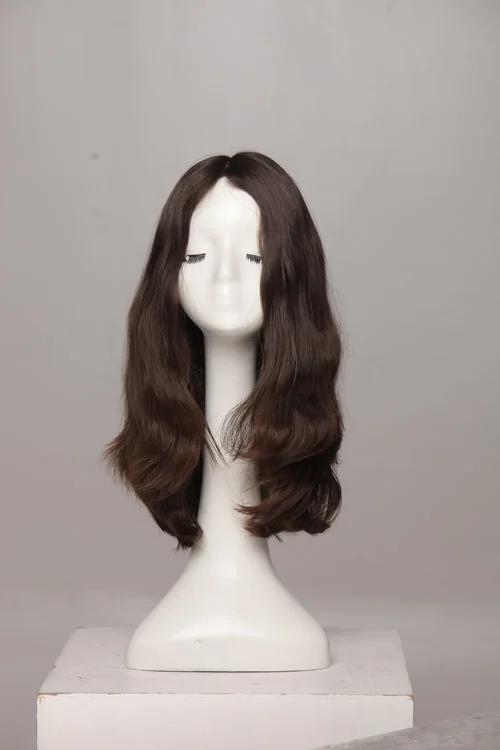
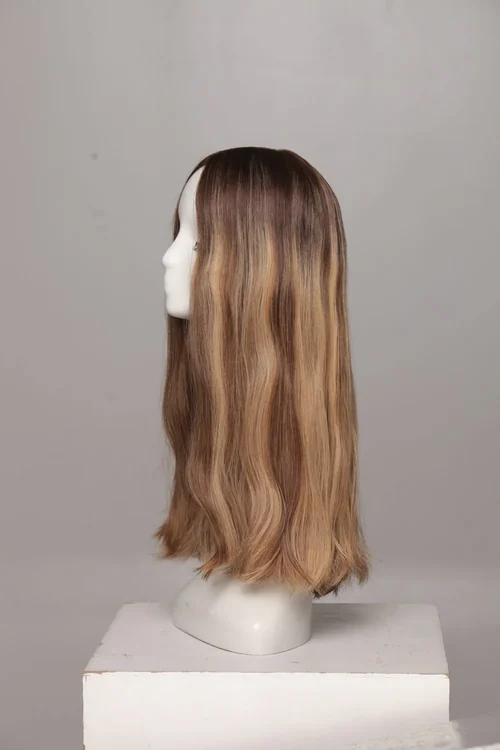
For a stylist that means the piece can be re-parted and re-shaped further than a wefted cap allows. That freedom, not the material, is what the client is actually paying for.
Why the Lead Time Is Longer
Buyers ask why a hand-tied order takes longer, and the answer is not complicated: no machine at the sides. The part of the cap that a weft would finish quickly is now knotted the same slow way as the crown.
This matters for planning more than for pricing. A salon that wants hand-tied pieces on the shelf orders them separately from the everyday wefted line, rather than putting one order behind the other.
We do not publish a lead time on this site. The schedule for a specific order is closed in conversation, against what is actually on the bench at the time.
What Quality Control Looks For
The first check is the one that sounds strange: hunt for a missed machine track. On a piece sold as fully hand tied, a weft anywhere on the cap is a defect, and it is the defect a buyer will find first.
Then stretch. A hand-tied cap should give and return across the base; a section knotted too tight shows up as a flat spot that will not sit on a head.
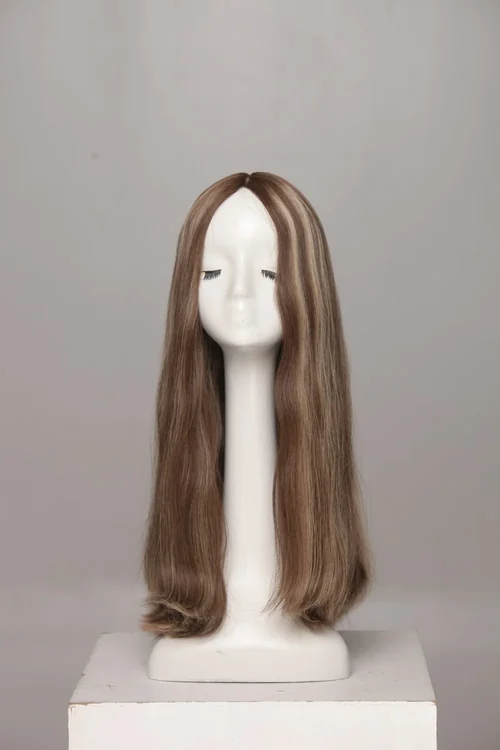
Last, hairline direction. The knots at the front are where a wrong angle is most visible, so the hairline is read on a display head before the piece is packed.
When a Hand-Tied Crown Is Enough
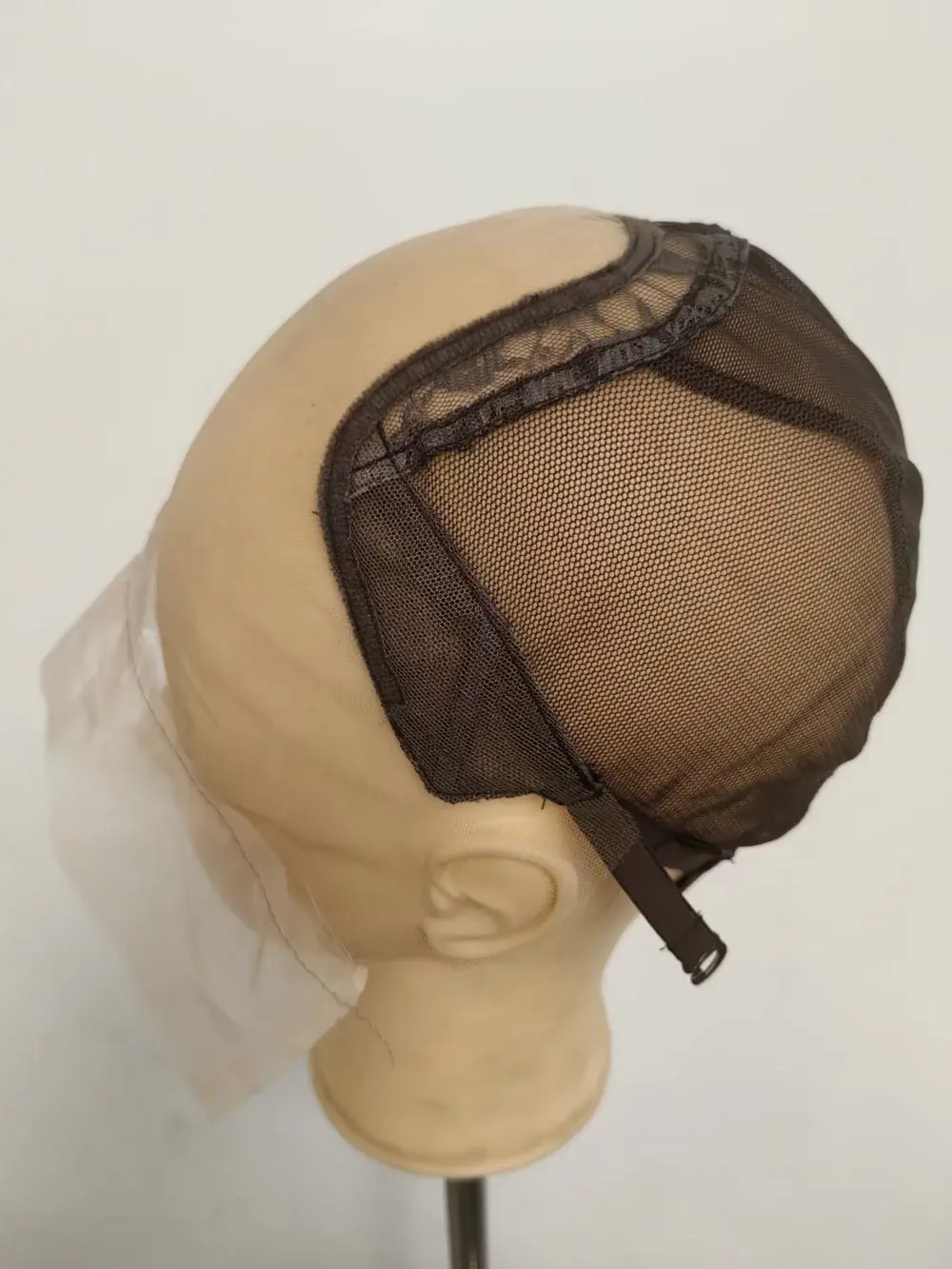
Not every order needs a full hand tie. A hand-tied crown with wefts at the sides gives free parting where the eye actually lands, and keeps the rest of the cap stable and reorderable.
That is exactly what the Lace Top Sheitel and the Silk Top Sheitel are: hand knotting through the part, machine wefts behind it. Most everyday shelf stock is built this way.
The Fully Hand-Tied Sheitel is the piece to reach for when a client wants no weft border anywhere, and the salon is willing to plan the order around a slower bench.
This page describes construction. It is not a rabbinic ruling.
Products in This Article
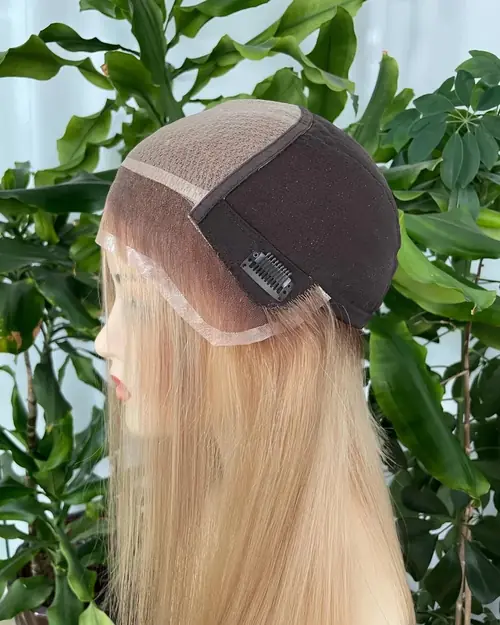 Fully Hand-Tied SheitelEvery strand knotted by hand, zero machine weftsLearn More
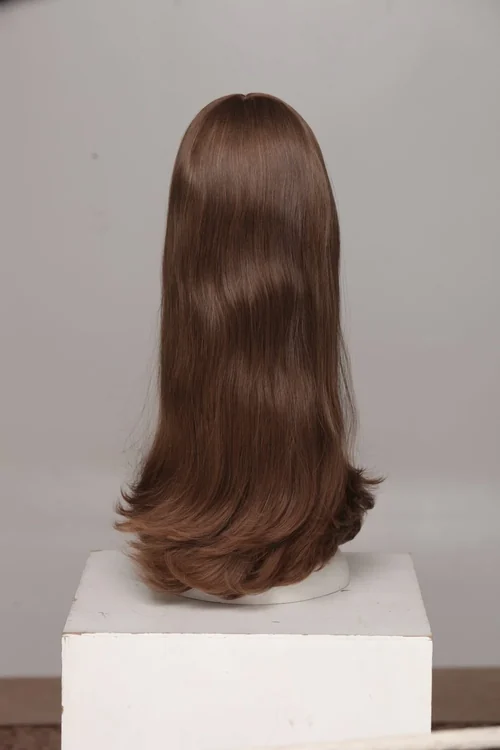 Full Hand Tied Silk Base TopperEvery strand knotted, no weft anywhereLearn More
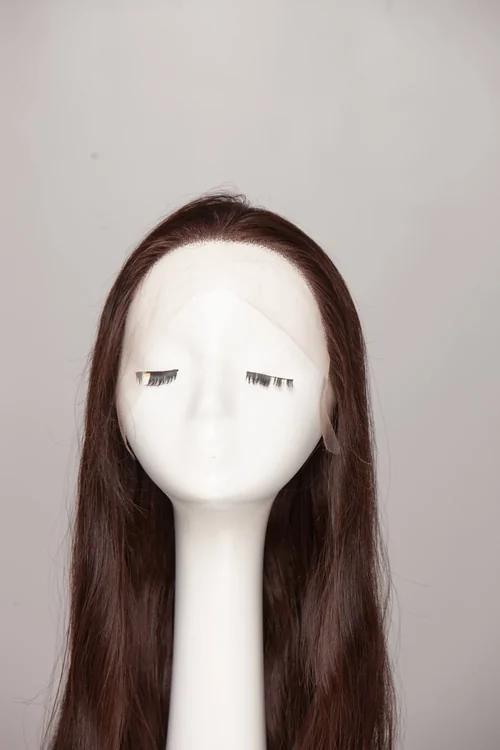 Full Hand Tied Mono Base TopperKorean mono knotted by hand, no wefts anywhereLearn More
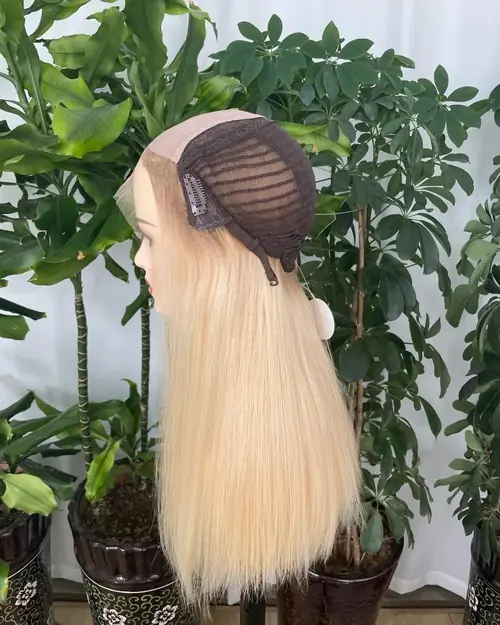 Lace Top SheitelSwiss lace crown and free partingLearn More
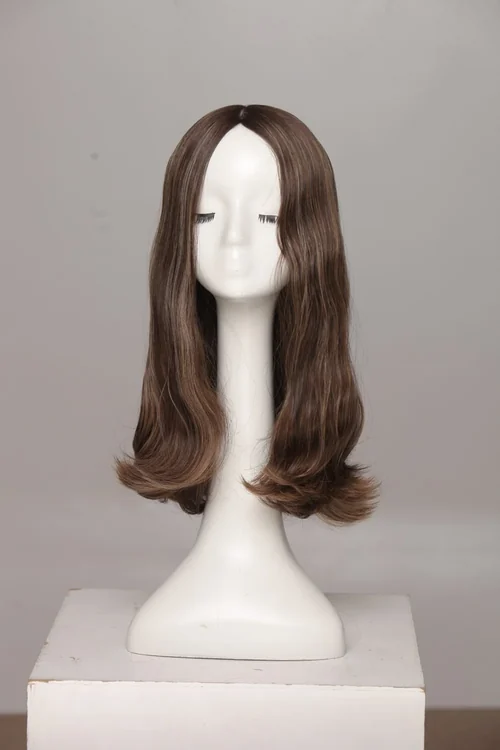 Silk Top SheitelDouble-layer silk that hides the knotsLearn More
Related Reading
 Lace Top vs Silk Top vs MonoKnowledgeLearn More
 Caring for a Human Hair SheitelKnowledgeLearn More
 What Makes a Sheitel Kosher-Compliant in ConstructionKnowledgeLearn More
 A US Private-Label BrandAn anonymised process pattern: a salon brand that wanted its own name on the cap without building a factory, served as OEM on a silk top construction with private packing and a hair sample first.Learn More
 Sheitel Salons and MachersWholesale for sheitel salons and machers on two tracks: a raw cap for the macher who ventilates in house, and a finished sheitel for the salon that wants shelf stock.Learn More
 Private Label and Brand OEMPrivate label and brand OEM: hair sample, colour approval, cap, QC and packing under your own name. We will not invent a factory story that does not exist.Learn More
Frequently Asked Questions
Why is the lead time longer?
Because there is no machine at the sides. Every row, including the sides and back, is knotted by hand.
Can we order a hand-tied crown only?
Yes — that is a lace top or a silk top with wefts at the sides and back, which is how most everyday shelf stock is built.
How do you prove a piece is fully hand tied?
Quality control hunts for a missed machine track anywhere on the cap, and checks stretch and hairline direction on a display head before packing.
Which base can be fully hand tied?
Silk, mono, lace and fine net all appear in the hand-tied range. The base choice follows the custom and the salon brief, not the tying method.
A Question About Cap Construction
Sheitel consulting on WhatsApp or email — a construction answer, not a ruling.