
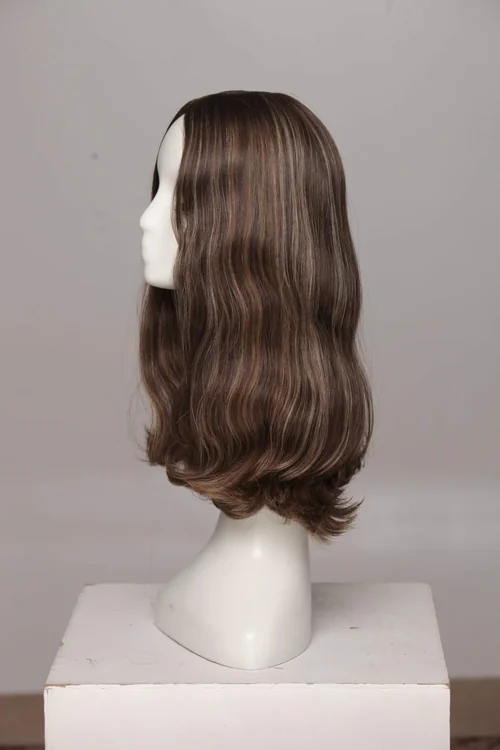
Caring for a Human Hair Sheitel
Human hair behaves like human hair: it wets, it dries, and it breaks if it is pulled while wet. The base needs its own care — lace and silk are sensitive to friction — and the salon that sold the piece gives the exact instructions for it.
It Is Hair, and It Behaves Like Hair
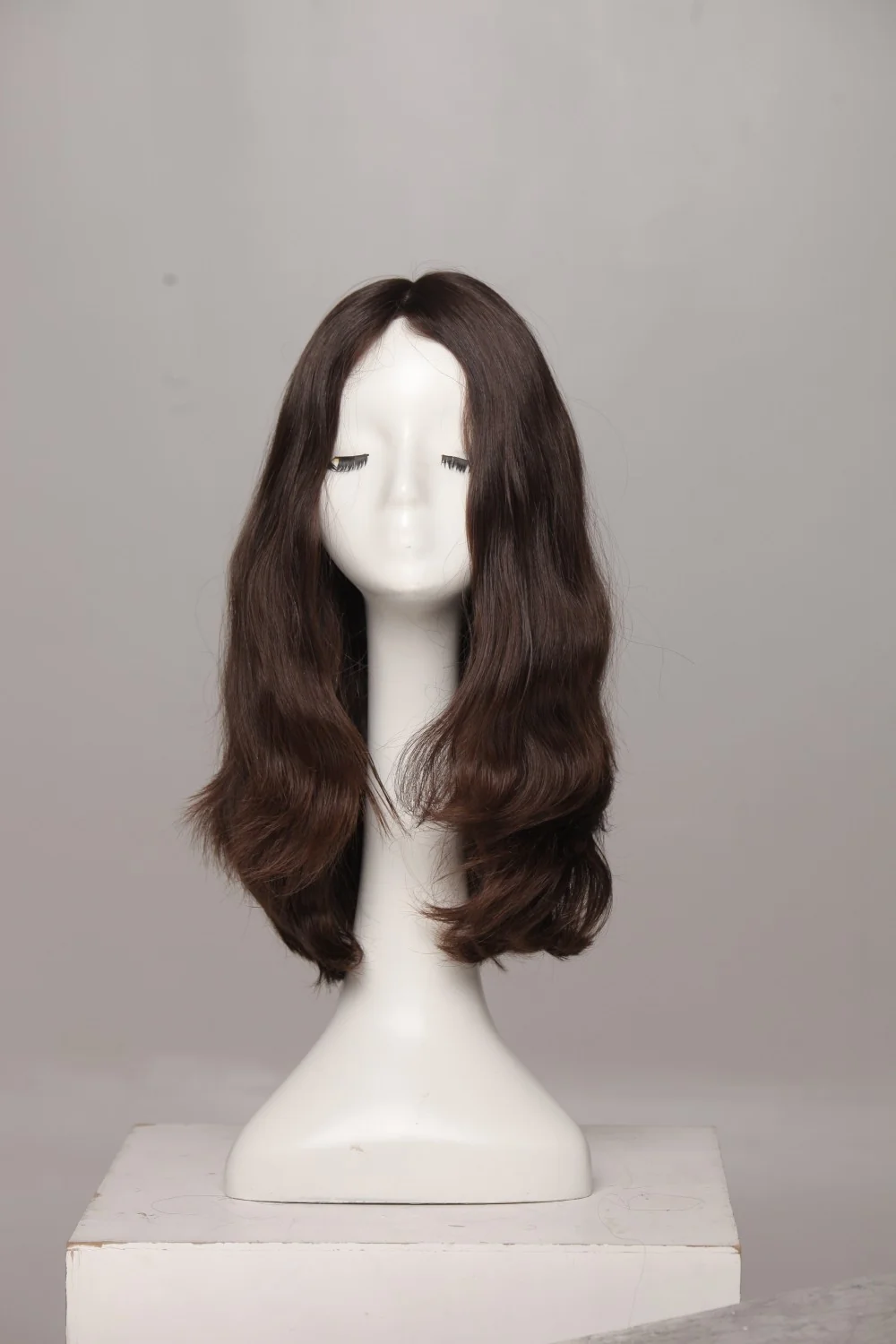
The most useful thing to tell a client is the simplest: this is human hair. It absorbs water, it takes time to dry, and it is at its weakest while wet.
The difference from hair on a head is that it is not being fed. Nothing is replacing what is lost to friction, heat or a hard brush, so every bit of damage is permanent for the life of the piece.
That is the whole logic of sheitel care: slow, gentle, and biased towards doing less. Nothing in this article overrides what the salon told the client about her specific piece.
Washing and Drying
Air dry. A sheitel left to dry on its own keeps its shape better than one forced dry, and the base is spared the heat at the same time.
Not every shampoo suits processed hair, so the shampoo question goes to the salon rather than to the shelf at home. The salon knows what was done to that hair before it was sold.
While the piece is wet, keep tension off the base entirely. Wet lace under pull is where knots give way, and a loosened knot does not come back.
Brushing Without Scraping the Base
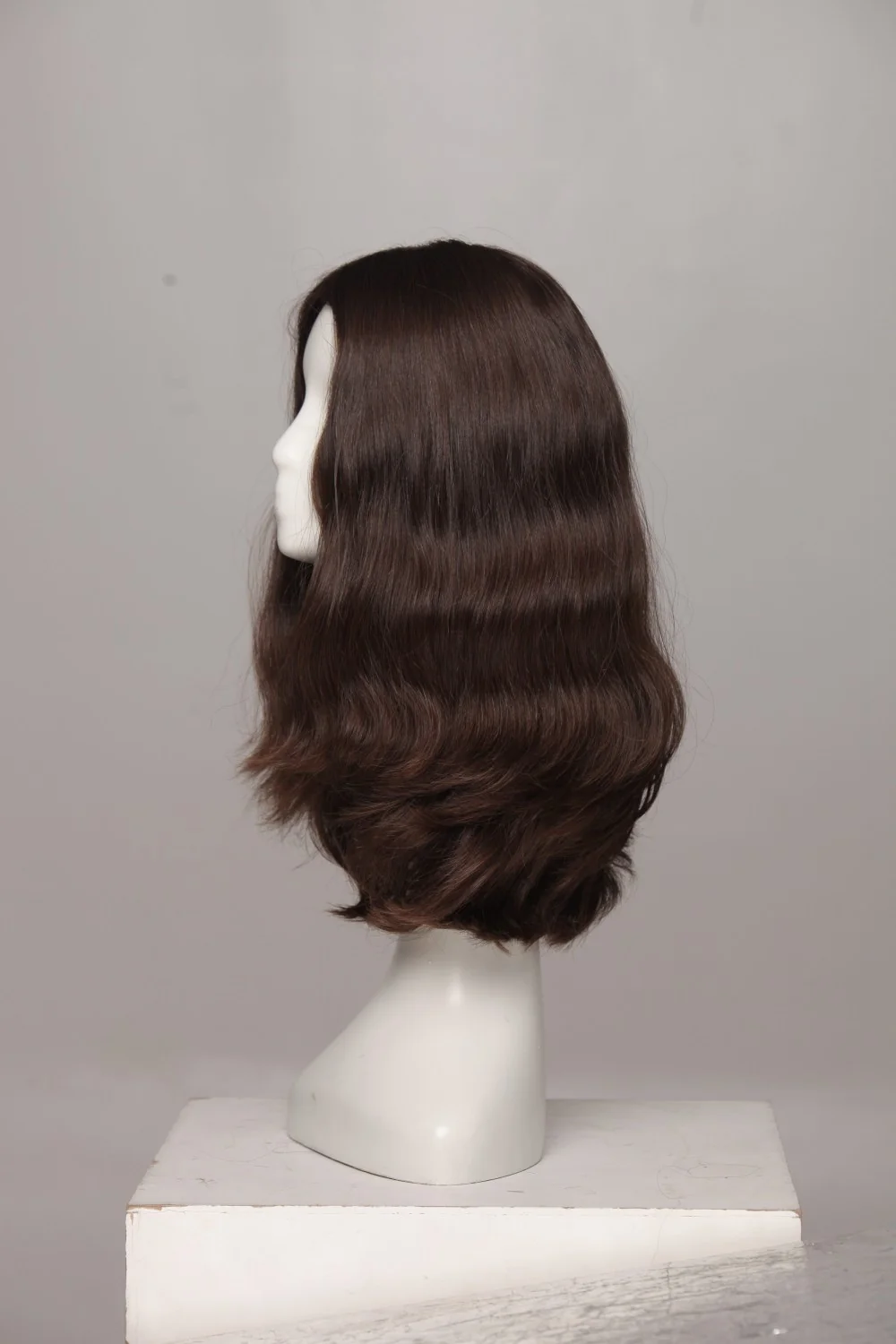
Brush with a wide-tooth comb and start at the ends, working upward in short sections. Starting at the root drags every tangle down into the knots at once.
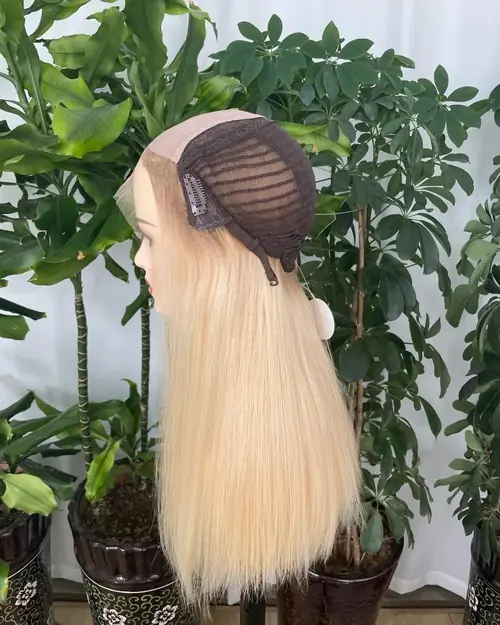
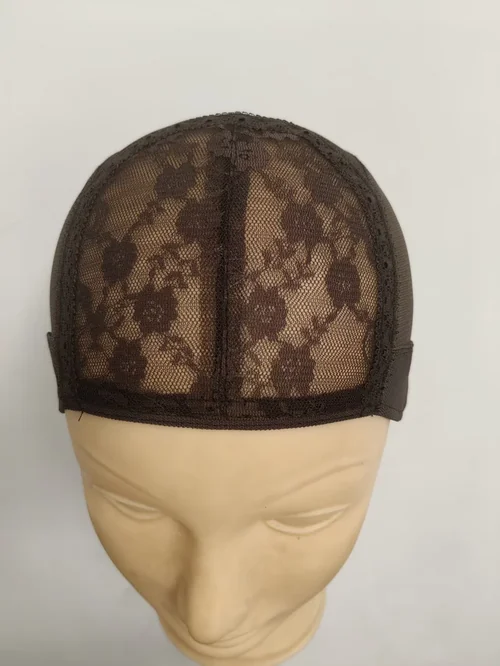
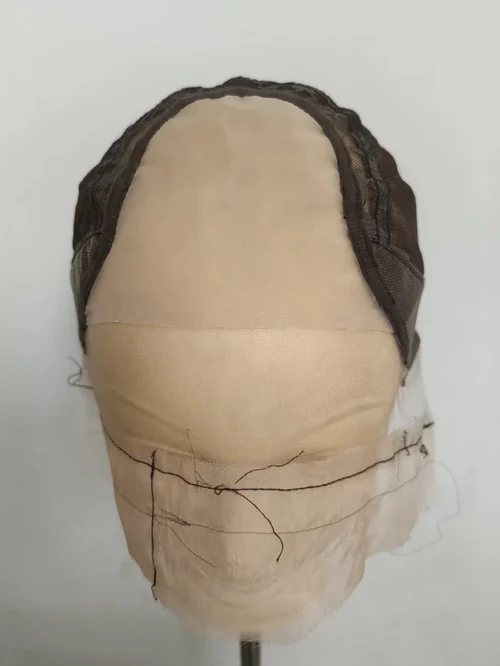
Lace and silk bases are sensitive to friction. Do not scrape the base with a hard brush — the bristles catch the knots themselves, not just the hair, and that is how a part starts to thin.
Open the clips before removing the piece. Pulling a clipped sheitel off the head puts the whole force onto the few points where the clip is sewn in.
Heat and Colour
Heat is the salon's decision, not the factory's. The stylist knows what that hair has already been through and what the base under it can take.
What we will say is narrower: the factory does not recommend high heat on a silk base. Silk is a covered surface with knots underneath it, and heat reaches both.
Colour goes through the salon, always. Home colour reaches the knots as readily as the hair, and a chemically loosened knot is a repair job, not a wash.
Storage Between Wears
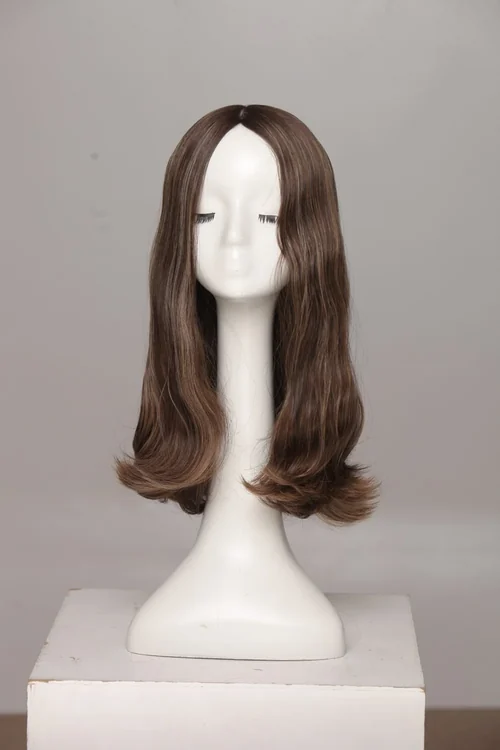
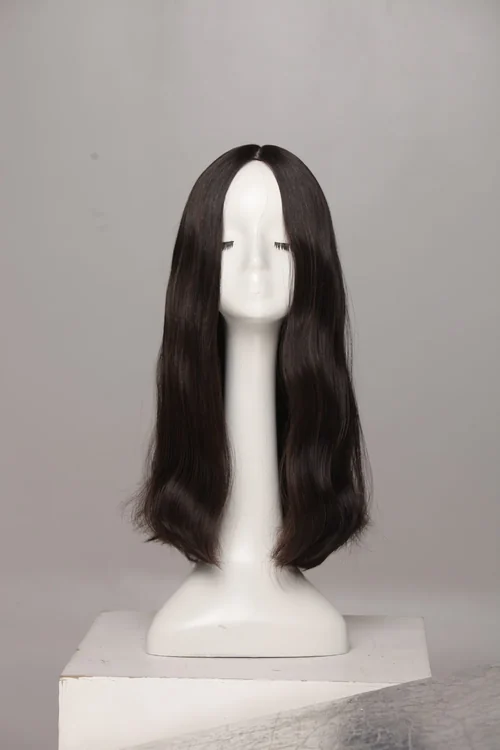
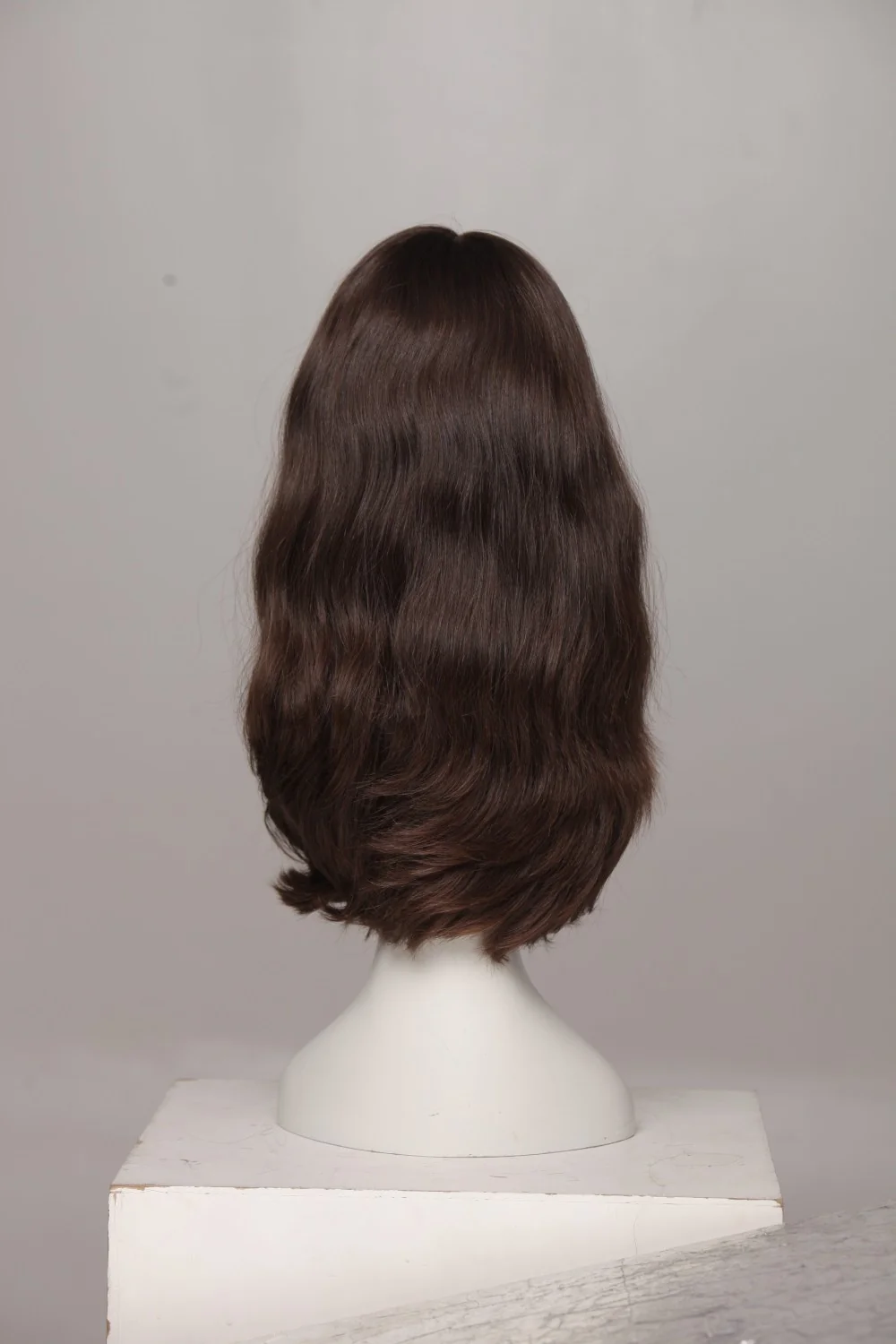
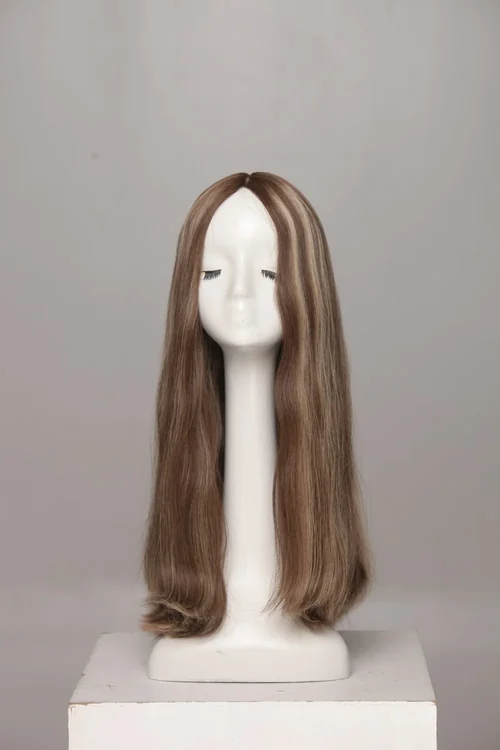
Store on a display head, or at least in an airy place. The head holds the cap in the shape it was built in, which saves the stylist work at the next wear.
Not in a damp bag. Damp and enclosed is the combination that does the quiet damage — to the hair, and to a base that was never meant to sit wet.
Clients who rotate two pieces tend to have both last longer, simply because each one gets to dry and rest. That is a stocking argument for a salon as much as a care note.
What the Salon Decides
This page is general. The exact instructions belong to the salon that sold the piece, because they depend on the base, the hair and what has already been done to it.
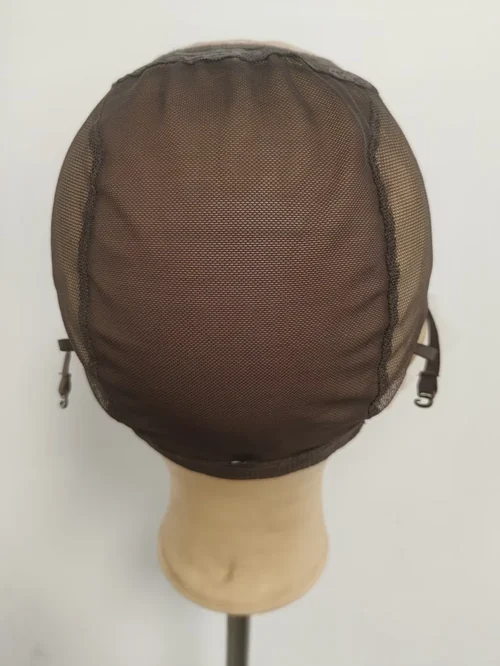
A Silk Top Sheitel and a Mono Sheitel do not want the same handling: a covered silk surface and a durable mesh respond differently to friction, to heat and to a wet brush.
For salons, it is worth handing the client a short written note with the piece. Most care damage arrives from a reasonable guess made at home, not from neglect.
This page describes construction. It is not a rabbinic ruling.
Products in This Article
Related Reading
 Lace Top vs Silk Top vs MonoKnowledgeLearn More
 How a Fully Hand-Tied Sheitel Is MadeKnowledgeLearn More
 Buying Guide for Salon Owners in Israel and the United StatesKnowledgeLearn More
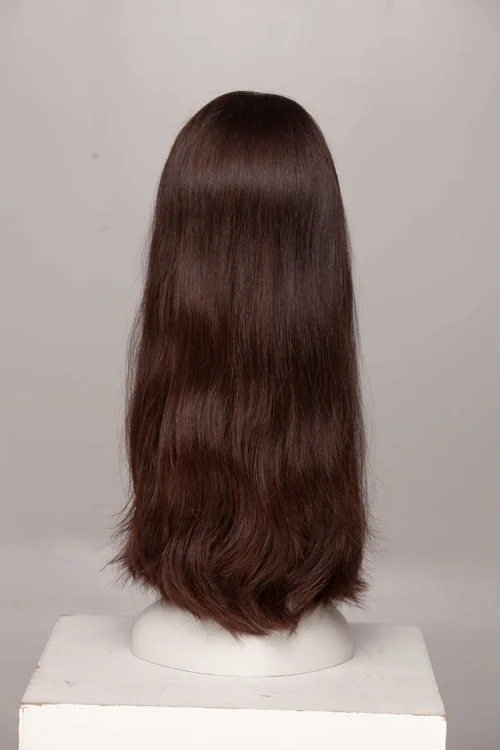 A Brooklyn Sheitel SalonAn anonymised process pattern: everyday shelf stock with free parting and local tones, built as a lace top sheitel with side wefts, with a hair sample checked before the colour run.Learn More
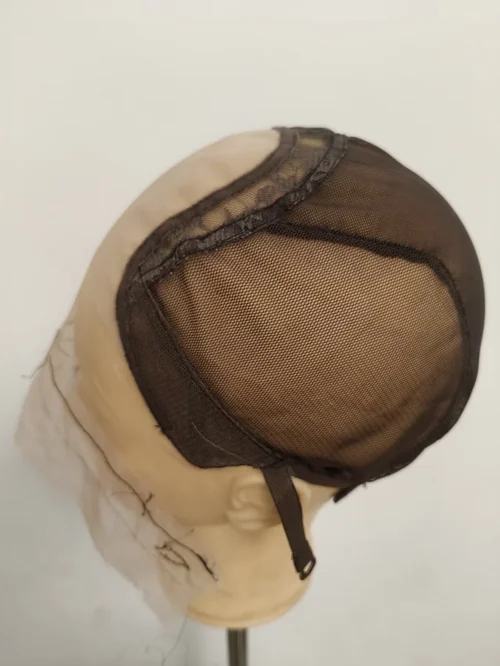 Sheitel Salons and MachersWholesale for sheitel salons and machers on two tracks: a raw cap for the macher who ventilates in house, and a finished sheitel for the salon that wants shelf stock.Learn More
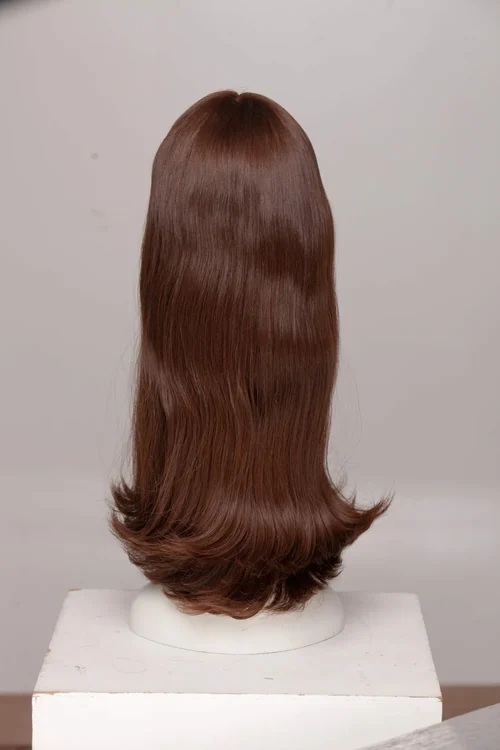 United States Orthodox CommunitiesSheitels and caps exported to Orthodox salons in the United States. Brooklyn, Lakewood and Baltimore are named here as markets we serve, not as invented client stories.Learn More
Frequently Asked Questions
Can she use ordinary shampoo?
Ask the salon. Not every shampoo suits processed hair, and the salon knows what was done to that piece.
Can the client dye it at home?
No — only through the salon. Home colour reaches the knots as well as the hair and can damage them.
Is a blow dryer allowed?
Air drying is what we recommend. Heat is the salon's decision, and the factory does not recommend high heat on a silk base.
How should a piece be stored?
On a display head or in an airy place — not in a damp bag. The head also keeps the cap in the shape it was built in.
A Question About Cap Construction
Sheitel consulting on WhatsApp or email — a construction answer, not a ruling.