

Sheitel Salons and Machers
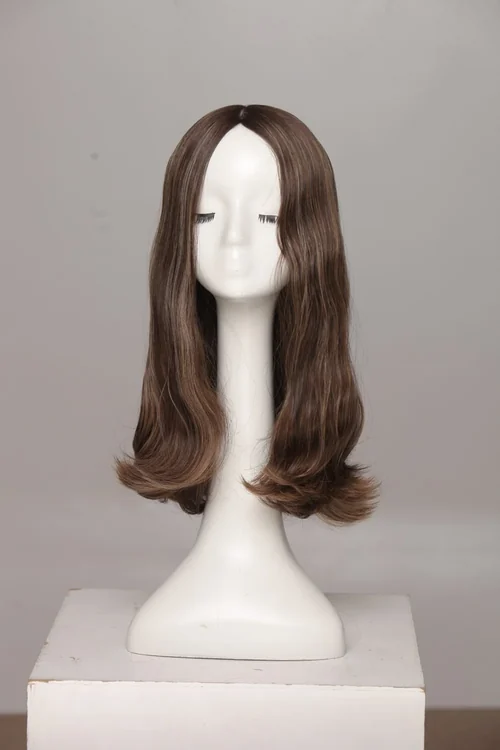
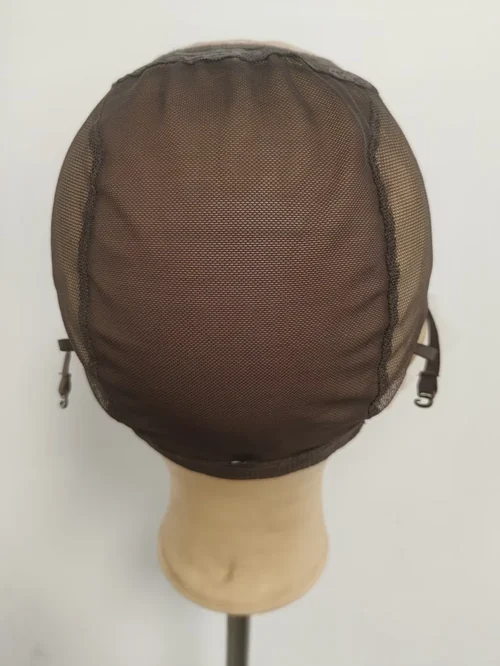
Wholesale for sheitel salons and machers on two tracks: a raw cap for the macher who ventilates in house, and a finished sheitel for the salon that wants shelf stock.
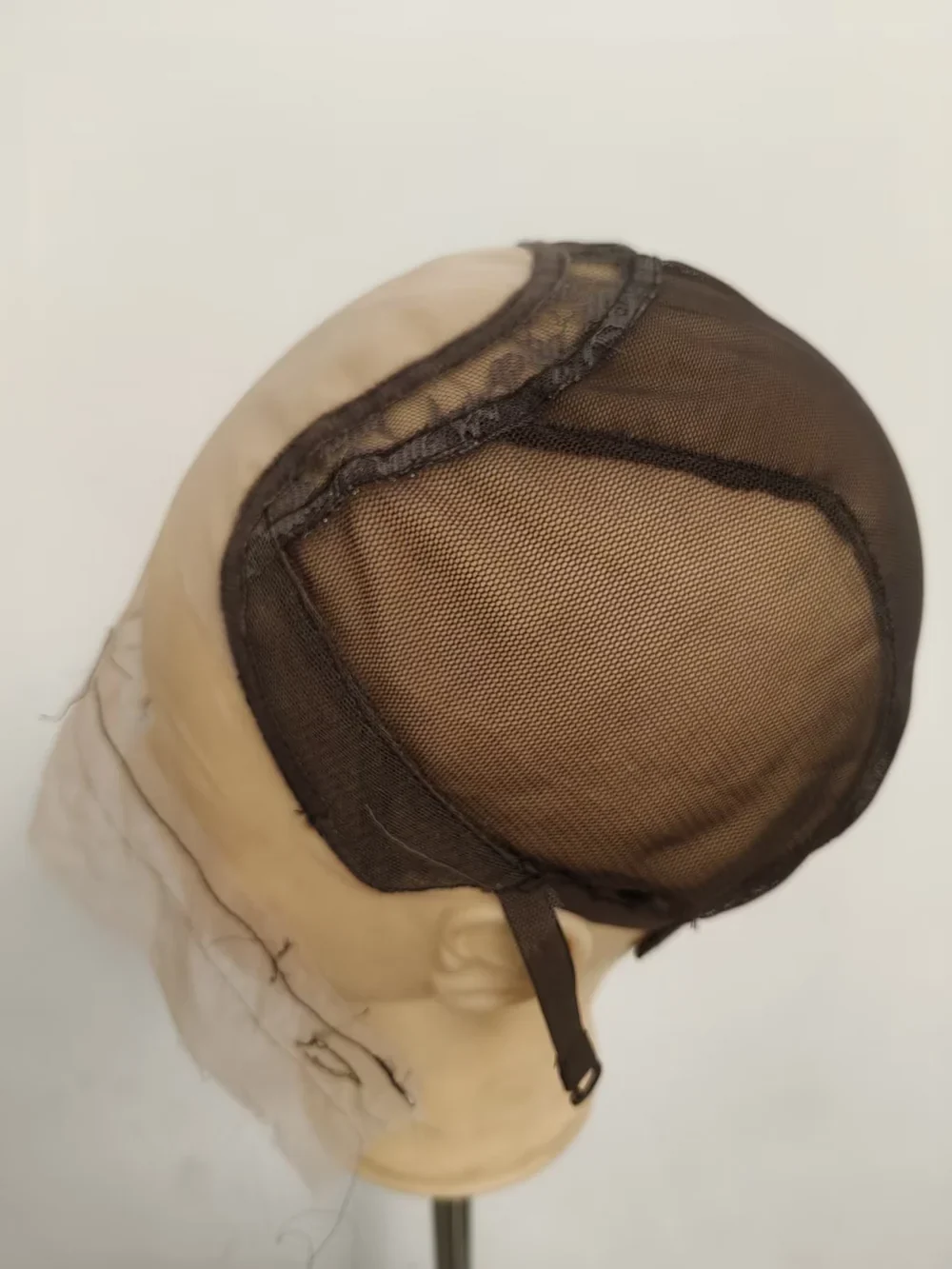
A macher and a salon owner buy the same craft at different points. One wants the base and will do the knotting himself; the other wants the piece finished and ready to sell.
Both tracks run off one pattern library, so a base bought bare this month and a finished piece bought next month sit on the head the same way.
What This Market Runs Into
Bases That Differ Between Batches
A macher who has learned one base loses time relearning another. The pattern is kept stable so his hand speed carries over.
Capital Tied Up in the Wrong Half
Buying only finished pieces when the labour exists in house wastes money; buying only bases when there is no one to knot them empties the shelf.
A Shelf With No Range
Customers walk in with different customs on the same afternoon. A shelf built on one front treatment turns half of them away.
A Number Quoted Before It Is Agreed
Quantity and terms belong in the conversation with the buyer. We do not print a figure here that has not been agreed with anyone.
What Buyers Here Ask For
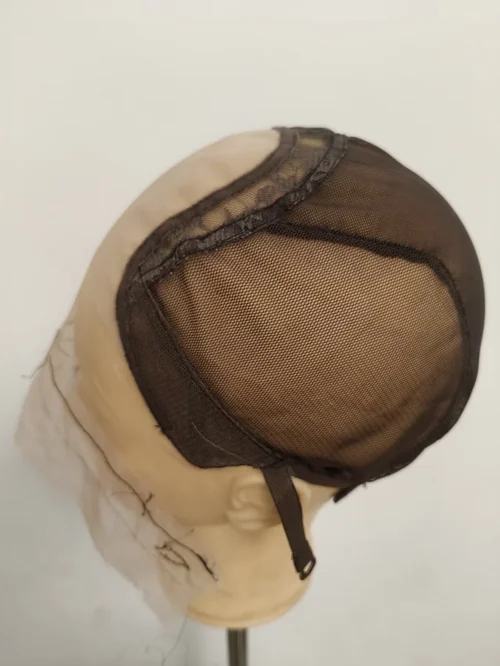
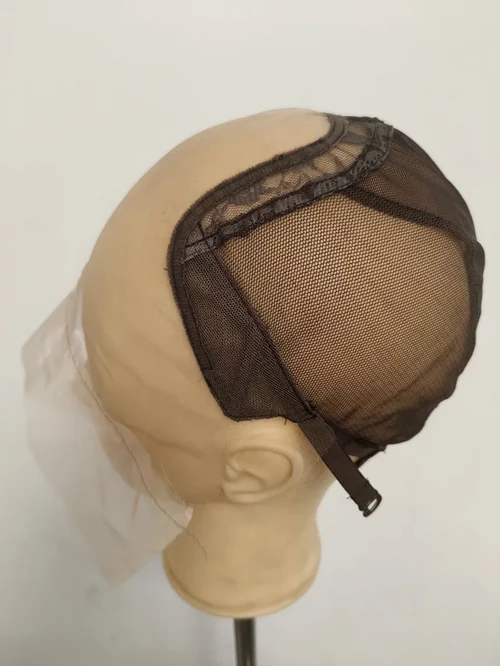
- Bare caps in a stable pattern so in-house ventilating does not start from scratch each time.
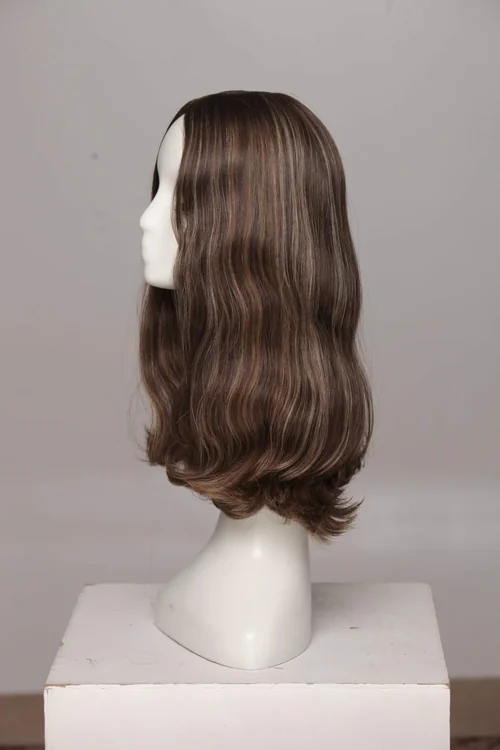
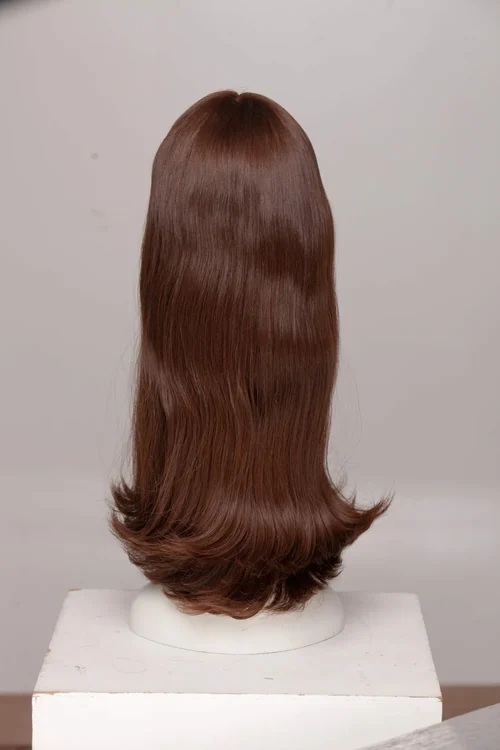
- Finished sheitels in ready shades for the customer who needs to leave with something today.
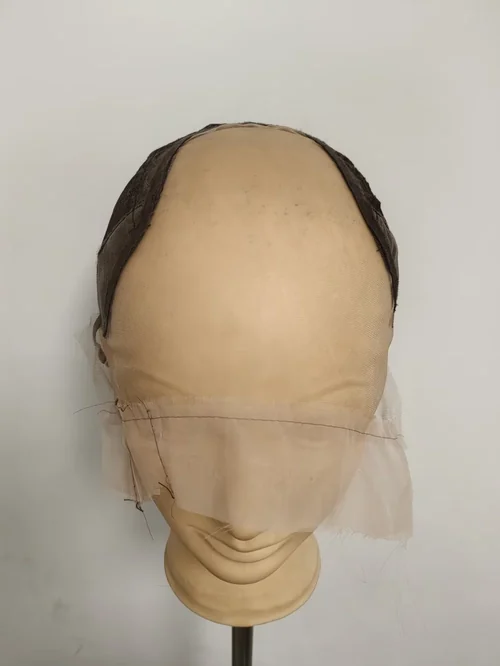
- A front range wide enough to answer a lined front, a ribbon band and a lace edge from the same shelf.
- Terms settled in conversation, with no public figure standing in for an agreement.
How We Deliver Into This Market
- Bare caps and finished pieces from one order are packed in the same consignment.
- Bases are packed on a shape so they reach the workbench ready to be mounted for knotting.
- The wholesale page carries the rest of the programme; this page stops at the two tracks.
Application Scenarios
The Macher Who Ventilates in House
Caps arrive bare. The knotting, the hairline and the finish stay in his hands, and the factory work ends at the sewn base.
The Salon Holding Shelf Stock
Finished pieces are ordered in the shades that move, so a customer can be served on the day she walks in rather than after a production wait.
A Workshop That Does Both
Some buyers take bare bases for their own hair stock and finished pieces for walk-in sales on the same order.
How an Order Runs
Decide the Track
Before anything is quoted, the buyer says which half of the work stays with him.
Fix the Pattern
The base is chosen once and kept, so that bare and finished orders share a shape.
Split the Order
Bare caps and finished pieces are produced against the same specification and travel together.
Settle Quantity in Conversation
Volume and terms are agreed directly with the buyer rather than published in advance.
Gallery
Related Products
 Lace Top CapHand-tied parting crown, wefted sidesLearn More
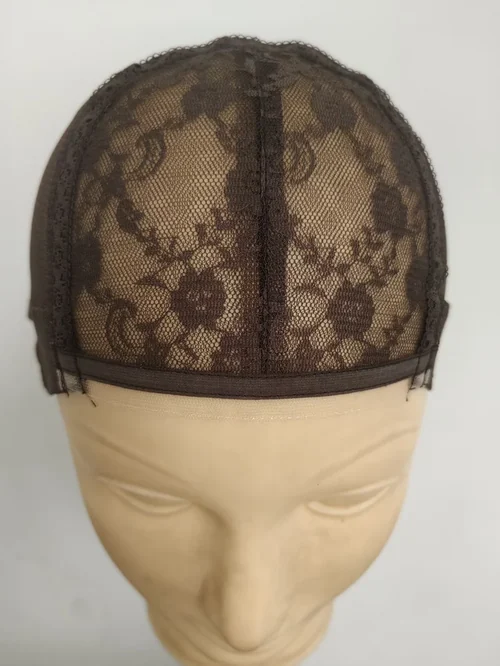 Front Lace Wig Cap for Kosher SheitelSwiss lace across the hairline, baby hair tied by handLearn More
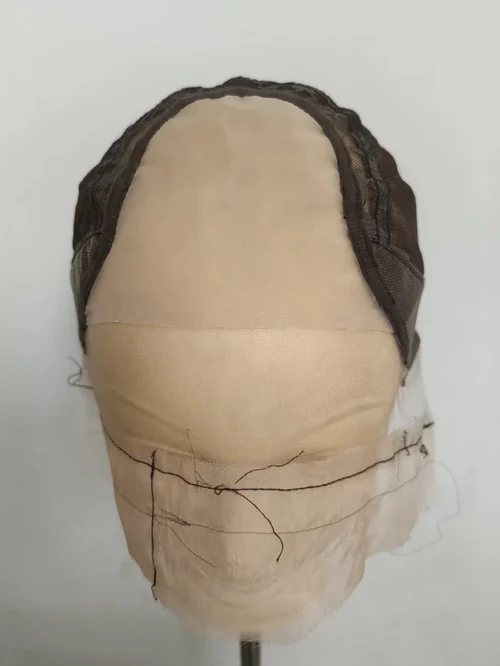 Lined LaceTop Clip-in TopperSolid lining under the lace, clips at the perimeterLearn More
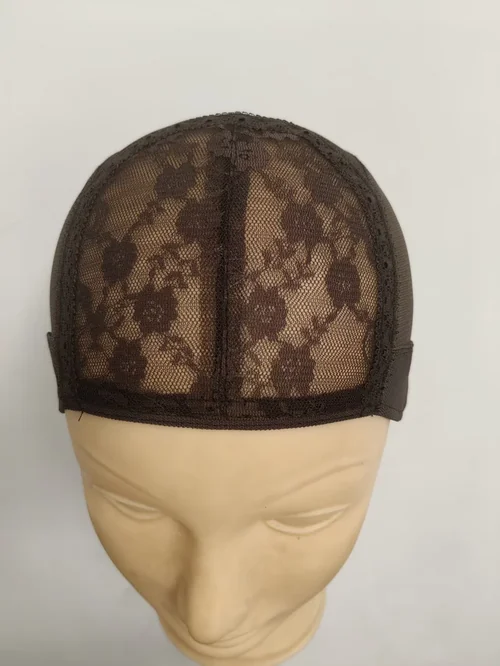 Front Fabric-Ribbon Band Wig CapNo lace at the forehead, floral stretch lace sidesLearn More
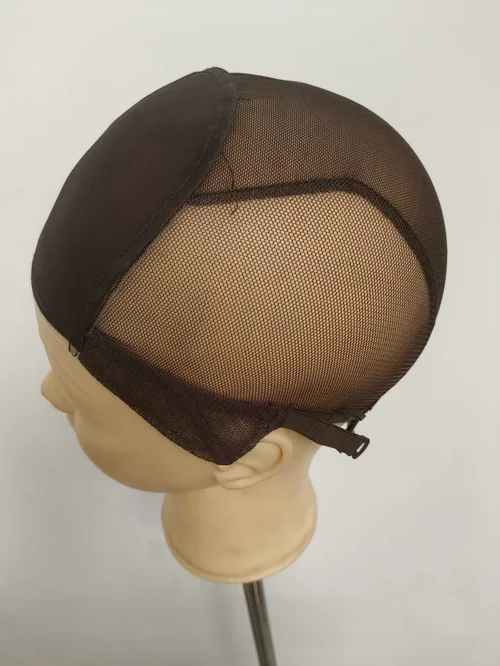 Silk Top plus Front Lace CapConcealed knots at the crown, sheer lace at the hairlineLearn More
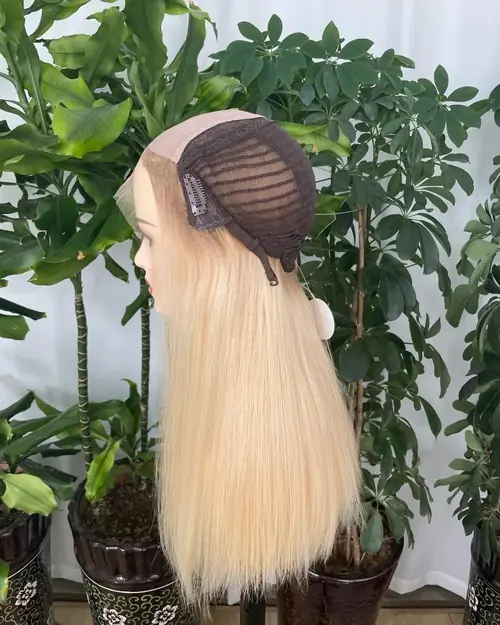 Lace Top SheitelSwiss lace crown and free partingLearn More
Related Reading
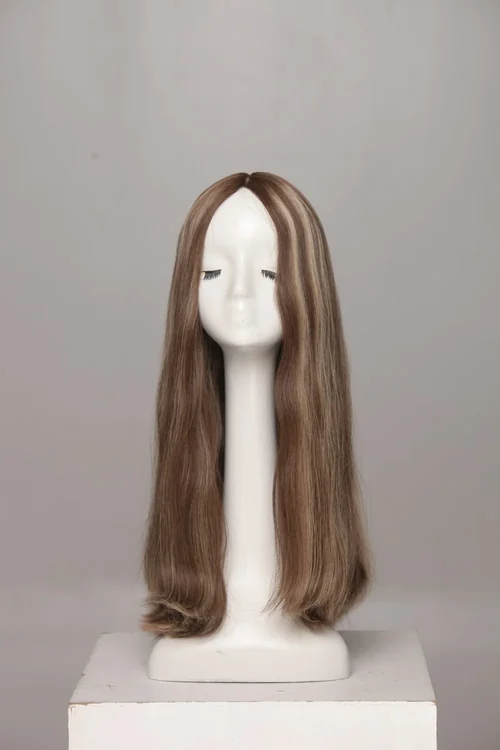 Buying Guide for Salon Owners in Israel and the United StatesKnowledgeLearn More
 How a Fully Hand-Tied Sheitel Is MadeKnowledgeLearn More
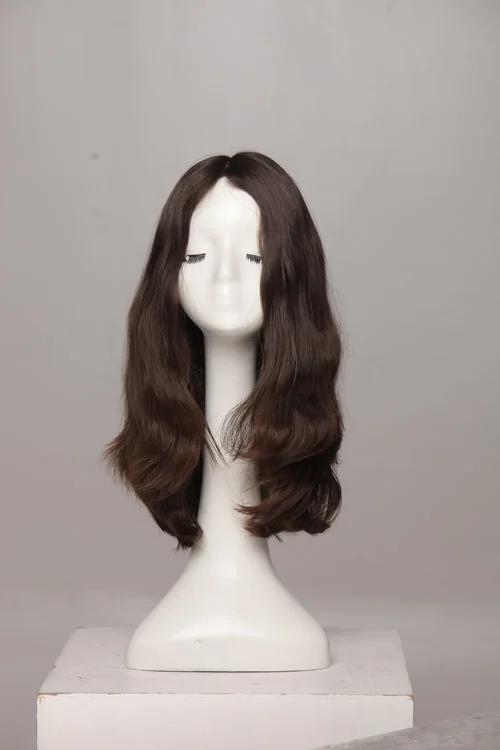 Caring for a Human Hair SheitelKnowledgeLearn More
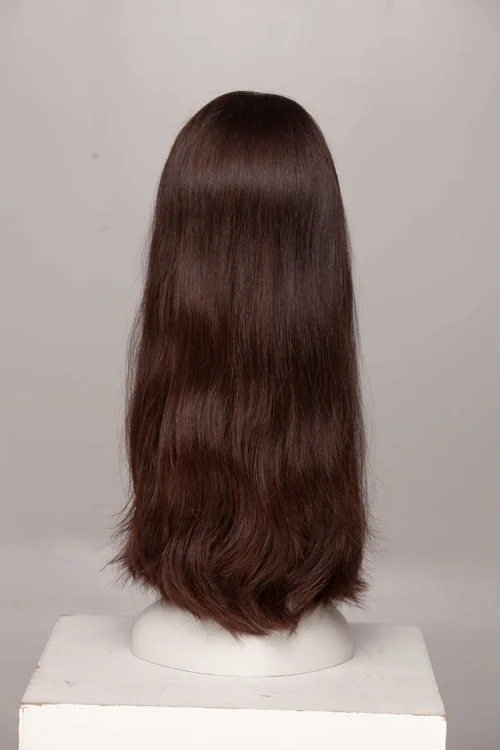 A Brooklyn Sheitel SalonAn anonymised process pattern: everyday shelf stock with free parting and local tones, built as a lace top sheitel with side wefts, with a hair sample checked before the colour run.Learn MoreAn Israeli WholesalerAn anonymised process pattern: front fabric-ribbon band caps for communities that keep lace off the forehead, some raw for machers and some with hair, on a repeating wholesale construction.Learn More
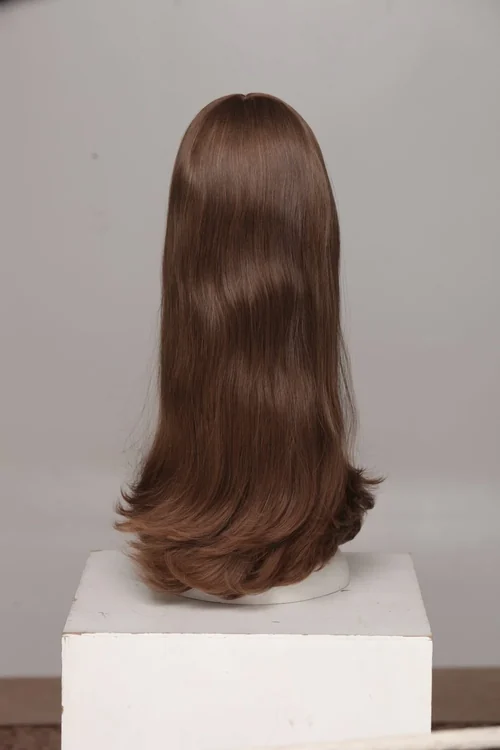 Wholesale Program for SalonsA wholesale channel for salons: repeat stock, repeat colours, hair documentation, a private-label option and raw caps for a macher. Terms are settled in conversation, not published as a price list.Learn More
Frequently Asked Questions
Can we buy a cap with no hair?
Yes. That is the raw track, meant for a macher who does the ventilating himself.
What is the minimum order?
It is closed in consulting. No amount is printed on the site before it has been agreed with the buyer.
Can one order mix bare and finished?
Yes. They are built on the same pattern, so mixing them changes nothing in production.
Will the base be the same next time?
That is the point of fixing a pattern. Once a base is chosen, repeat orders are built to it.
Supply the Sheitel Salons and Machers Market
Sheitel consulting on WhatsApp, or email for a custom run. No form, no price list on the site.