





An Israeli Wholesaler
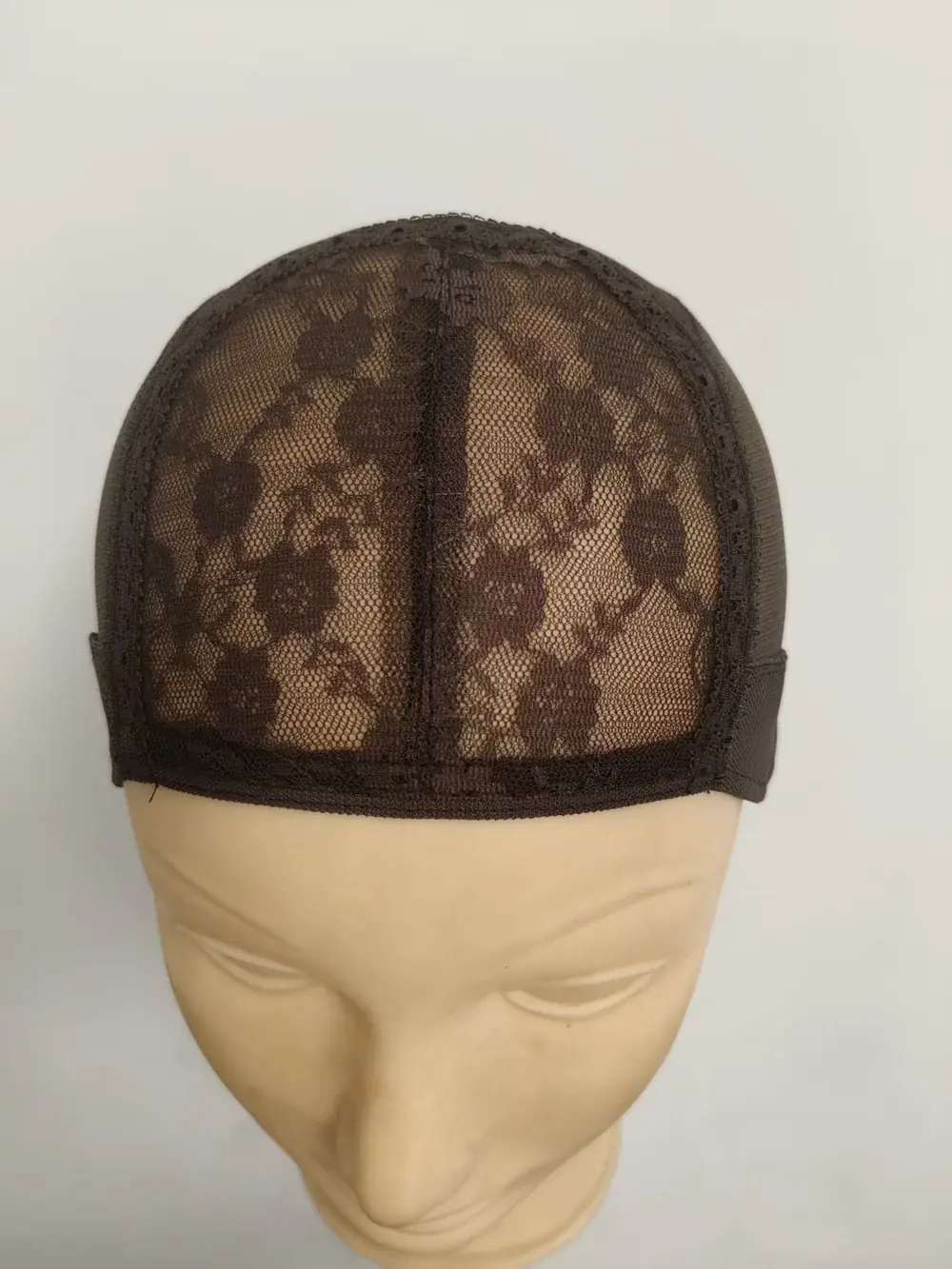
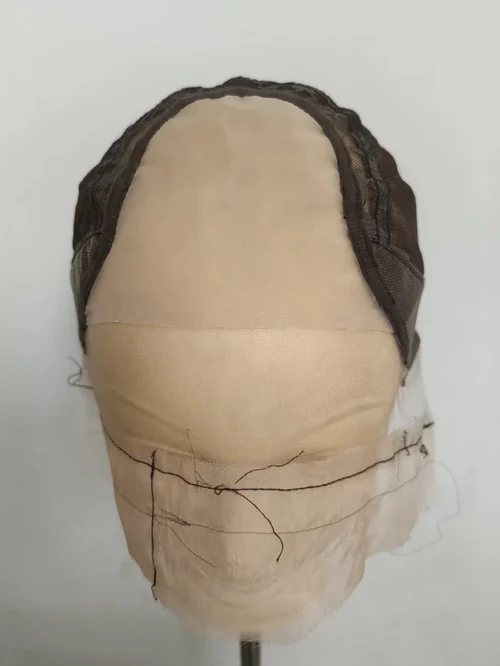
An anonymised process pattern: front fabric-ribbon band caps for communities that keep lace off the forehead, some raw for machers and some with hair, on a repeating wholesale construction.
Client Background
A wholesaler in Israel supplying salons and machers whose communities keep lace off the forehead. As with every case on this site, it is an anonymised pattern: no company name, because we have not published a client file.
The Challenge
Communities that keep lace off the forehead, together with a standing need for raw caps that machers finish themselves.
Pain Points
- A front lace hairline, however well made, is simply not an option where the custom keeps lace off the forehead.
- Machers need the cap itself, not a finished piece, and a supplier who only sells finished sheitels leaves that demand unserved.
- A wholesale line only works if the same pattern comes back the same way order after order.
Our Solution
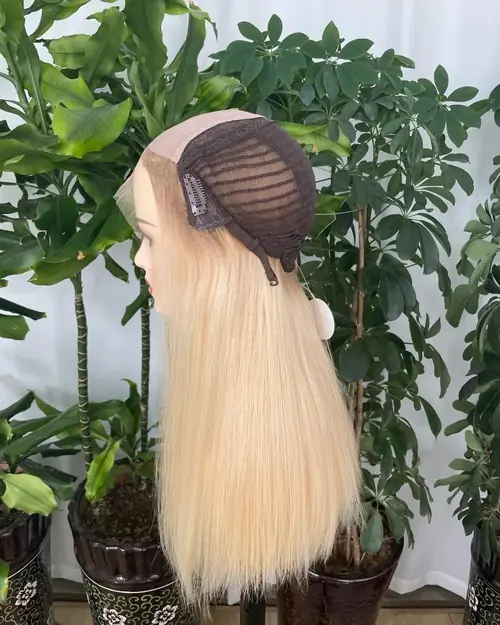
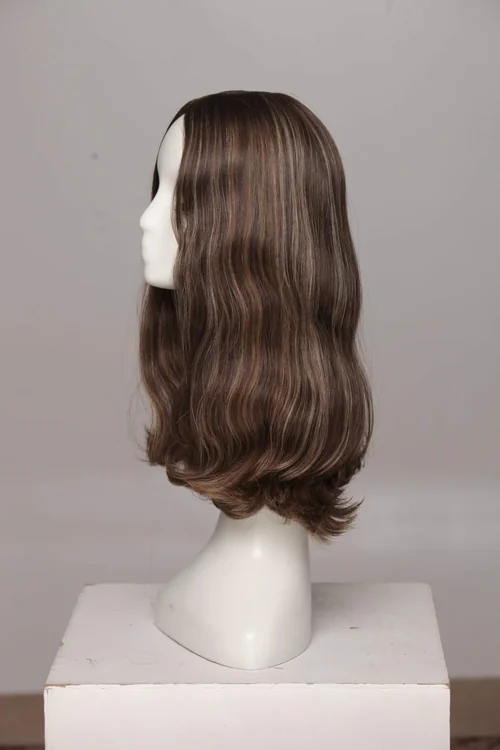
Front fabric-ribbon band caps, supplied in two states: raw for the machers who ventilate and finish their own pieces, and with hair for salons that want them ready. The same pattern repeats across wholesale orders so the construction stays recognisable.
Manufacturing Process
Pattern Fixed First
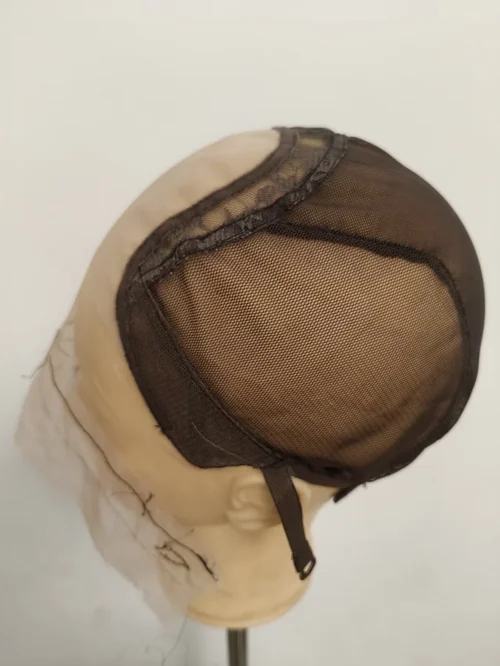
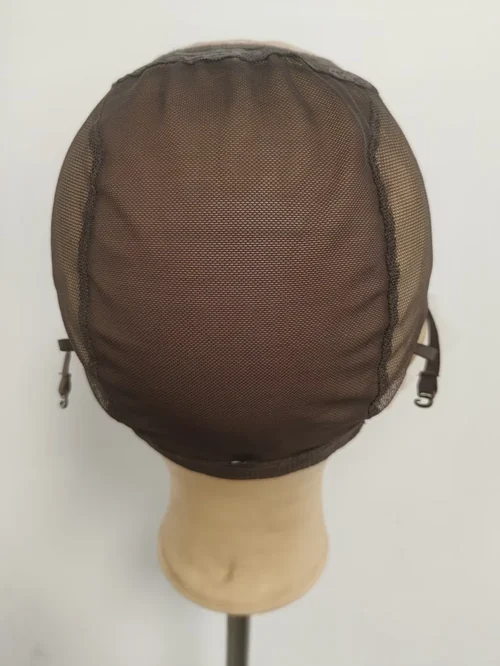
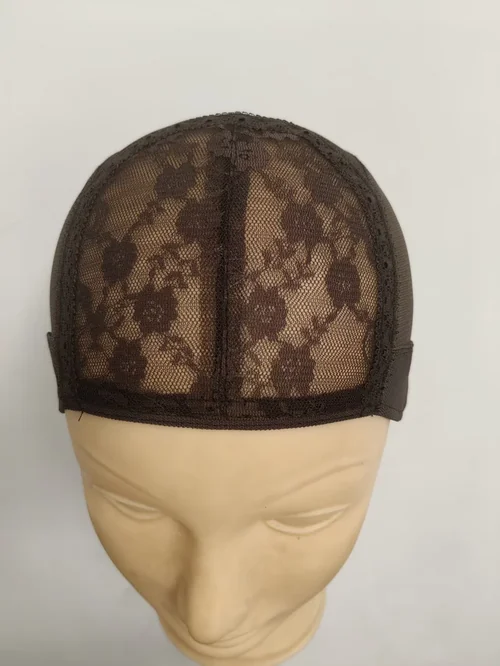
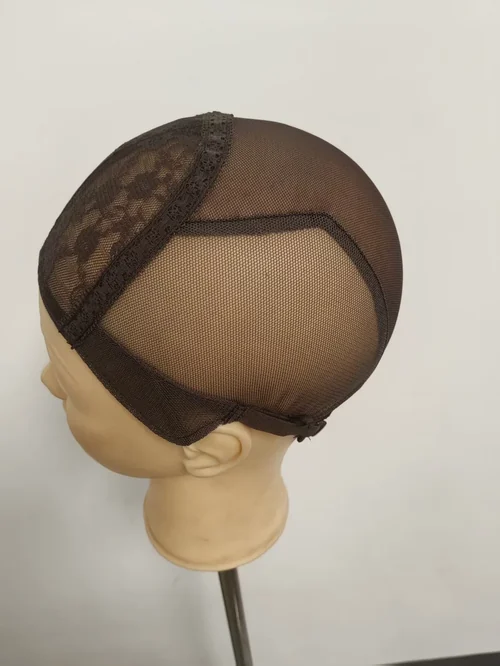
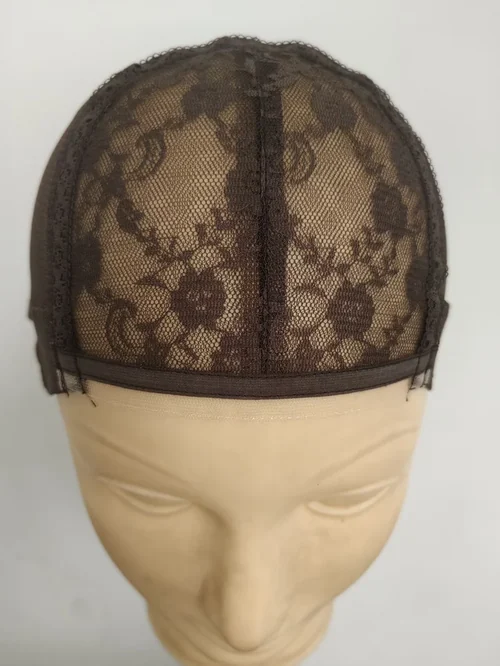
The cap pattern was agreed before anything else: fabric ribbon band across the front, mesh panels through the body, adjustable at the nape.
Cap Cut and Seamed
Panels were cut and seamed to that pattern, with the ribbon band set at the front edge so there is nothing sheer at the hairline.
Split Into Raw and Haired
Part of the run was packed as raw caps for the machers; the rest went on to ventilating and wefting for salons that ordered them with hair.
Repeat Build
Later orders were built to the same fixed pattern, so a macher receiving a cap gets the construction he already knows how to finish.
Pre-Pack Check
Band seating, seam lines, mesh cleanliness and strap tension were checked on a mannequin head before packing.
Supply Chain Coordination
Caps shipped to Israel on the wholesaler's order, in raw and haired lots within the same run. Where hair was ventilated in, it was documented human hair, virgin or Remy. Customs and papers were coordinated in conversation, without promising what had not been closed.
Quality Control
The check that matters most on this pattern is the front edge: the ribbon band has to sit flat and true, because the macher builds his whole finish against it. Seams, mesh and nape adjustment were checked on a mannequin head alongside it.
The Result
A construction the macher already knows, arriving the same way each time, in both raw and haired form. No company name, no volumes and no dates are published for this pattern.
Customer Benefit
The wholesaler can serve both halves of his market from one construction — salons that want finished pieces and machers who want the cap — without carrying a second pattern for each. Communities that keep lace off the forehead are served directly, as a construction choice and not as a ruling.
Related Products
Front Fabric-Ribbon Band Wig CapNo lace at the forehead, floral stretch lace sidesLearn More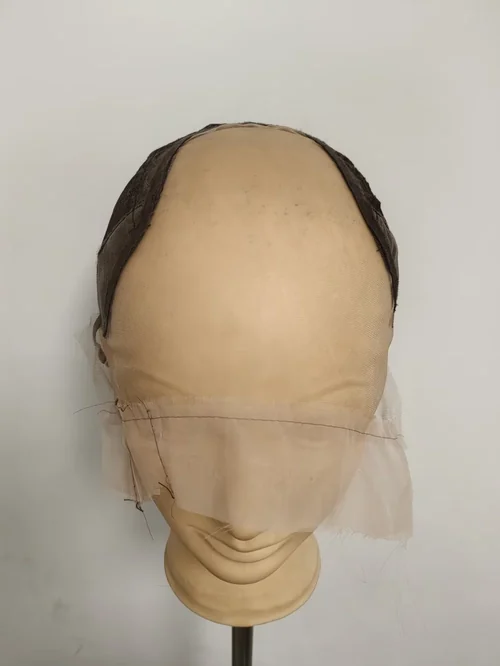 Lace Top CapHand-tied parting crown, wefted sidesLearn More
 Lined LaceTop Clip-in TopperSolid lining under the lace, clips at the perimeterLearn More
 Front Lace Wig Cap for Kosher SheitelSwiss lace across the hairline, baby hair tied by handLearn More
Frequently Asked Questions
Are these real, named clients?
These are typical process patterns. There are no names because we have not published a client file.
Can caps be ordered raw?
Yes. The same pattern is supplied raw for machers who ventilate and finish their own pieces, or with hair for salons that want them ready.
Does a ribbon band make a cap kosher?
It is a construction, not a hechsher. The band means no lace on the forehead; whether that meets a community's requirement is a question for its rav.
Tell Us About Your Salon
Sheitel consulting, with no promise of appearing as a case on this site.