





A Brooklyn Sheitel Salon
An anonymised process pattern: everyday shelf stock with free parting and local tones, built as a lace top sheitel with side wefts, with a hair sample checked before the colour run.
Client Background
A sheitel salon in Brooklyn, serving Orthodox clients who buy for daily wear rather than for occasions. This is an anonymised process pattern, not a named client — we have not published a client file and there is no company name here.
The Challenge
The salon needed everyday stock with free parting, in tones that fit the local community, without waiting for a full hand tie on every unit.
Pain Points
- A shelf built entirely on fully hand-tied pieces cannot be restocked at the pace a daily-wear salon actually sells at.
- A cap without free parting sends the stylist back to the factory every time a client wants the part moved.
- Colour that matched on a swatch read differently in the salon's own light, which is an expensive discovery to make after a run is finished.
Our Solution
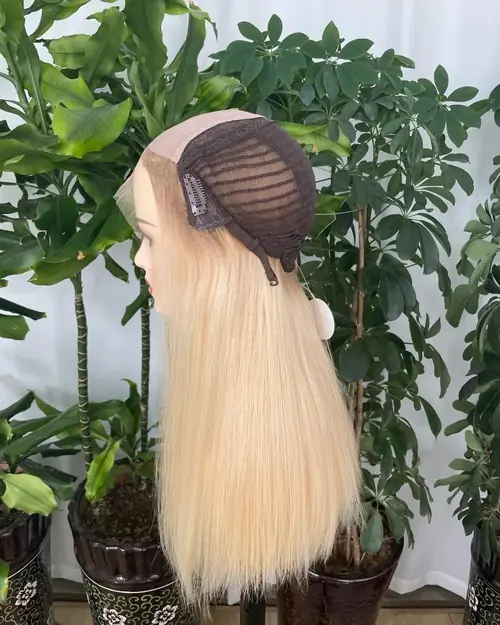
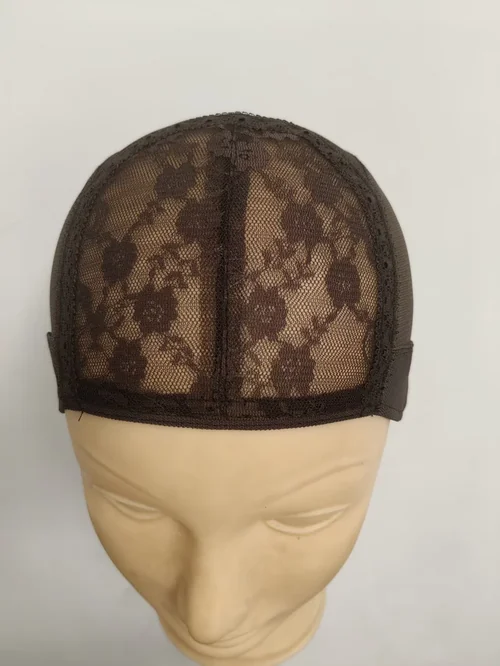
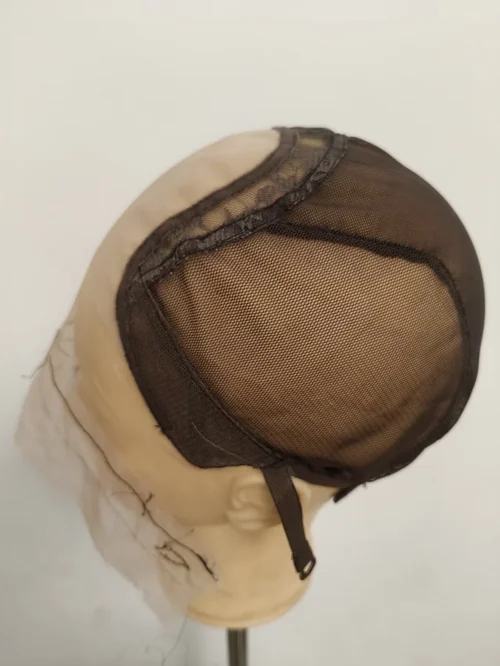
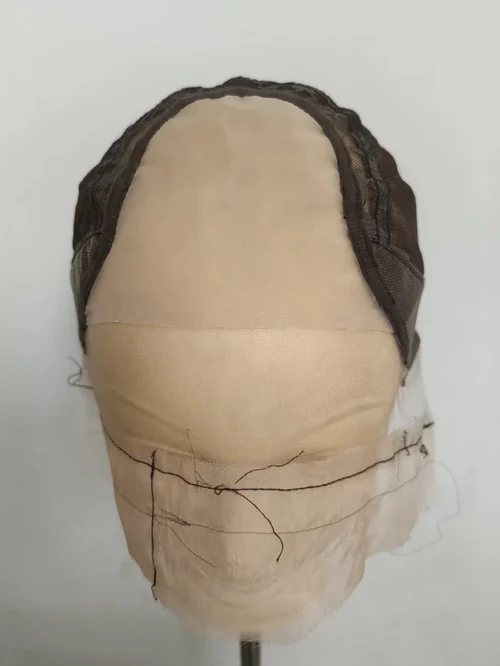
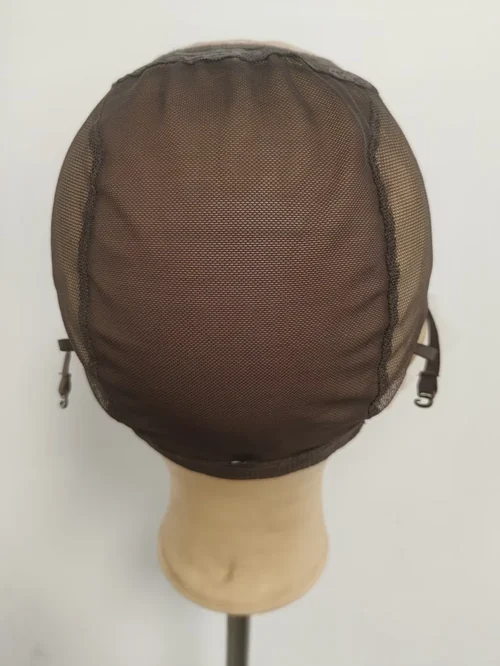
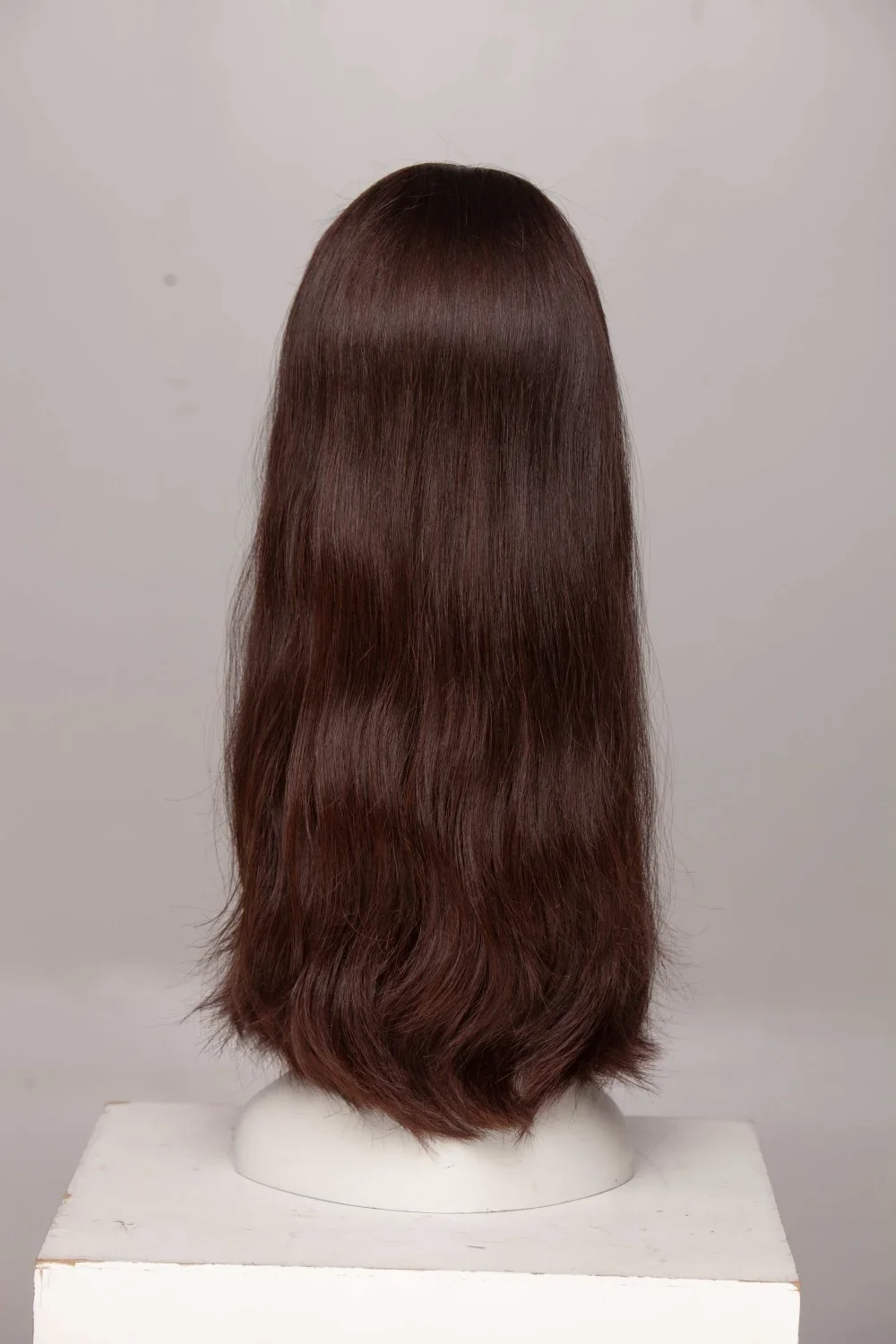
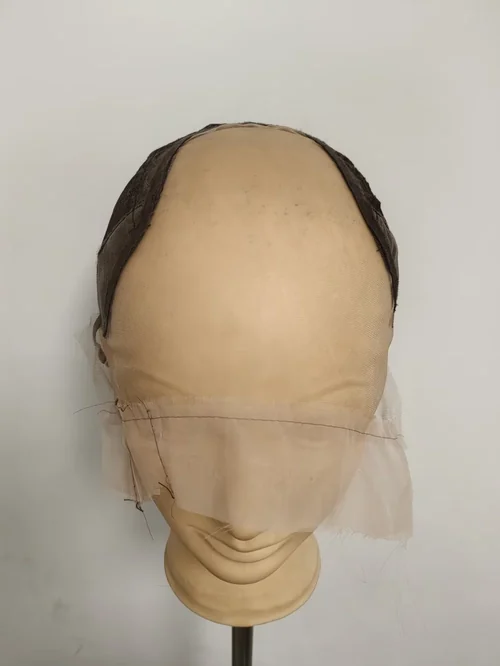
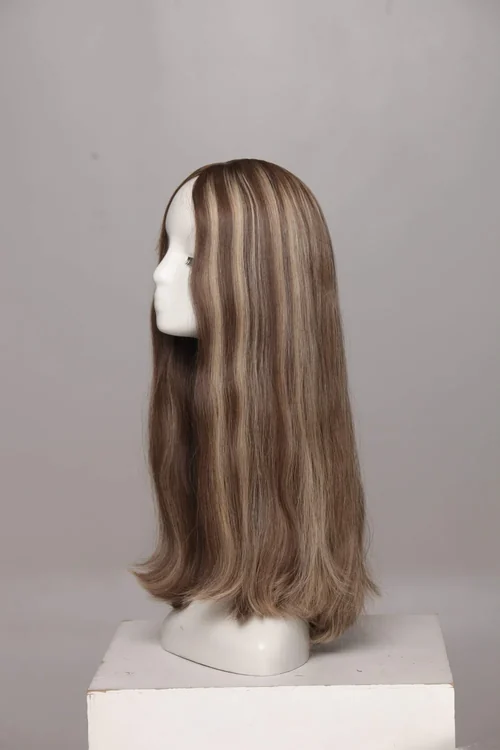
A lace top sheitel with side wefts: the crown hand knotted through the part for free parting, machine wefts at the sides and back for stable, repeatable production. A hair sample was sent and approved in the salon's own light before the colour run was started.
Manufacturing Process
Construction Brief
The cap was settled first: lace at the crown, wefts at the sides and back, and the front finish chosen against the custom the salon's clients keep.
Hair Sample
A sample went out before any volume was cut, and was looked at on the salon floor rather than under a factory lamp.
Crown Ventilating
Hair was hand knotted into the lace crown in growth direction, including through the parting area, so the part could later be moved on the client.
Wefting and First Shape
Wefts were attached at the sides and back on the mesh, then a basic length was cut to the order with the final shaping left to the salon.
Display-Head Check
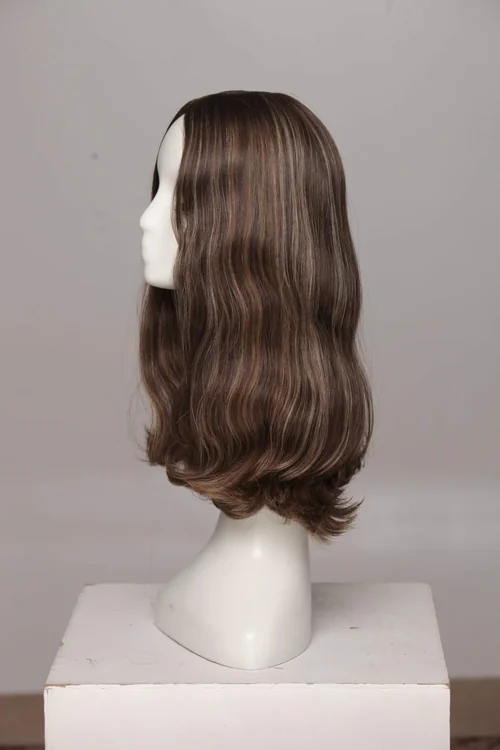
Each unit went onto a display head for a look at the part, hair direction, strap and clip tension and lace cleanliness before packing.
Supply Chain Coordination
Documented human hair, virgin or Remy, selected against the approved sample. Finished units shipped to the United States on the buyer's order, with customs and papers coordinated in conversation rather than promised in advance.
Quality Control
Checked on a display head unit by unit: the part, hair direction at the hairline, clip and strap tension, and lace cleanliness. Colour was read against the approved sample rather than against a catalogue image.
The Result
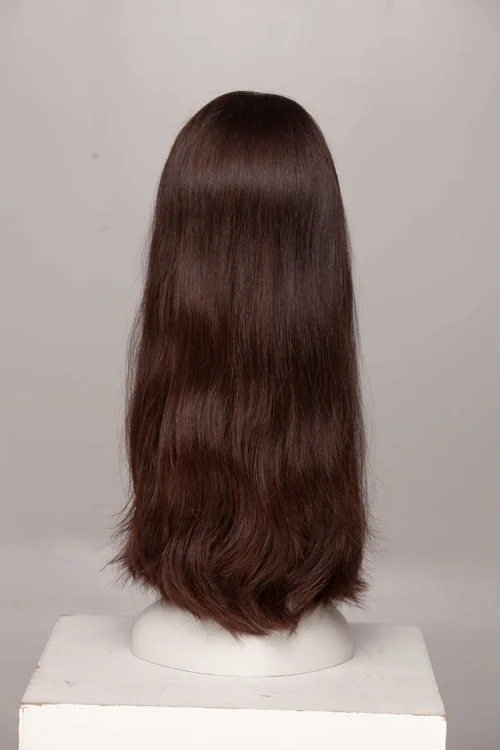
A shelf line the stylist can re-part on the client, in tones approved before the run rather than after it. No figures are published for this pattern and there is no client quote — we do not invent them.
Customer Benefit
The salon keeps the flexibility its stylists need at the part, and keeps a construction it can reorder in the same colour direction. Hand-tied pieces can then be ordered separately, on their own slower schedule, instead of holding up the everyday shelf.

Frequently Asked Questions
Is this a real named client?
No. It is a typical process pattern. There are no names because we have not published a client file, and there is no quote because we will not invent one.
Why wefts instead of a full hand tie?
Because the need was everyday stock. Wefts at the sides keep production stable and reorderable, while the hand-tied crown still gives free parting where it matters.
Does this construction answer every community's custom?
No. Where natural hair must be blocked, the cap needs a fabric lining or a front fabric-ribbon band. That is a construction choice, and the ruling sits with the community rav.
Tell Us About Your Salon
Sheitel consulting, with no promise of appearing as a case on this site.