
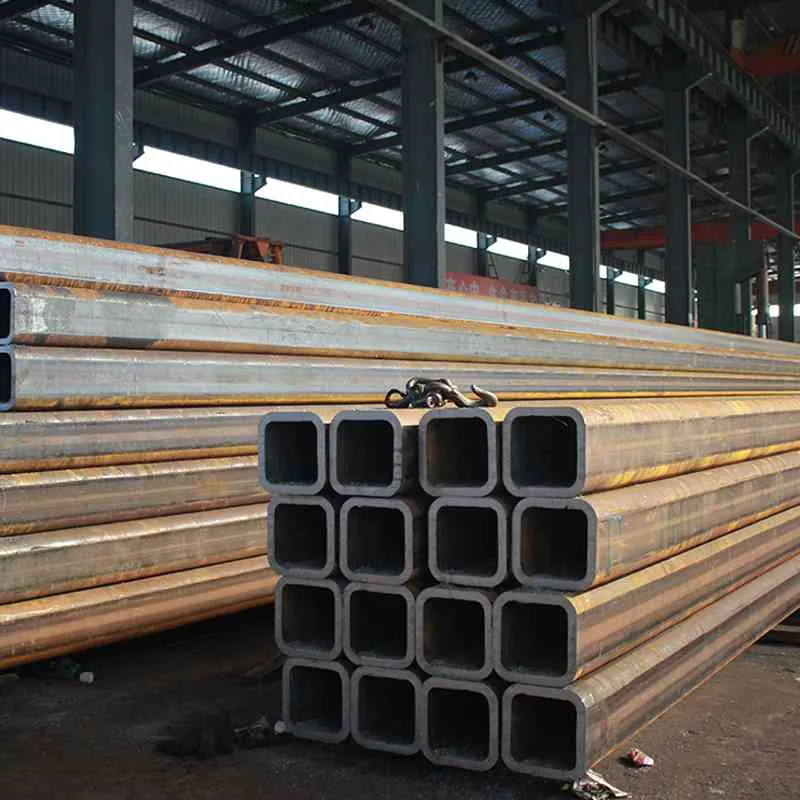
 Seamless Steel Pipe
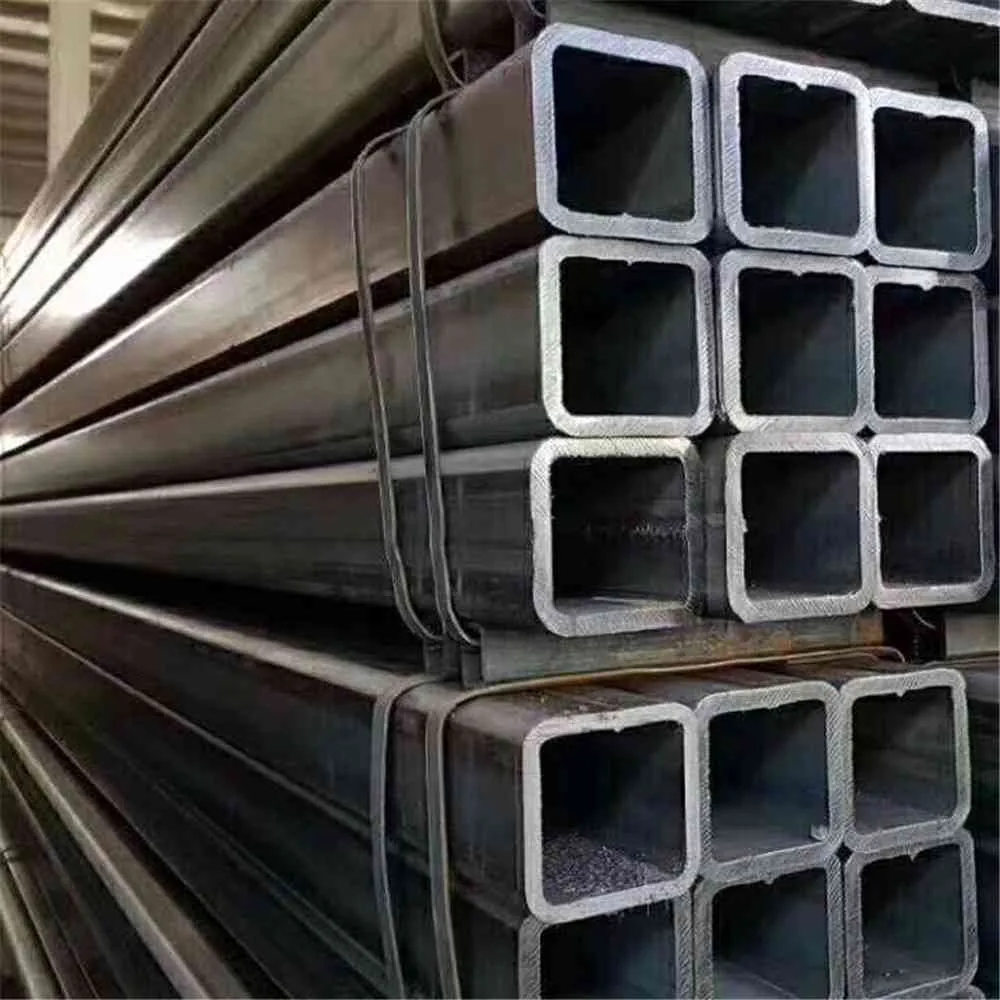 Welded Pipe
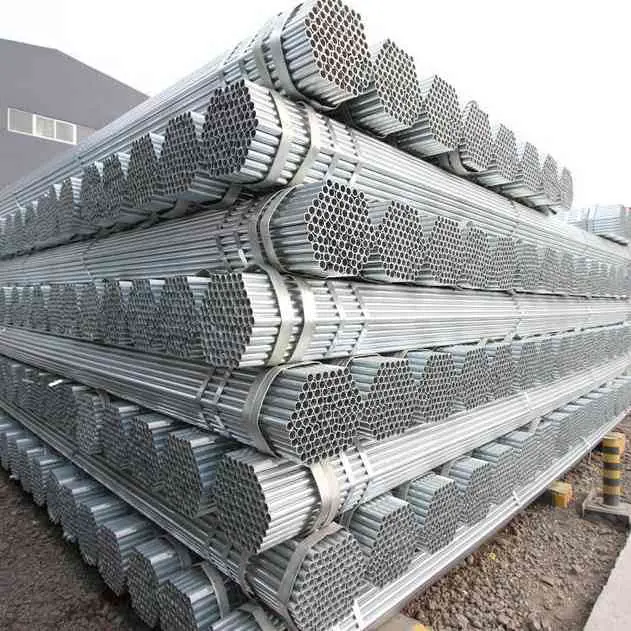 Galvanized Steel Pipe
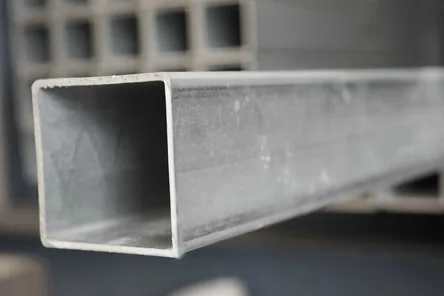 Stainless Steel Pipe
 Bulletproof Steel Sheet
 Wear Resistant Plate
 Alloy Steel Sheet
 Mild Steel Sheet
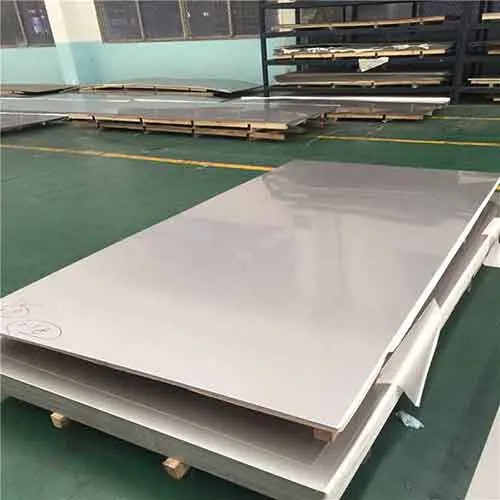 Stainless Steel Sheet
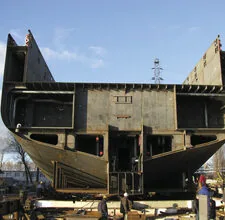 Shipbuilding Plate
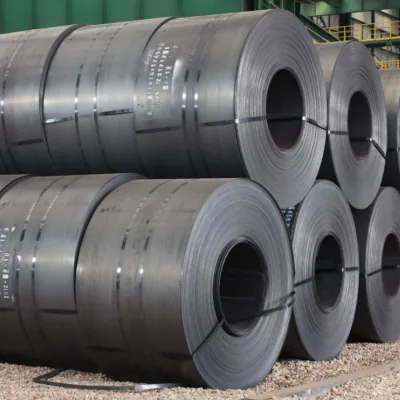 Carbon Steel Coil
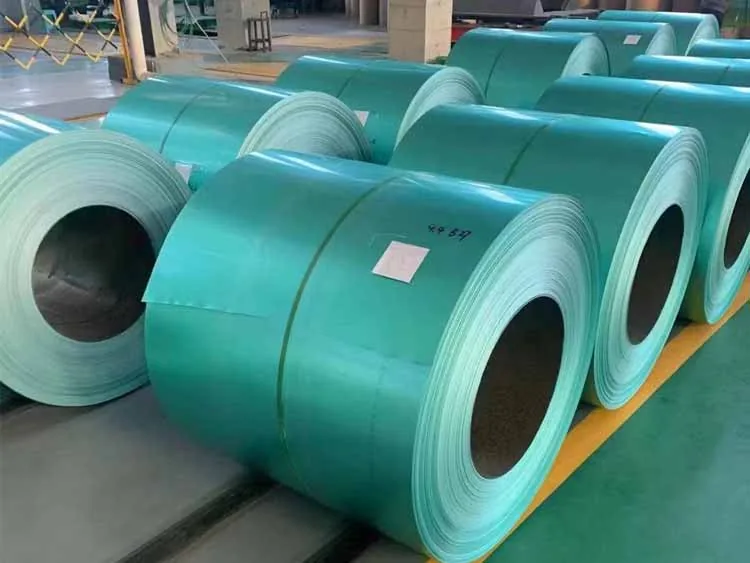 GI / PPGI Coil
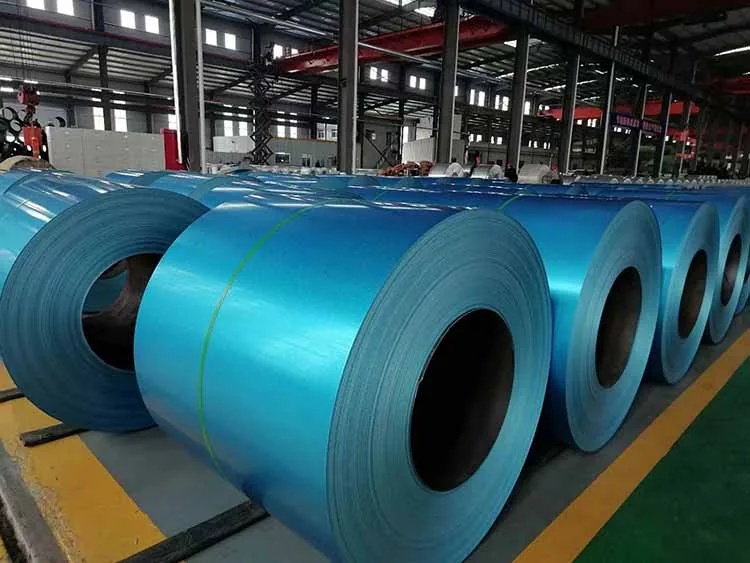 GL / PPGL Coil
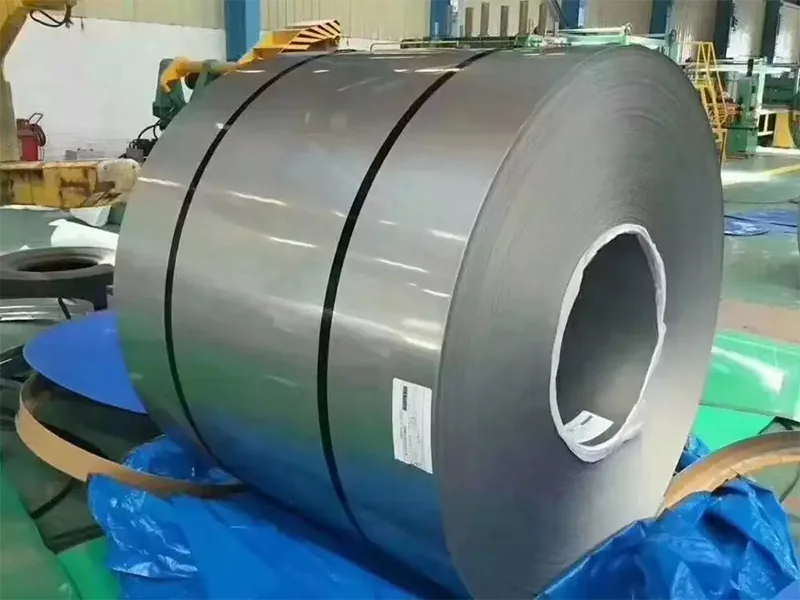 Stainless Steel Coil
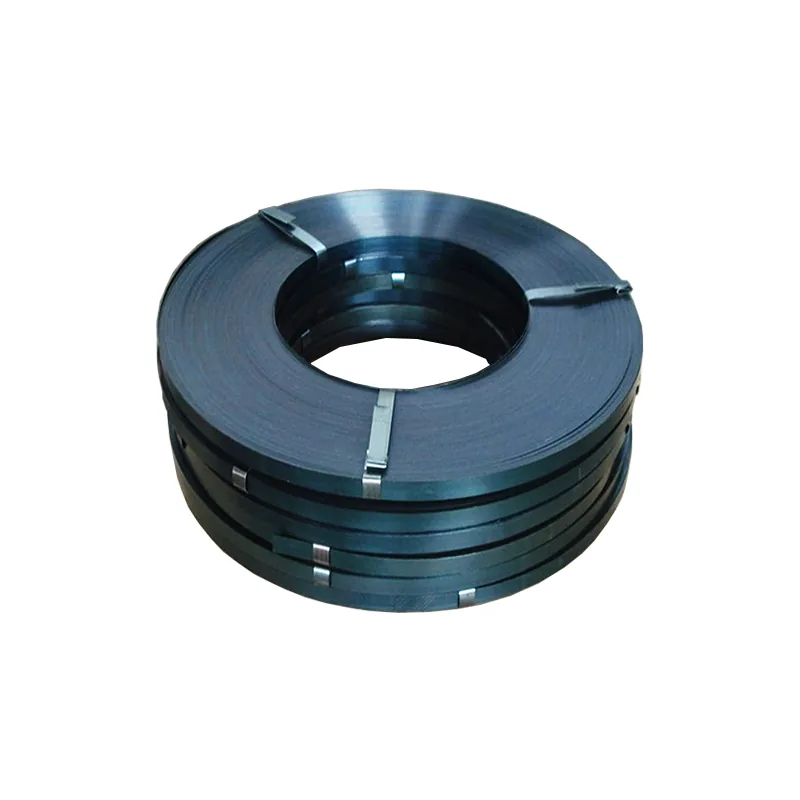 Spring Steel Coil
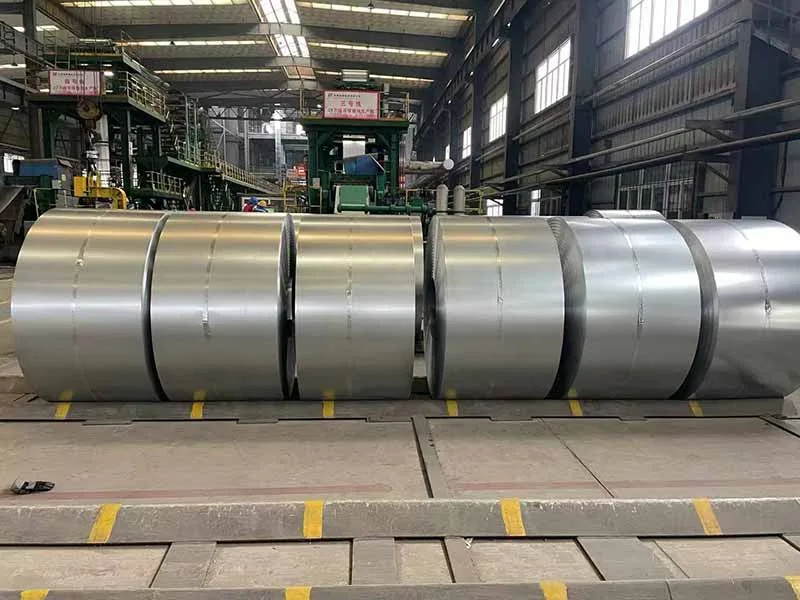 Zn-Al-Mg Coil
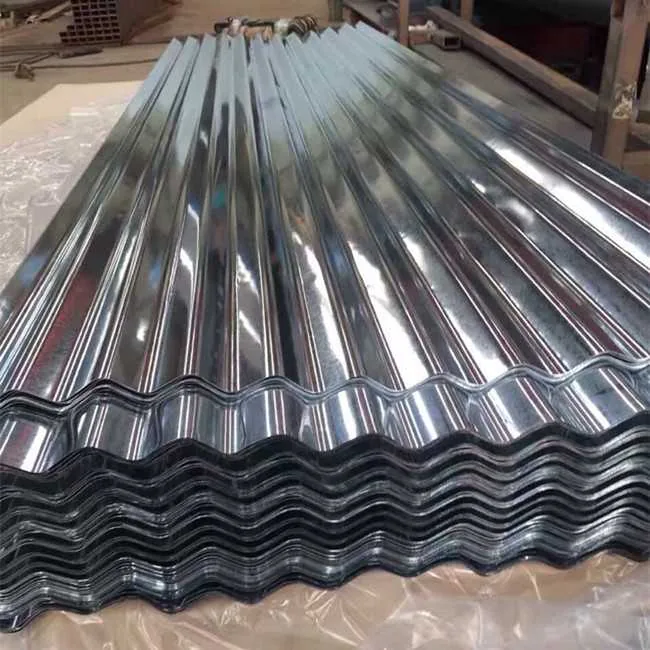 Tinplate
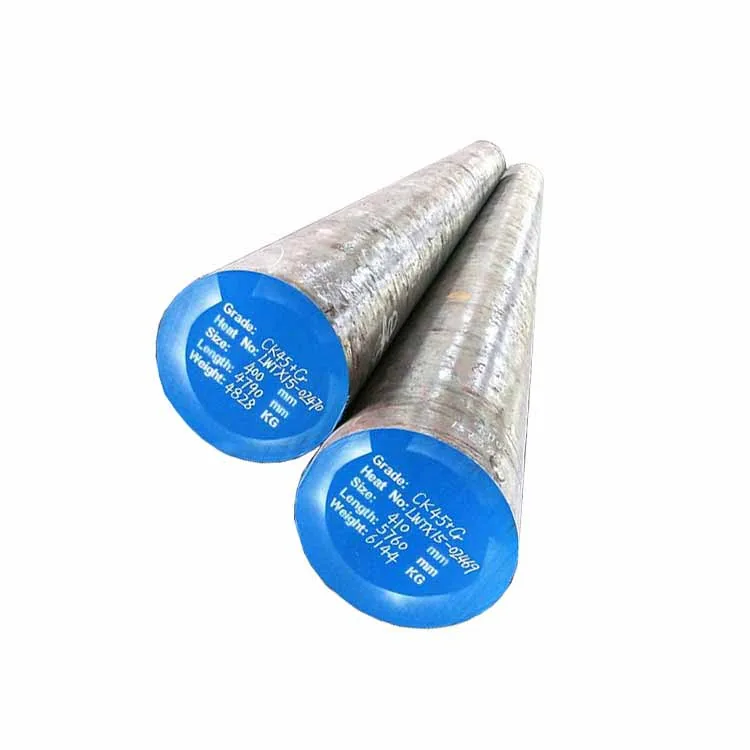 Steel Bar
The manufacturing of mining equipment such as ball mills involves operating environments typically characterized by severe abrasion, heavy impact, and corrosive conditions.
Consequently, different components of the equipment have varying requirements for abrasion resistance, impact resistance, and yield strength.
Based on the structural parts of the equipment, the recommended steel plates and materials are as follows: 1.
Ball Mill Shell: High-Strength Low-Alloy (HSLA) Steel The shell serves as the main structural body of the ball mill.
It must withstand the massive weight and impact forces of the steel balls and ore, requiring sufficient strength and rigidity.
Recommended Material : High-Strength Low-Alloy (HSLA) Steel.
Specification Requirements : The thickness of the shell steel plate is typically required to be greater than or equal to 15 mm to ensure the equipment does not deform during long-term operation. 2.
Ball Mill Internal Liners: High Manganese Steel, High Chromium Cast Iron, or Wear-Resistant Rubber Liners are in direct contact with the grinding media (steel balls) and the ore, making them the most severely worn components.
Depending on the grinding stage and operating conditions, the following materials can be selected: High Manganese Steel (e.g., Mn13) : As the first-generation wear-resistant material, it typically contains 12% to 14% manganese.
Its most prominent feature is its exceptional impact resistance and work-hardening characteristics; its surface hardness increases significantly under severe impact.
It is highly suitable for applications subjected to high pressure and strong impact loads.
High Chromium Cast Iron : This material offers extremely high wear resistance (more than twice that of high manganese steel) and excellent abrasive wear resistance, though it has relatively lower toughness.
It is widely used in large ball mills or as liners for the coarse grinding chambers of medium and small ball mills.
Wear-Resistant Rubber : As a new-generation wear-resistant material, it boasts outstanding elasticity, fatigue resistance, and shock-absorbing properties.
It is also lightweight, which helps reduce the overall energy consumption of the equipment.
However, it has poor impact resistance and is not heat-resistant, making it primarily suitable for fine grinding chambers or wet grinding environments. 3.
Wear-Resistant Components for Other Mining Equipment: Quenched and Tempered Wear-Resistant Steel Plates For supporting equipment in gold exploration, such as crushers, excavators, and loaders, quenched and tempered wear-resistant steel plates are frequently used to manufacture wear-prone parts (e.g., bucket plates, crusher liners, and jaw plates).
Common grades include: NM360 / WNM400 : These are mid-to-high-level quenched and tempered wear-resistant steel plates with high yield and tensile strengths, suitable for manufacturing wear parts in mining and construction machinery.
NM450 / NM500 / NM600 : These belong to the high-hardness wear-resistant steel series, where the numbers represent their nominal Brinell hardness grades.
The higher the hardness, the stronger the wear resistance.
For instance, NM500 and NM600 are primarily used for parts with extreme wear-resistance requirements, such as jaw plates for large jaw crushers and concaves for cone crushers.
Summary Recommendations: When manufacturing ball mills for gold exploration, it is recommended to use high-strength low-alloy steel with a thickness of ≥15 mm for the shell.
For the internal liners, the selection should be based on specific operating conditions: if the impact load is extremely high, high manganese steel (Mn13) is the first choice; if the primary issue is severe abrasion during the coarse grinding stage, high chromium cast iron is recommended; and for wet fine grinding, wear-resistant rubber liners can be considered.