
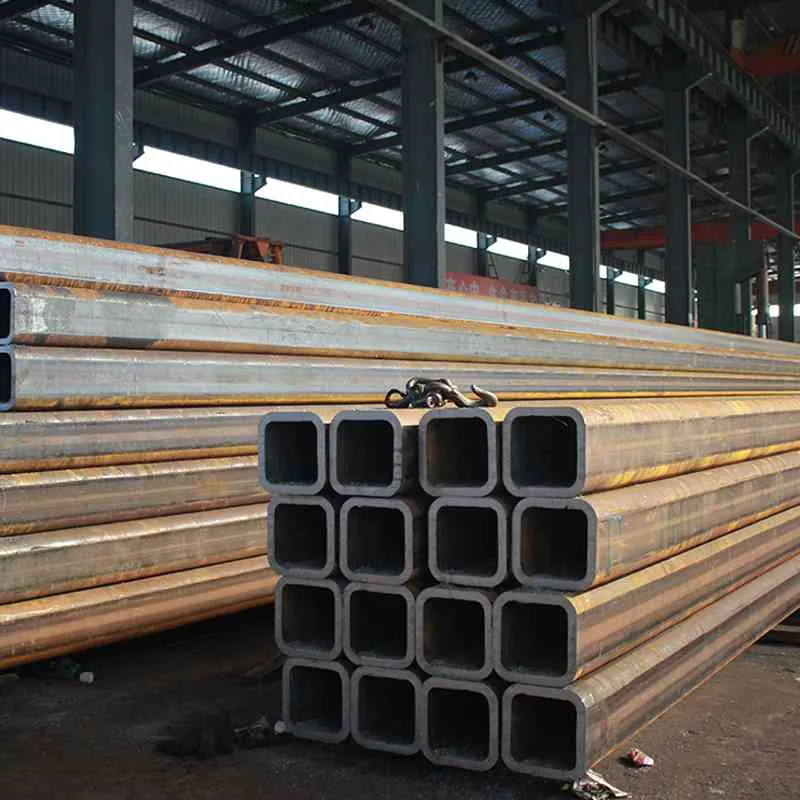
 Seamless Steel Pipe
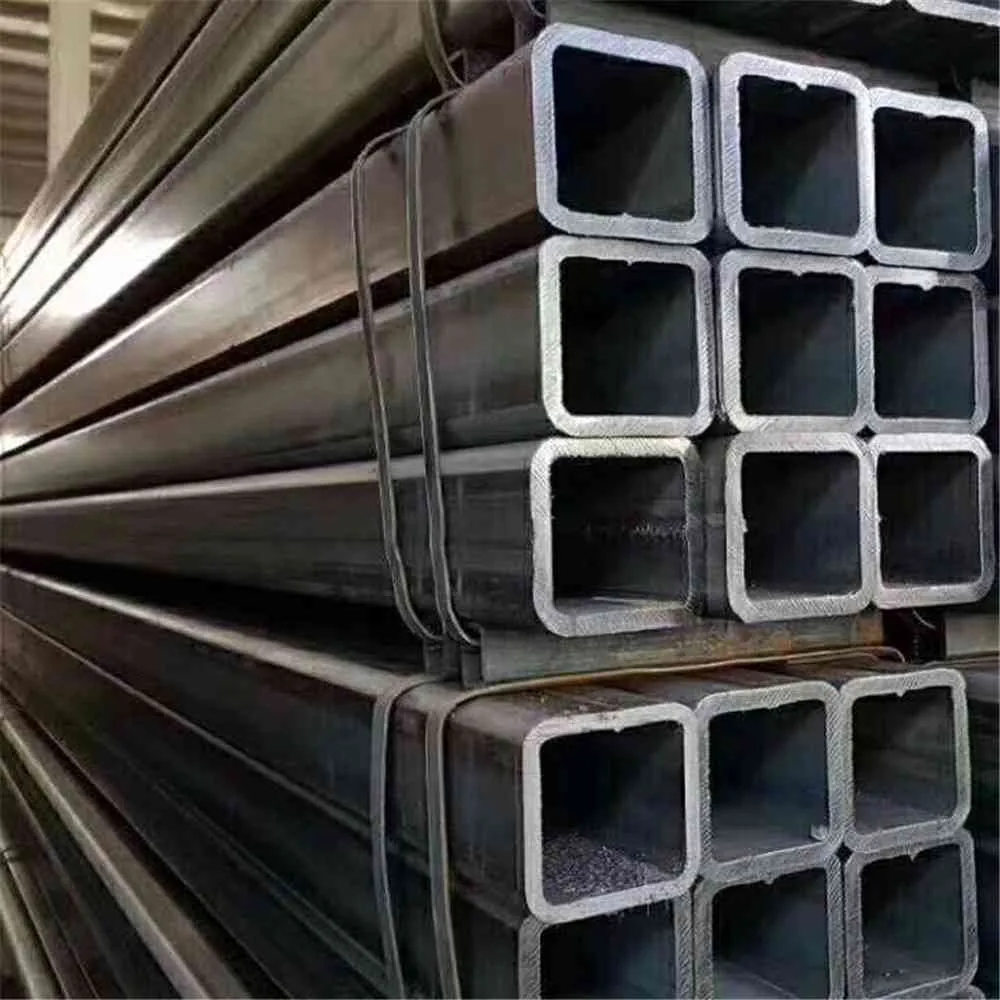 Welded Pipe
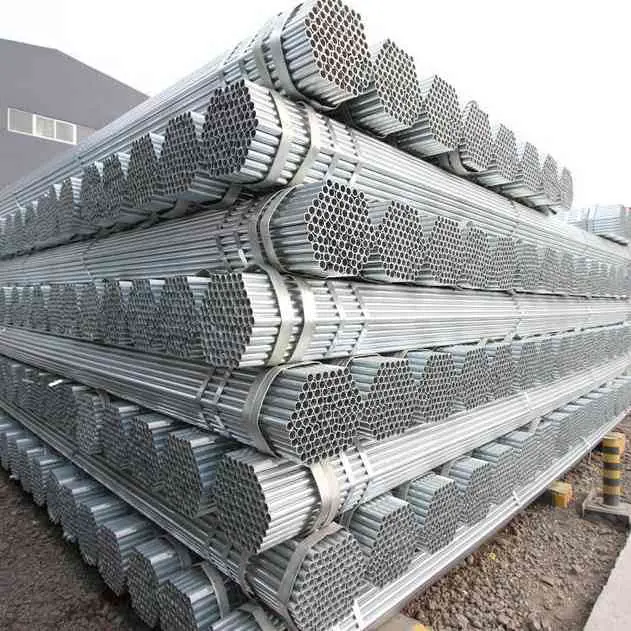 Galvanized Steel Pipe
 Stainless Steel Pipe
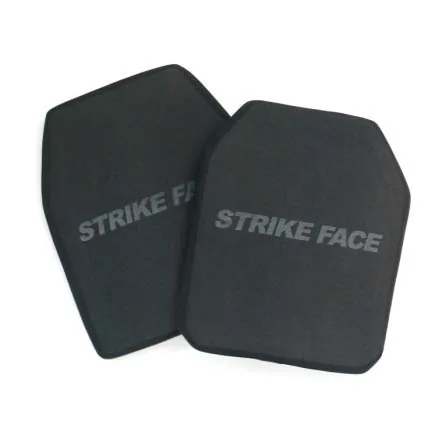 Bulletproof Steel Sheet
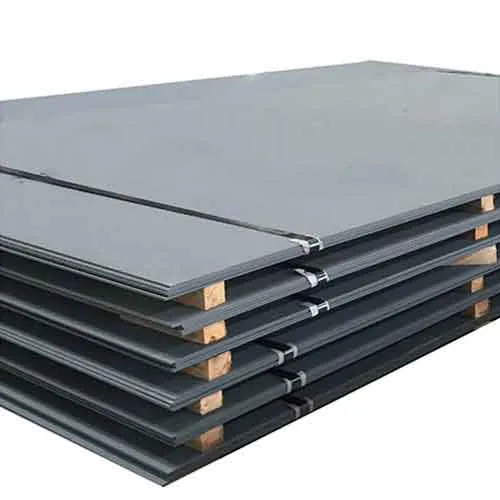 Wear Resistant Plate
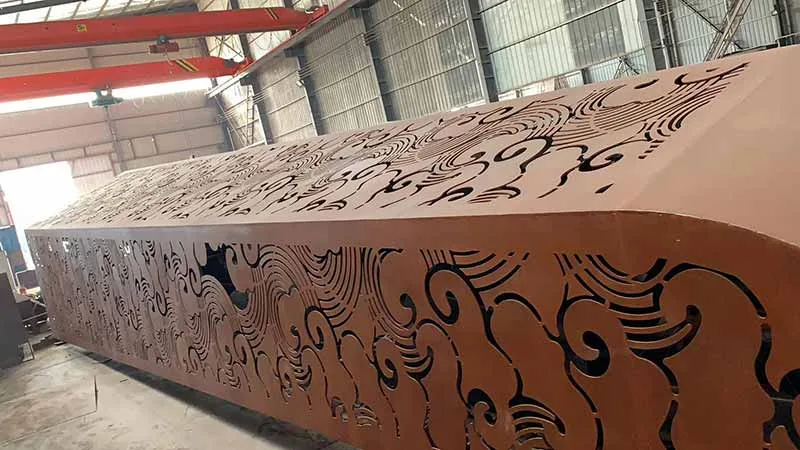 Alloy Steel Sheet
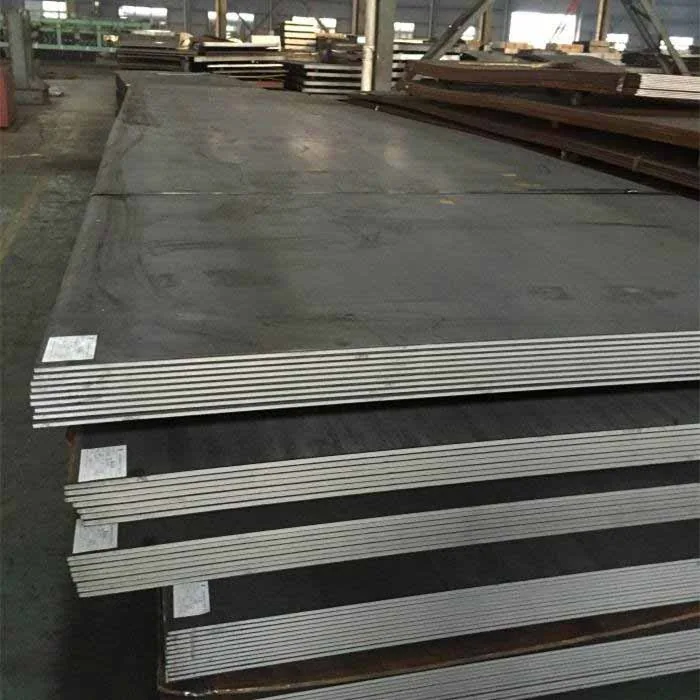 Mild Steel Sheet
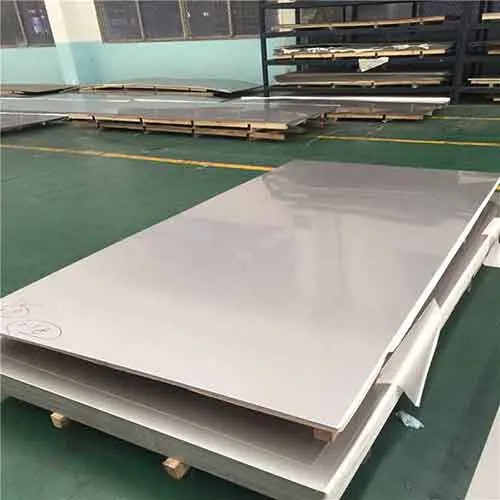 Stainless Steel Sheet
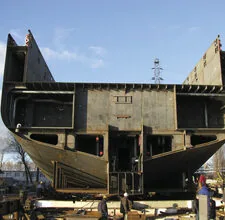 Shipbuilding Plate
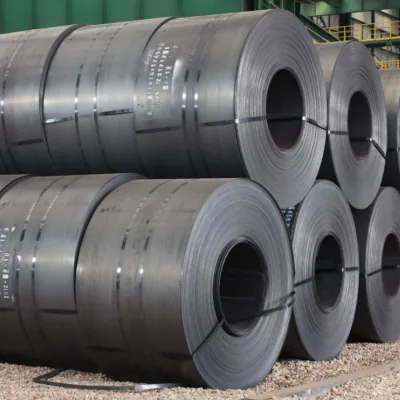 Carbon Steel Coil
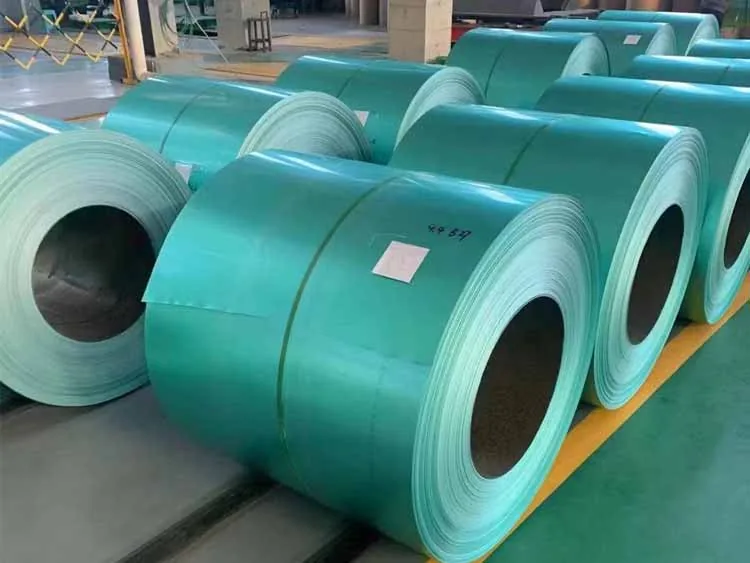 GI / PPGI Coil
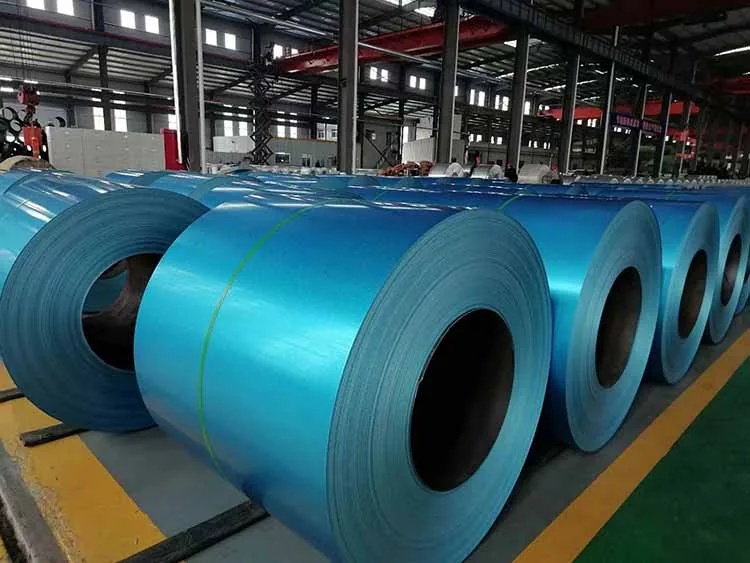 GL / PPGL Coil
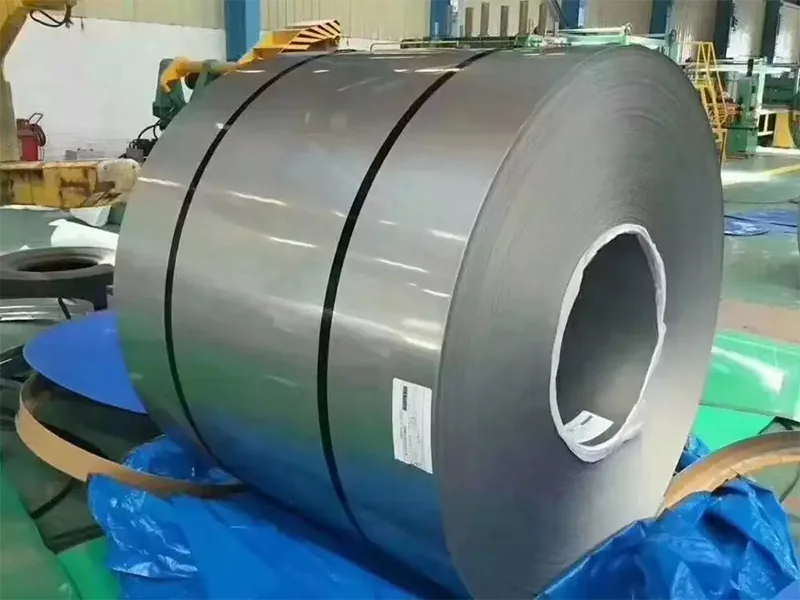 Stainless Steel Coil
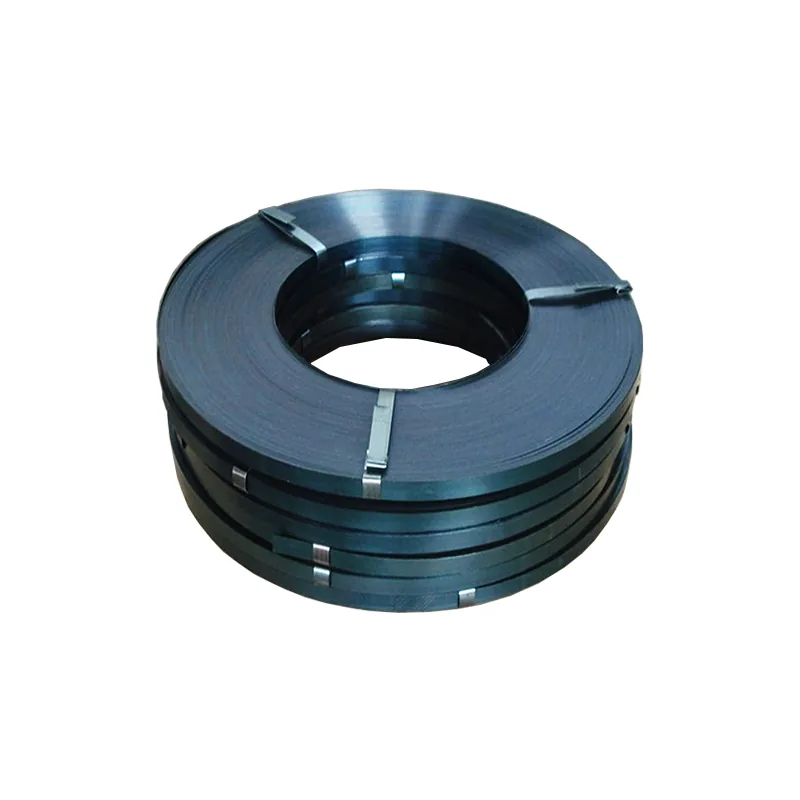 Spring Steel Coil
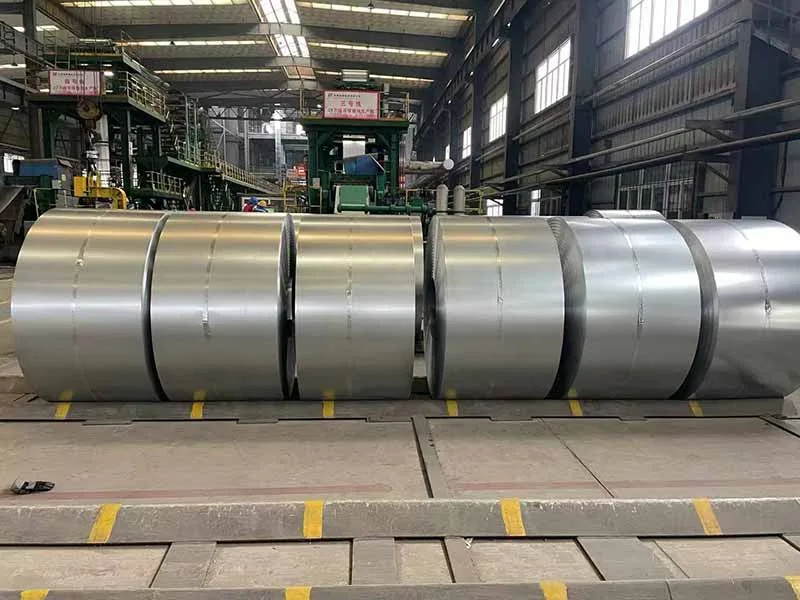 Zn-Al-Mg Coil
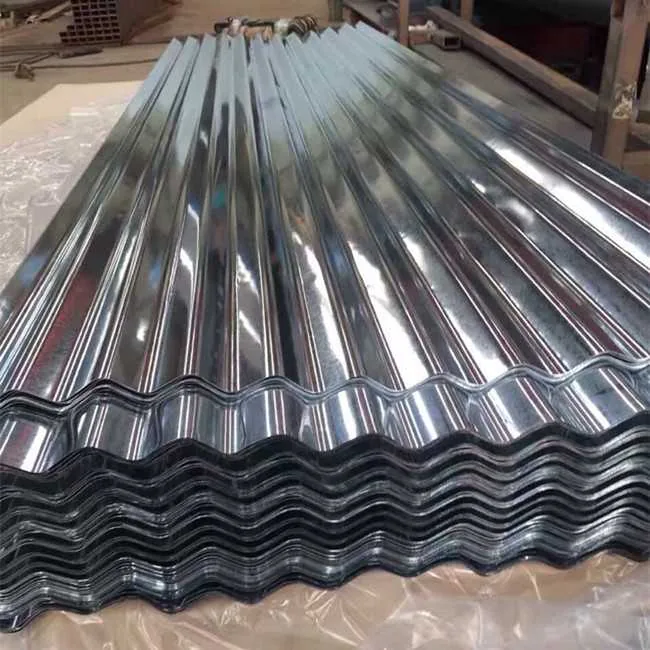 Tinplate
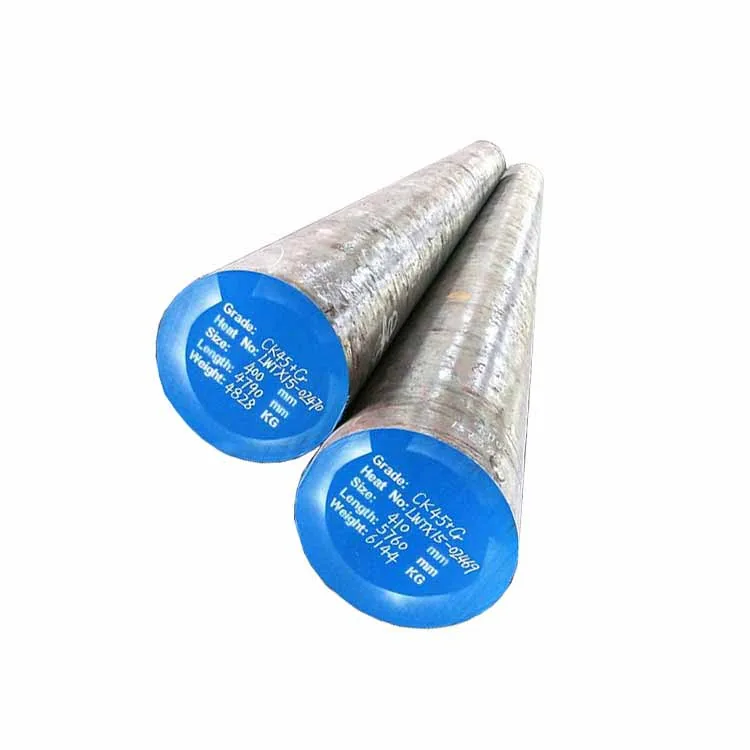 Steel Bar
How to Choose Between Hot-Rolled and Cold-Drawn Carbon Steel Round Bars 1.
Processing Technology and Appearance Hot-Rolled Round Steel: Formed by rolling at high temperatures (usually exceeding 1000°C).
Due to oxidation at high temperatures, the surface is typically rough, dark, and covered with a layer of scale (commonly known as “black steel”), resulting in poor surface finish.
Cold-Drawn Round Steel: Produced by pulling hot-rolled round steel through precision dies at room temperature.
Its surface is smooth, clean, and scale-free (commonly known as “bright steel”), offering a neat and aesthetically pleasing appearance. 2.
Dimensional Accuracy Hot-Rolled Round Steel: Affected by thermal expansion and contraction at high temperatures and roll wear, it has larger dimensional tolerances (typically between ±0.5mm and ±1.5mm).
Its straightness is generally average, making it difficult to meet the needs of precision assembly.
Cold-Drawn Round Steel: Forced into shape through dies, it boasts extremely high dimensional accuracy (tolerances can be controlled within ±0.1mm or even ±0.05mm).
It features excellent roundness and straightness, making it ready for direct use in precision mating parts. 3.
Mechanical Properties Hot-Rolled Round Steel: Its internal grains are refined, resulting in a uniform structure.
It possesses excellent plasticity and toughness, making it easy to withstand impact loads, but its strength and hardness are relatively low.
Cold-Drawn Round Steel: The drawing process induces a “work-hardening” effect, significantly increasing its tensile strength and hardness (20%-50% higher than hot-rolled steel).
However, this comes at the cost of reduced plasticity and toughness. 4.
Machinability and Cost Hot-Rolled Round Steel: Due to its good plasticity and low hardness, it is highly suitable for subsequent processing such as welding, cutting, bending, and stamping.
Its simple production process and high yield make it cost-effective.
Cold-Drawn Round Steel: Because of its high hardness and poor plasticity, it is prone to cracking during direct welding or bending, and usually requires annealing to soften it.
The addition of multiple processes, such as pickling and cold drawing, typically makes it 10%-30% more expensive than hot-rolled round steel. 💡 Selection Rule of Thumb & Application Scenarios Choose Hot-Rolled Round Steel: If your project involves large structural components, requires extensive welding/bending, has low requirements for surface finish and dimensional accuracy, and is budget-constrained, hot-rolled round steel offers the best cost-performance ratio.
It is commonly used in building steel structures, mechanical bases, and support frames.
Choose Cold-Drawn Round Steel: If your project involves small precision parts, requires direct assembly (e.g., bearings, shafts), demands high surface finish, and pursues high strength, cold-drawn round steel is the top choice.
It is widely used in precision mechanical drive shafts, automotive chassis components, bolts/pins, and mold parts.
Summary: Choose hot-rolled for large sizes, welding needs, and budget limits; choose cold-drawn for small sizes, high precision, and strength requirements.