
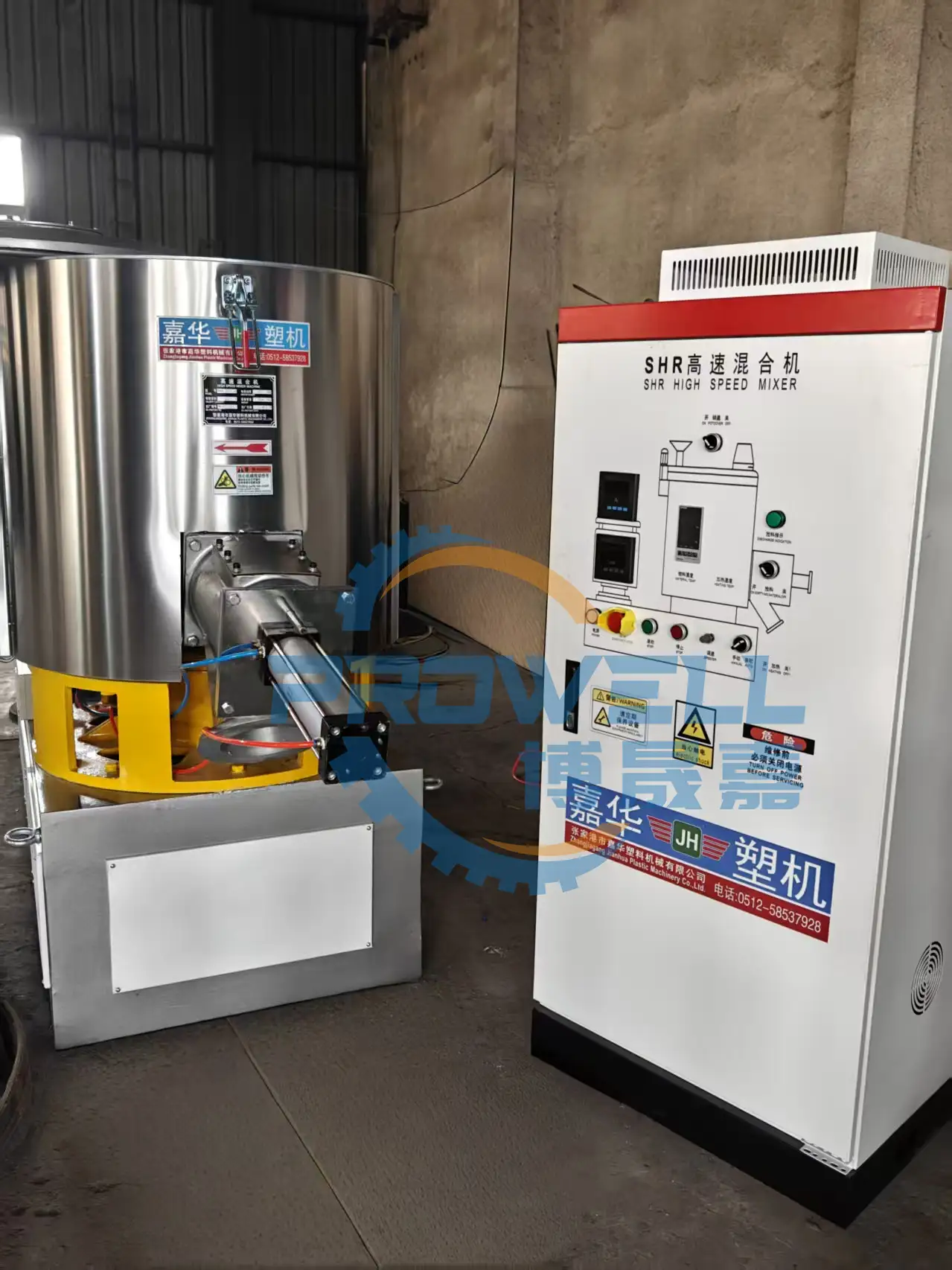
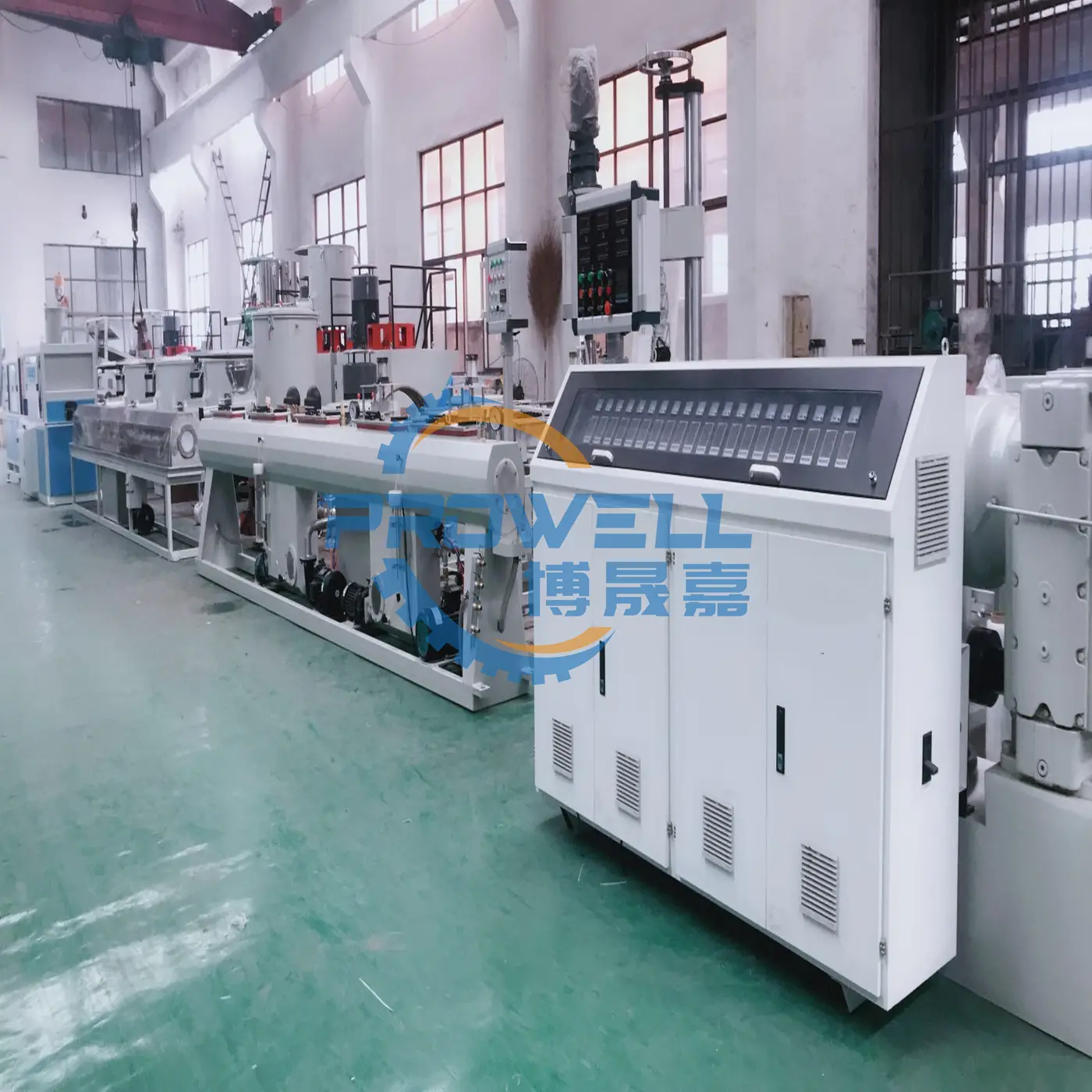
PVC High Speed Mixer In the world of industrial mixing, the heart of your equipment is the impeller
For high-speed mixers (often used in PVC processing, masterbatch, and powder coating), the debate often centers on two primary designs: the Three-Blade Impeller and the Disc-Type Blade
Choosing the wrong blade doesn’t just slow down production; it can lead to non-uniform blending, material degradation due to overheating, and increased energy costs
In this guide, we break down the technical differences to help you make an informed decision for your PVC mixing efficiency
PVC mixer Mixing Blade efficiency 1
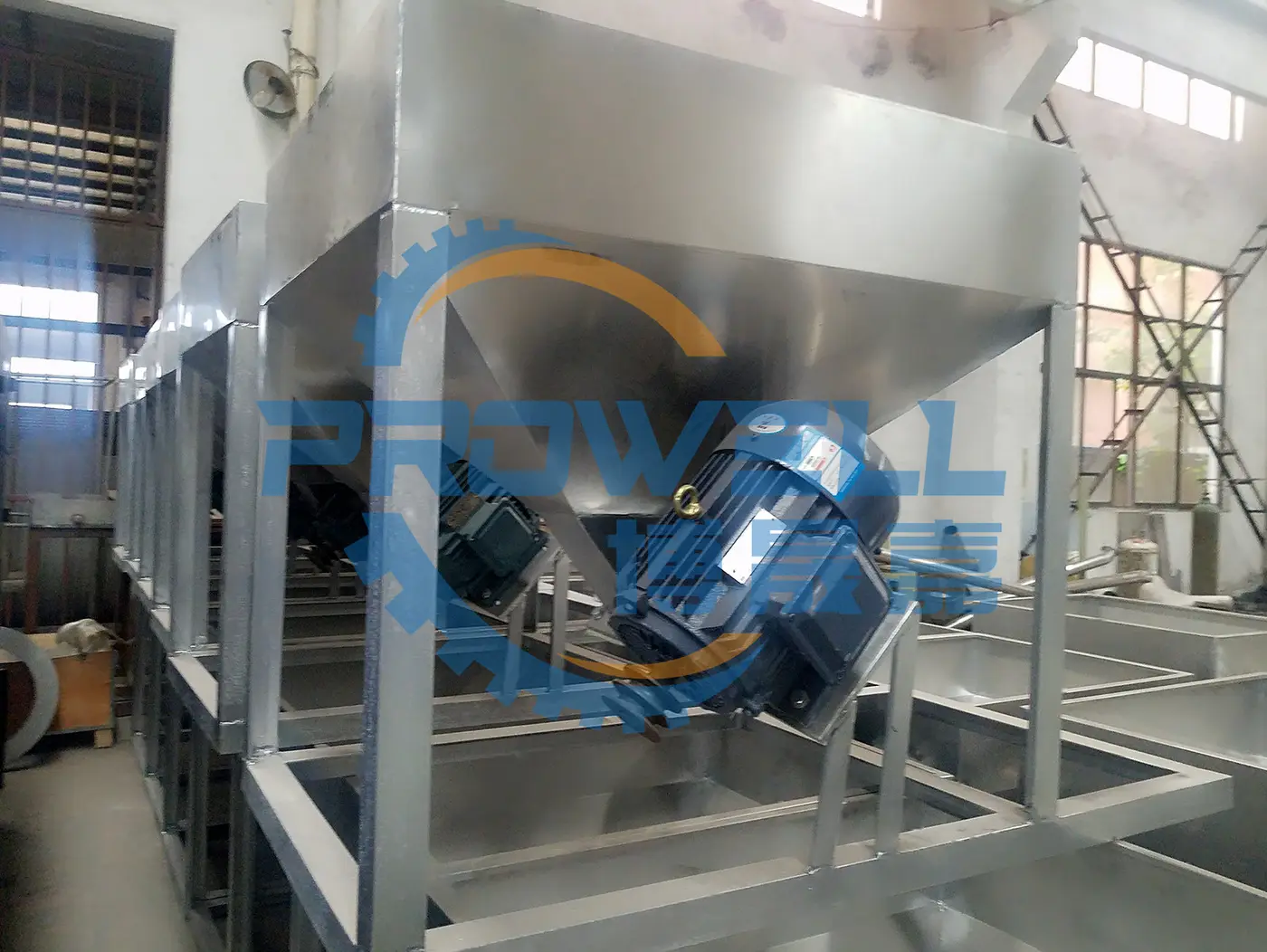
Three-Blade Impeller: The King of Vertical Flow Stainless steel disc-type mixing blade for industrial powders The three-blade design, typically featuring angled or streamlined blades at multiple levels (bottom, middle, and top), is the industry standard for high-intensity mixing
- Flow Pattern: It creates a powerful 3D vortex
The bottom blade lifts the material, the middle blade accelerates it, and the top blade flings it outward
- Mixing Uniformity: Excellent
Because it forces material to move vertically (up and down), there are virtually no “dead zones” in the tank
- Shear Force: High
It is perfect for breaking up agglomerates (clumps) in powders
- Best For: PVC dry blends, plasticized compounds, and pigment dispersion
2
Disc Blade: The Gentle Powerhouse The disc-type impeller features a flat or slightly curved circular plate, sometimes with small teeth or ridges at the edges
- Flow Pattern: Its movement is primarily horizontal and centrifugal
It relies on the friction between the disc and the material to move the mass
- Heat Generation: Lower than three-blade designs