Optical brighteners, made in Jinan
The whiteness your polymer, fibre or detergent line is missing
Grand Chemical manufactures and exports the benzoxazole, stilbene, coumarin and distyryl-biphenyl brighteners that plastics compounders, textile mills, paper makers and detergent formulators specify by C.I. number - 31 grades, shipped from Shandong.
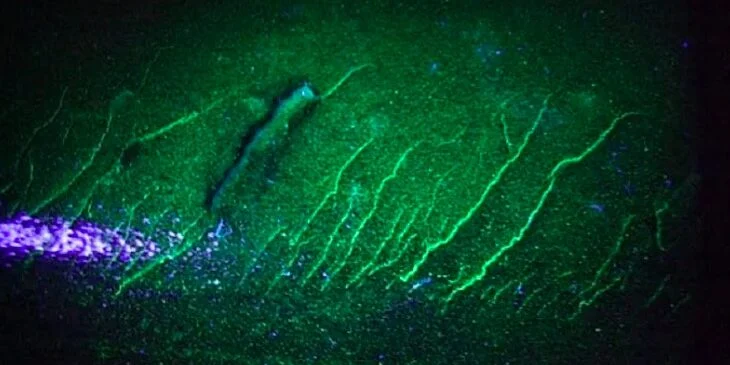
434 nm of blue, on demand
We sell the fluorescence, not the powder
Every grade here is picked by where its absorption and emission peaks land, how hot your process runs and what the resin or fibre will tolerate. Tell us the substrate and the process temperature and we will name the grade.
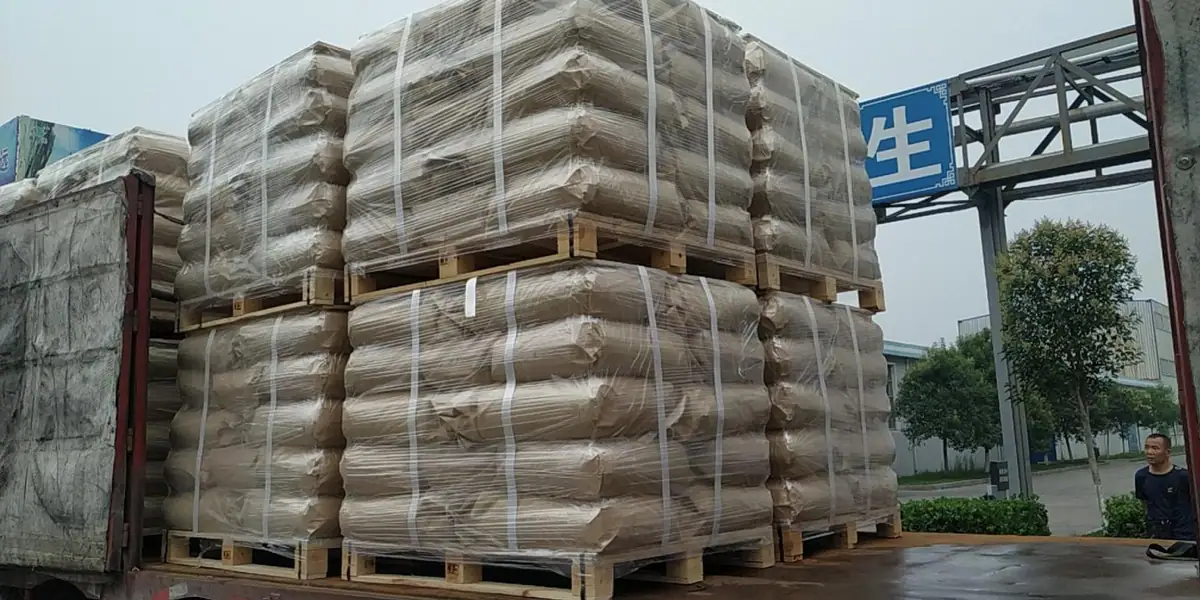
25 kg drums, palletised, export packed
From a 25 kg trial drum to full container loads
Standard packing is a 25 kg fibre drum with a double-layer PE liner, or 25 kg bags on pallets. Sample first, scale when the whiteness reading on your own line says it works.
What an optical brightener actually does
One chemistry, four industries that all need it
An optical brightener absorbs in the near ultraviolet and re-emits in the blue. That single trick cancels the yellow cast in cotton, in polyester chip, in PVC compound, in paper pulp and in washing powder - but the molecule that survives a 220 C bake is not the molecule that survives a hypochlorite bleach. Grand Chemical keeps all four families in stock so the recommendation is not limited by what we happen to make.
Grade selection, not a catalogue dump
Give us the polymer or fibre, the process temperature and the whiteness target and we reply with one or two grades and a dosage window - not a 31-item price list.
Named equivalents, stated openly
Most grades here are the working equivalent of a well-known branded product. Those names are printed on every product page so you can match against a specification you already hold.
Manufacturer and exporter in one
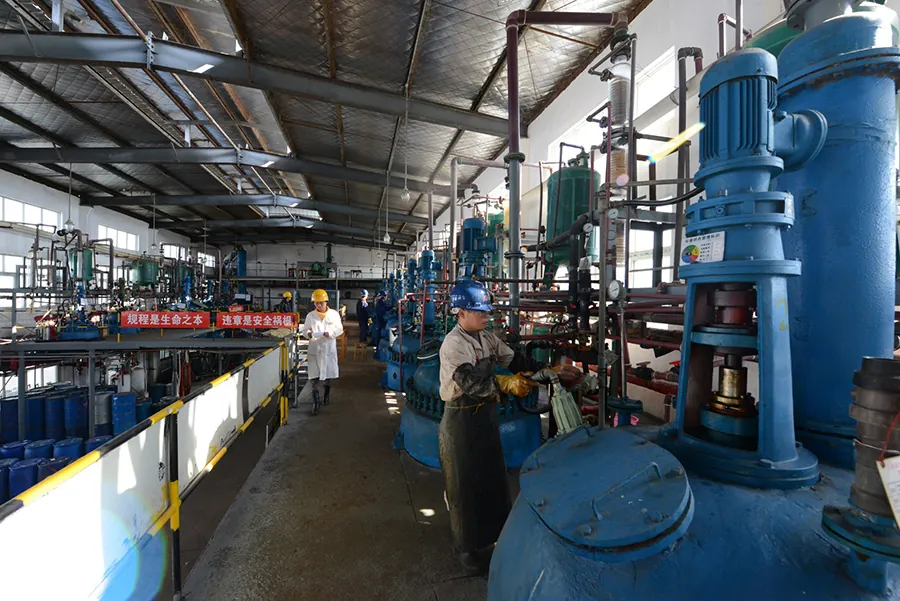
Grand Chemical manufactures and exports from Jinan, Shandong. One party answers for the batch, the documents and the container.
Dosage that respects the cost line
Brighteners work at hundredths of a percent. Every product page carries the dosage range the grade was developed for, so the trial starts at a sane addition rate.
By end market
Six industries, six different constraints
Plastics
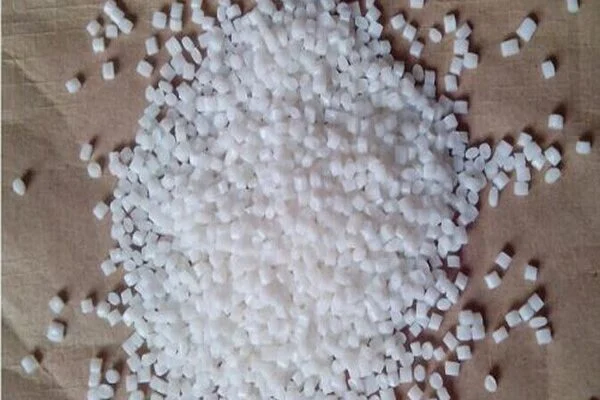
In a polymer the brightener has to dissolve into the melt, survive the process temperature and then stay put. That narrows the field to the…
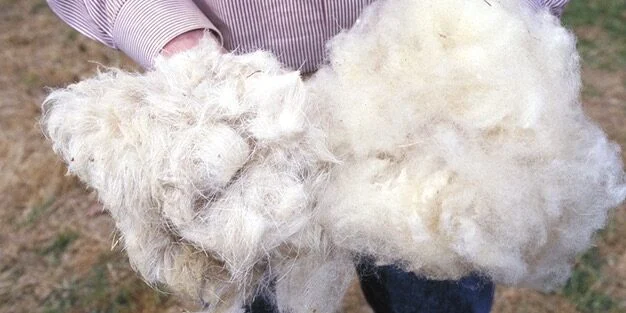
Textiles
Fibre chemistry decides everything here. Cotton takes an anionic stilbene, polyester takes a non-ionic disperse type, acrylic takes a cationic, and…
Detergents
A detergent brightener has a harder job than a textile one: it has to survive the box or the bottle, deposit onto cotton from a dilute wash liquor in…
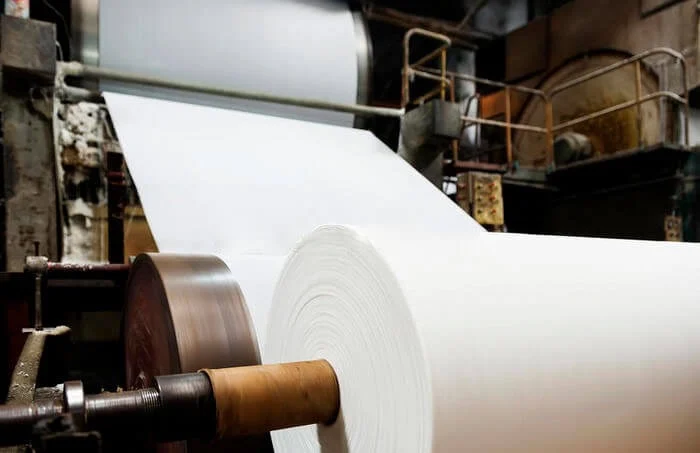
Paper
Paper mills dose a brightener at three different points - into the pulp, into the surface size, and into the coating colour - and the right grade and…
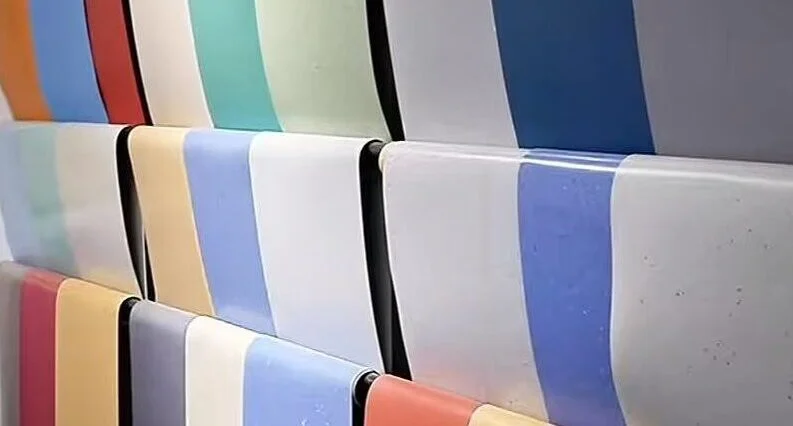
Paints, coatings & inks
Coatings split cleanly into two camps. Oil-based and solvent systems take OB, which dissolves in the resin phase. Water-based systems take CBS-X or…
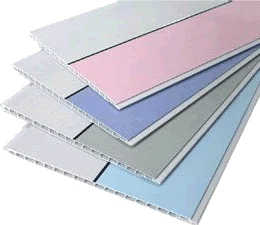
PVC compounding
PVC is the one polymer where a brightener rarely travels alone. The same compound needs a heat stabiliser to survive the processing window and an…
Most requested
Eight grades that cover most enquiries
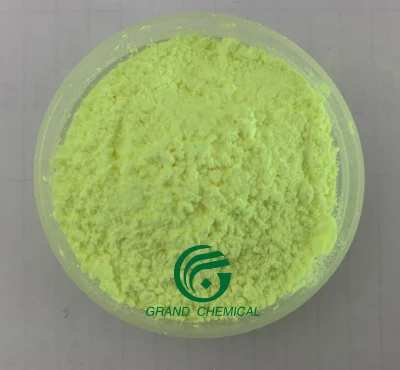
Optical brightener OB-1
The heat-resistance specialist.
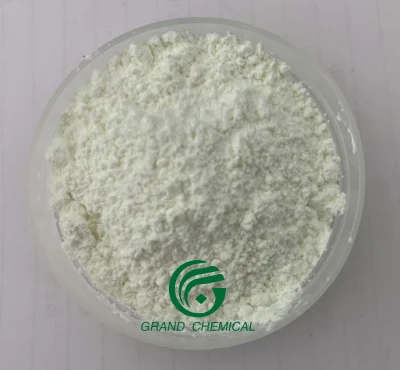
Optical brightener OB
The workhorse of the benzoxazole family and the grade most plastics buyers are matching when their specification says Uvitex OB or Tinopal OB.
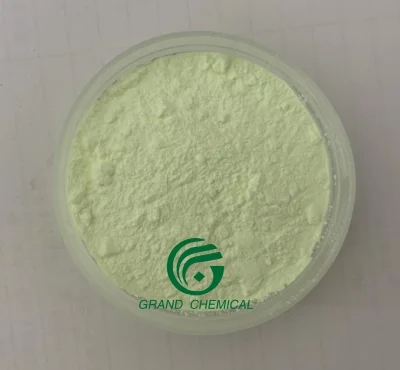
Optical brightener CBS-X
The detergent industry's benchmark, and the grade behind a Tinopal CBS-X specification.
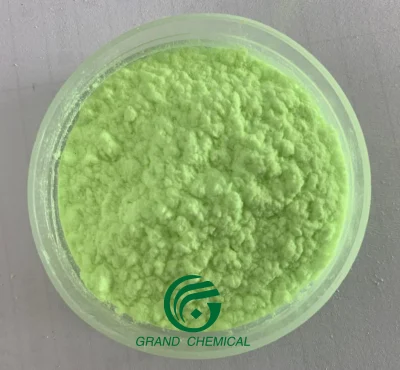
Optical brightener KCB
A naphthalene-bridged bisbenzoxazole developed for EVA foam, and still the first choice for footwear midsoles.
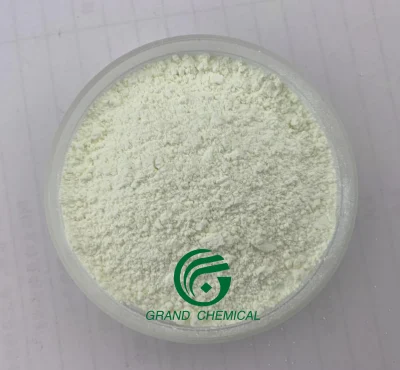
Optical brightener FP-127
A methoxy-substituted distyryl biphenyl built for soft PVC.
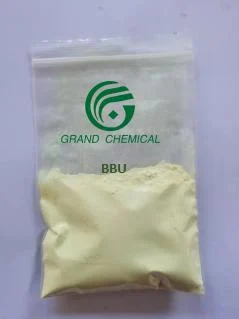
Optical brightener BBU
C.I.
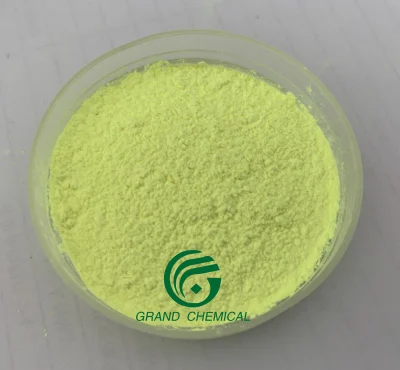
Optical brightener KSN
The migration-resistant grade.
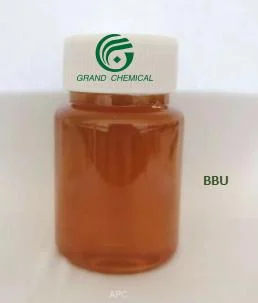
Optical brightener APC
The liquid version of C.I.
By application
Briefs we answer every week
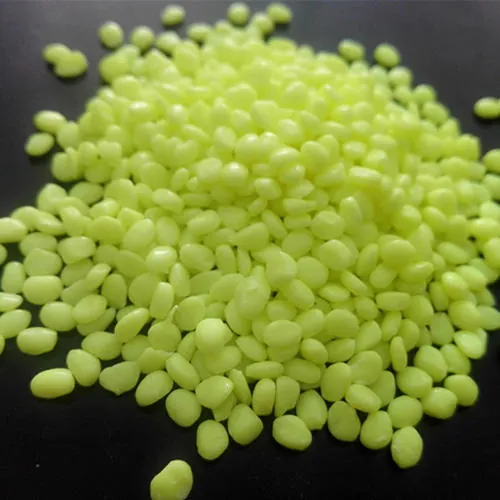
White masterbatch
A masterbatch concentrates the brightener twenty to a hundred times over the let-down dosage, so every weakness in the grade - poor…
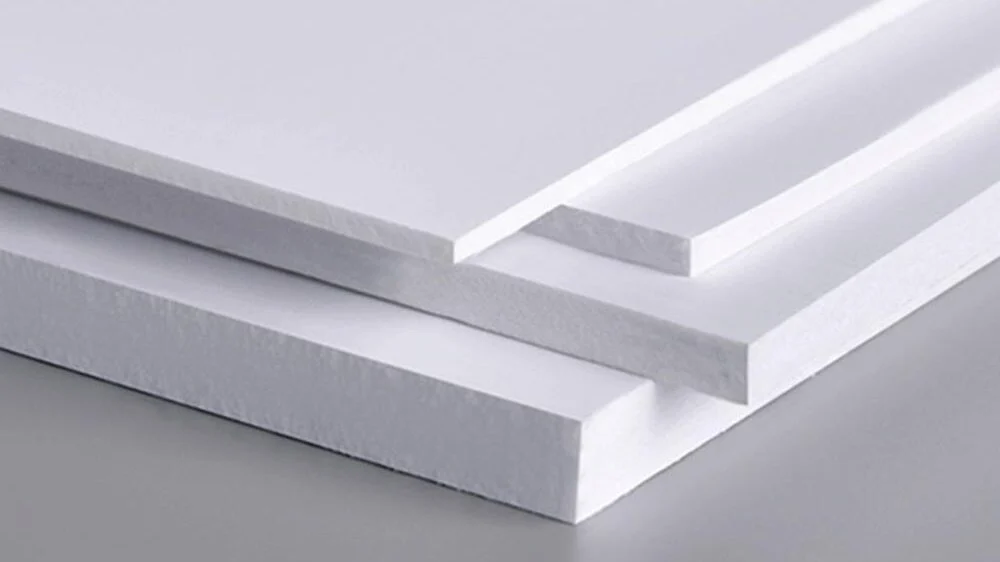
PVC foam board
Foam board yellows for two reasons at once - thermal stress during expansion and the intrinsic cast of the recycled fraction - and the…
PVC pipe & profile
Pipe and profile are extruded hot, run long, and are judged on appearance for decades in sunlight. That makes the stabiliser, the impact…
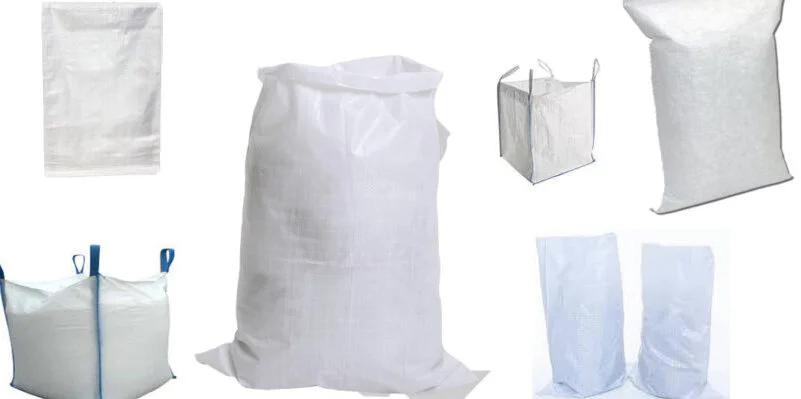
PP woven bags
Woven sack tape is drawn hot and thin, often from a resin blend that includes recycled material. Whiteness sells the bag, and the…
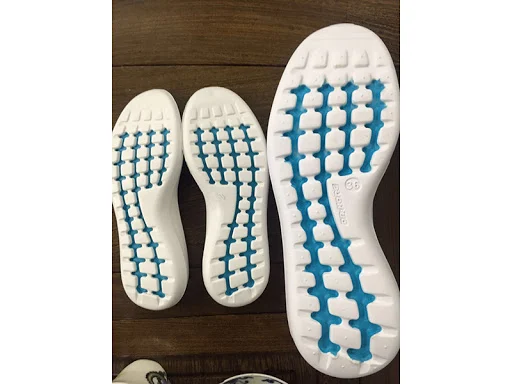
EVA shoe soles
Footwear foam is the application KCB was developed for. The expansion step destroys a poorly chosen brightener, and a midsole that yellows…
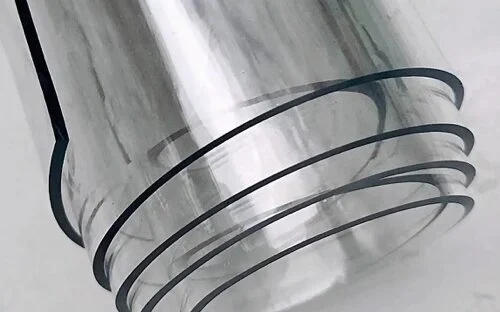
Blown film
In film the brightener has to raise apparent whiteness without touching clarity, and it has to do it at a dosage measured in parts per…
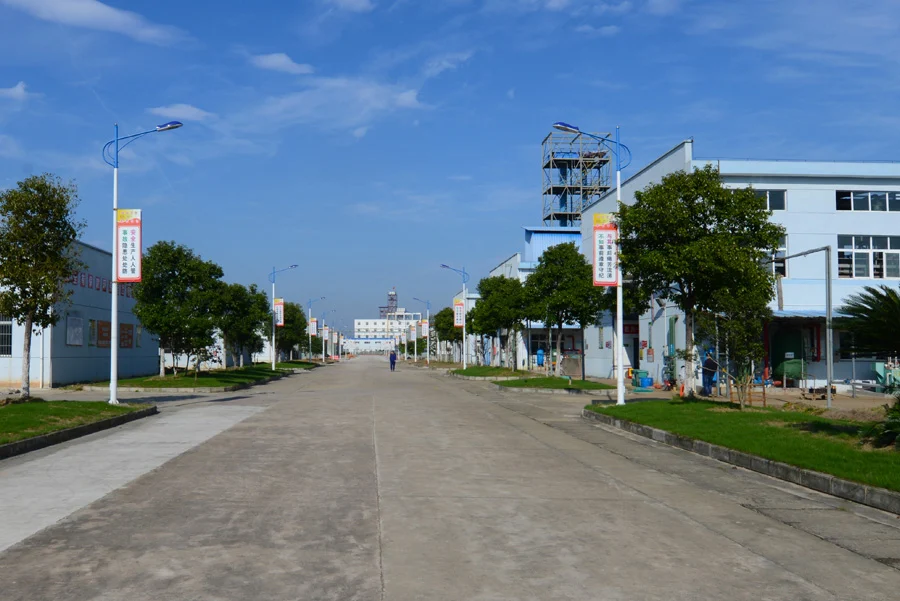
Jinan, Shandong
A brightener maker in Jinan, exporting since the 2010s
Grand Chemical is a manufacturer and exporter of optical brighteners based in Jinan, Shandong. The product line runs from the benzoxazole grades that plastics compounders buy by C.I. number, through the stilbene grades that cotton and paper mills use, to the distyryl-biphenyl grades the detergent industry specifies - plus the pigments, heat stabilisers, impact modifiers and nucleating agents that tend to travel on the same order.
Every specification on this site - appearance, purity, melting point, absorption and emission maxima, fastness ratings, recommended dosage - is the figure Grand Chemical publishes for that grade. Where the source data does not state a value, this site leaves it blank rather than filling it in. Certificates of analysis, safety data sheets and declarations for food-contact use are issued per batch on request.
How it works
How a first order usually runs
Tell us the substrate
Resin or fibre, process temperature, whether the part is white or transparent, and any bleach or UV absorber already in the formulation.
We name the grade
Usually one primary grade plus one fallback, with the C.I. number, the CAS number and the branded equivalents so you can cross-check.
Sample drum
A trial quantity ships so the whiteness reading comes off your own line, not off our data sheet.
Production order
25 kg fibre drums or bags, palletised, with the batch documents your customs broker needs.
Knowledge base
Written for formulators, not for search engines
FP-127 for PVC Foam Board: High-Efficiency Optical Brightening Solution
oba for pvc foam board
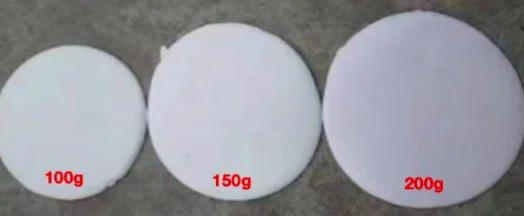
OB for Ink: Enhancing Whiteness, Brightness, and Color Performance
Ink appearance plays a decisive role in product perception and end-use quality. To meet increasingly high visual standards, ink manufacturers
Optical Brighteners for Polyester Fiber: High-Performance Whitening Solutions
Optical brighteners for polyester fiber play a critical role in improving fabric whiteness, brightness, and visual appeal. Due to the
Optical Brighteners for Paints: Improving Whiteness, Brightness, and Visual Appeal
Optical brighteners for paints play a vital role in enhancing the visual quality of modern coatings. Also known as fluorescent
Optical Brighteners in Paper: Principles, Functions, and Applications in Papermaking
Optical brighteners play a critical role in modern papermaking by significantly improving whiteness, brightness, and visual appeal. Originally developed for
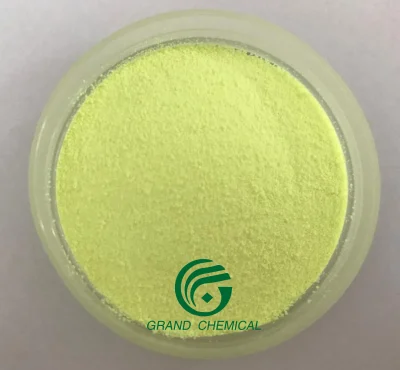
Optical Brightener CBS-X Equivalent to Tinopal CBS-X: A High-Performance Optical Brightener for Detergents and Water-Based Systems
Tinopal CBS-X is one of the most widely used optical brighteners in the detergent industry, valued for its excellent whitening
Tell us the substrate. We will name the grade.
Resin or fibre, process temperature, whiteness target - that is enough for a recommendation and a dosage window. Replies usually land the same working day, Jinan time.