
![Y type Strainer[Cast Iron Body & SS304 Mesh] — YS006](../assets/img/products/ys006.webp)
![Angle Globe Valve DIN PN16 [Cast Iron] — J44W131](../assets/img/products/j44w131.webp)
![Globe Valve DIN3202 F1 PN16 [Cast Iron] — J41W101](../assets/img/products/j41w101.webp)
Butterfly Valves
Wafer, Lug, or Flanged Butterfly Valve: How to Choose the Body Style
Help a buyer pick the connection style that matches the pipeline, without quoting unpublished MIC ratings.
- A wafer butterfly valve is clamped between two flanges and depends on the mating flanges to hold the valve in the line. It is the compact, lighter option when the valve does not have to stay in place if one side of the line is removed.
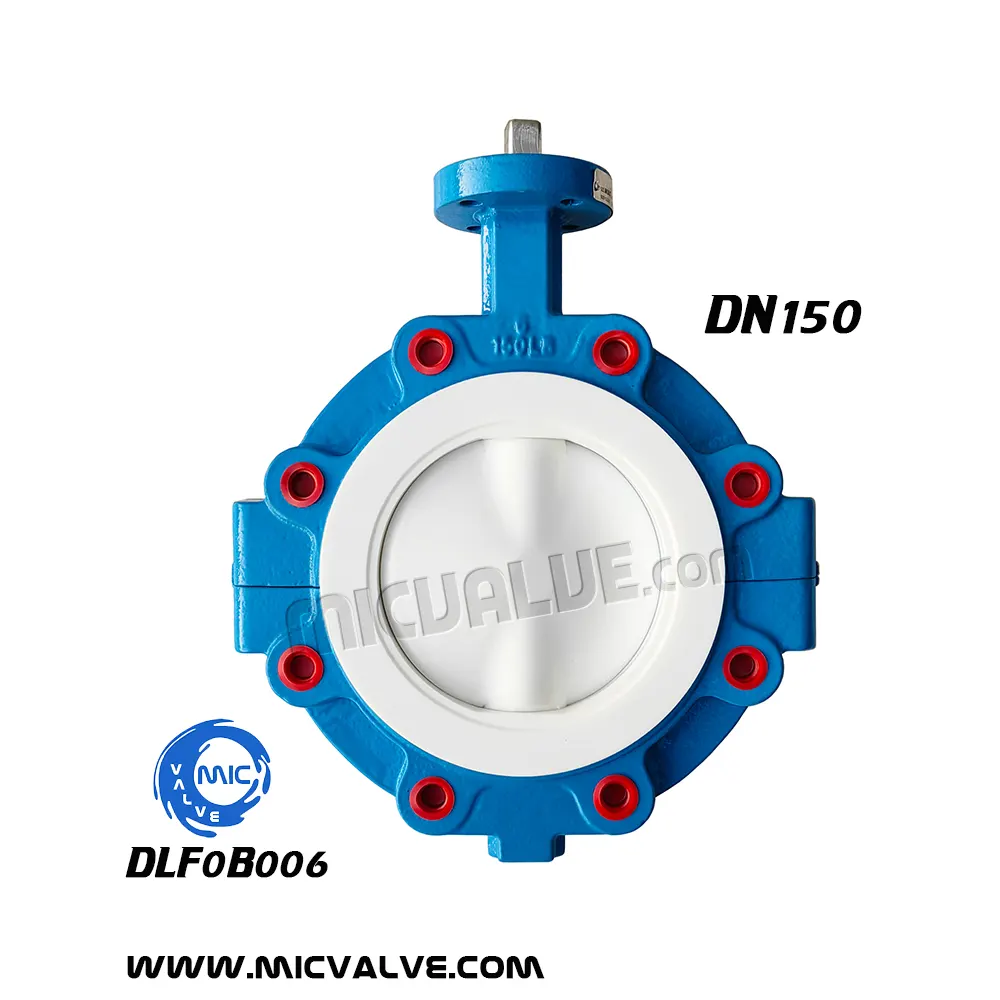
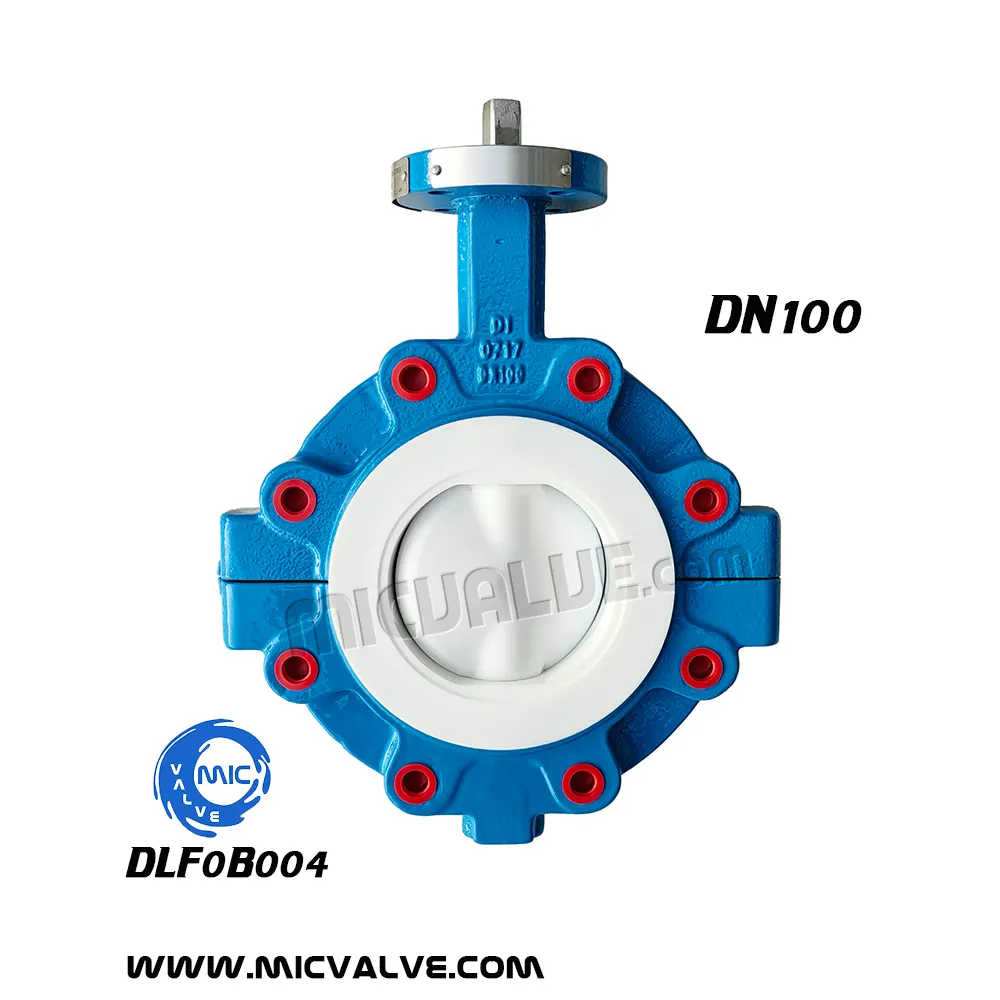
- A lug butterfly valve has threaded inserts around the body so each flange can be bolted independently. That allows one side of the line to be disconnected while the valve remains as an end-of-line isolation point, provided the design is rated for dead-end service.
- A double-flanged (concentric or eccentric flanged) butterfly valve has its own flanges. It is the usual choice for larger diameters, heavier operators, and buried or supported piping where the valve body must carry load.
- MIC Valve’s published catalog groups butterfly valves into wafer type, lug type, U type, concentric flanged type, eccentric flanged type, and anti-corrosive type. Match the body style to the piping class before asking for a quotation.
- When you request a quote, send connection style, DN, pressure rating, seat material, disc material, and operator (hand lever, gear, or bare shaft). Do not assume a wafer valve can replace a flanged valve without checking support and dead-end duty.